
Explore the Map
Al-Khiday
15.5000° N, 32.4000° E
About
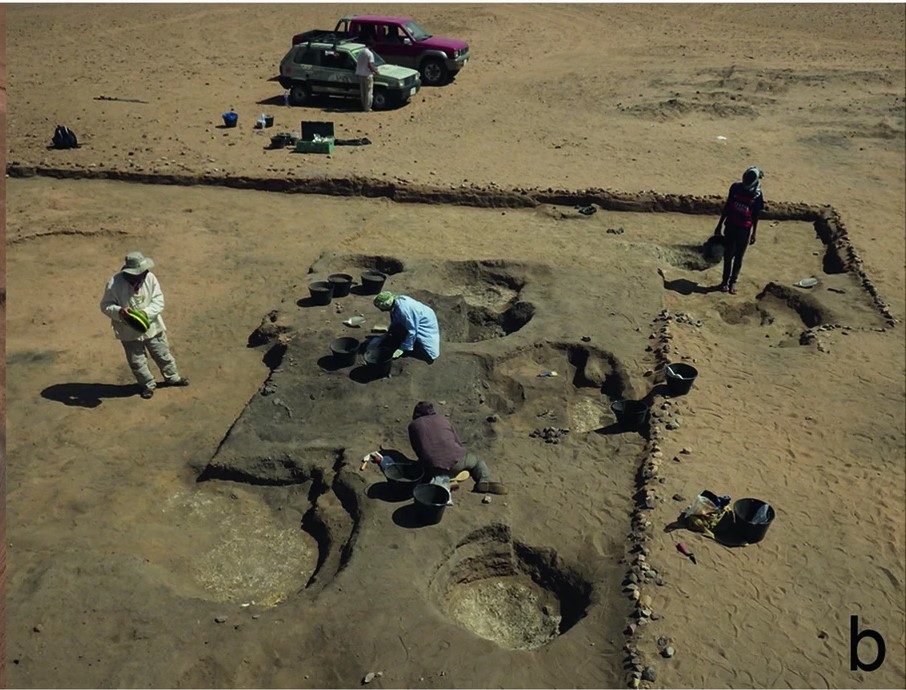
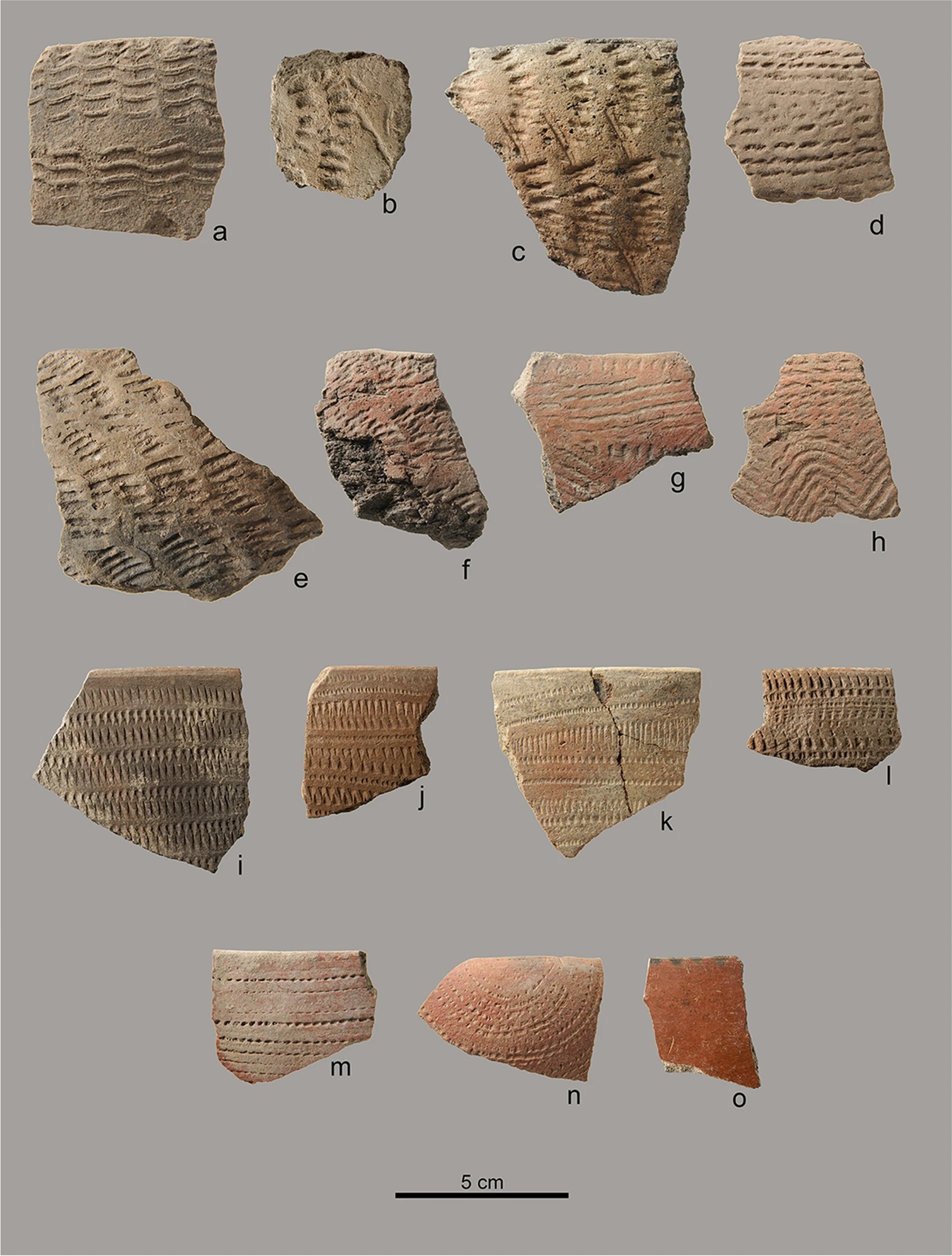
The archaeological site of Al-Khiday, located on the western bank of the White Nile near Khartoum, Sudan, contains a multi-period cemetery with significant evidence of human occupation spanning various historical periods. The site is primarily known for its burial phases associated with Pre-Mesolithic, Mesolithic, Neolithic, and Classic/Late Meroitic periods. Key findings include a considerable quantity of burials, particularly from the Pre-Mesolithic period, and evidence of dietary practices and tool use from the Mesolithic. The Neolithic phase is characterized by ritualistic burials with grave goods, while the Meroitic phase features distinct grave types and associated artifacts. Al-Khiday provides invaluable insights into the cultural and environmental adaptations of ancient societies in the region.
Gallery
Explore photographs of ancient structures, artifacts, and archaeological excavations

Historical Timeline
Journey through time and discover key events in this site's history
Meroitic Burial Phase
Classic/Late Meroitic period
Pre-Mesolithic Burial Phase
Unknown BCE
Neolithic Burial Phase
4550 - 4250 BCE
Mesolithic Occupation
6700 - 6300 BCE
Archaeological Features
Unique architectural and cultural elements found at this historical site
Burial and Funerary Structures
Environmental and Natural Features
Frequently Asked Questions
Plan Your Visit
Tours, travel arrangements, and practical information
More Sites in Sudan
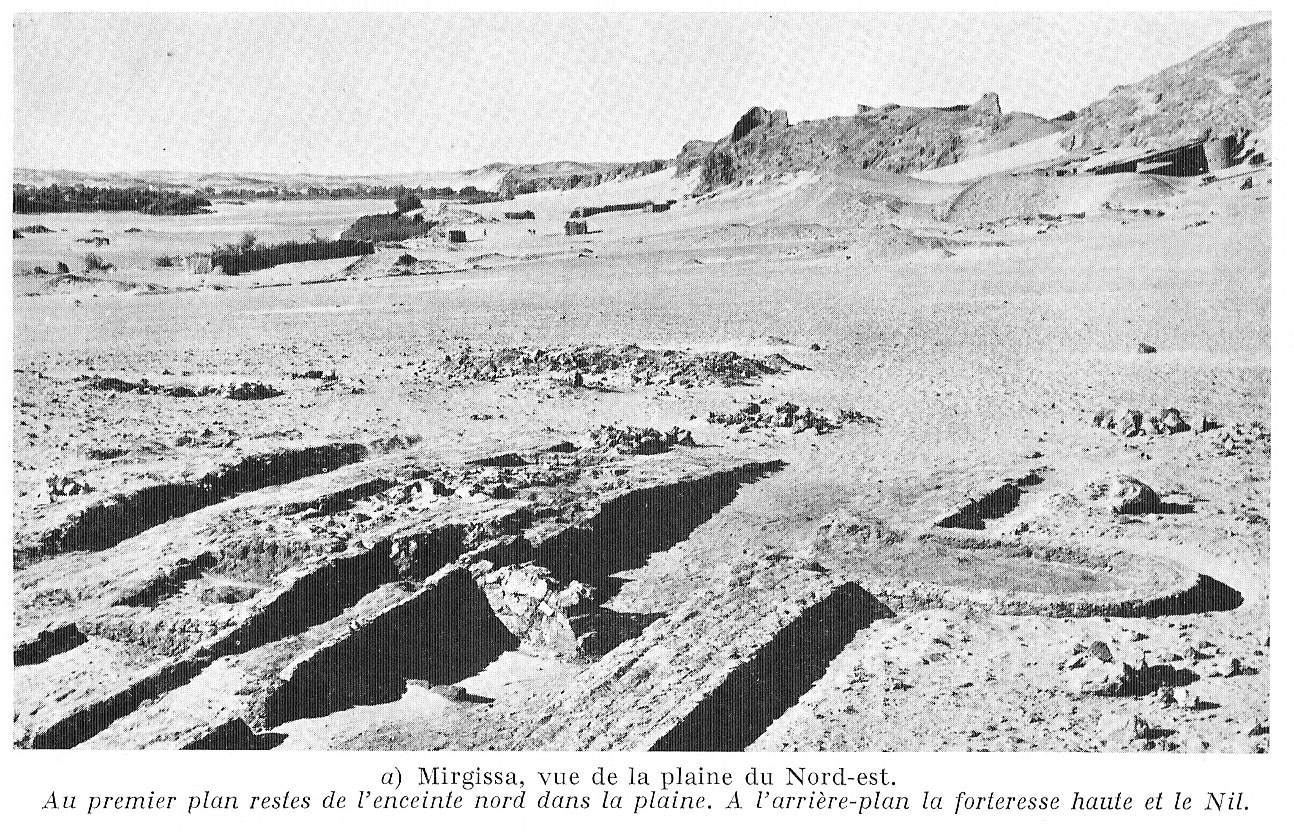
Mirgissa
Fortified Nubian settlement with large fortress.
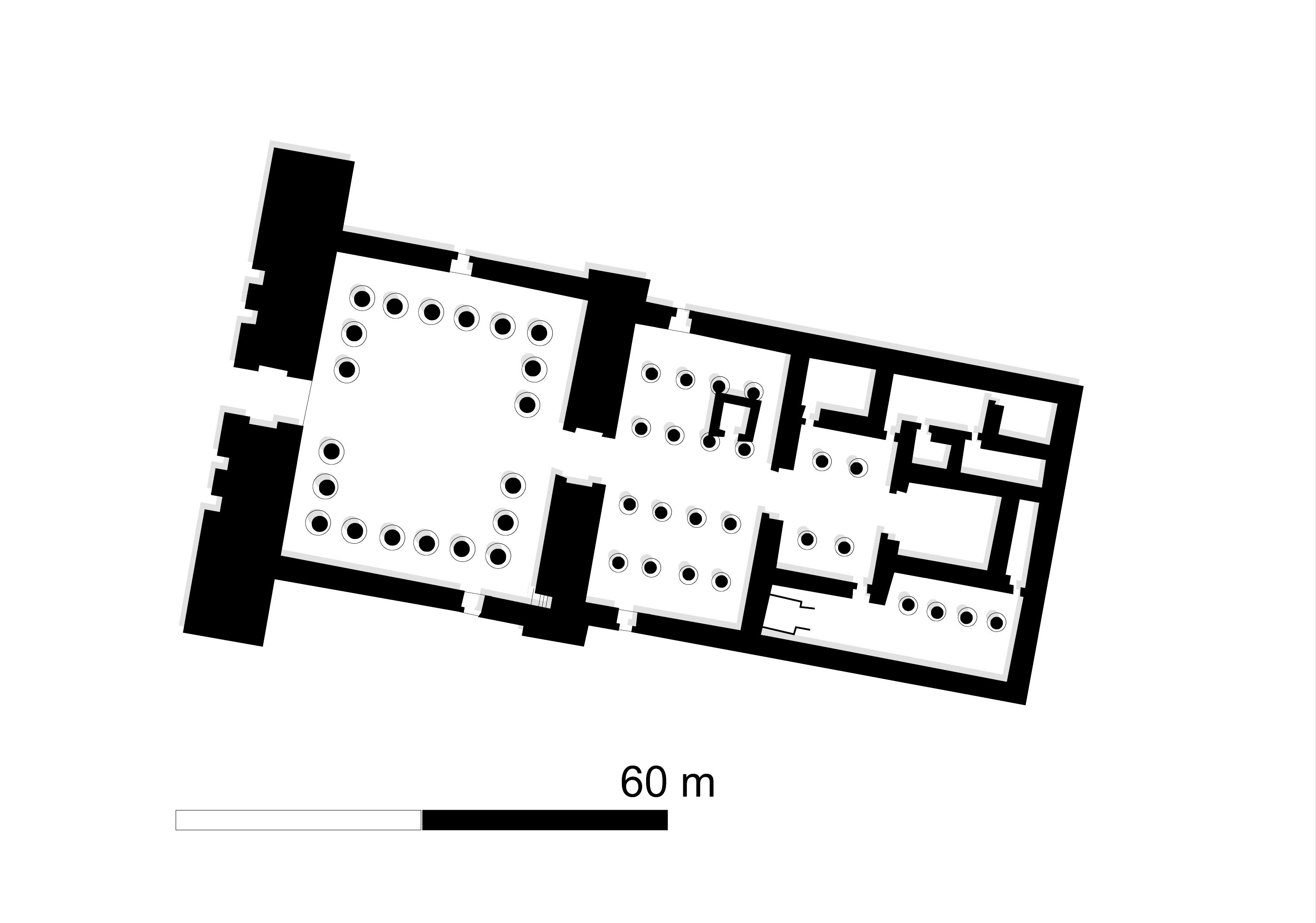
Sanam, Sudan
Napatan Period town with temple and cemetery
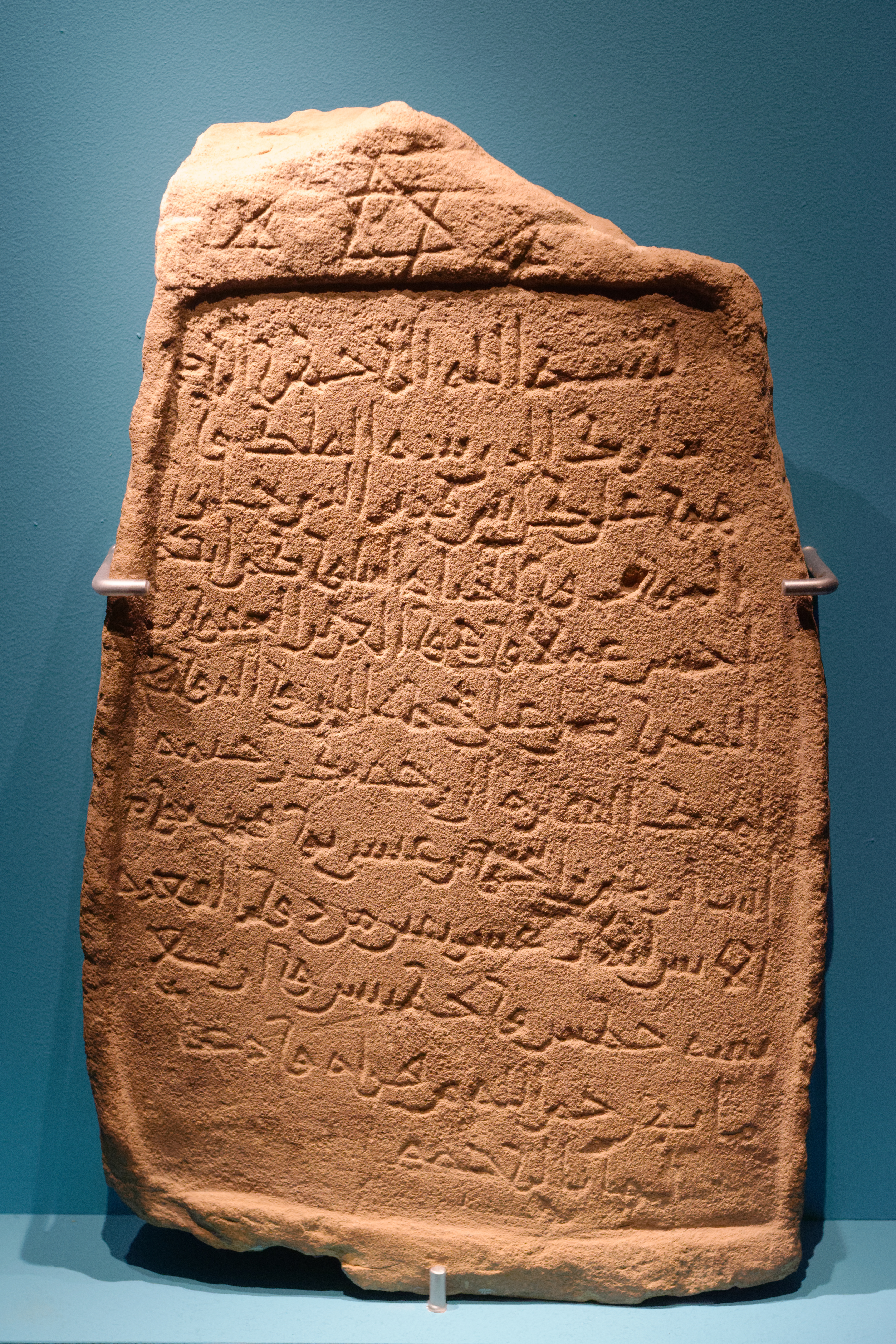
Meinarti
Stratified archaeological remains on Nile island
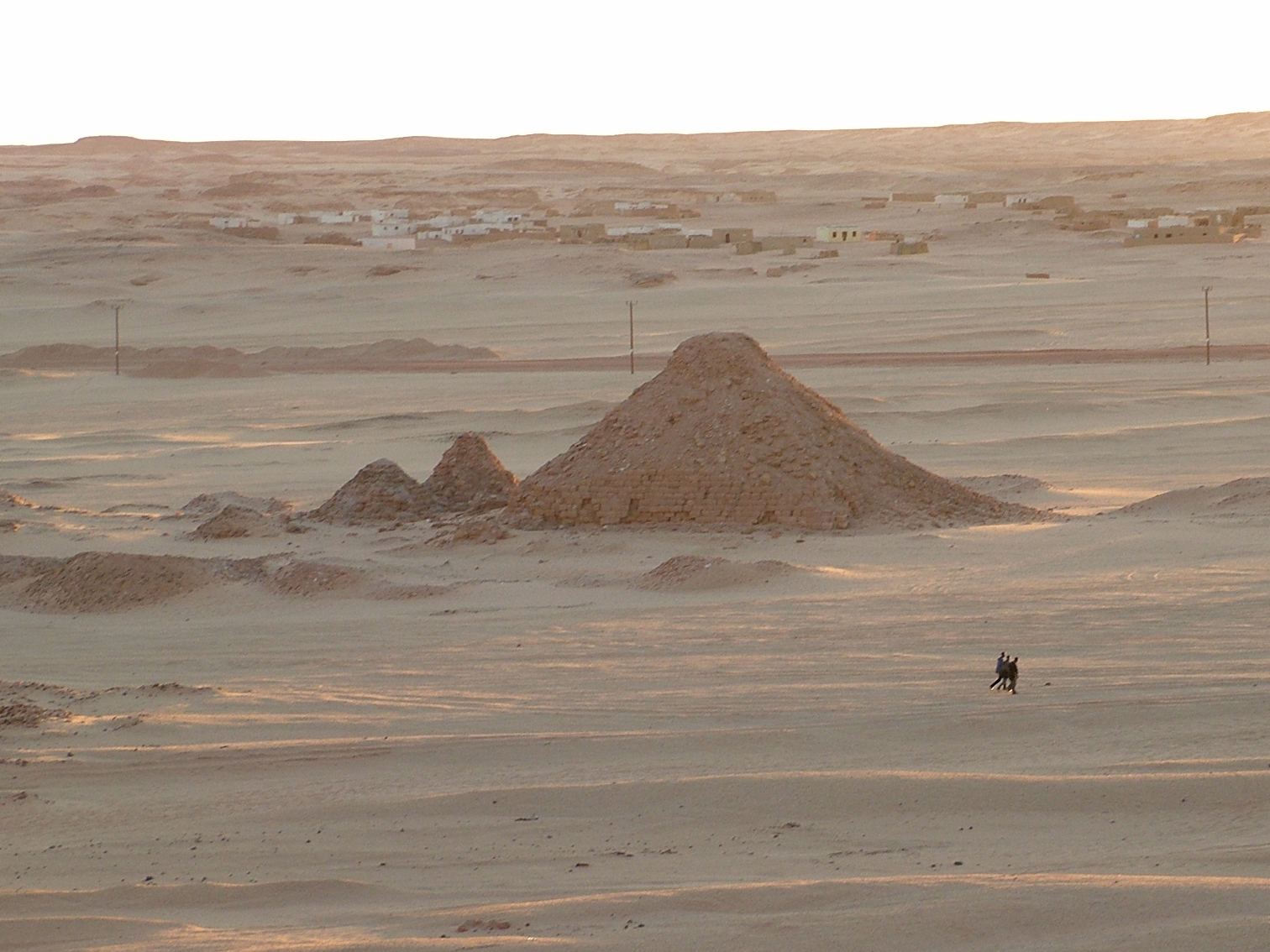
Jebel Barkal
Mesa with temples and pyramids in Sudan.
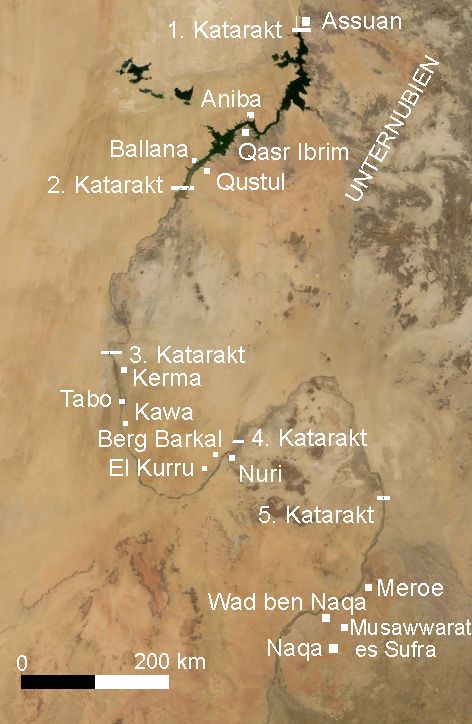
Tabo (Nubia)
Large damaged Amun temple in Nubia.
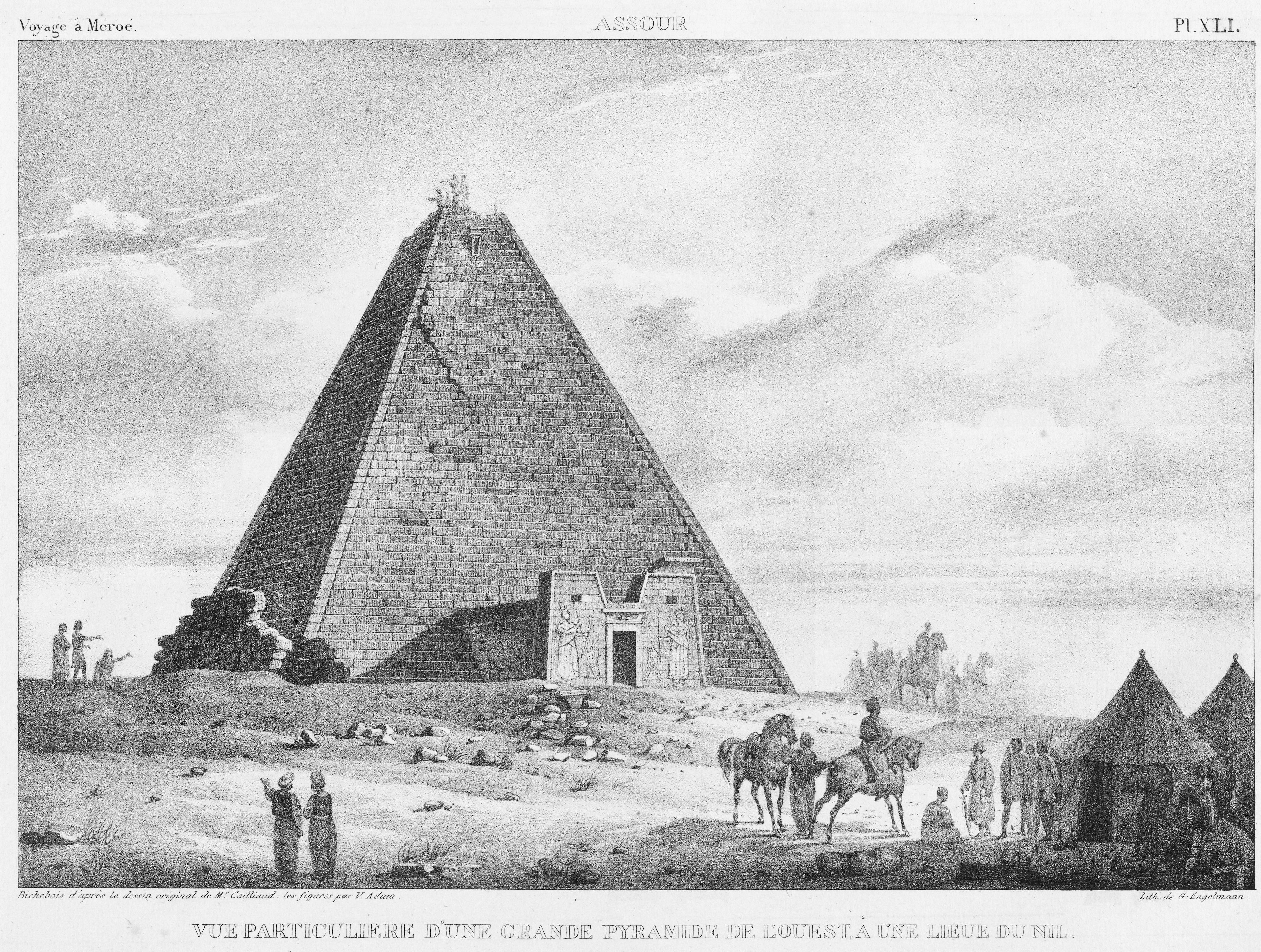
Nubian pyramids
Tall, narrow stepped pyramids in Sudan.