Explore the Map
Nevalı Çori
37.5183° N, 38.6056° E
About
Nevalı Çori (Turkish: Nevali Çori, Kurdish: Newala Çorî) was an early Neolithic settlement on the middle Euphrates, in Şanlıurfa Province, Southeastern Anatolia, Turkey. The site is known for having some of the world's oldest known temples and monumental sculpture. Together with the earlier site of Göbekli Tepe, it has revolutionised scientific understanding of the Eurasian Neolithic period. The oldest domesticated Einkorn wheat was found there. The settlement was located about 490 m above sea level, in the foothills of the Taurus Mountains, on both banks of the Kantara stream, a tributary of the Euphrates.
Historical Timeline
Journey through time and discover key events in this site's history
Rescue excavations
1983–1991
Stratum II radiocarbon dates
second half of the 9th millennium BC
Early radiocarbon sample
10th millennium BC
Archaeological Features
Unique architectural and cultural elements found at this historical site
Burial and Funerary Structures
Industrial and Craft Structures
Religious and Ritual Structures
Artistic and Decorative Features
Domestic and Habitation Structures
Frequently Asked Questions
Plan Your Visit
Tours, travel arrangements, and practical information
More Sites in Turkey
Çadır Höyük
Artificial mound settlement in Yozgat Province, Turkey
Carchemish
Ancient capital ruins on the Euphrates, Turkey–Syria border
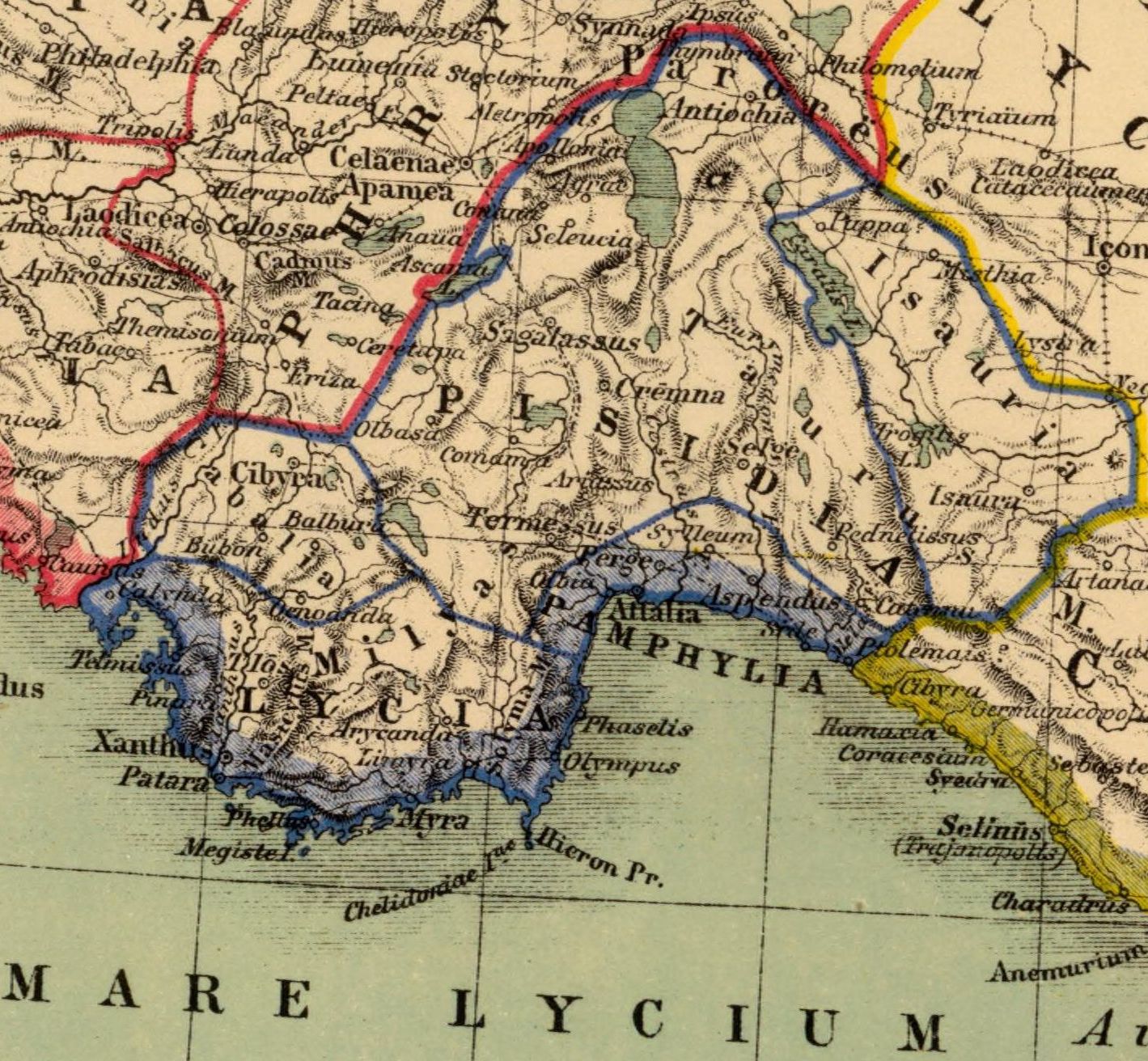
Lysinia
Ancient town in Pisidia, later Pamphylia.
Blaundus
Hellenistic city ruins in western Anatolia, Turkey
Larissa Phrikonis
Aeolian city ruins in western Turkey
Çayönü
Neolithic village in southeastern Turkey