
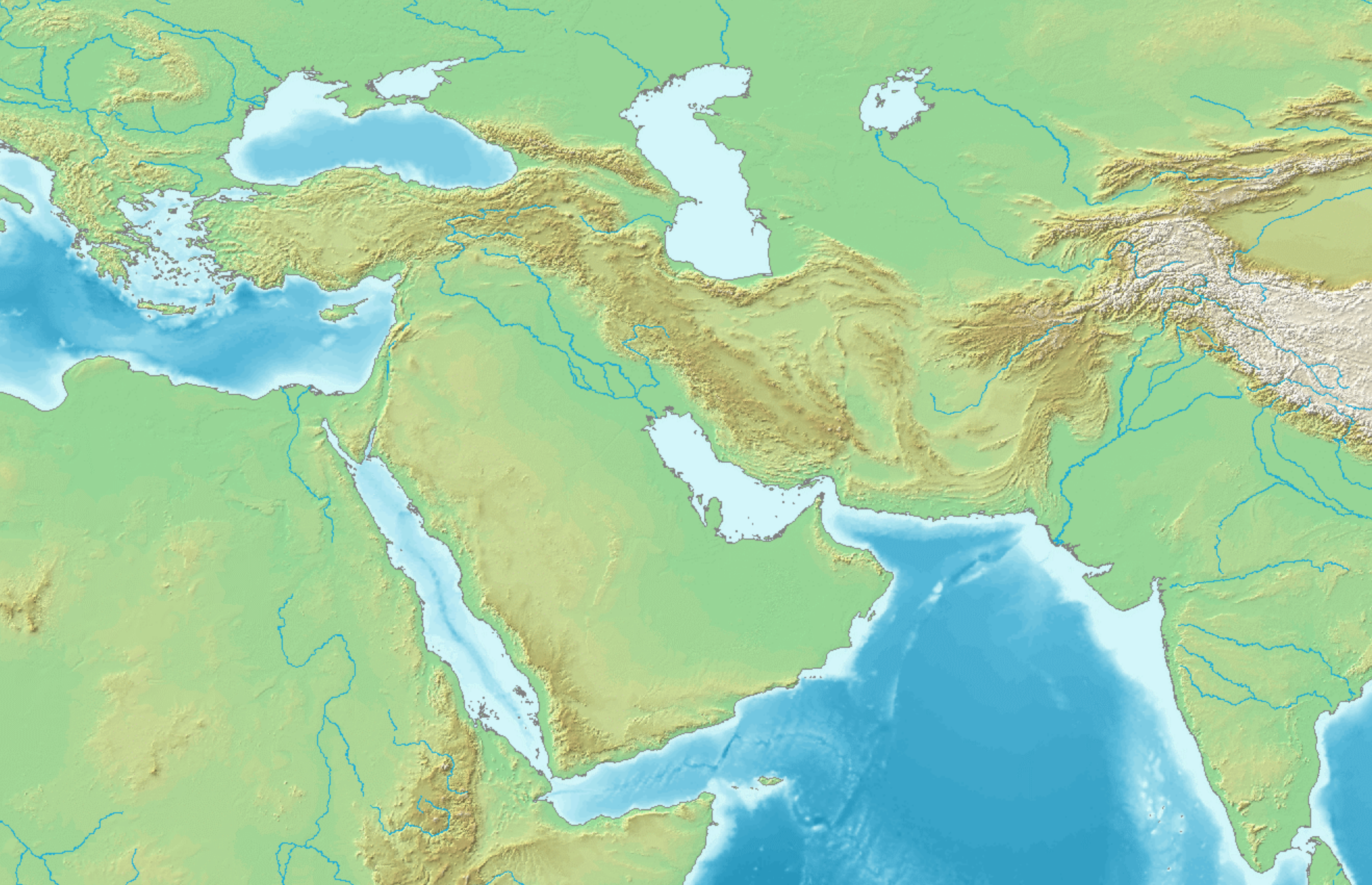
Explore the Map
Cave of Dzhebel
40.0336° N, 52.9758° E
About
The Cave of Dzhebel, located near the Krasnovodsk Gulf of the Caspian Sea in Turkmenistan, is an archaeological site of significant historical importance. First explored in the mid-20th century, it contains a wealth of artifacts spanning several prehistoric periods, including the Mesolithic, Neolithic, and early Bronze Age. The lithic assemblages found at Dzhebel suggest cultural connections to the Zarzian culture of Northwestern Iran, dating back to 10,000 BCE, and potentially to the earlier Kebarian culture of the Near East. The site's stratigraphy highlights its long-term use as a habitation site, providing valuable insights into the prehistoric human occupation and cultural transitions in the region. The Cave of Dzhebel offers an essential glimpse into the technological and cultural developments of ancient societies in Central Asia.
Gallery
Explore photographs of ancient structures, artifacts, and archaeological excavations
Historical Timeline
Journey through time and discover key events in this site's history
Zarzian culture use
10,000 BCE
Mesolithic occupation
10,000 BCE - 8,000 BCE
Neolithic occupation
8,000 BCE - 3,000 BCE
Early Bronze Age occupation
3,300 BCE - 2,100 BCE
Archaeological Features
Unique architectural and cultural elements found at this historical site
Domestic and Habitation Structures
Frequently Asked Questions
Plan Your Visit
Tours, travel arrangements, and practical information
More Sites in Turkmenistan
Togolok
Neolithic settlement with BMAC temple fortress.
Ulug Depe
Bronze Age mound with stratigraphic sequence
Namazga-Tepe
Bronze Age urban settlement site in Turkmenistan.
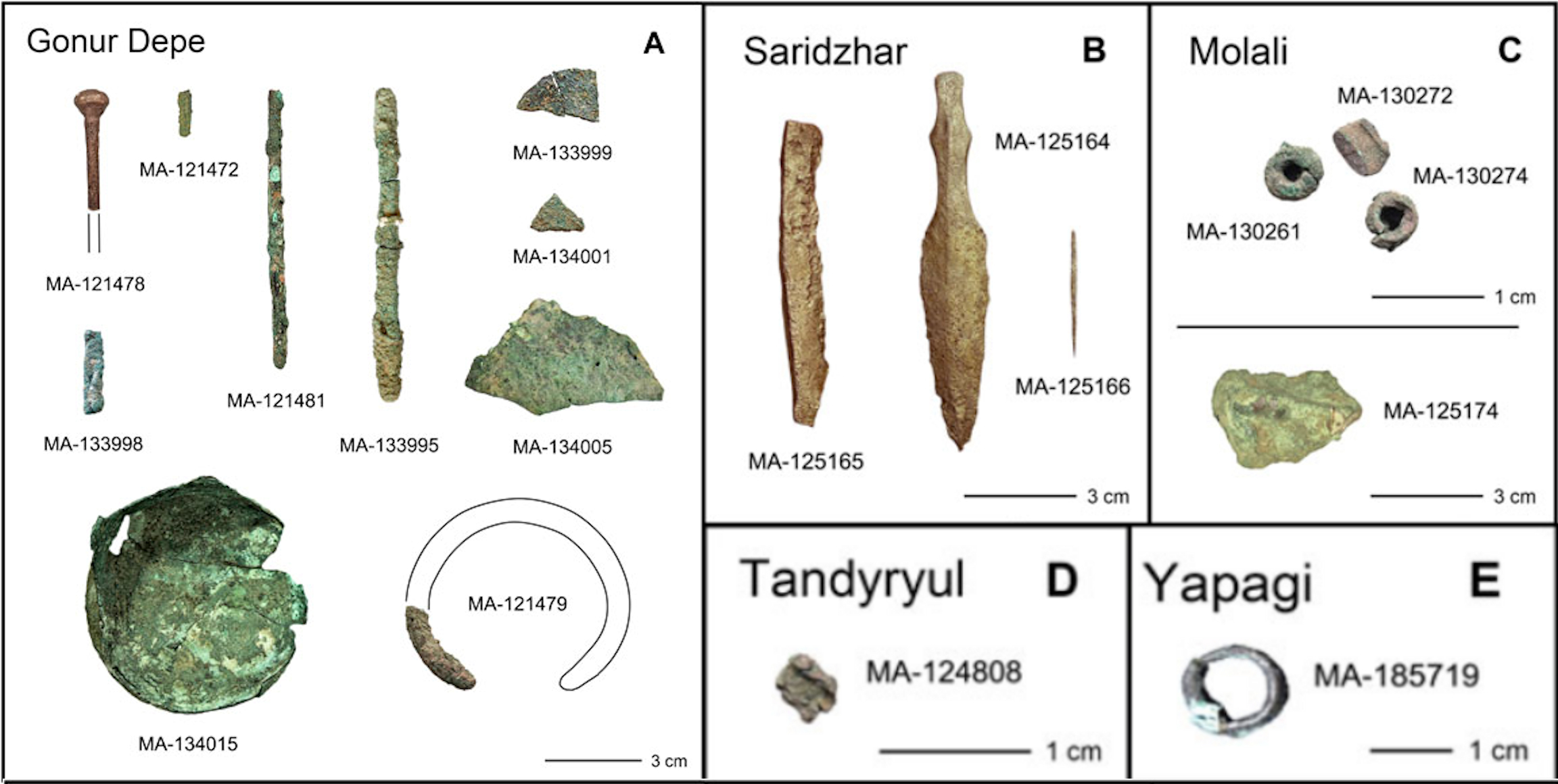
Gonur Depe
Bronze Age city with palaces and necropolises
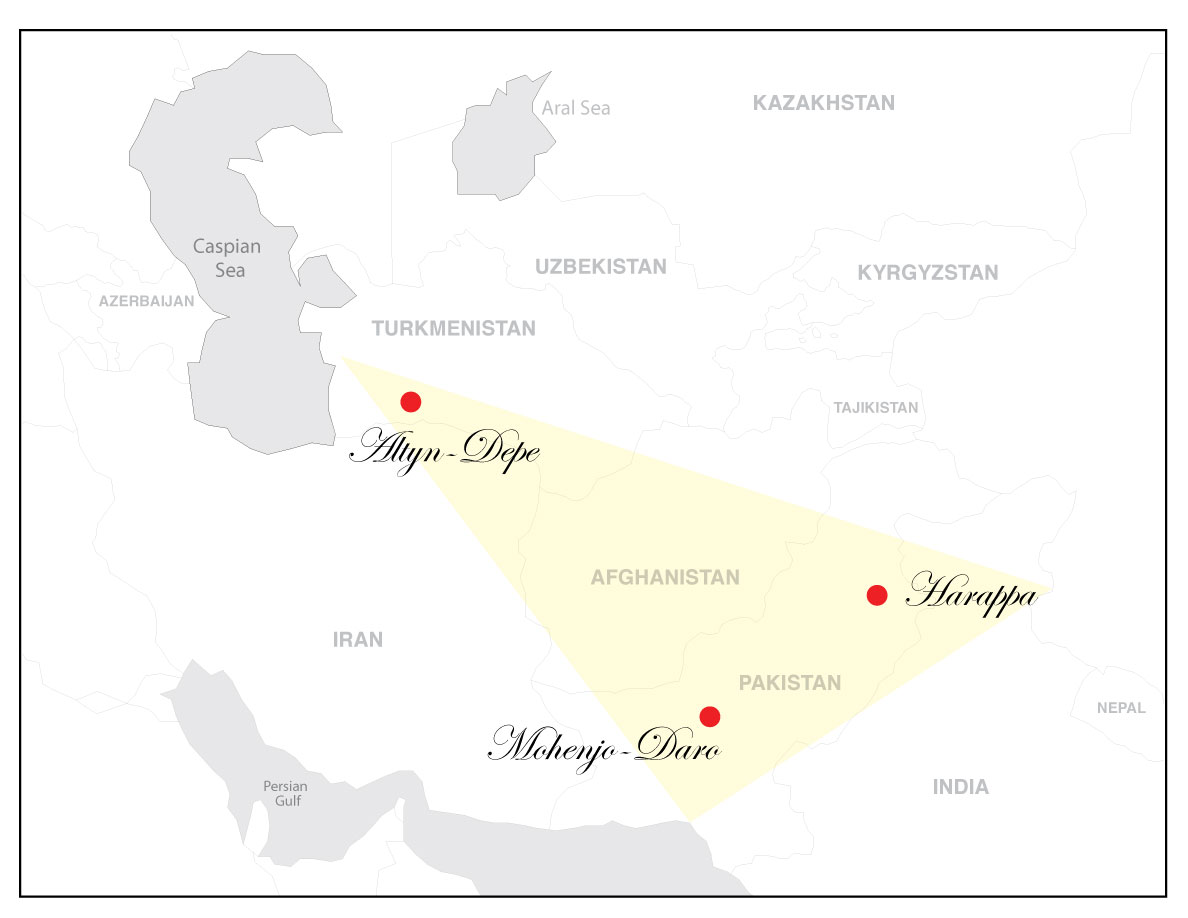
Altyndepe
Bronze Age urban site with ziggurat.
Monjukli Depe
Neolithic-Chalcolithic settlement in Turkmenistan