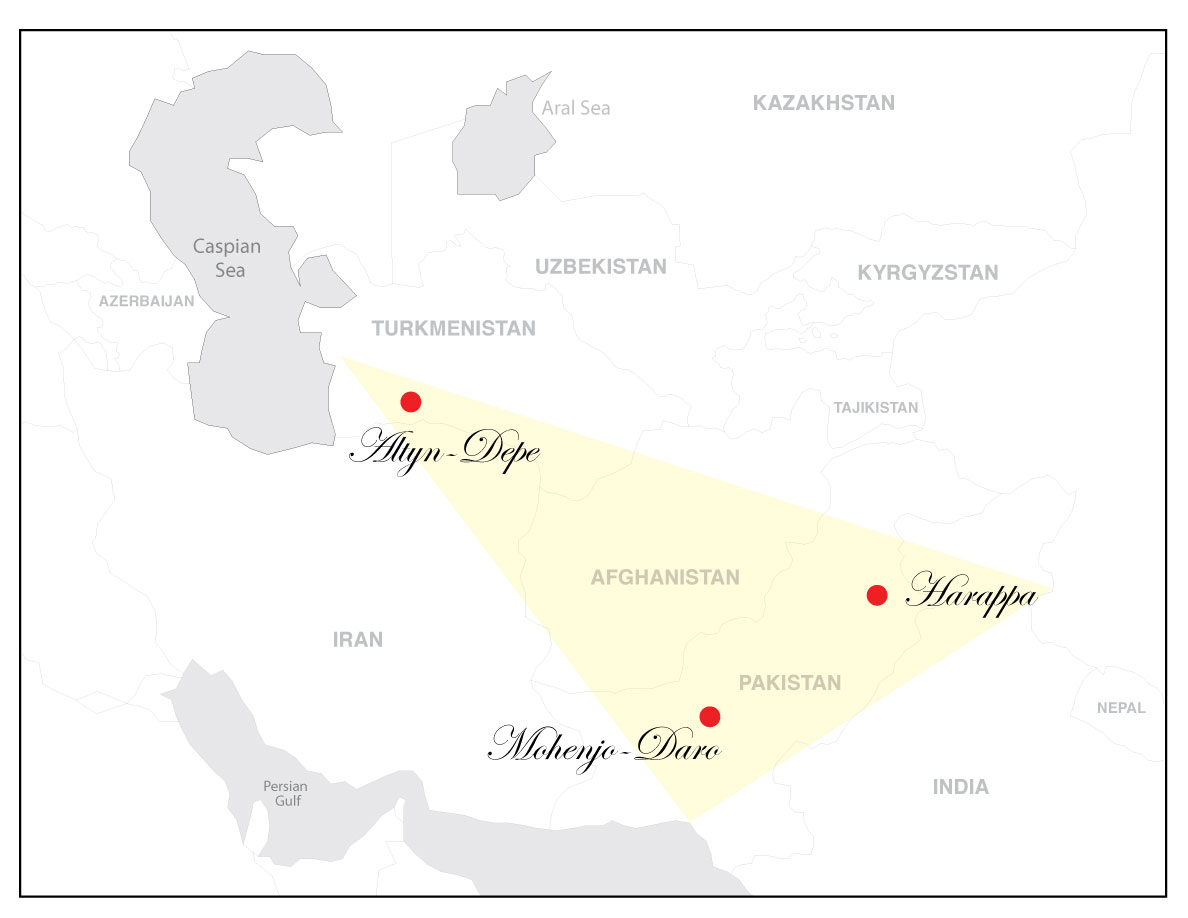
Explore the Map
Altyndepe
36.8579° N, 60.4324° E
About
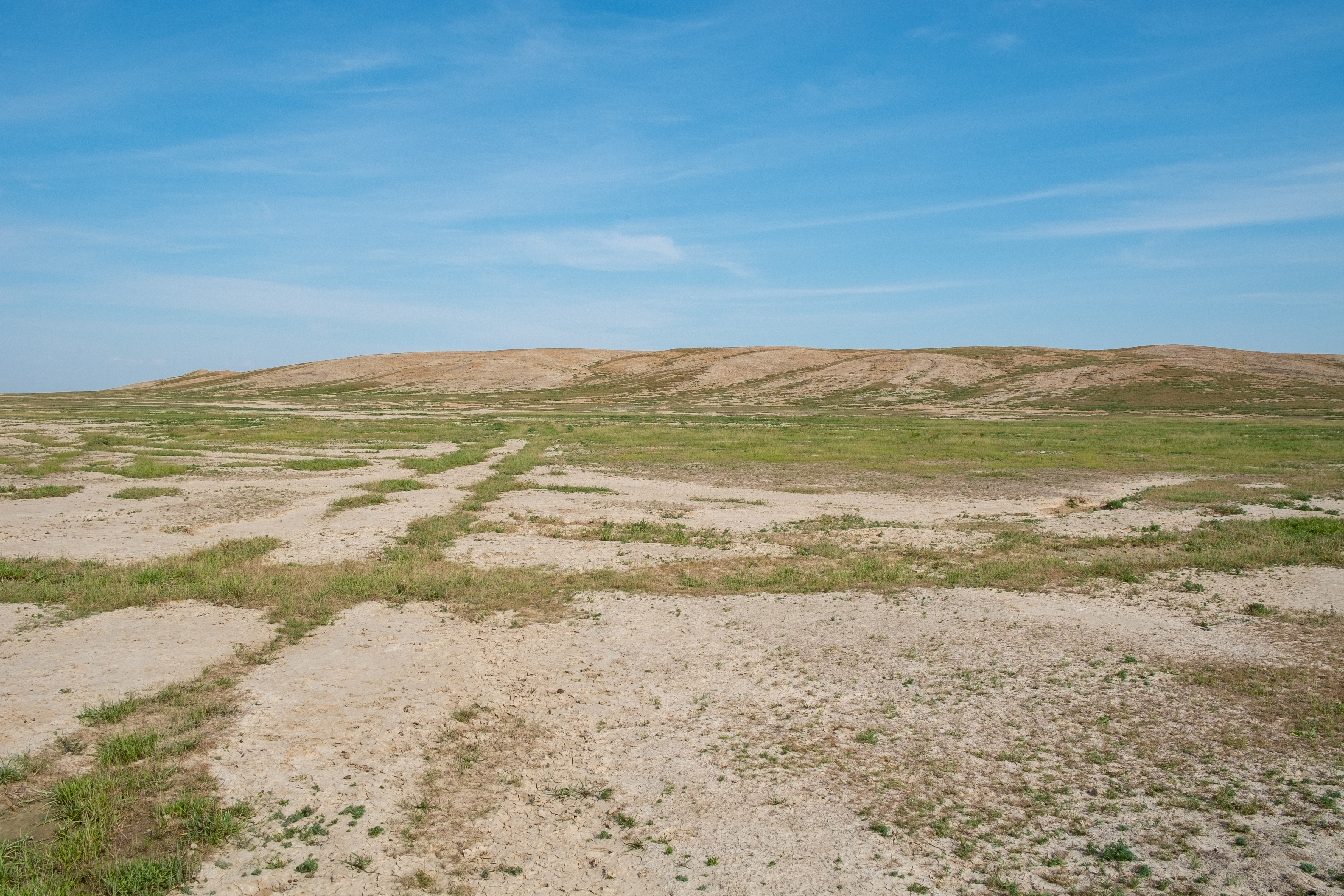
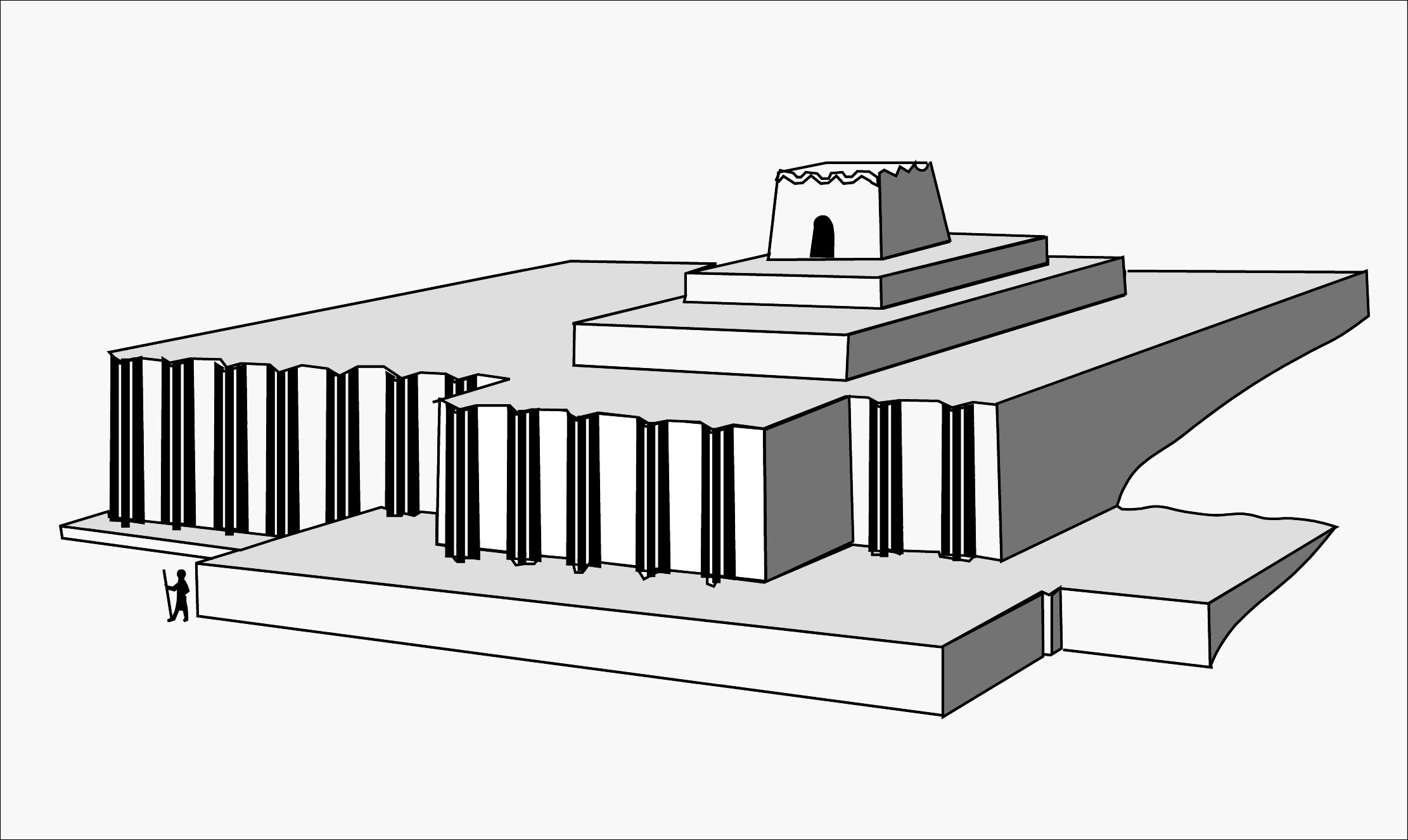
Altyndepe, meaning 'Golden Hill,' is a significant Bronze Age archaeological site located near Aşgabat, Turkmenistan. First settled during the Late Regionalization Era around 3200 BCE, the site evolved into a fully integrated urban center by 2400 BCE. The site is characterized by its notable ziggurat, a four-level religious structure reminiscent of Mesopotamian architecture, indicating cultural interactions with neighboring civilizations. The discovery of Indus Valley artifacts, including ivory objects and Harappan seals, further illustrates Altyndepe's extensive trade connections. The site also provides the earliest known evidence of wheeled transport in Central Asia, with models of two-wheeled carts dating back to around 3000 BCE and a camel-drawn four-wheeled wagon from 2200 BCE. Altyndepe's combination of domestic, defensive, and religious structures highlights its role as a prominent urban and cultural center in the Bronze Age.
Gallery
Explore photographs of ancient structures, artifacts, and archaeological excavations
Historical Timeline
Journey through time and discover key events in this site's history
Late Regionalization Era
c. 3200 to 2400 BCE
Wheeled transport evidence
c. 3000 BCE
Integration Era
c. 2400 to 2000 BCE
Camel-drawn wagon model
c. 2200 BCE
Archaeological Features
Unique architectural and cultural elements found at this historical site
Defensive Structures
Burial and Funerary Structures
Religious and Ritual Structures
Domestic and Habitation Structures
Transportation and Communication Structures
Plan Your Visit
Tours, travel arrangements, and practical information
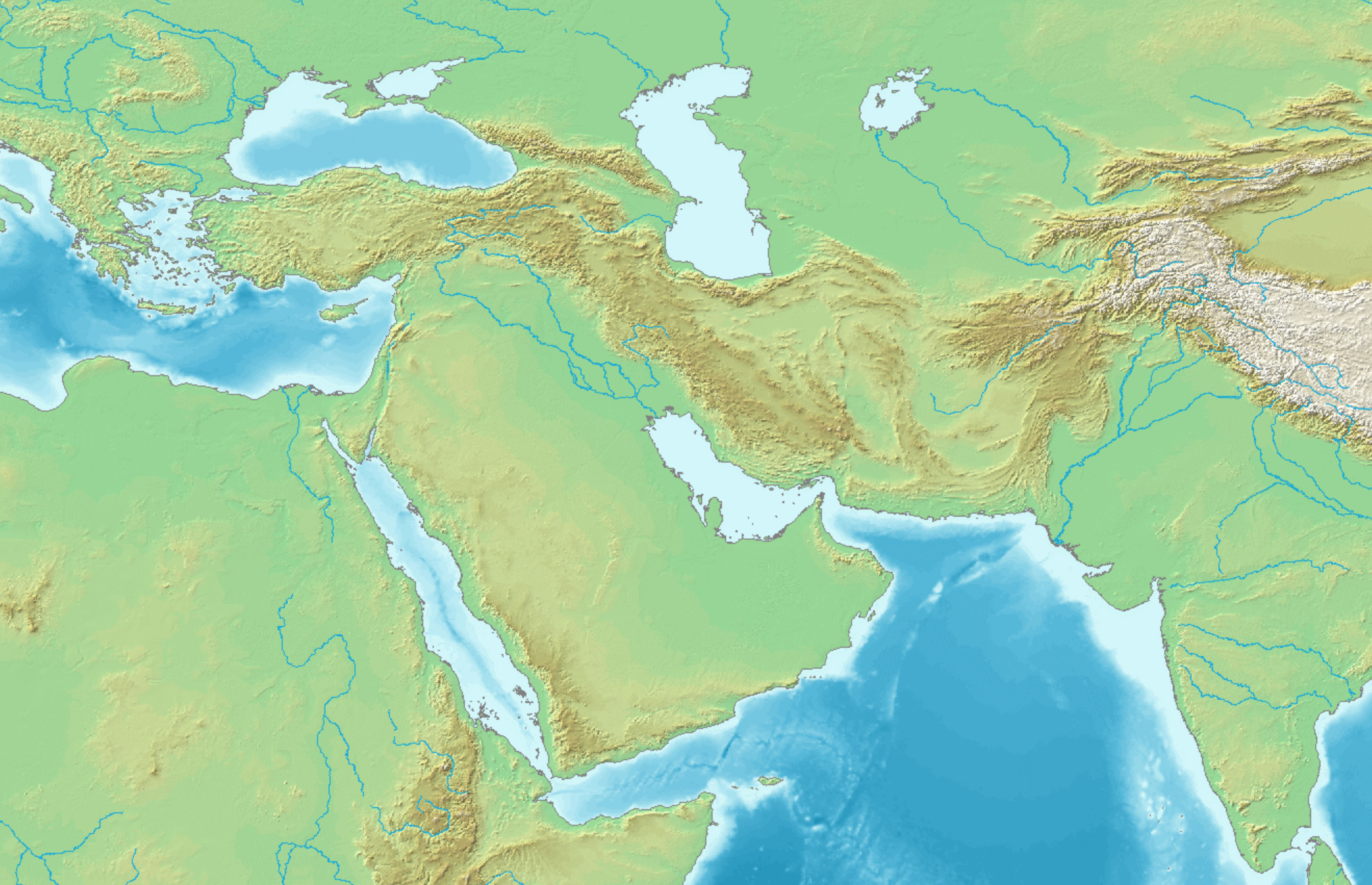
More Sites in Turkmenistan
Namazga-Tepe
Bronze Age urban settlement site in Turkmenistan.
Monjukli Depe
Neolithic-Chalcolithic settlement in Turkmenistan
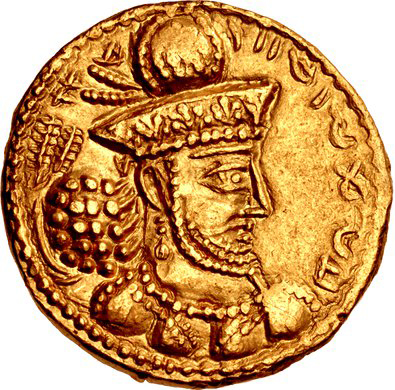
Merv
Ancient oasis city with diverse historical layers.
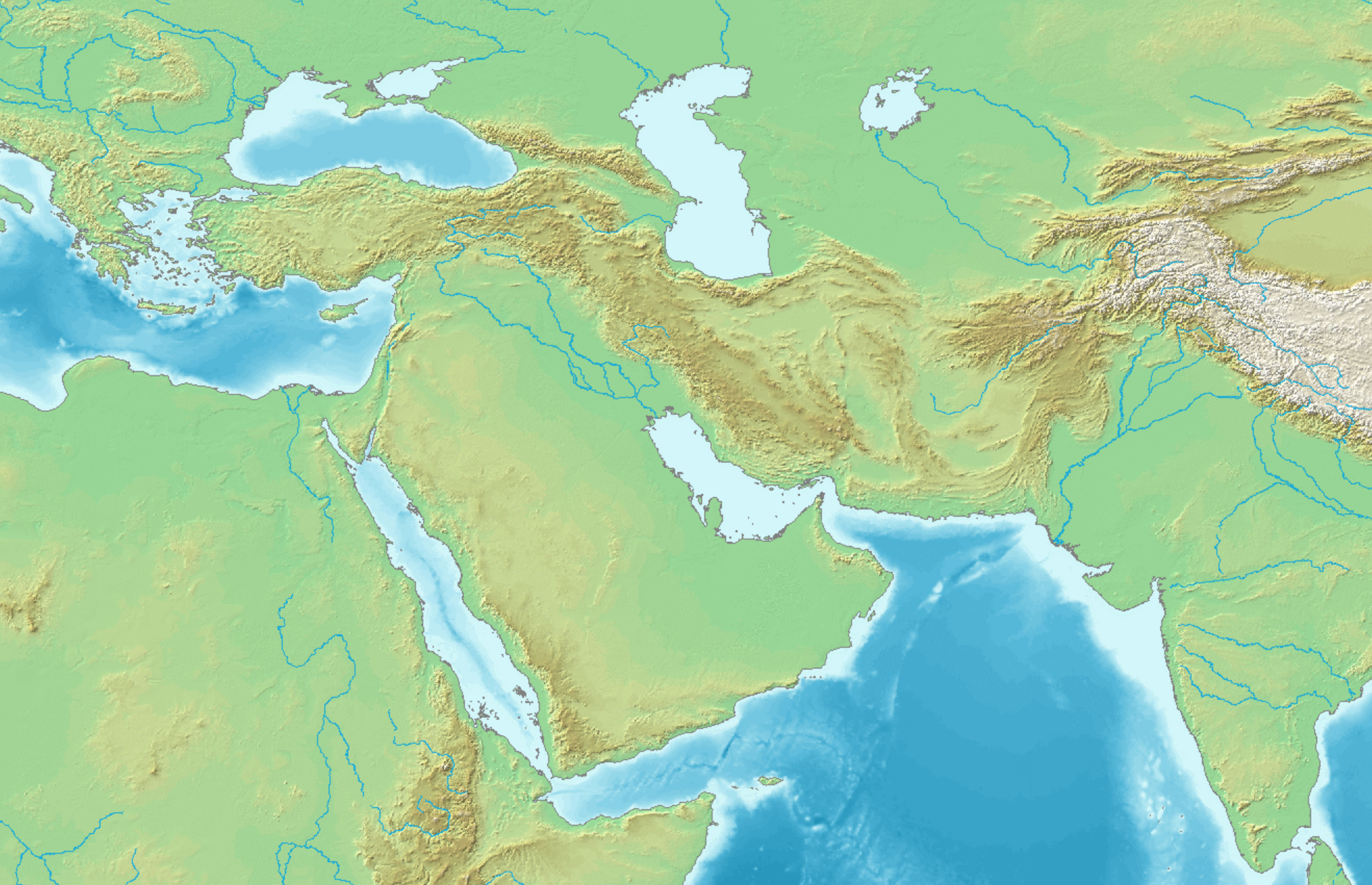
Cave of Dzhebel
Cave with Mesolithic to Bronze Age artifacts
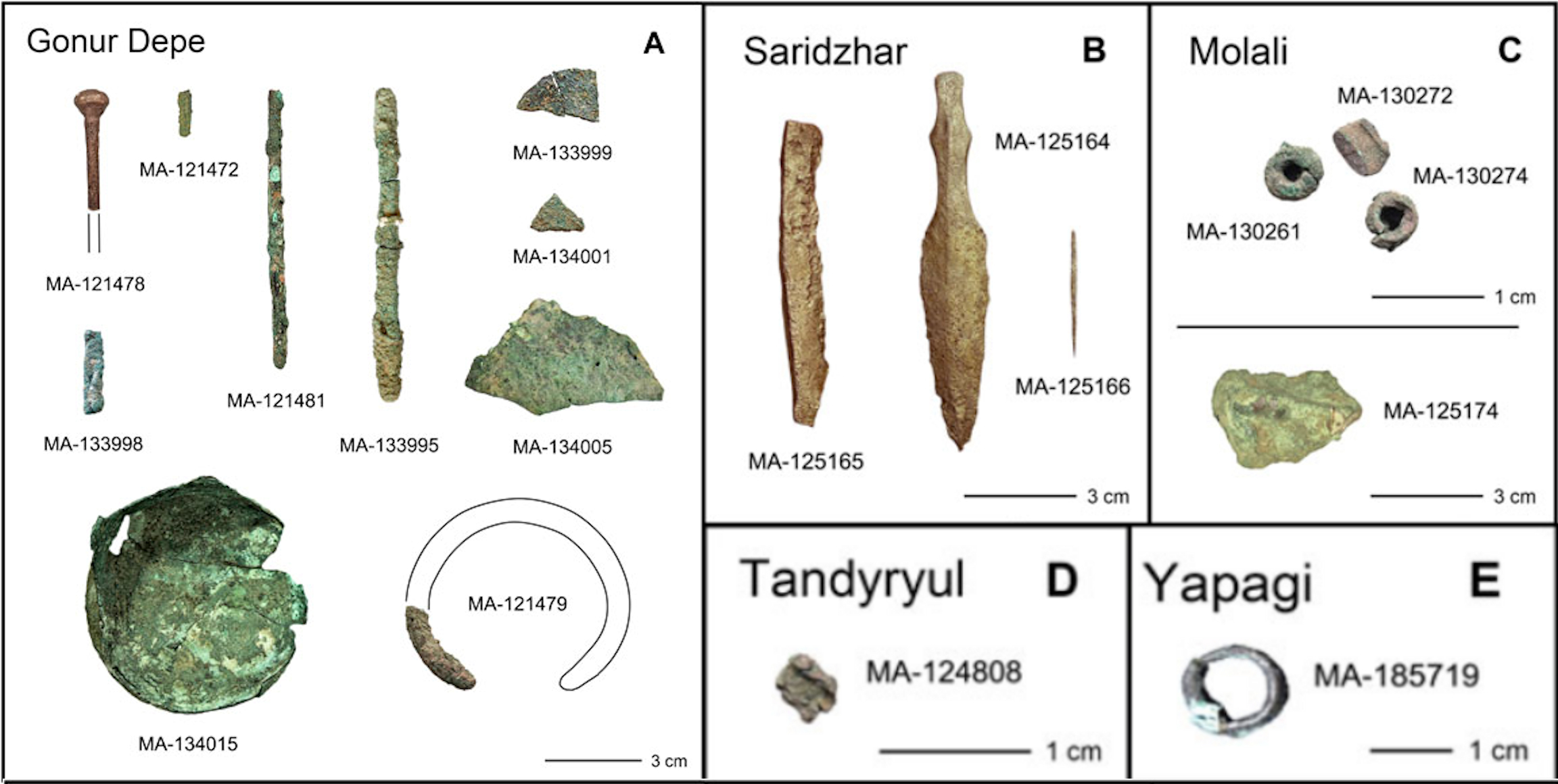
Gonur Depe
Bronze Age city with palaces and necropolises
Togolok
Neolithic settlement with BMAC temple fortress.