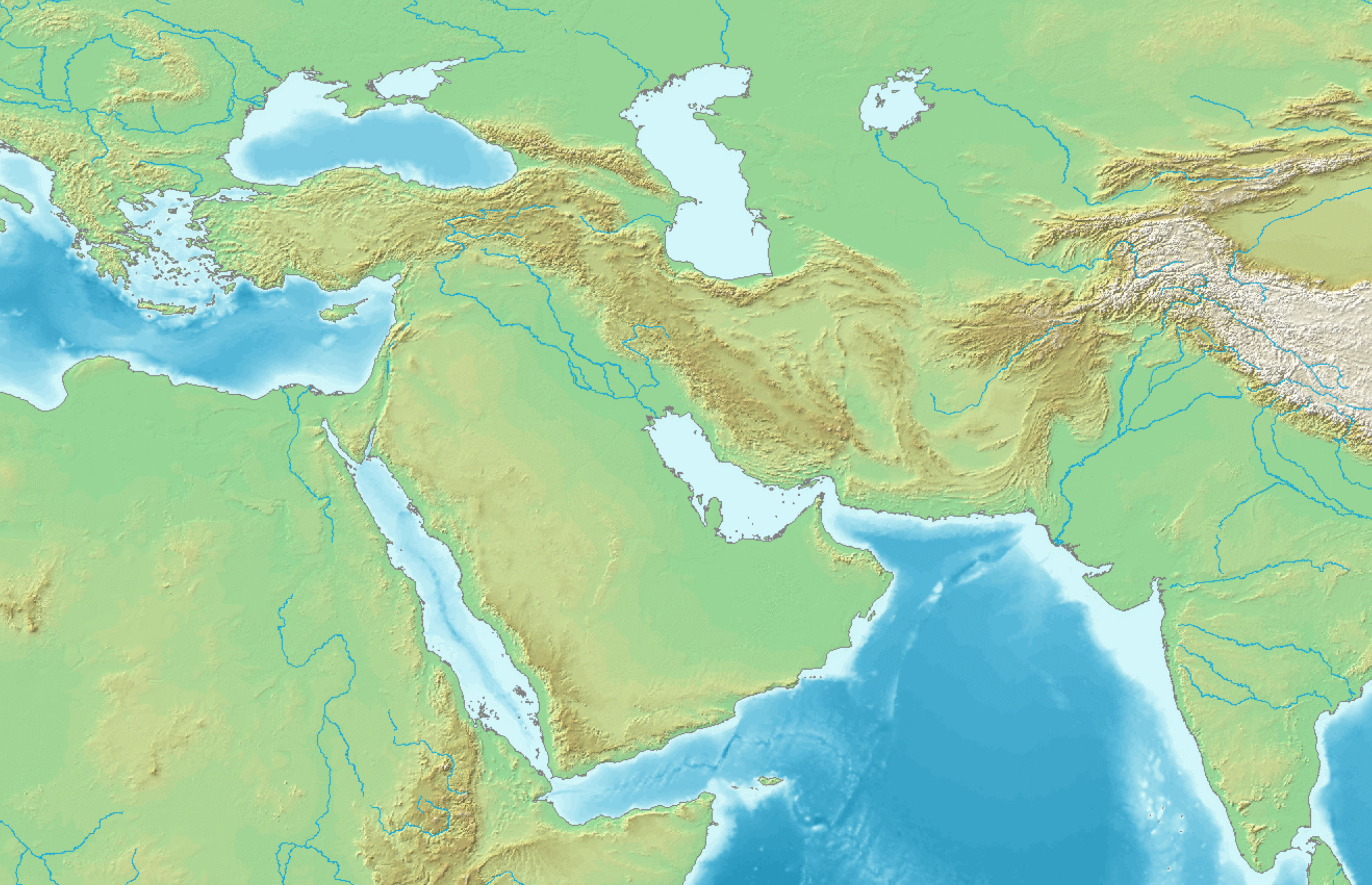
Explore the Map
Namazga-Tepe
37.3728° N, 59.5569° E
About
Namazga-Tepe, located near Aşgabat in Turkmenistan, is a significant Bronze Age site known for its critical role in establishing the chronology of the region's ancient cultures. The site evolved through several phases, beginning with the Namazga I period around 4000 BCE, when it was a simple settlement. By the Namazga III and IV periods, the site had developed into a village and subsequently a proto-urban center around 2800 BCE. Namazga V marks a period of urban revolution, reflecting complex societal organization and production activities spread over 60 hectares. The site also features detailed painted pottery, indicative of advanced craft and artistic activities. However, by the Namazga VI phase, around 1800 BCE, the site experienced a decline, likely due to external pressures from nomadic pastoralists. Namazga-Tepe serves as a crucial archaeological reference point for understanding the socioeconomic transformations in ancient Central Asia.
Gallery
Explore photographs of ancient structures, artifacts, and archaeological excavations
Historical Timeline
Journey through time and discover key events in this site's history
Namazga VI decline
1800-1500 BCE
Namazga V urban revolution
2400-2000 BCE
Namazga IV proto-urban
2800-2400 BCE
Namazga III settlement
3200-2800 BCE
Namazga I period
4000-3500 BCE
Archaeological Features
Unique architectural and cultural elements found at this historical site
Industrial and Craft Structures
Artistic and Decorative Features
Domestic and Habitation Structures
Plan Your Visit
Tours, travel arrangements, and practical information
More Sites in Turkmenistan
Cave of Dzhebel
Cave with Mesolithic to Bronze Age artifacts
Monjukli Depe
Neolithic-Chalcolithic settlement in Turkmenistan
Togolok
Neolithic settlement with BMAC temple fortress.
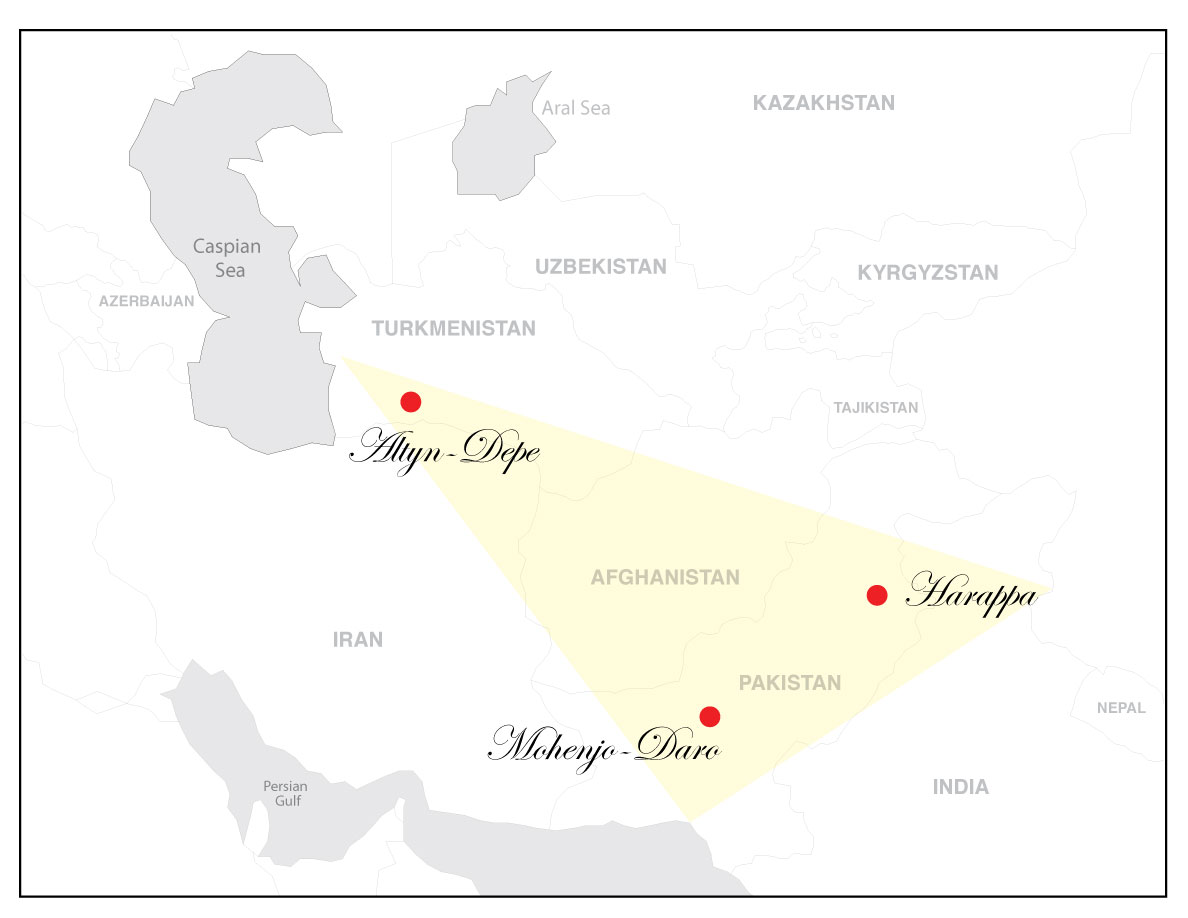
Altyndepe
Bronze Age urban site with ziggurat.
Ulug Depe
Bronze Age mound with stratigraphic sequence
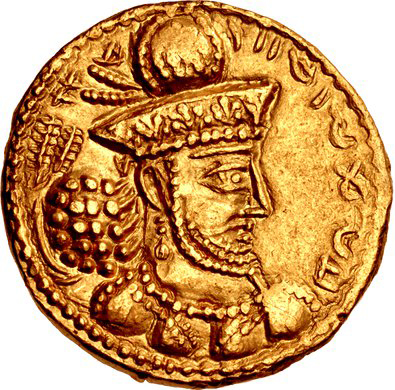
Merv
Ancient oasis city with diverse historical layers.