
Explore the Map
Ulug Depe
37.1556° N, 60.0294° E
About
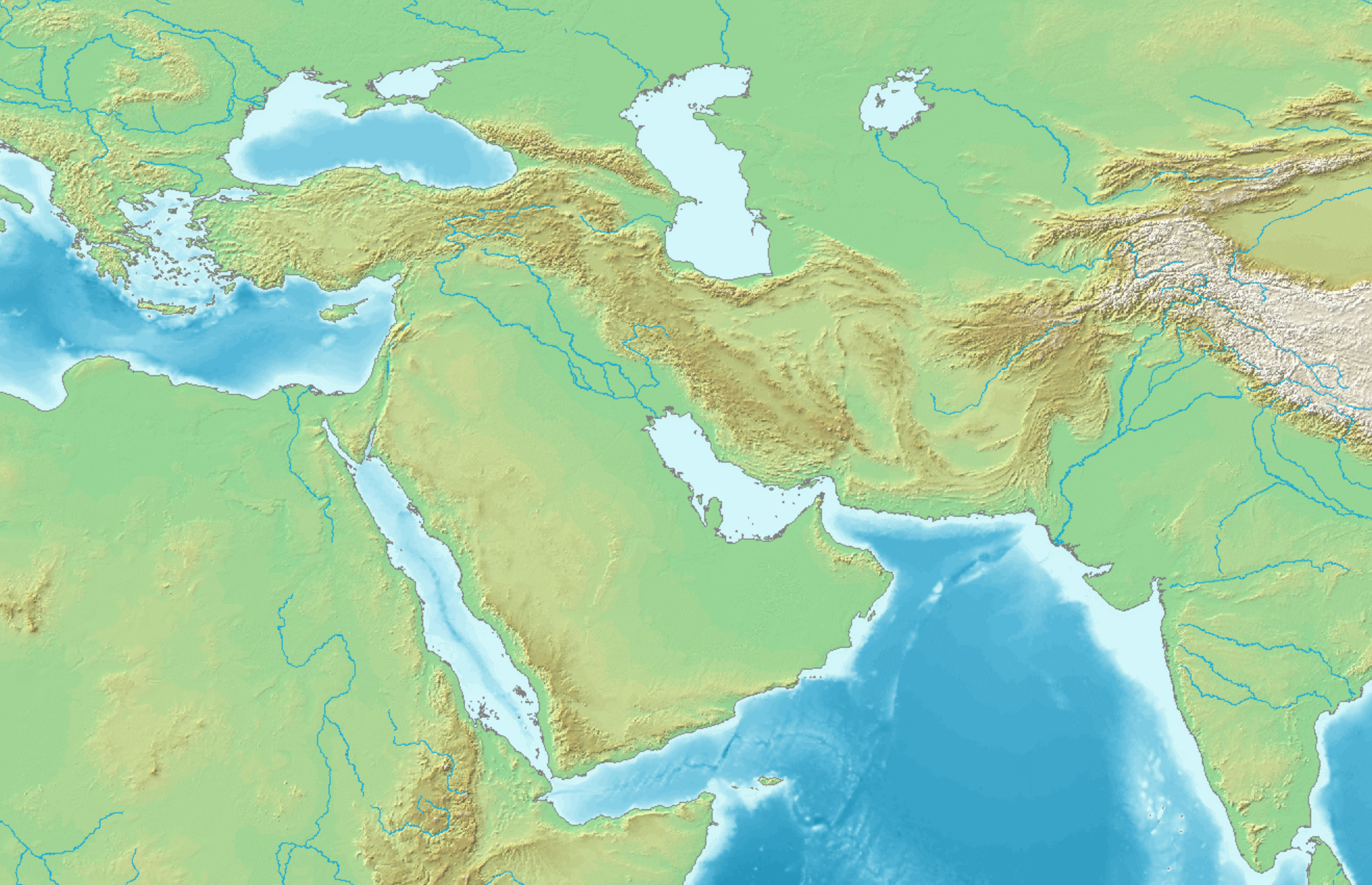
Ulug Depe is an archaeologically significant site situated in the foothills of the Kopet Dag Mountains in Turkmenistan's Karakum Desert. Spanning approximately 13 hectares, this mound reaches a height of around 30 meters and boasts the longest stratigraphic sequence in Central Asia. The site provides a detailed record from the Late Neolithic, marked by the Jeitun culture, through to the pre-Achaemenid period. Among the critical findings at Ulug Depe is a 'pressure set' for making soma drink, indicative of ritualistic practices during the Late Bronze Age. This discovery links Ulug Depe to other Central Asian sites, such as Gonur Depe, known for similar artifacts. The site’s layered history offers insights into the cultural and technological developments over millennia, making it a key location for understanding the region's ancient civilizations.
Gallery
Explore photographs of ancient structures, artifacts, and archaeological excavations
Historical Timeline
Journey through time and discover key events in this site's history
Jeitun Culture
6000 BCE - 3000 BCE
Late Bronze Age
1600 BCE - 1200 BCE
Pre-Achaemenid Period
700 BCE - 600 BCE
Archaeological Features
Unique architectural and cultural elements found at this historical site
Religious and Ritual Structures
Frequently Asked Questions
Plan Your Visit
Tours, travel arrangements, and practical information
More Sites in Turkmenistan
Cave of Dzhebel
Cave with Mesolithic to Bronze Age artifacts
Namazga-Tepe
Bronze Age urban settlement site in Turkmenistan.
Togolok
Neolithic settlement with BMAC temple fortress.
Merv
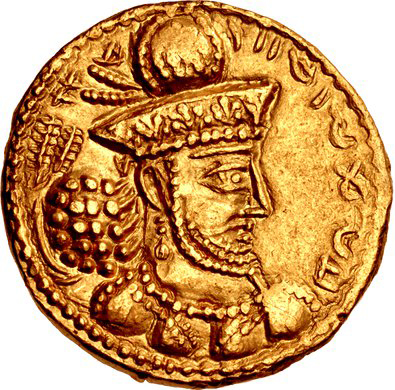
Ancient oasis city with diverse historical layers.
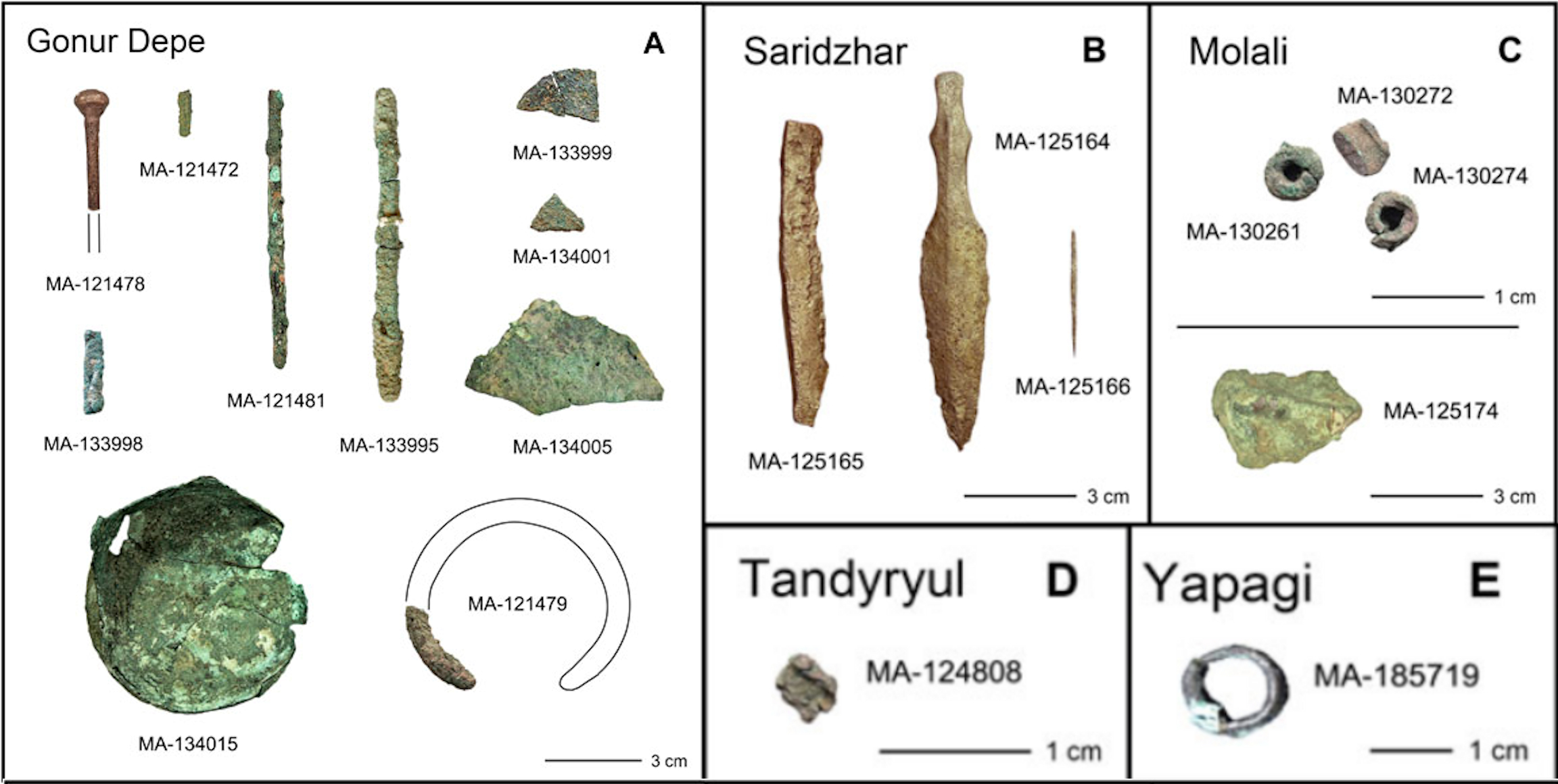
Gonur Depe
Bronze Age city with palaces and necropolises
Monjukli Depe
Neolithic-Chalcolithic settlement in Turkmenistan