Explore the Map
Jeitun
38.1878° N, 58.3491° E
About
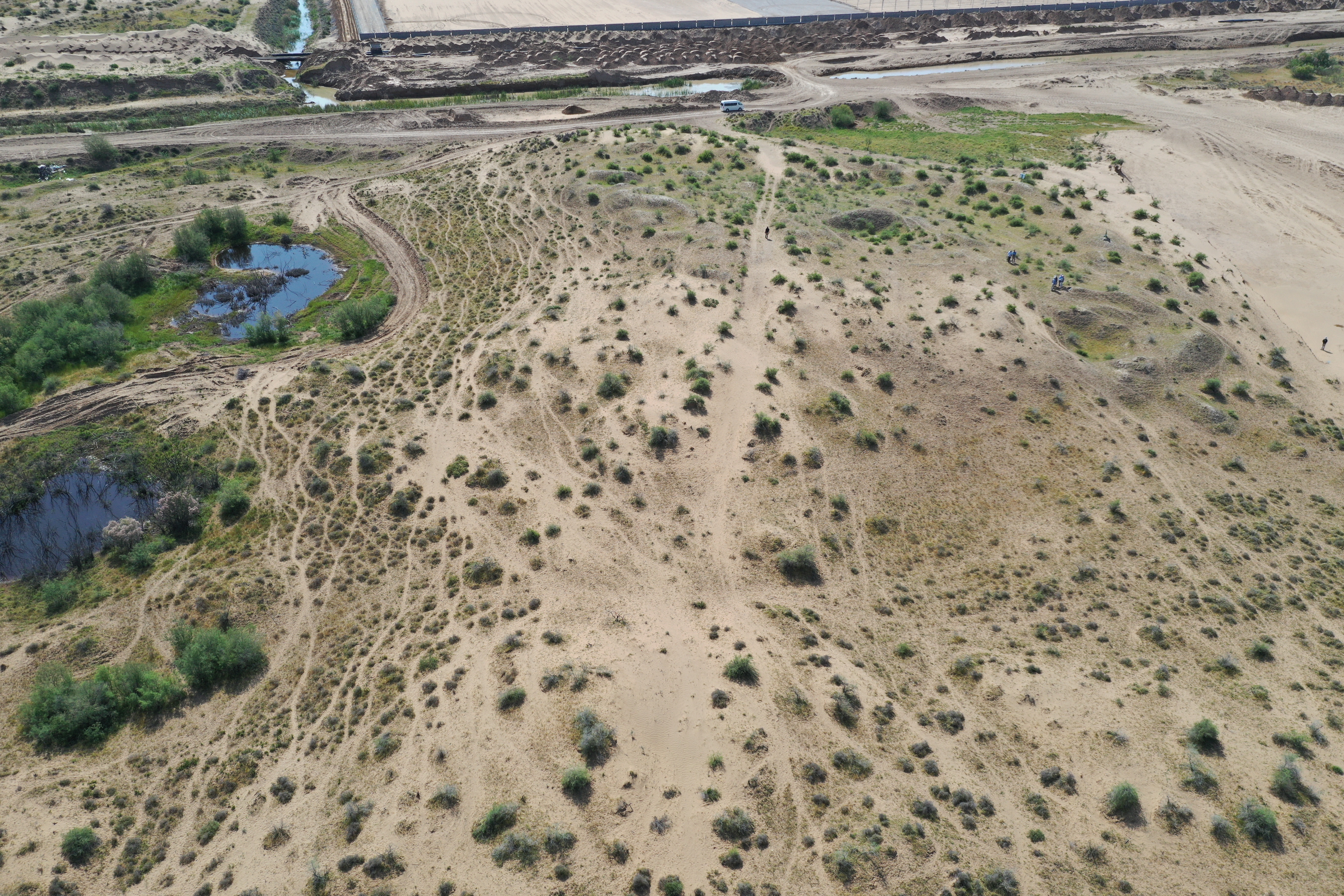
Jeitun is a significant Neolithic archaeological site located in southern Turkmenistan, dating from approximately 7200 to 4500 BCE. It is renowned for its distinctive domestic structures, comprising rectangular houses made from sun-dried cylindrical clay blocks and featuring lime-plastered floors. The settlement covers an estimated 5,000 square meters and consists of about 30 houses, which could accommodate 150 to 200 individuals. Jeitun culture is particularly notable for its early adoption of agriculture, with evidence of barley and wheat cultivation, as well as domesticated sheep and goats. The site provides critical insights into early Neolithic life in Central Asia and reflects cultural connections with other Neolithic sites in the Zagros Mountains.
Gallery
Explore photographs of ancient structures, artifacts, and archaeological excavations
Historical Timeline
Journey through time and discover key events in this site's history
Earliest Settlement
7200 BCE
End of Occupation
4500 BCE
Archaeological Features
Unique architectural and cultural elements found at this historical site
Animal Husbandry Features
Artistic and Decorative Features
Agricultural and Land Use Features
Domestic and Habitation Structures
Frequently Asked Questions
Plan Your Visit
Tours, travel arrangements, and practical information
More Sites in Turkmenistan
Togolok
Neolithic settlement with BMAC temple fortress.
Cave of Dzhebel
Cave with Mesolithic to Bronze Age artifacts
Ulug Depe
Bronze Age mound with stratigraphic sequence
Namazga-Tepe
Bronze Age urban settlement site in Turkmenistan.
Monjukli Depe
Neolithic-Chalcolithic settlement in Turkmenistan

Abiward
Ancient Sassanid city in Turkmenistan.