Explore the Map
Monjukli Depe
36.8483° N, 60.4178° E
About
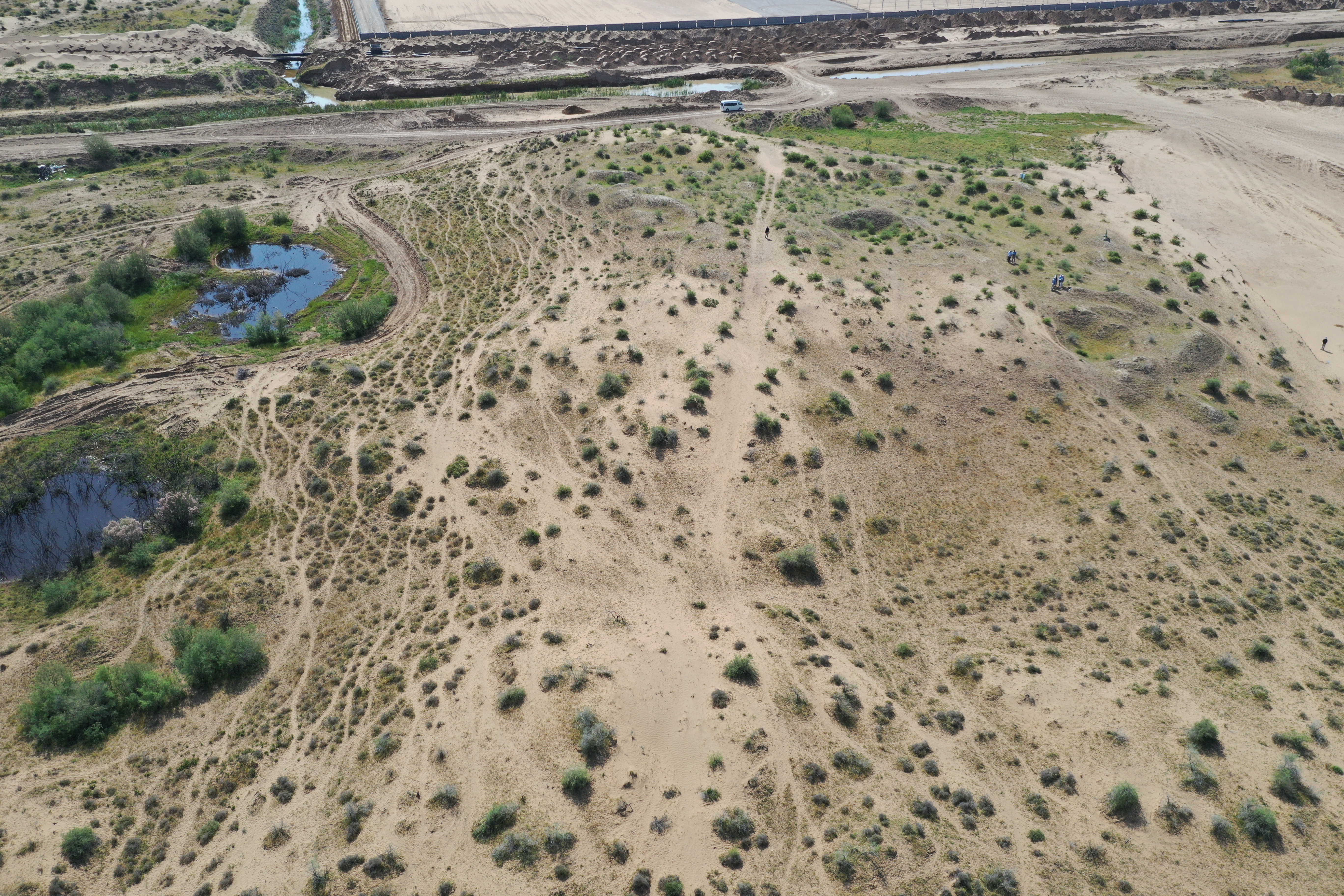
Monjukli Depe is an archaeological site located in the arid plains of south Turkmenistan, near the Kopet Dag mountains. This site provides valuable insights into the transition from Neolithic to Chalcolithic cultures, with layers dating from approximately 6200 BCE to 4340 BCE. The Neolithic phase is characterized by the presence of the Jeitun culture, followed by a significant settlement hiatus and subsequent Chalcolithic resettlement. Archaeological features include standardized square houses, livestock enclosures, and artistic elements such as murals. The inhabitants primarily engaged in herding sheep and goats, agriculture, and ritual activities involving cattle. Monjukli Depe's significance lies in its well-preserved stratigraphy, which helps establish regional chronological frameworks and cultural developments during the Neolithic and Chalcolithic periods in Central Asia.
Historical Timeline
Journey through time and discover key events in this site's history
Neolithic Occupation
6200 BCE - 5600 BCE
Settlement Break
5600 BCE
Chalcolithic Resettlement
4650 BCE - 4340 BCE
Archaeological Features
Unique architectural and cultural elements found at this historical site
Animal Husbandry Features
Artistic and Decorative Features
Domestic and Habitation Structures
Food Production and Processing Features
Plan Your Visit
Tours, travel arrangements, and practical information
More Sites in Turkmenistan
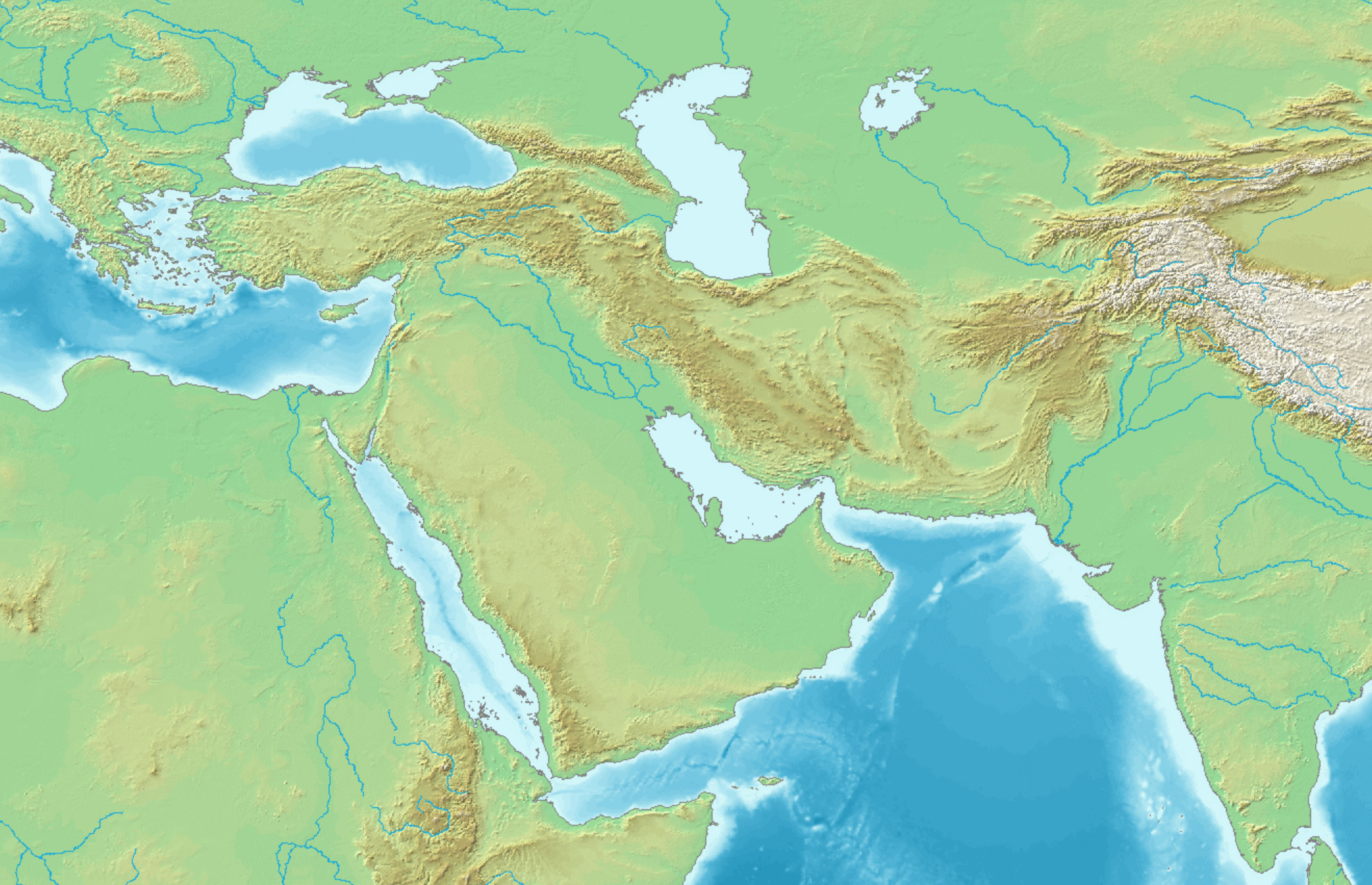
Namazga-Tepe
Bronze Age urban settlement site in Turkmenistan.
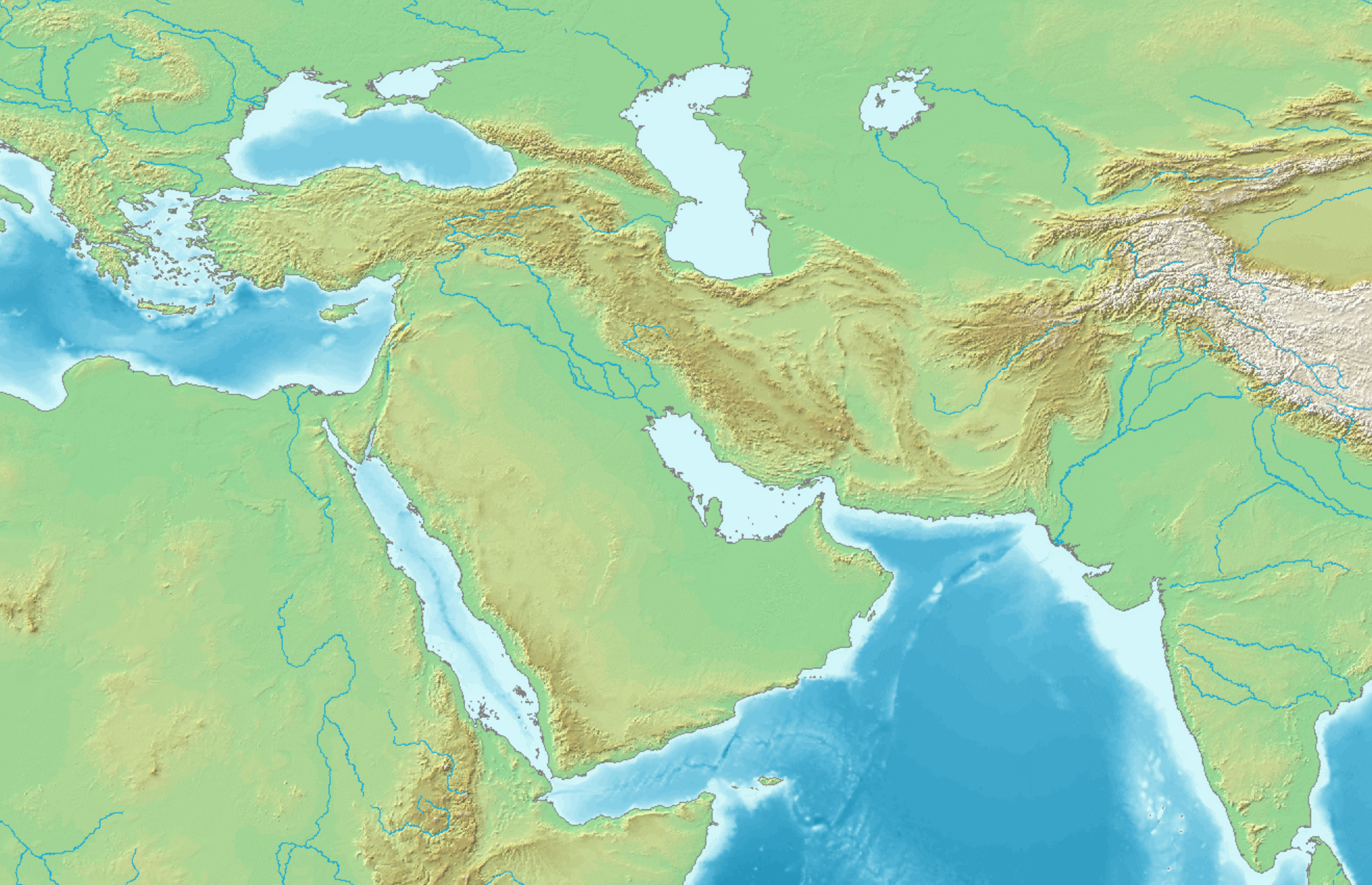
Ulug Depe
Bronze Age mound with stratigraphic sequence
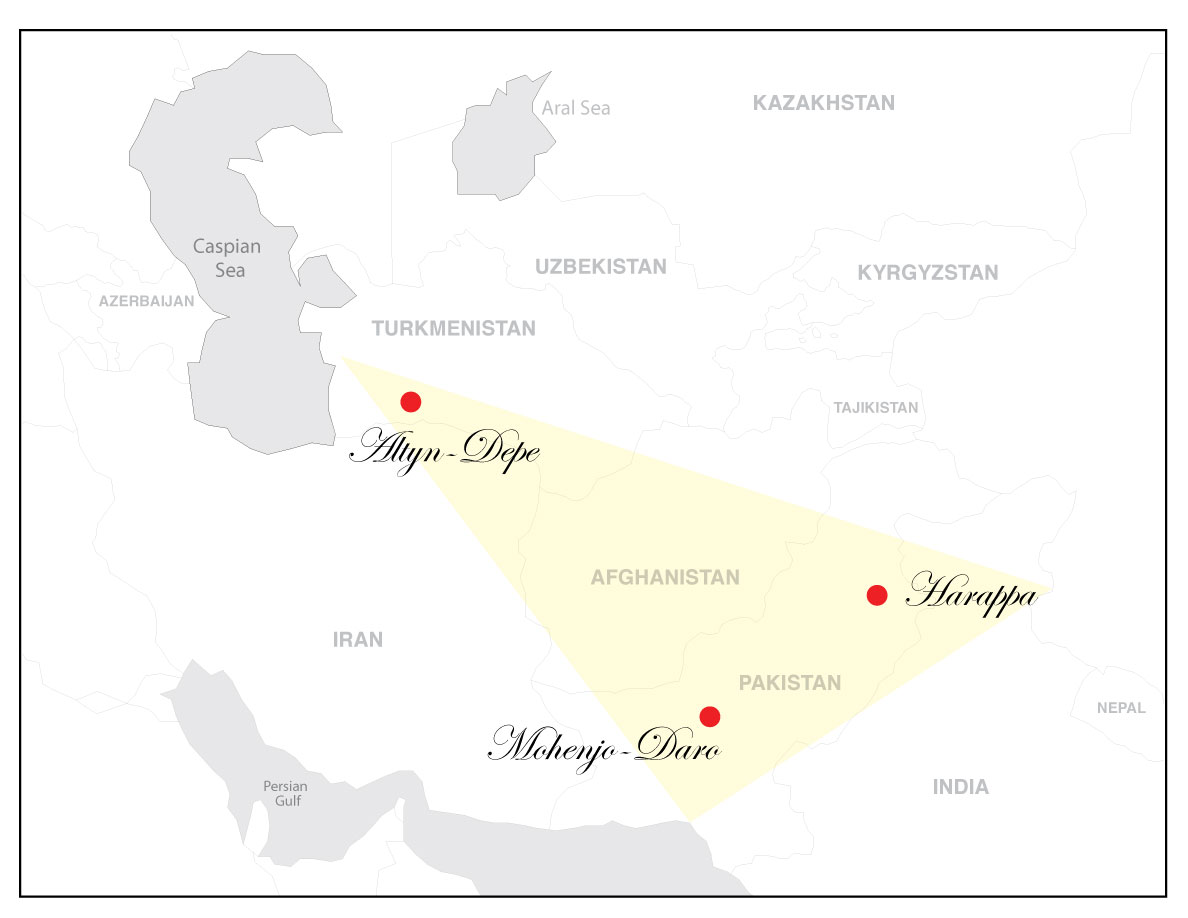
Altyndepe
Bronze Age urban site with ziggurat.
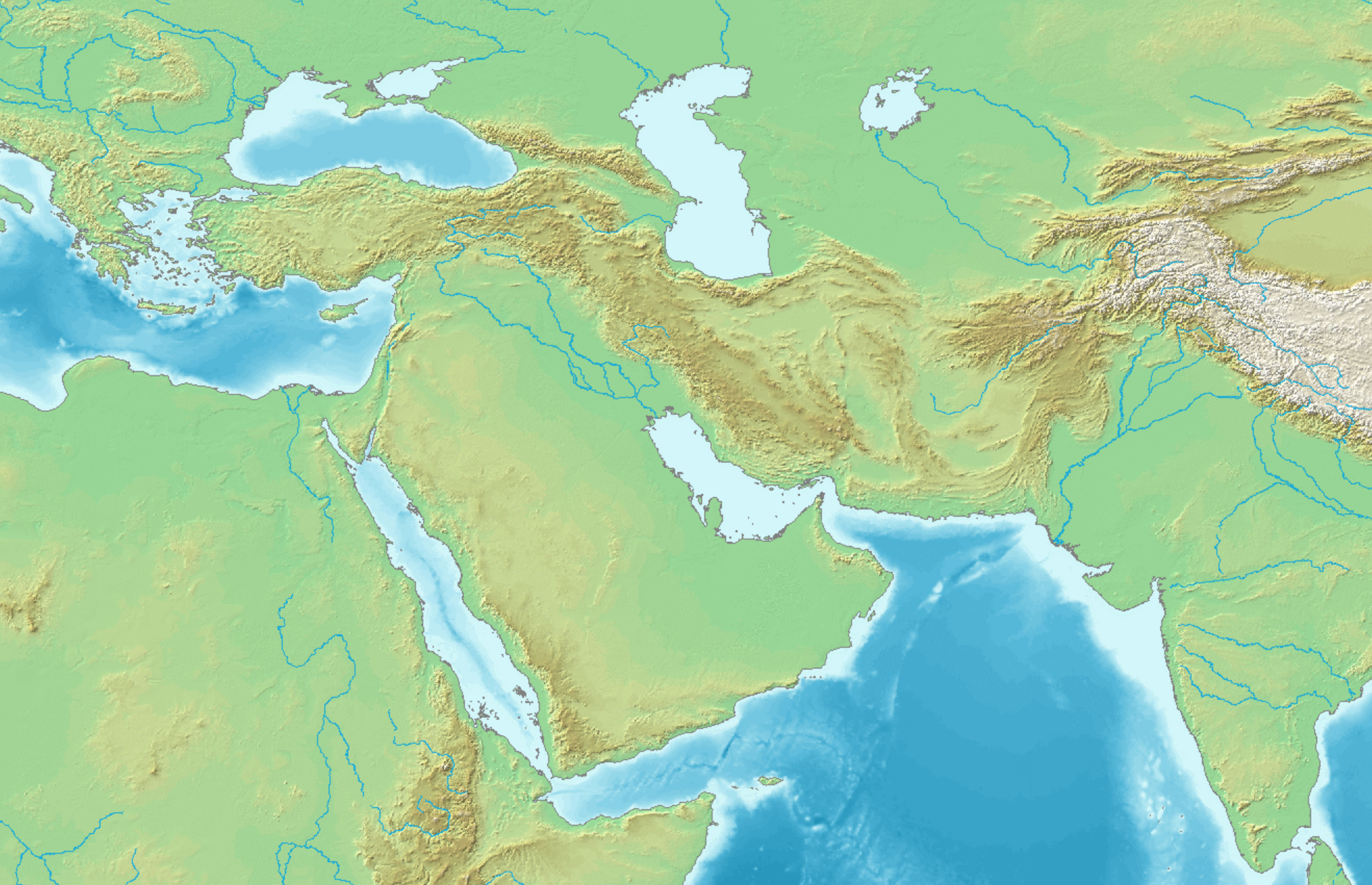
Cave of Dzhebel
Cave with Mesolithic to Bronze Age artifacts
Togolok
Neolithic settlement with BMAC temple fortress.
Jeitun
Neolithic settlement with clay block houses