Explore the Map
Berezan Island
46.6000° N, 31.4100° E
About
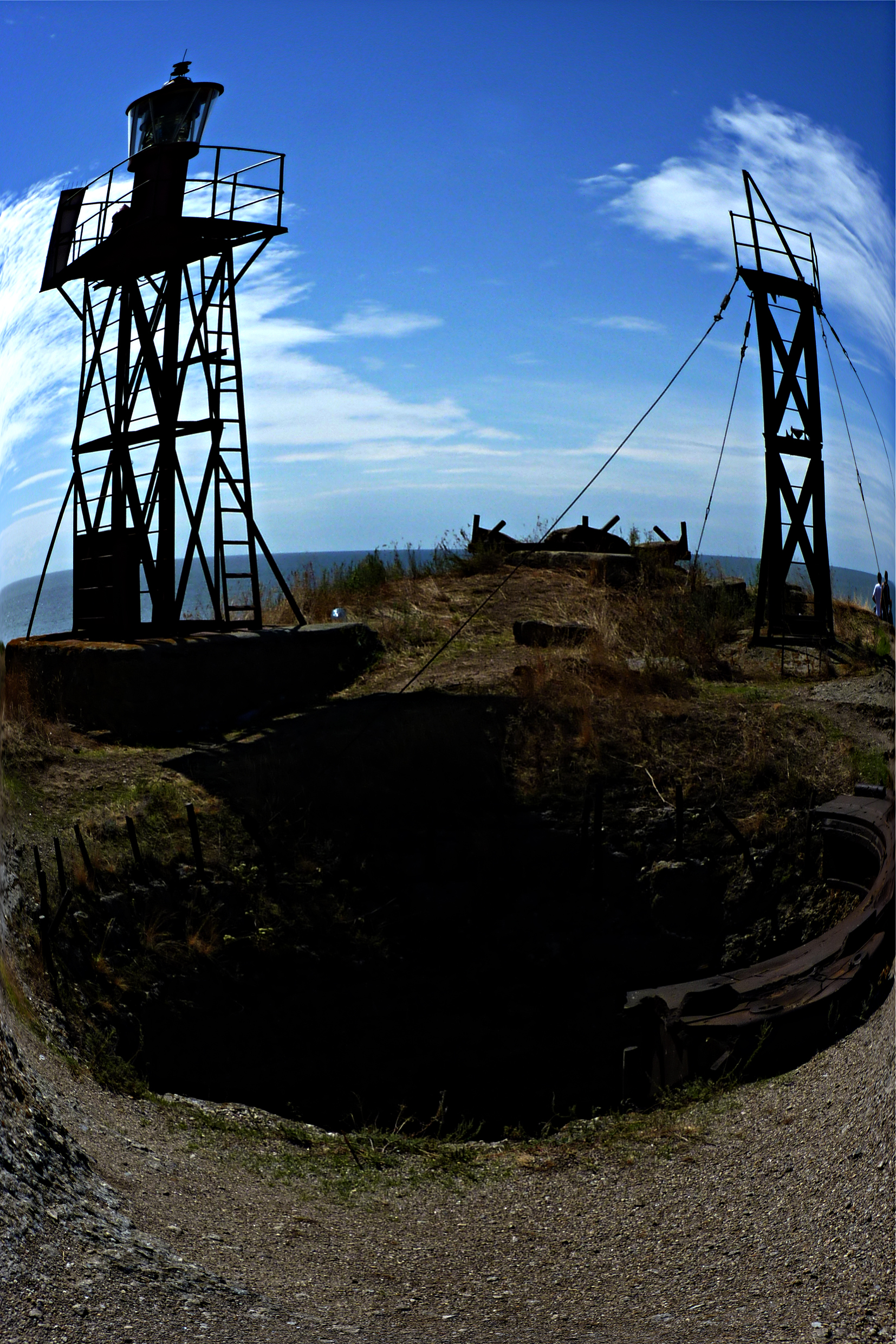
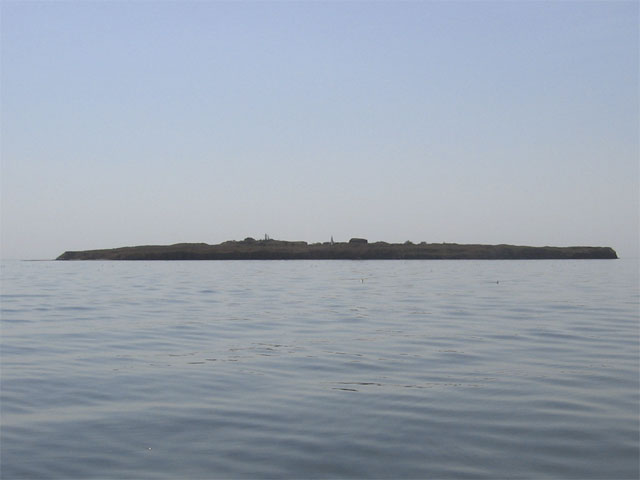
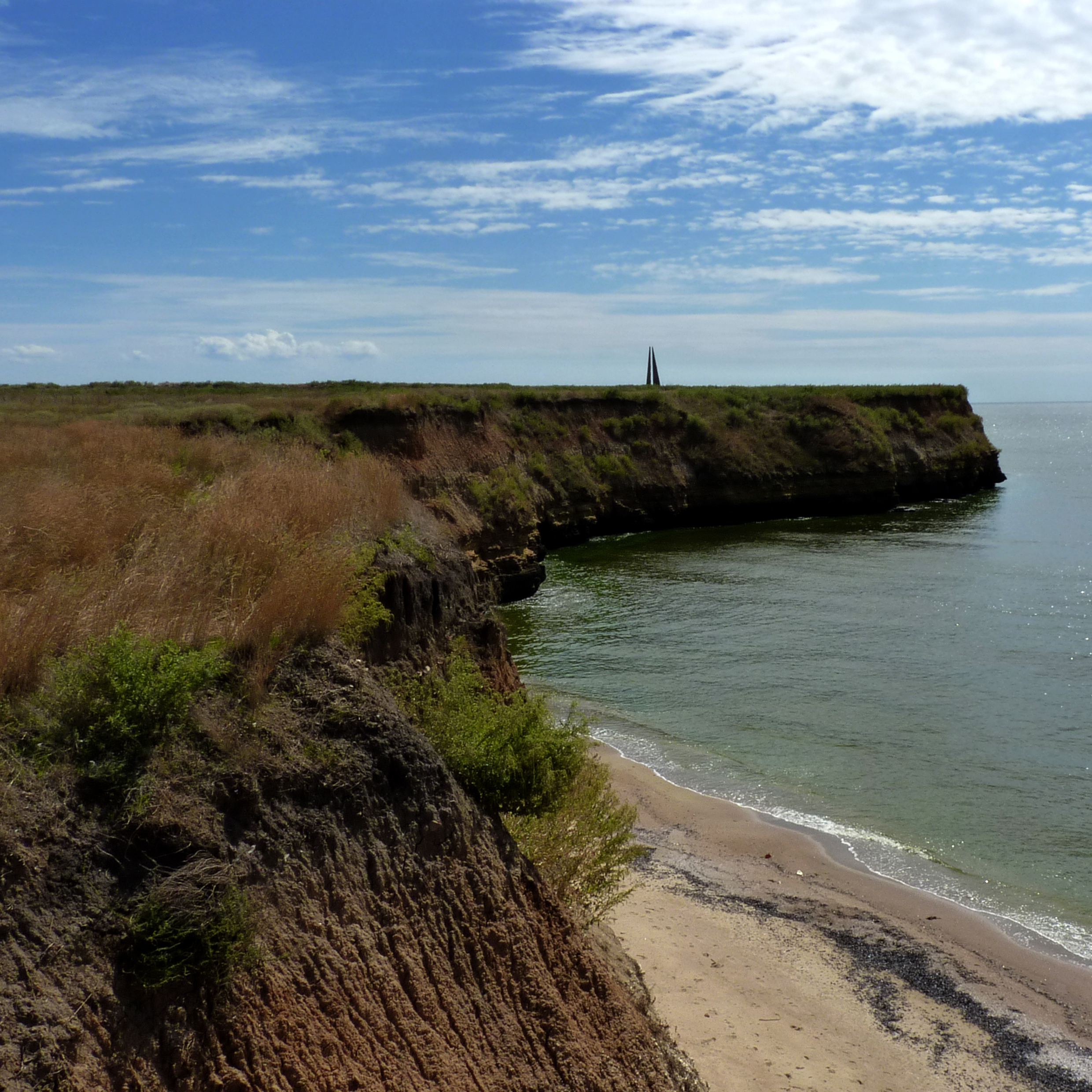
Berezan Island, located at the entrance of the Dnieper-Bug Estuary in present-day Ukraine, holds significant archaeological and historical importance. The island was initially settled by Greeks in the mid-7th century BCE, forming one of the earliest colonies in the northern Black Sea region. The colony was abandoned by the end of the 5th century BCE as Olbia rose to prominence. The island later played a strategic military role during the Middle Ages, particularly for Kievan Rus' and during the Rus'–Byzantine conflicts. Notably, the Berezan' Runestone, a unique Runic inscription, was discovered on the island, indicating its role in Varangian trade routes. In the 16th and 17th centuries, Zaporozhian Cossacks fortified the island, which was later absorbed into the Russian Empire and saw further military use in the 20th and 21st centuries. Berezan continues to be an archaeological site of interest, reflecting a rich layer of historical occupations and interactions.
Gallery
Explore photographs of ancient structures, artifacts, and archaeological excavations
Historical Timeline
Journey through time and discover key events in this site's history
Greek colony established
650 BCE
Greek colony abandoned
500 BCE
Herodotus visits island
450 BCE
Varangian contact period
850 CE
Berezan' Runestone placed
1005 CE
Cossack fortification period
1550 CE
Russian Empire incorporation
1792 CE
WWII Romanian occupation
1942 CE
Munitions depot construction
2023 CE
Archaeological Features
Unique architectural and cultural elements found at this historical site
Defensive Structures
Miscellaneous Features
Burial and Funerary Structures
Plan Your Visit
Tours, travel arrangements, and practical information

More Sites in Ukraine
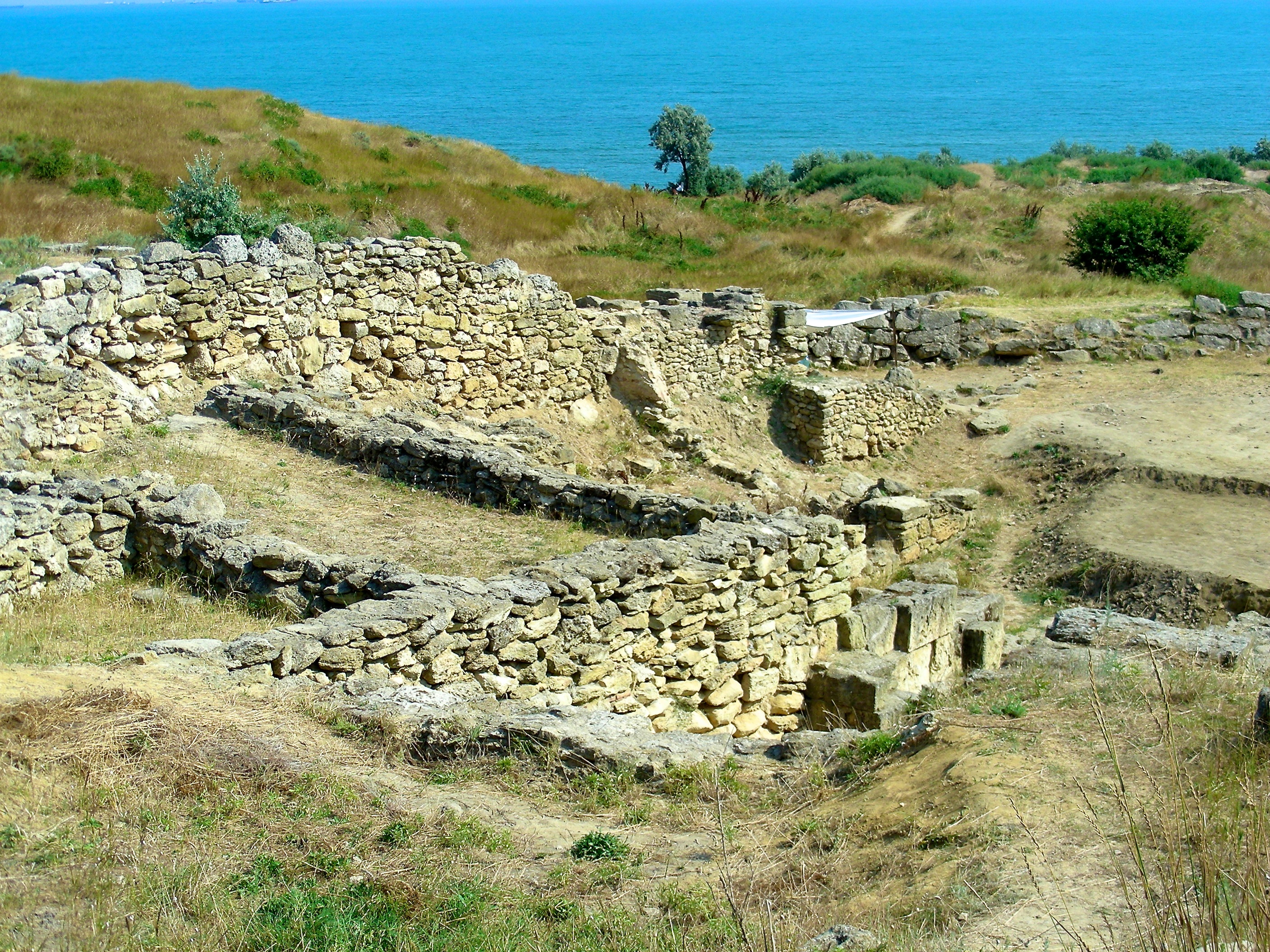
Nymphaion (Crimea)
Ancient Greek city with defensive advantages
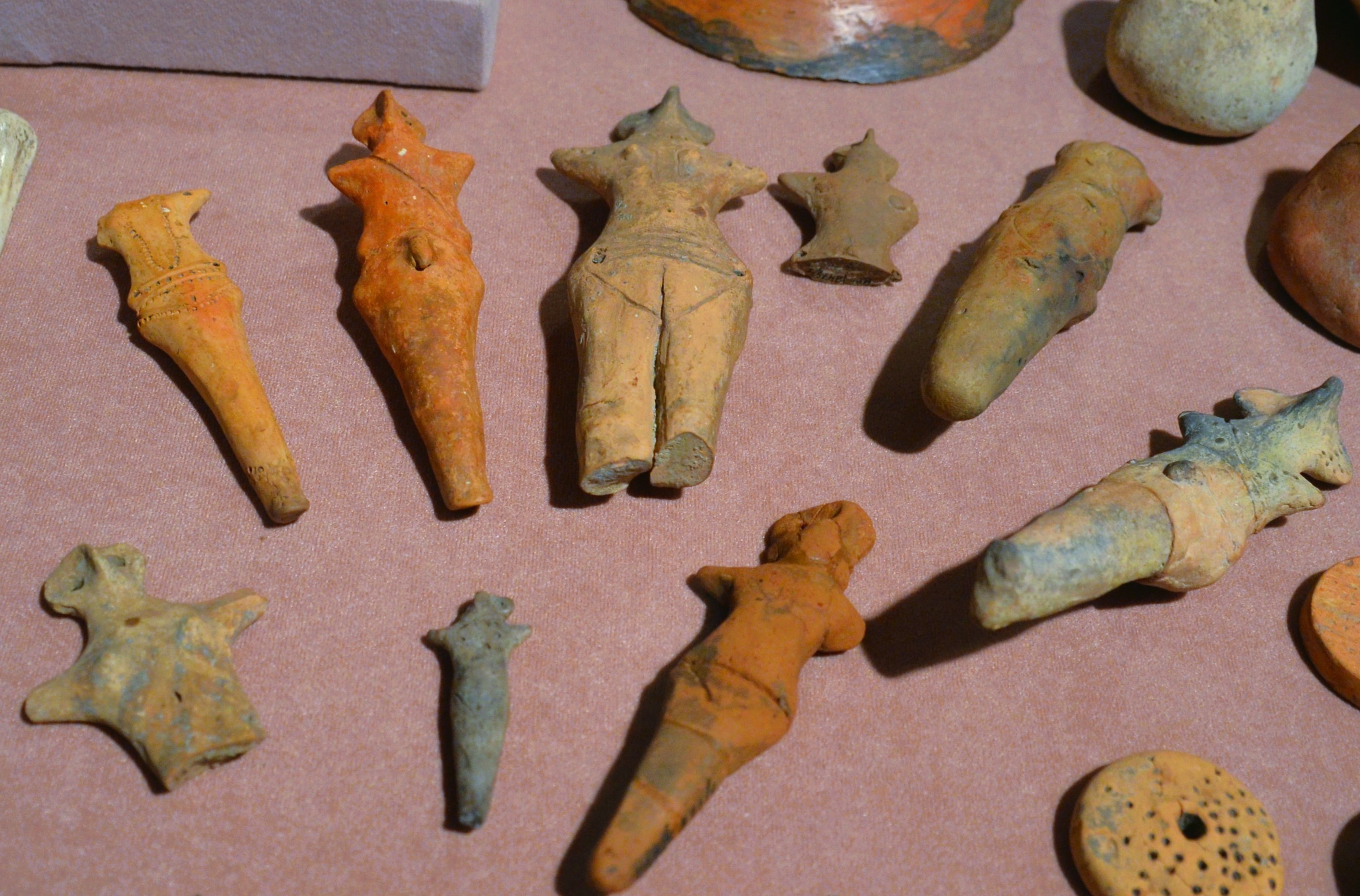
Verteba Cave
Gypsum cave with Copper Age artifacts
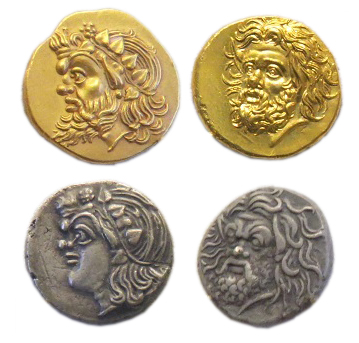
Pantikapaion
Ancient Greek city with notable ruins.
Burial ground of Cherneliv-Ruskyi
Extensive Chernyakhov culture burial ground
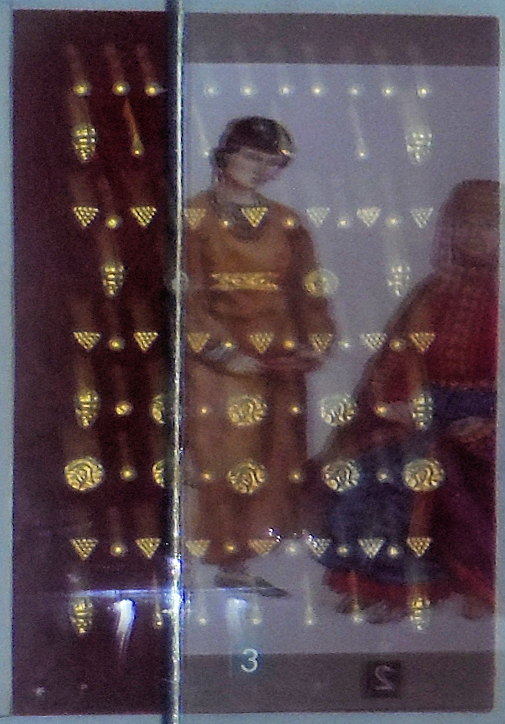
Melitopol kurgan
Scythian burial mound with rich artifacts
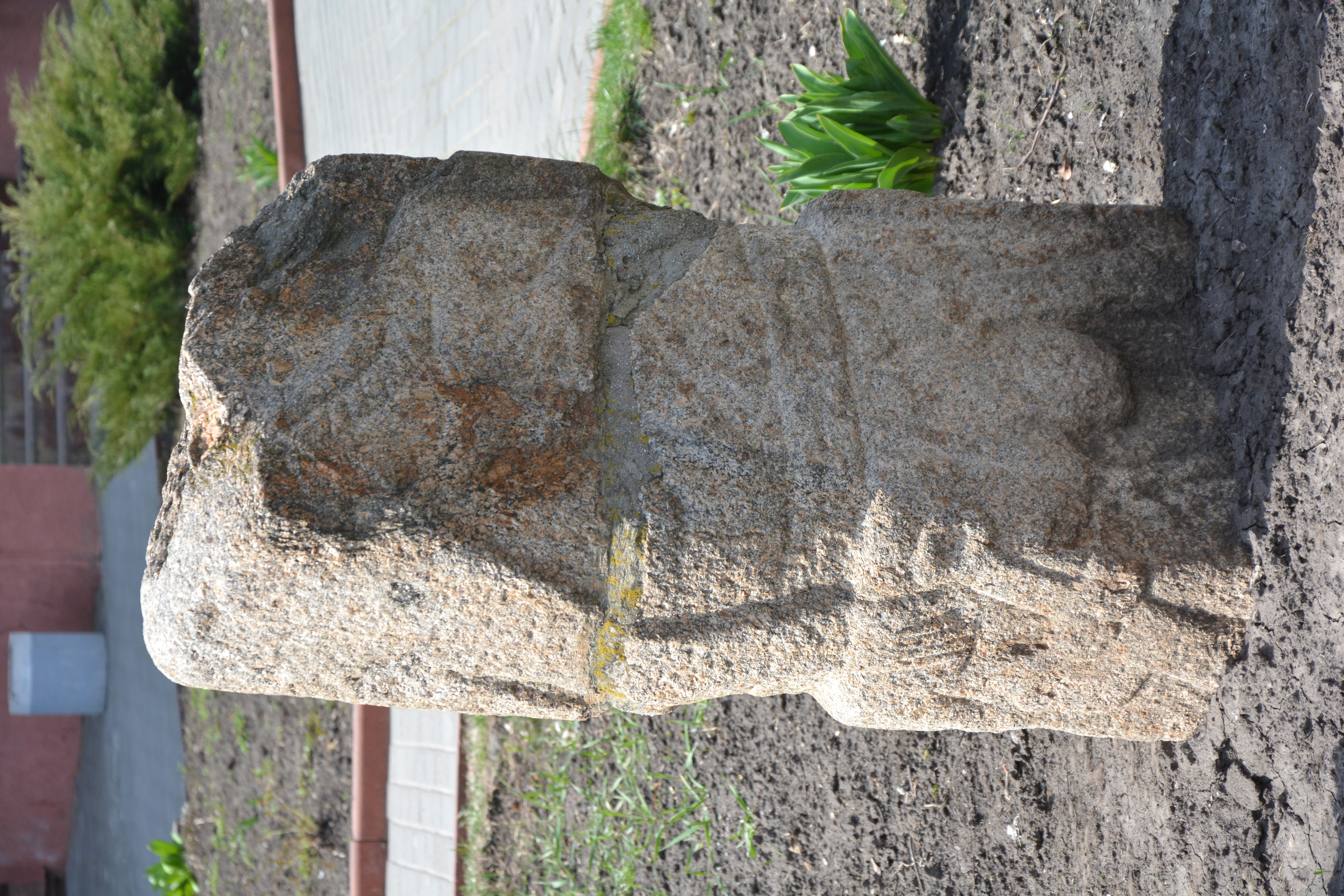
Melgunov Kurgan
Ancient Scythian burial mound with golden artifacts.