

Explore the Map
Chersonesus
44.6117° N, 33.4933° E
About
Chersonesus, an ancient Greek colony founded in the 6th century BCE, is located on the Crimean Peninsula near modern Sevastopol. The site, which remained active through the Classical and Byzantine periods, showcases a blend of Greek, Roman, and Byzantine influences in its architecture and urban planning. Key features include defensive walls, a Roman amphitheatre, and religious structures like temples and basilicas. The city experienced shifts in governance from democracy to oligarchy and later fell under Roman and Byzantine control, serving as a strategic outpost. It was notably captured by Vladimir the Great of the Kievan Rus' and later sacked by Mongol forces. Abandoned by the late 14th century, the site offers valuable insights into ancient cultural dynamics and is recognized as a UNESCO World Heritage Site.
Gallery
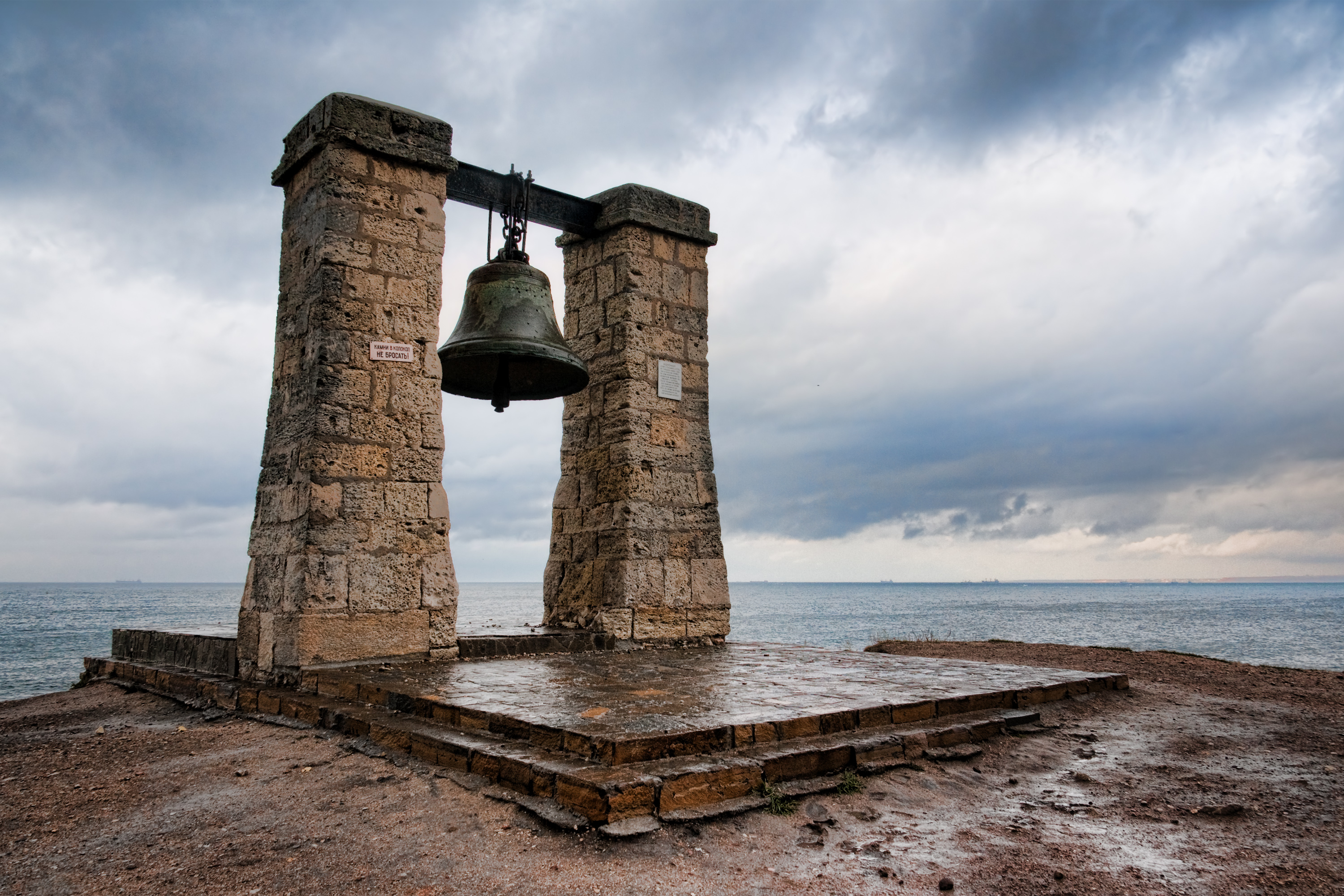
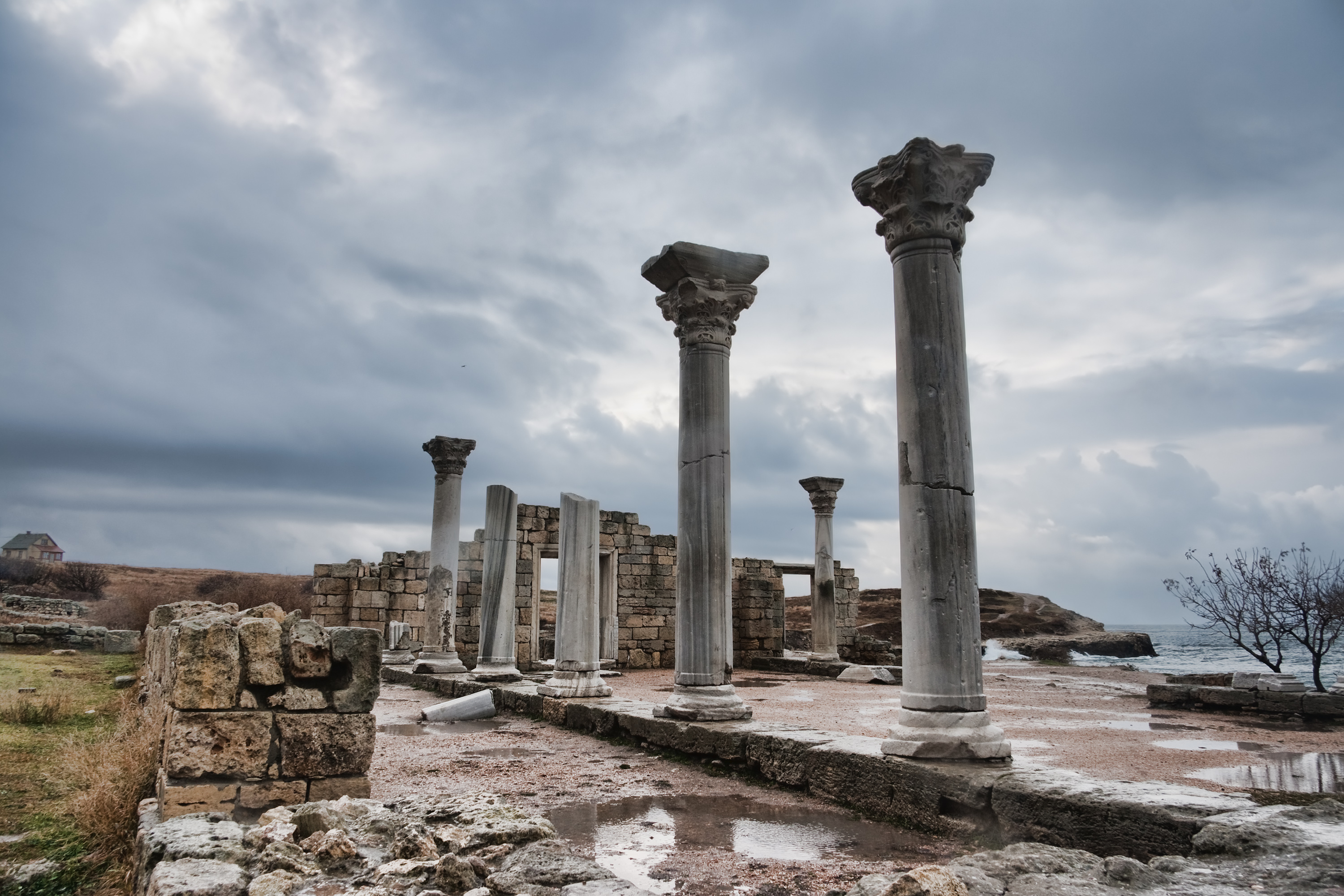
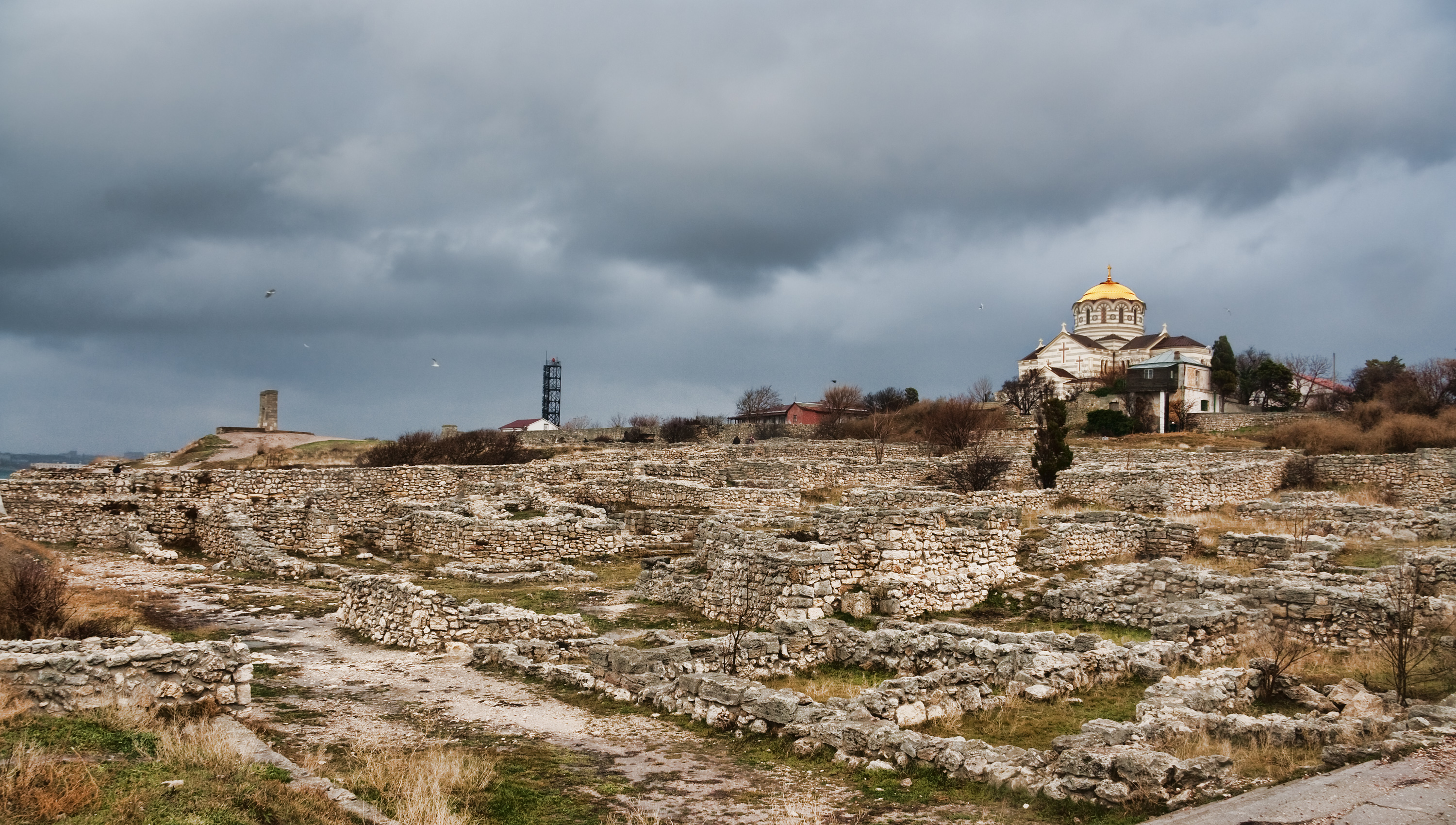
Explore photographs of ancient structures, artifacts, and archaeological excavations
Historical Timeline
Journey through time and discover key events in this site's history
Colony Established
6th century BCE
Roman Control
1st century BCE
Democracy to Oligarchy
Classical Period
Byzantine Possession
581 CE
Kievan Rus' Occupation
988 CE
Mongol Sack
1299 CE
Abandonment
14th century CE
Archaeological Features
Unique architectural and cultural elements found at this historical site
Defensive Structures
Public and Civic Structures
Burial and Funerary Structures
Religious and Ritual Structures
Artistic and Decorative Features
Domestic and Habitation Structures
Plan Your Visit
Tours, travel arrangements, and practical information
More Sites in Ukraine
Berezan Island
Uninhabited island with ancient Greek colony remains
Burial ground of Cherneliv-Ruskyi
Extensive Chernyakhov culture burial ground
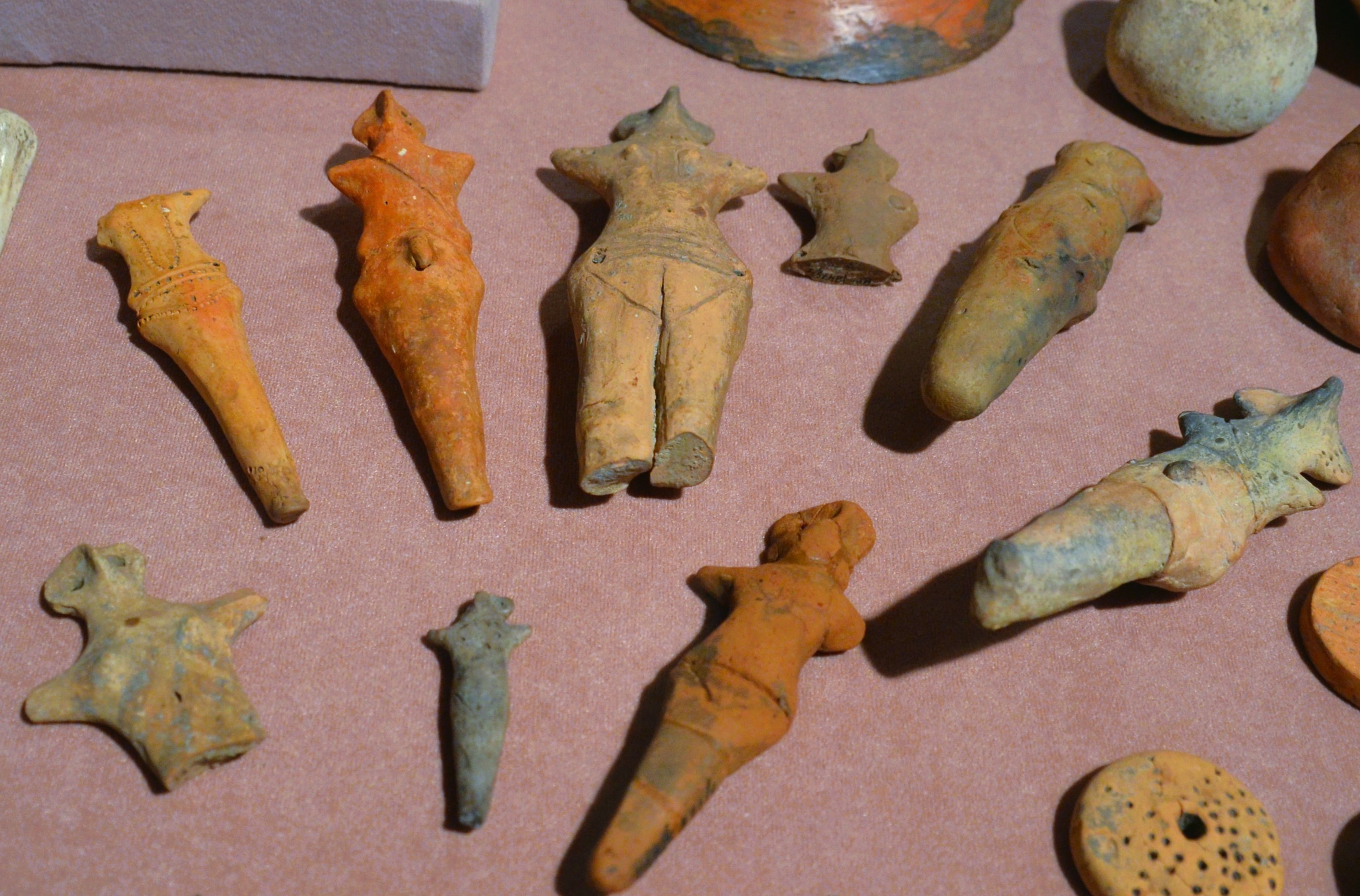
Verteba Cave
Gypsum cave with Copper Age artifacts
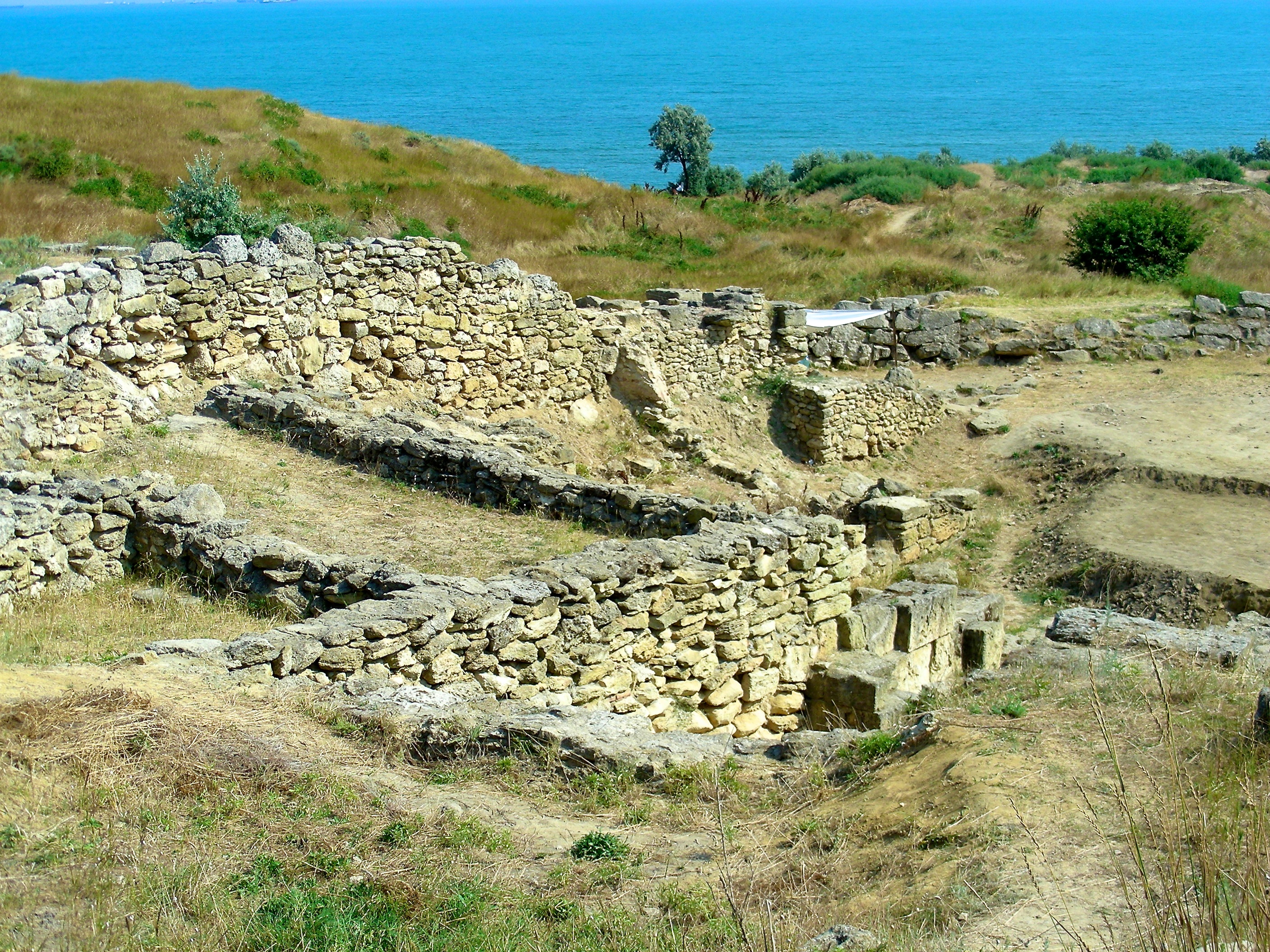
Nymphaion (Crimea)
Ancient Greek city with defensive advantages
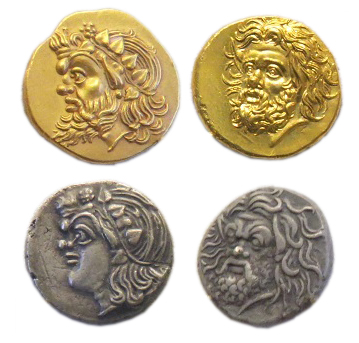
Pantikapaion
Ancient Greek city with notable ruins.
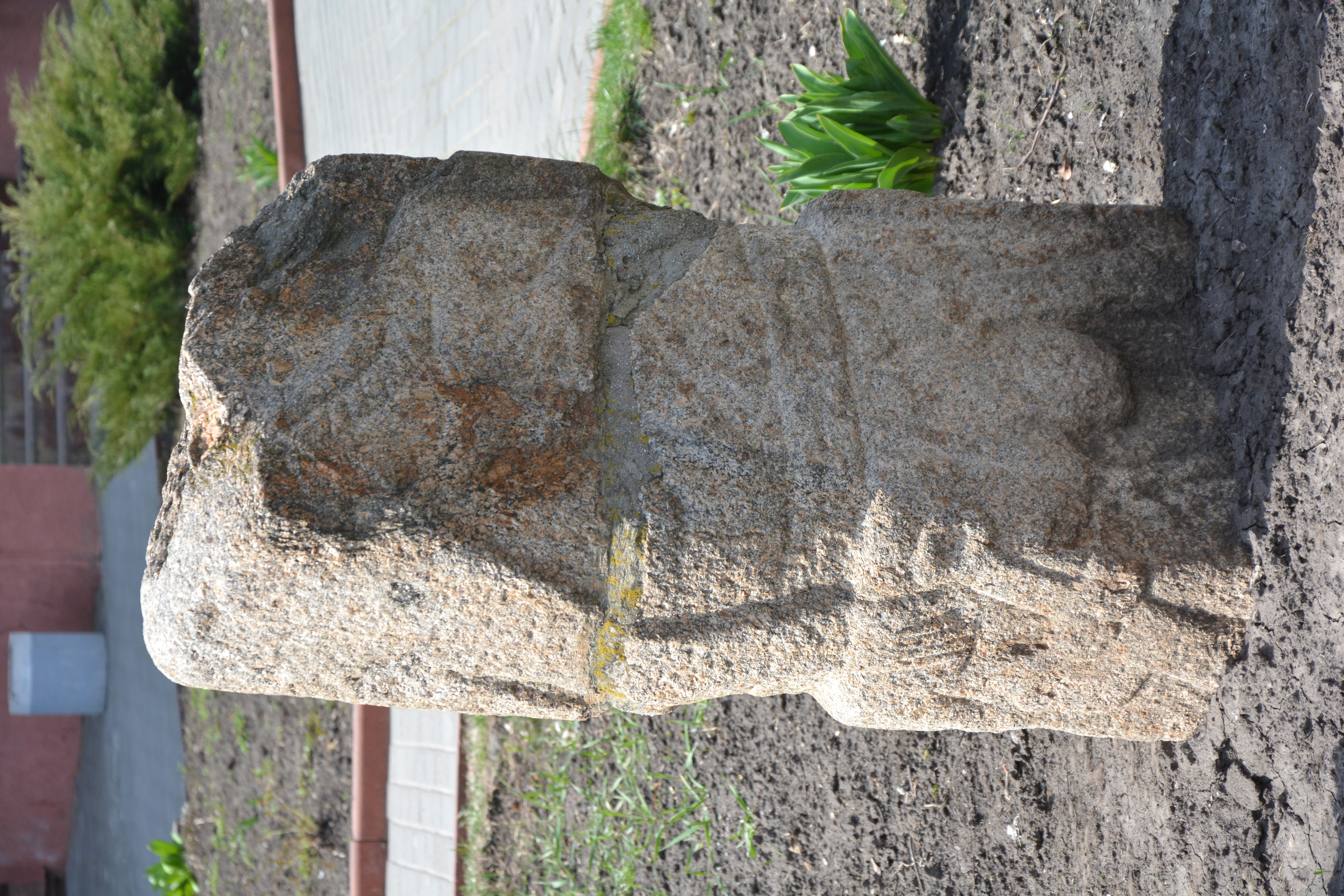
Melgunov Kurgan
Ancient Scythian burial mound with golden artifacts.