Explore the Map
Kafir-kala (Uzbekistan)
39.5720° N, 67.0215° E
About
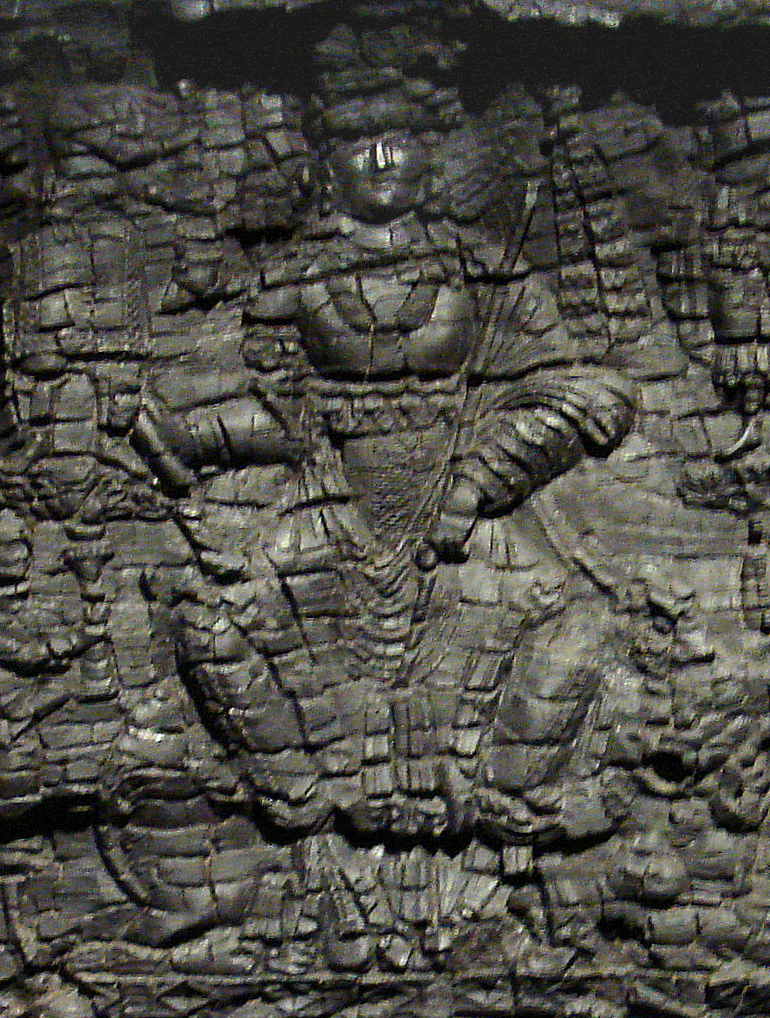
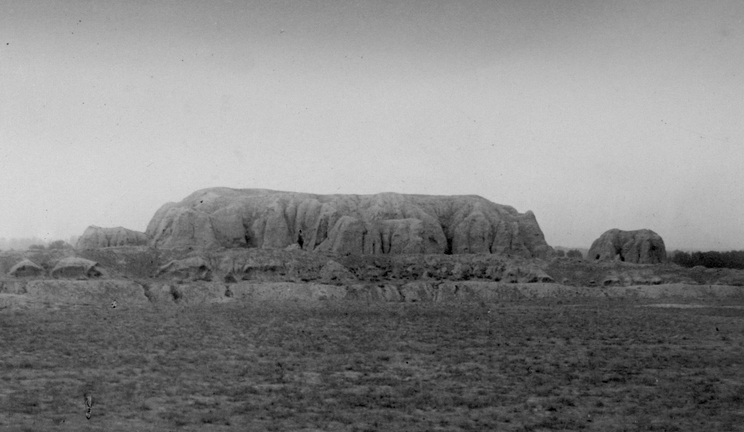
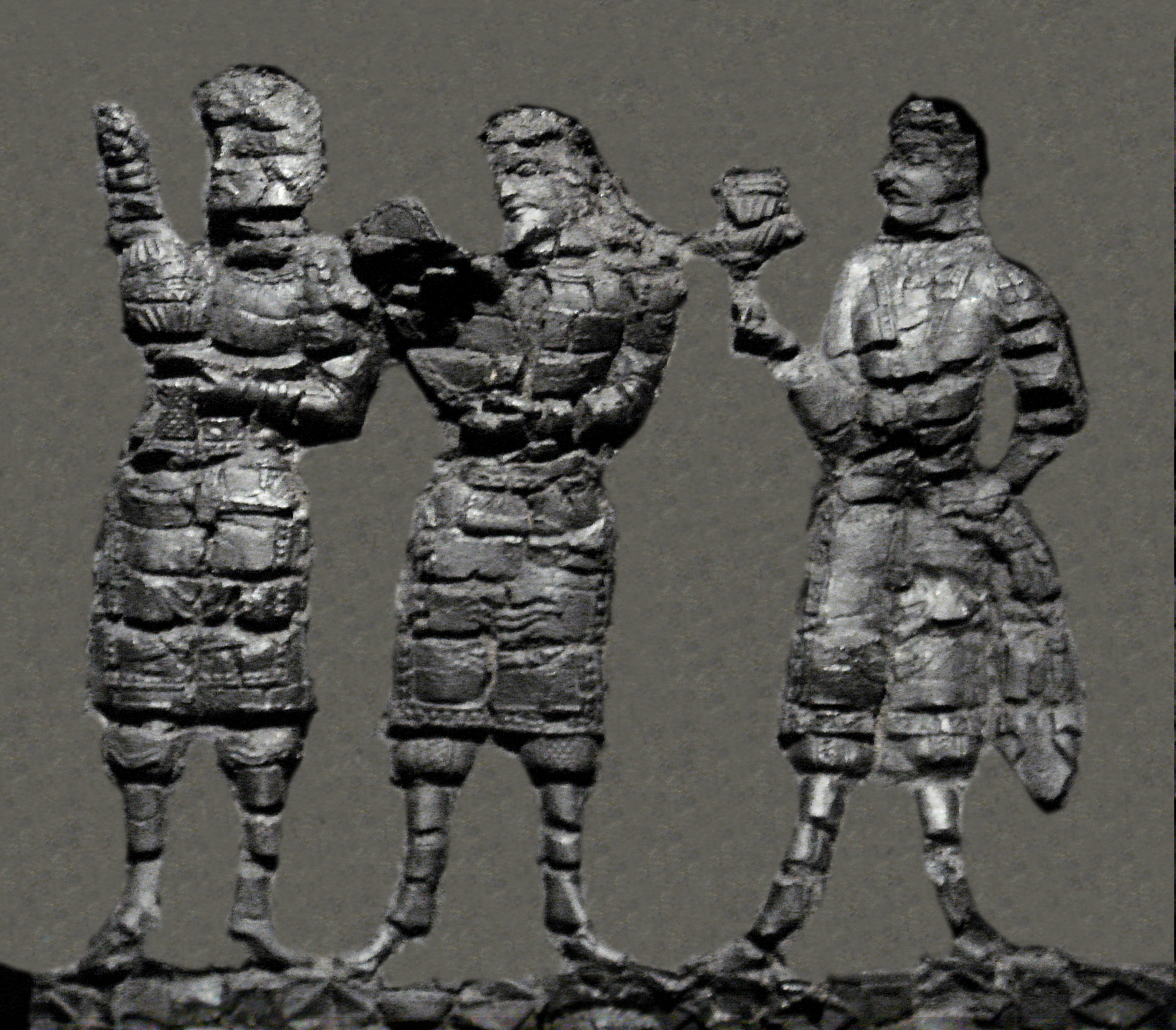
Kafir-kala is an ancient fortress located 12 kilometers south of Samarkand, Uzbekistan, serving as a defensive structure for the southern border of the Samarkand oasis. Constructed primarily of mud-bricks, the central citadel measures 75 by 75 meters and is fortified with six towers and a surrounding moat, still visible today. Notably, the site was first occupied by the Kidarites in the 4th to 5th centuries CE, as evidenced by the discovery of their coinage and seals. A significant archaeological find at the site includes a calcinated wooden gate from the early 6th century CE, adorned with scenes of adoration for the goddess Nana. The site provides critical insight into the transition from Sogdian to Islamic rule, highlighted by its destruction during the Islamic conquest of Samarkand in 712 CE. The presence of a Zoroastrian ossuary and numerous artistic features further underscores the site's historical and cultural significance.
Gallery
Explore photographs of ancient structures, artifacts, and archaeological excavations
Historical Timeline
Journey through time and discover key events in this site's history
Kidarite Occupation
300 CE – 500 CE
Wooden Gate Creation
500 CE – 550 CE
Islamic Conquest
712 CE
Archaeological Features
Unique architectural and cultural elements found at this historical site
Defensive Structures
Burial and Funerary Structures
Artistic and Decorative Features
Frequently Asked Questions
Plan Your Visit
Tours, travel arrangements, and practical information


More Sites in Uzbekistan
Qirqqiz Fortress
Ruined fortress with monumental architecture
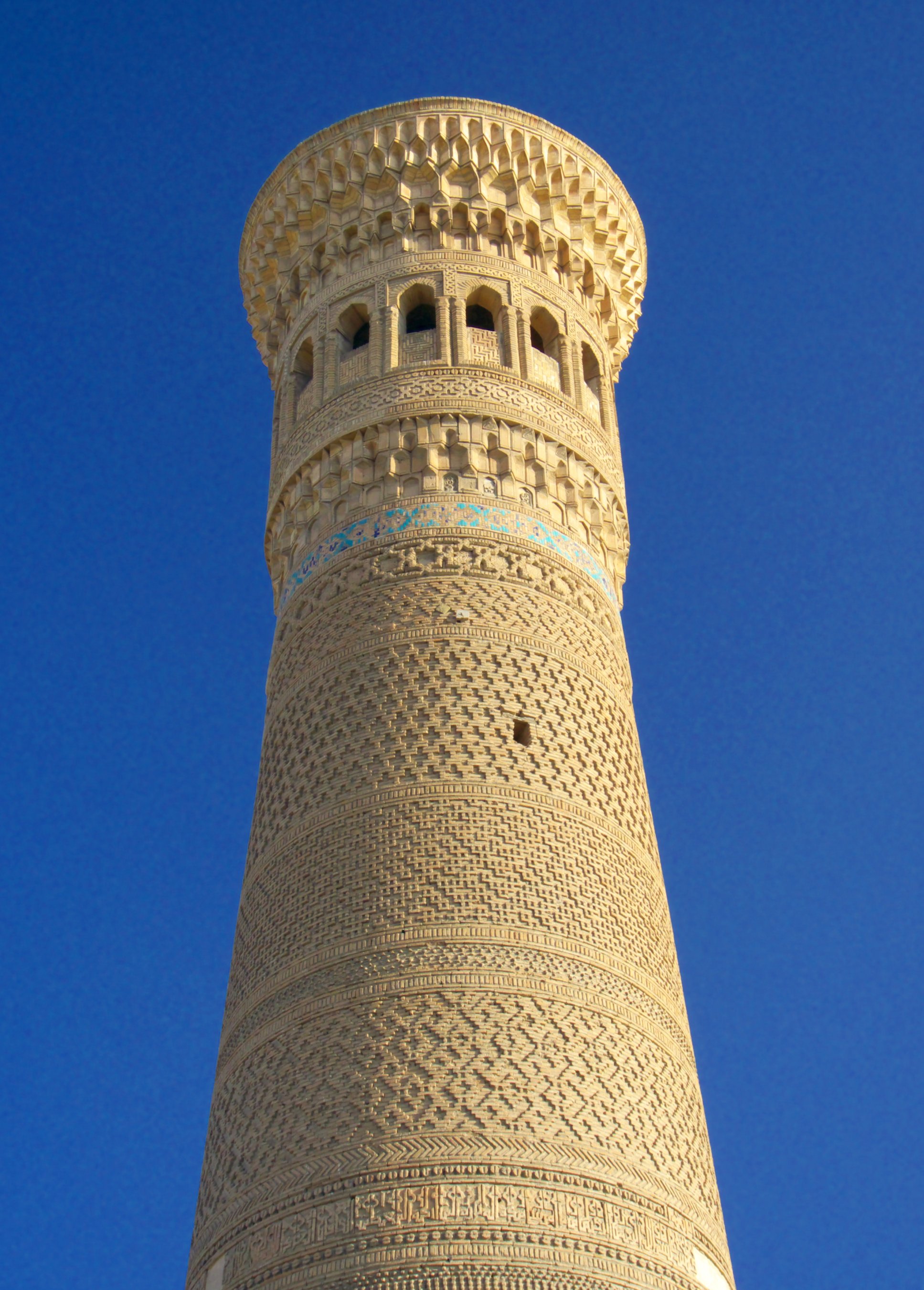
Varakhsha
Ancient city in Bukhara oasis, Sogdia.
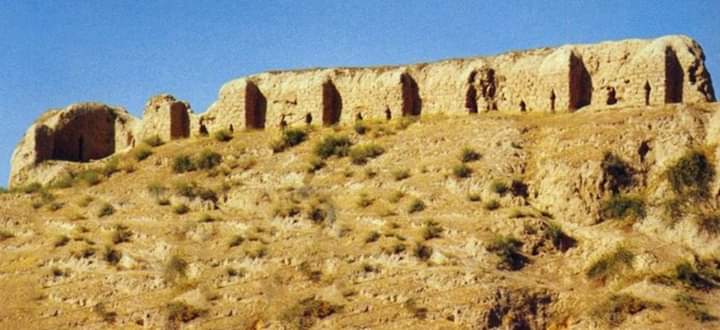
Afrasiyab (Samarkand)
Ancient Samarkand site with defensive features
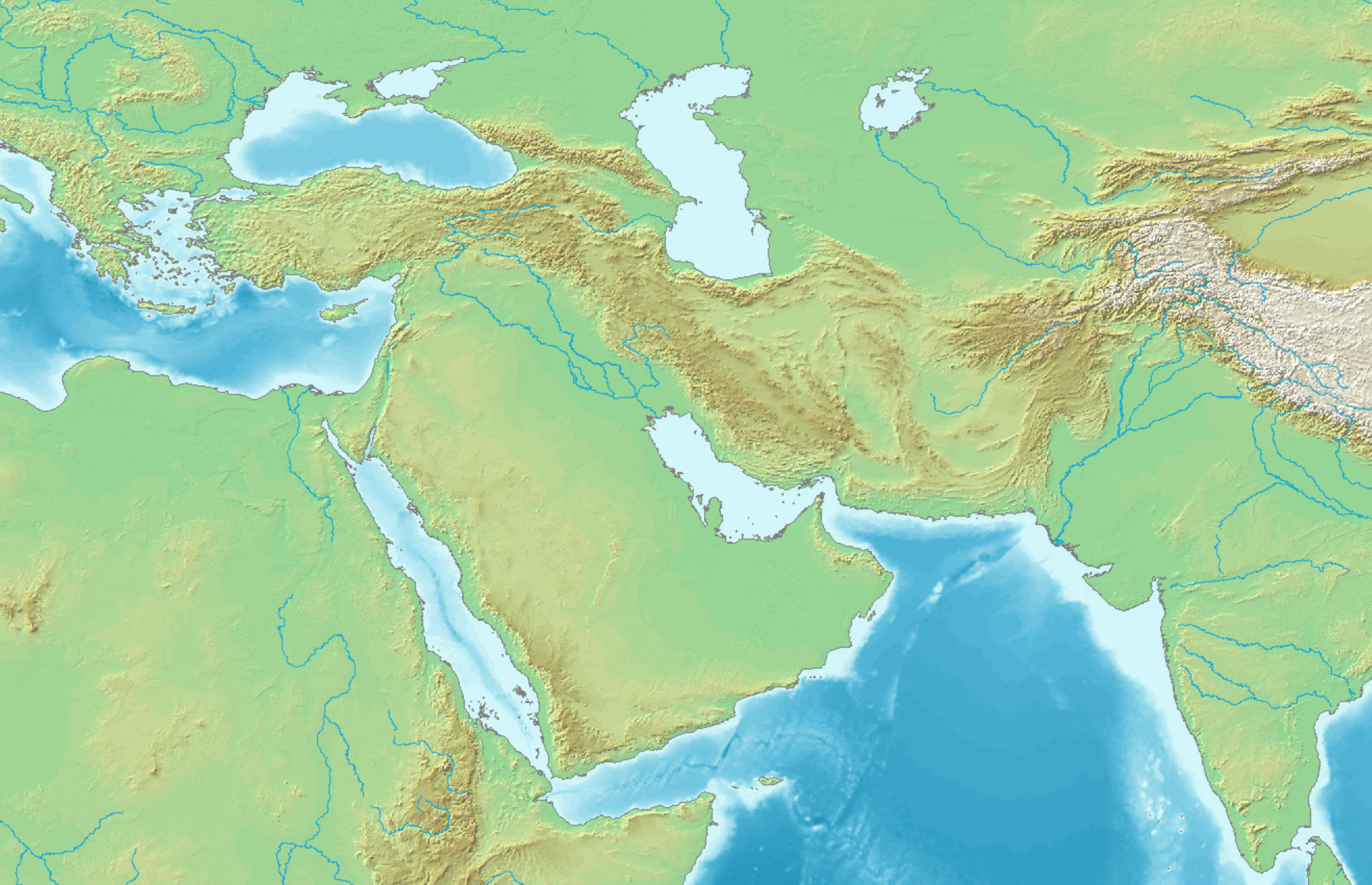
Djarkutan
Proto-urban settlement with monumental buildings.
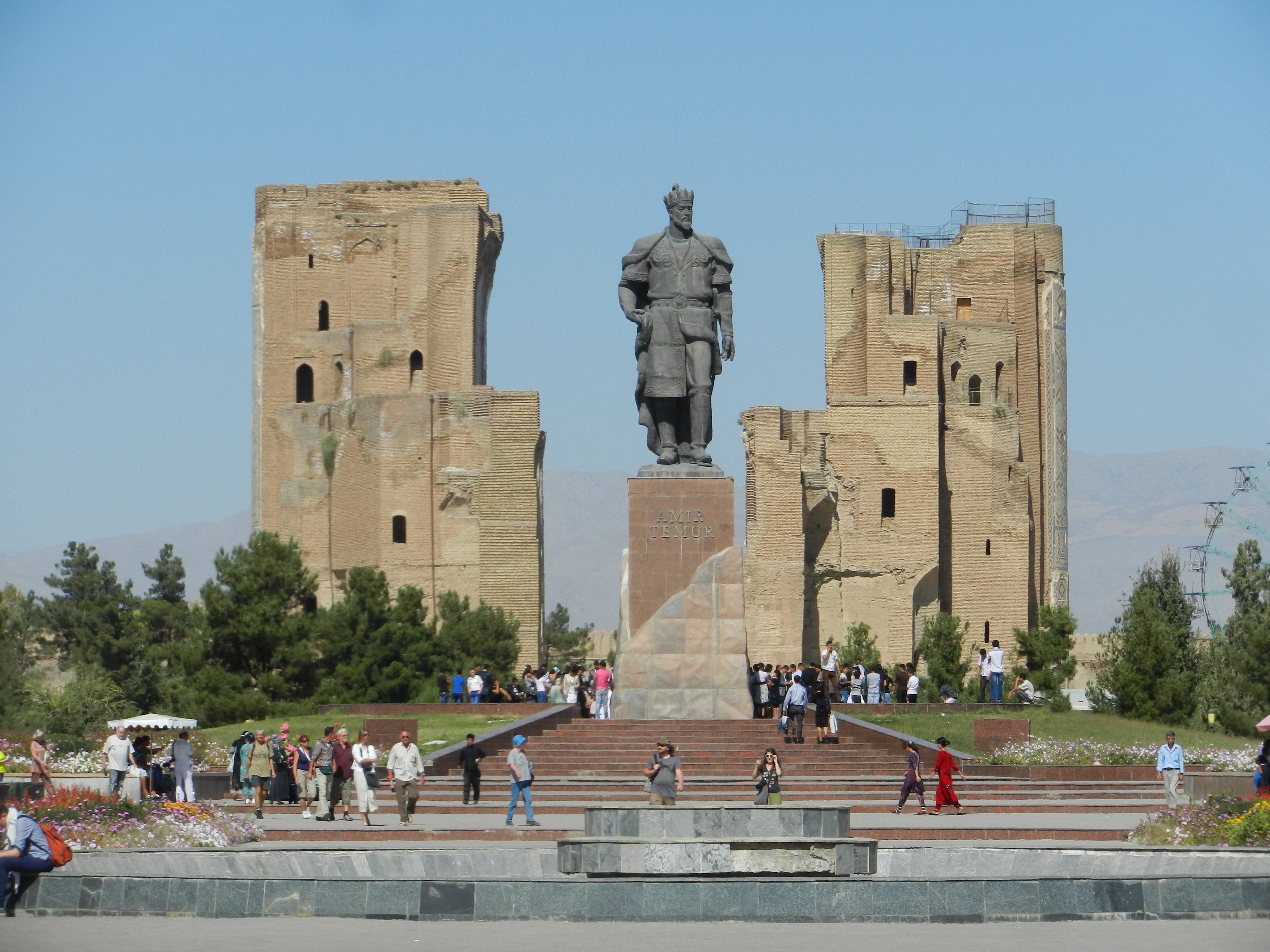
Ak-Saray Palace
Ruined Timurid palace with decorative remnants.
Shahrukhiya
Ancient city on Great Silk Road.