
Explore the Map
Obi-Rakhmat Grotto
41.5691° N, 70.1334° E
About
The Obi-Rakhmat Grotto, located in Uzbekistan, is a significant Middle Paleolithic archaeological site known for its Neanderthal fossils. Discovered in 1962, the cave features a rich stratigraphy with 22 distinct layers, indicating prolonged Neanderthal habitation. The lithic assemblages found at the site suggest a transitional industry between the Middle and Upper Paleolithic periods. The site's faunal remains, consisting mainly of Siberian mountain goat and red deer, indicate its use as a short-term hunting and butchery station by hominins. Notably, the discovery of a juvenile Neanderthal's cranial and dental remains offers insights into the morphology and genetic lineage of Neanderthals in Central Asia, connecting them to European populations. The site is dated to around 70,000 to 90,000 years ago, with some layers suggesting even older occupations.
Gallery
Explore photographs of ancient structures, artifacts, and archaeological excavations
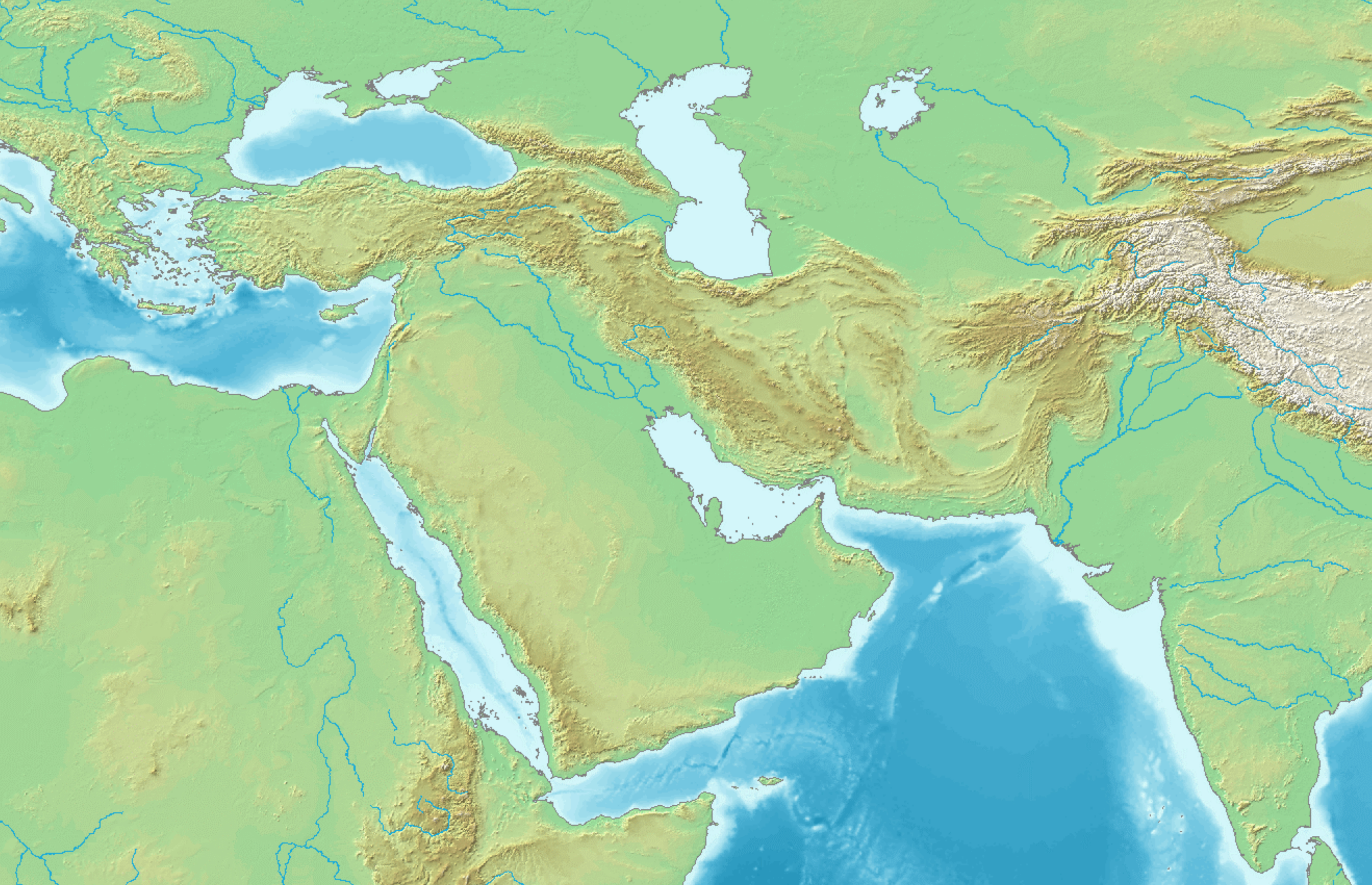
Historical Timeline
Journey through time and discover key events in this site's history
Middle Paleolithic occupation
70000 BCE to 40000 BCE
Upper Paleolithic transition
50000 BCE to 10000 BCE
Archaeological Features
Unique architectural and cultural elements found at this historical site
Domestic and Habitation Structures
Environmental and Natural Features
Food Production and Processing Features
Frequently Asked Questions
Plan Your Visit
Tours, travel arrangements, and practical information
More Sites in Uzbekistan
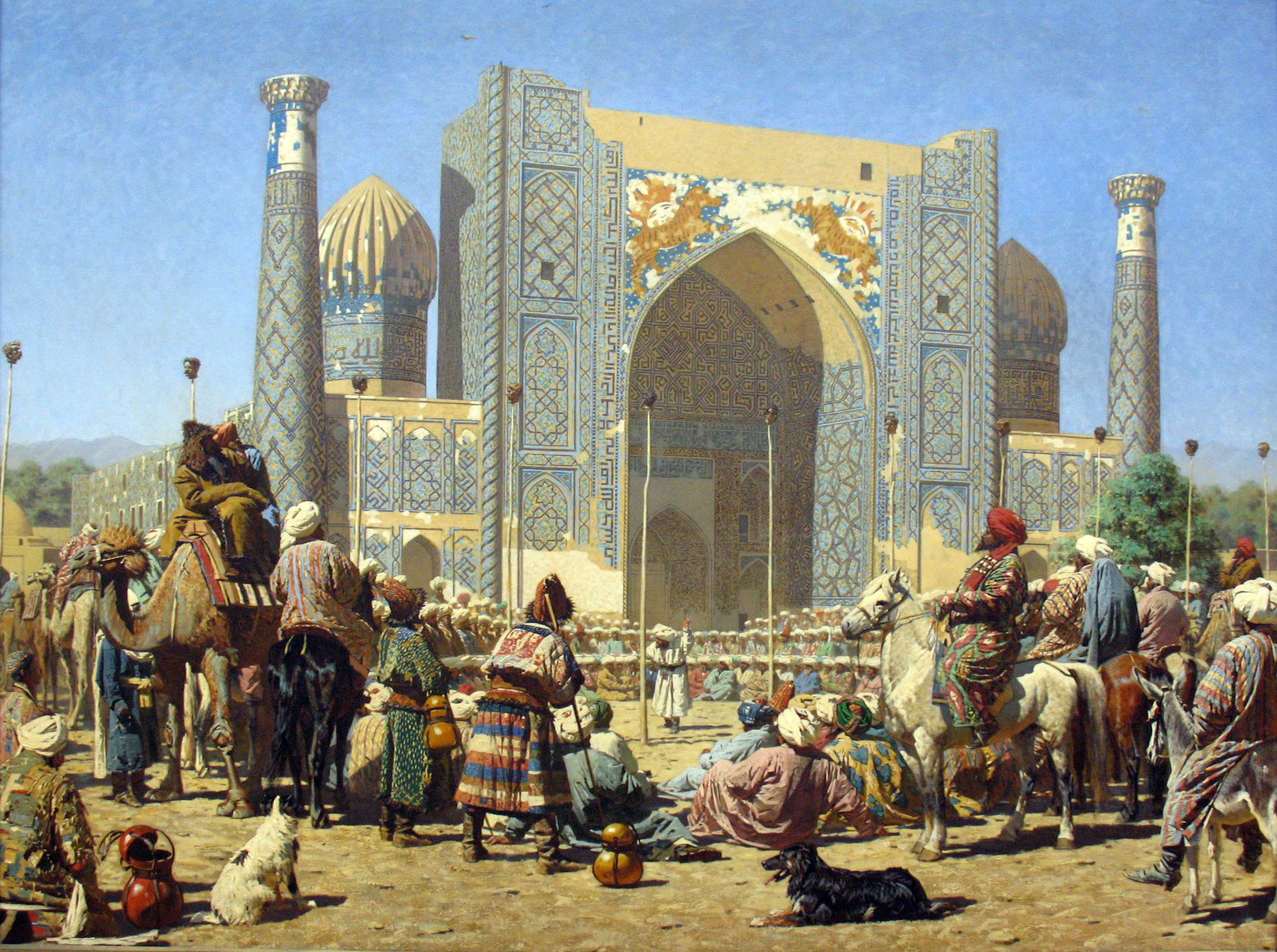
Samarkand
Ancient city with rich cultural heritage
Fayaz Tepe
Buddhist site with temple and monastery
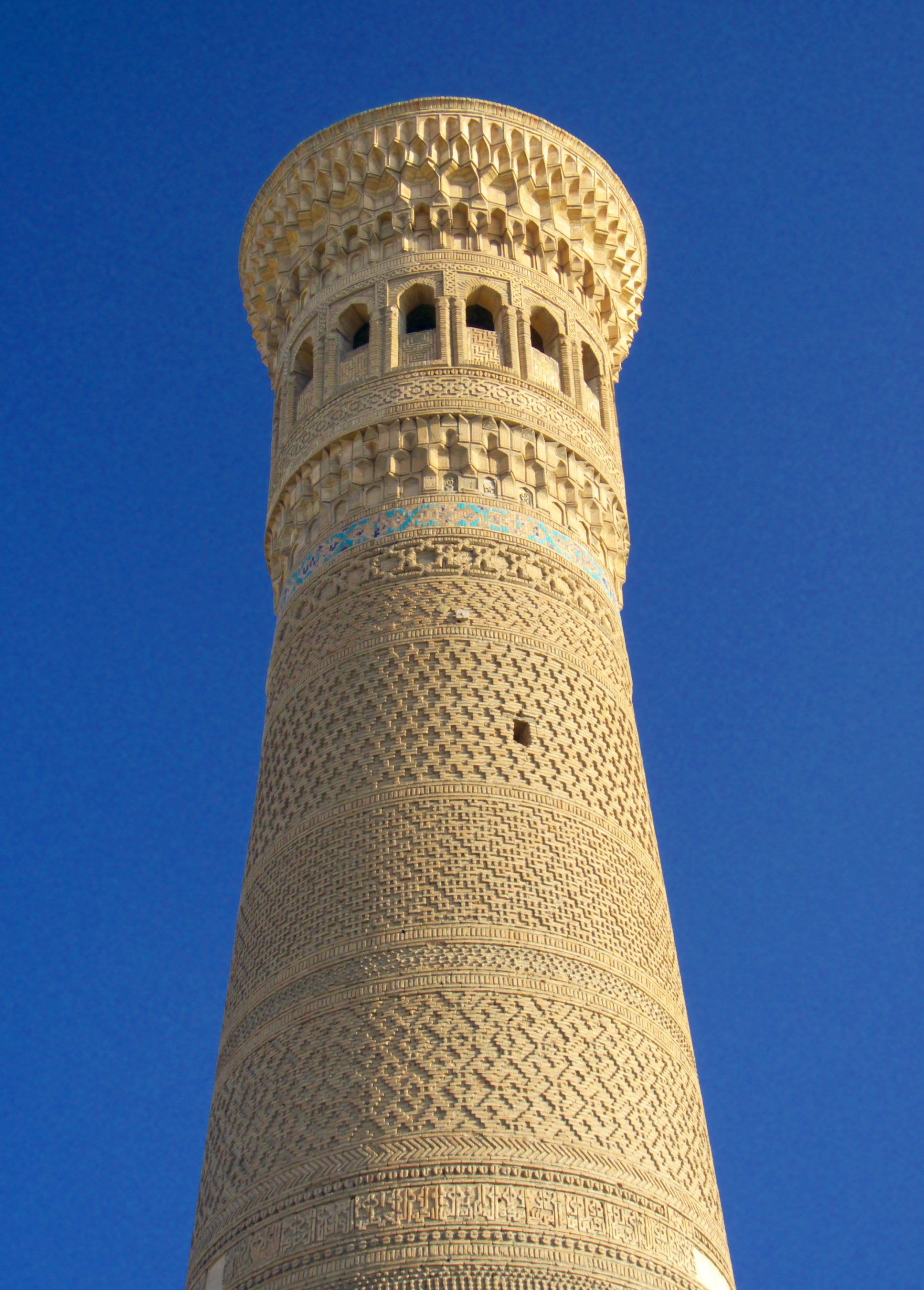
Kanka, Uzbekistan
Ancient multi-layered fortified settlement.
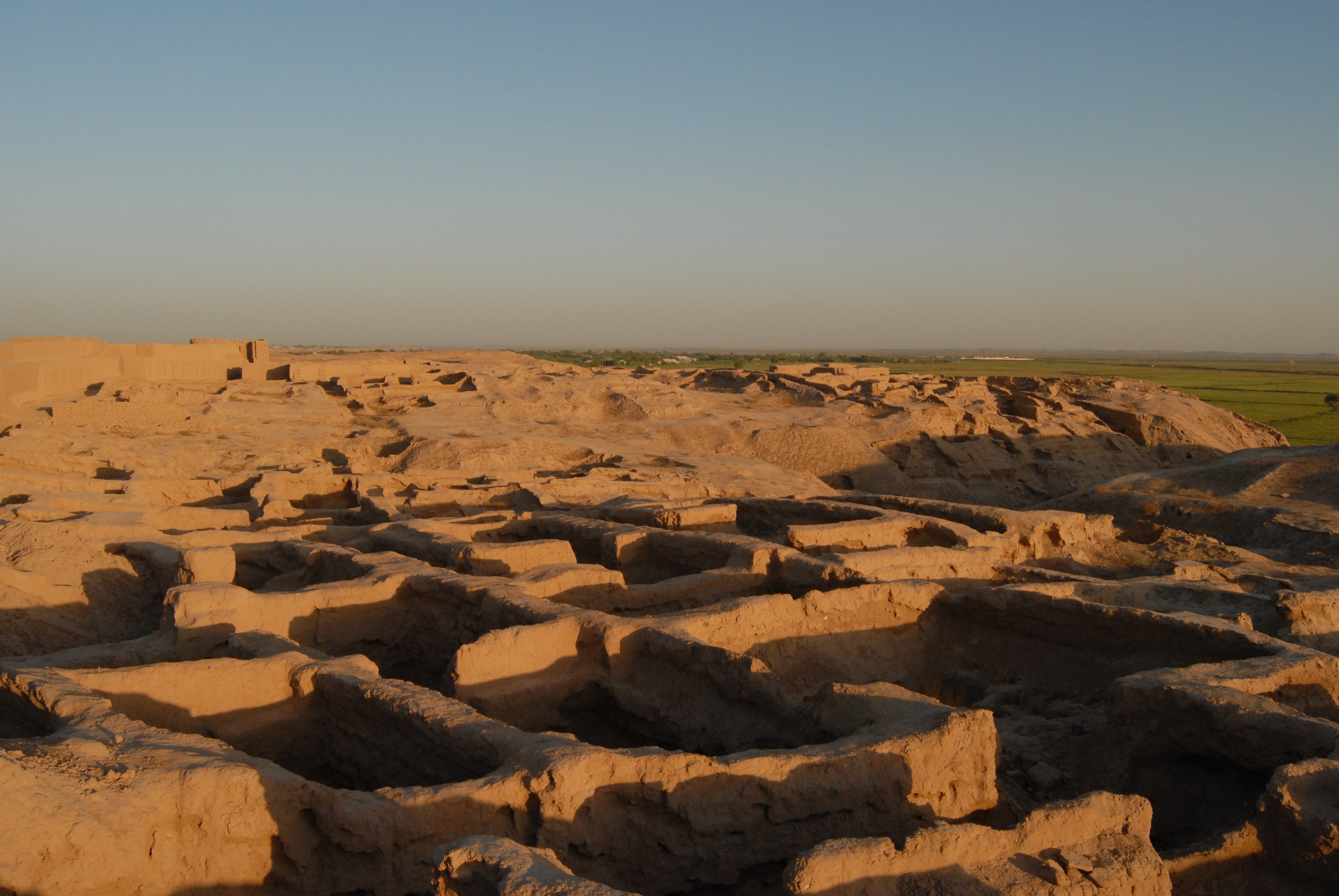
Kampir Tepe
Mud brick city with fortifications and terraces
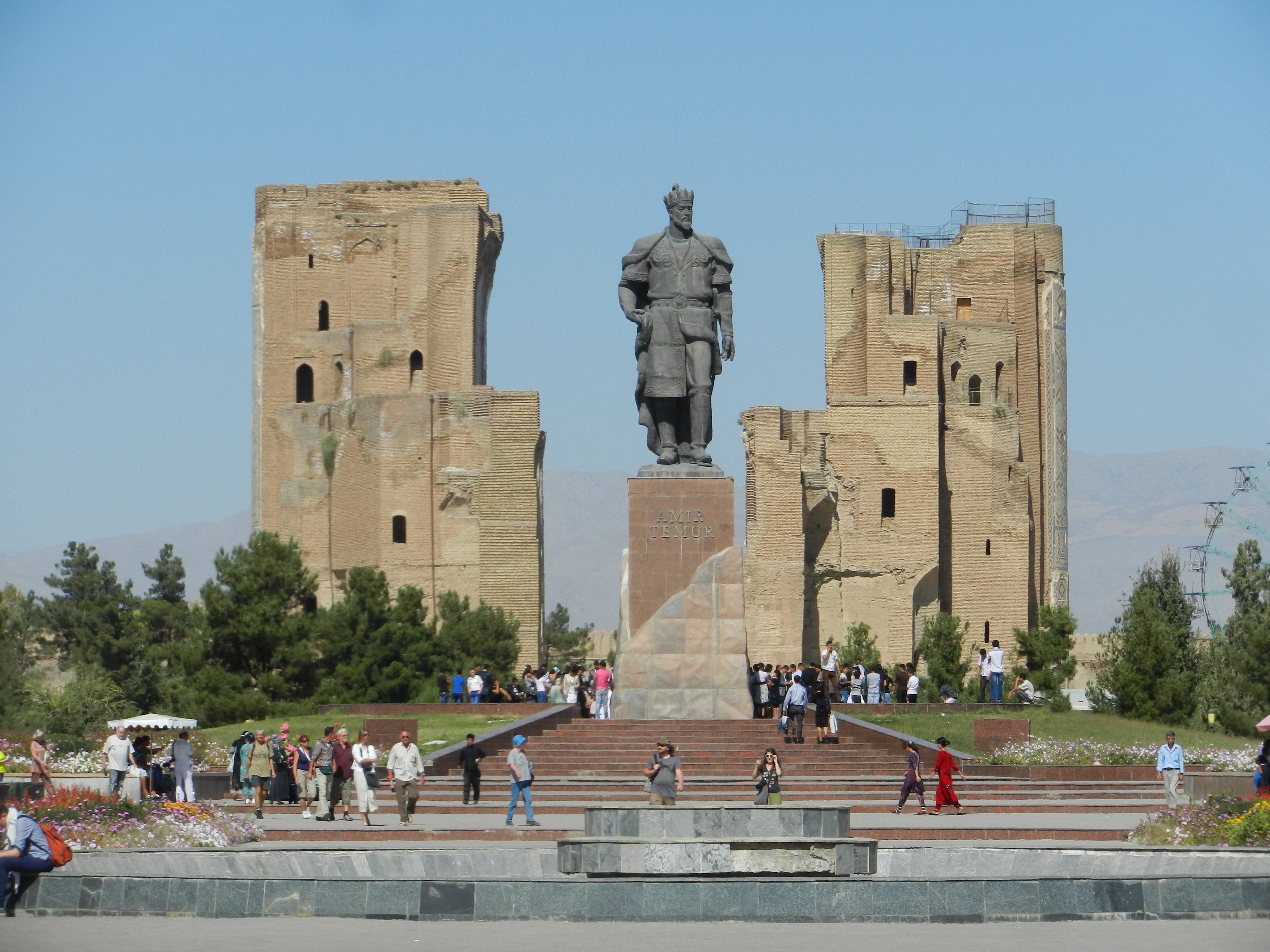
Ak-Saray Palace
Ruined Timurid palace with decorative remnants.
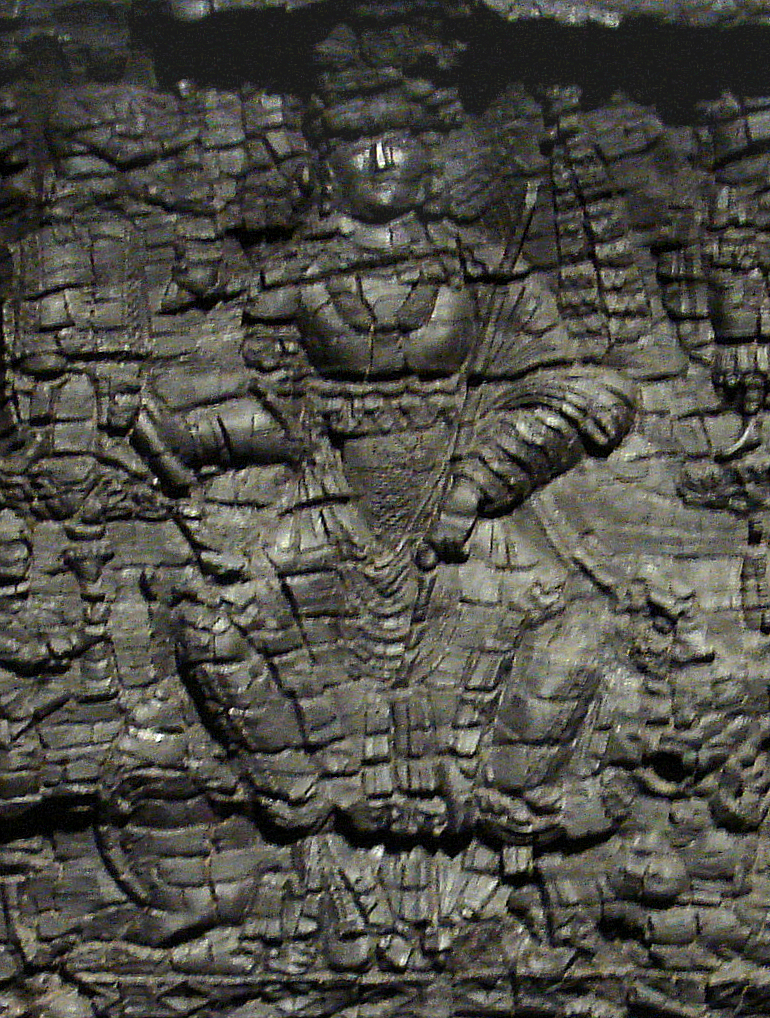
Kafir-kala (Uzbekistan)
Ancient mud-brick fortress with citadel.