Explore the Map
Dilberjin Tepe
37.0225° N, 66.5264° E
About
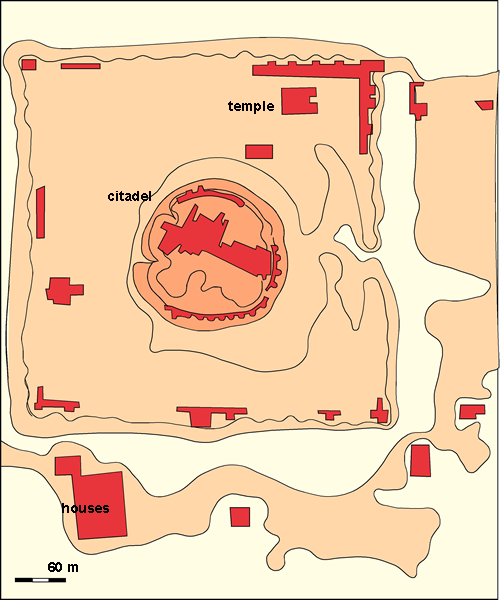
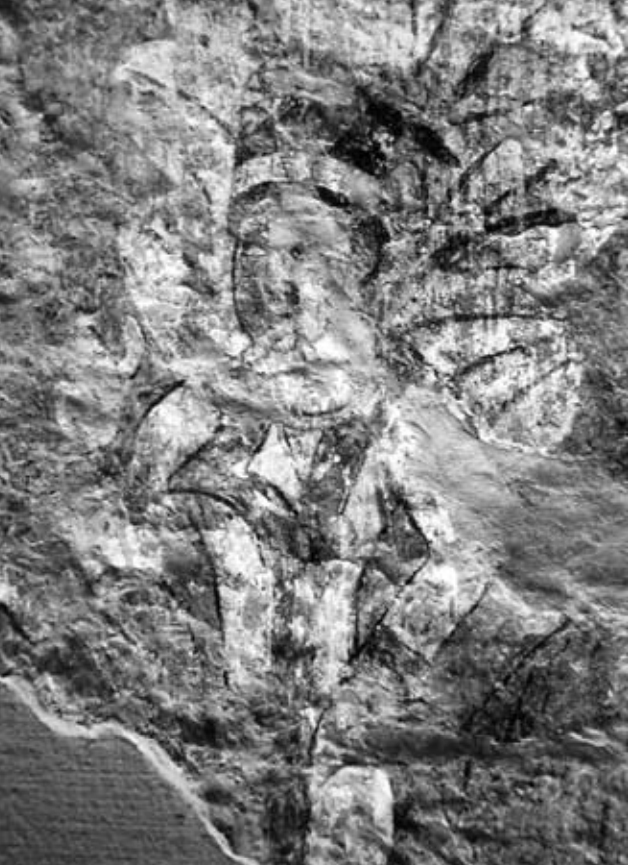
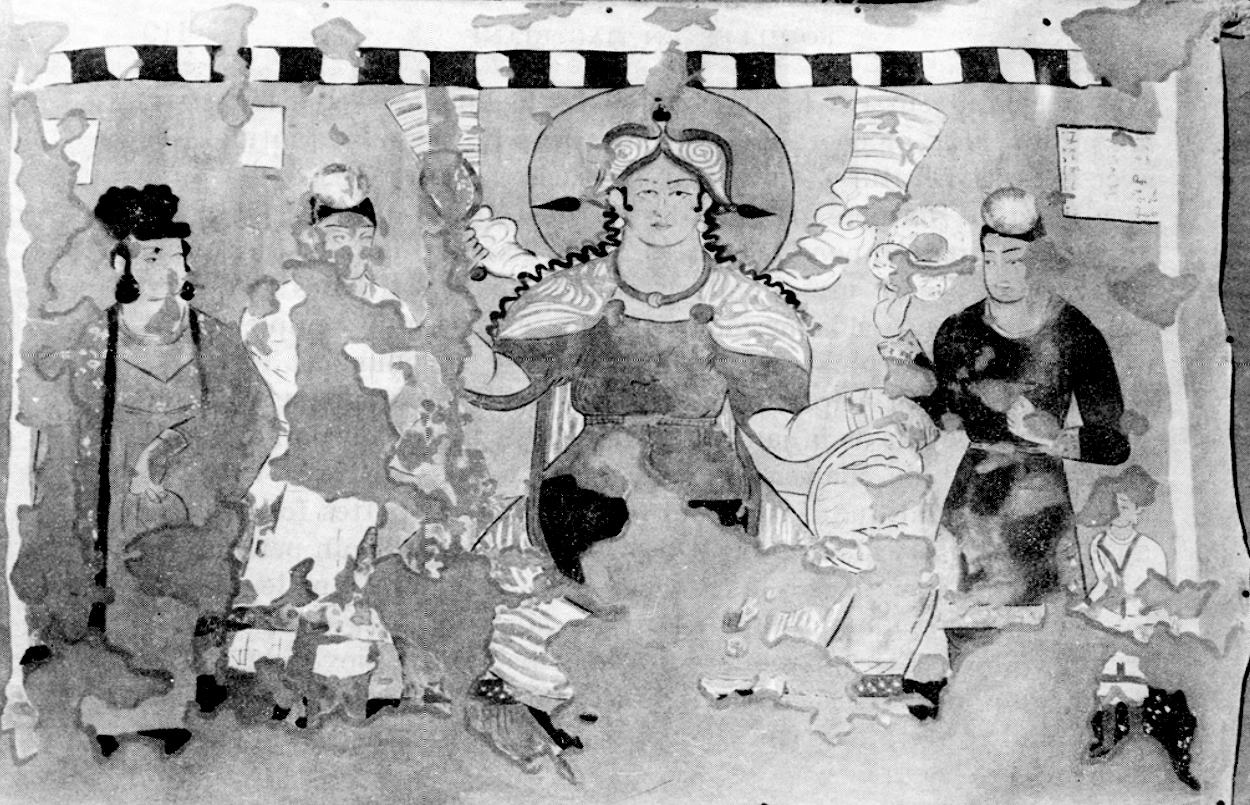
Dilberjin Tepe, an ancient town in northern Afghanistan, showcases significant archaeological remains from various periods. Possibly founded during the Achaemenid Empire, it flourished under the Kushan Empire, becoming a major local center. The site is notable for its defensive walls and a citadel built during Kushan rule. A temple complex in the town's northeast corner yielded numerous wall paintings, some in a purely Hellenistic style, and an important inscription in the Kushan language, dating to the early 2nd century CE. The murals, depicting Hephthalites and later Indian themes, span from the 4th to 8th centuries CE. Despite its abandonment after the Kushano-Sassanids, the site provides a rich narrative of cultural and historical transitions reflected in its artistic and structural remnants.
Gallery
Explore photographs of ancient structures, artifacts, and archaeological excavations
Historical Timeline
Journey through time and discover key events in this site's history
Achaemenid foundation
5th century BCE
Kushan major center
1st century CE
Kushan language inscription
2nd century CE
Murals creation
5th to 6th century CE
Abandonment
8th century CE
Indian-themed fresco
8th century CE
Archaeological Features
Unique architectural and cultural elements found at this historical site
Defensive Structures
Religious and Ritual Structures
Artistic and Decorative Features
Domestic and Habitation Structures
Frequently Asked Questions
Plan Your Visit
Tours, travel arrangements, and practical information
More Sites in Afghanistan
Tapa Shotor
Large Sarvastivadin monastery with Hellenistic influences
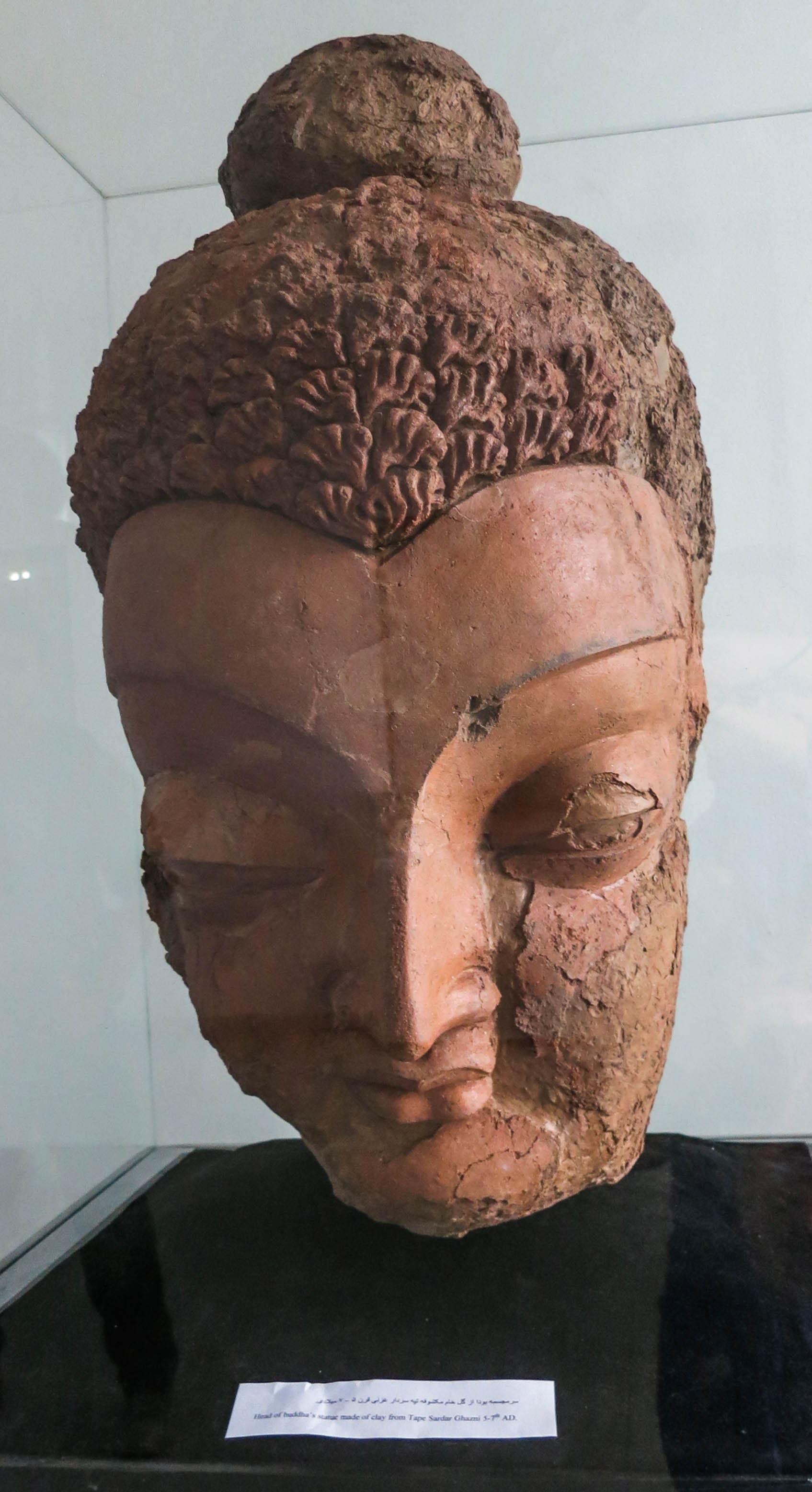
Tepe Sardar
Ancient Buddhist monastery with Hellenistic influence
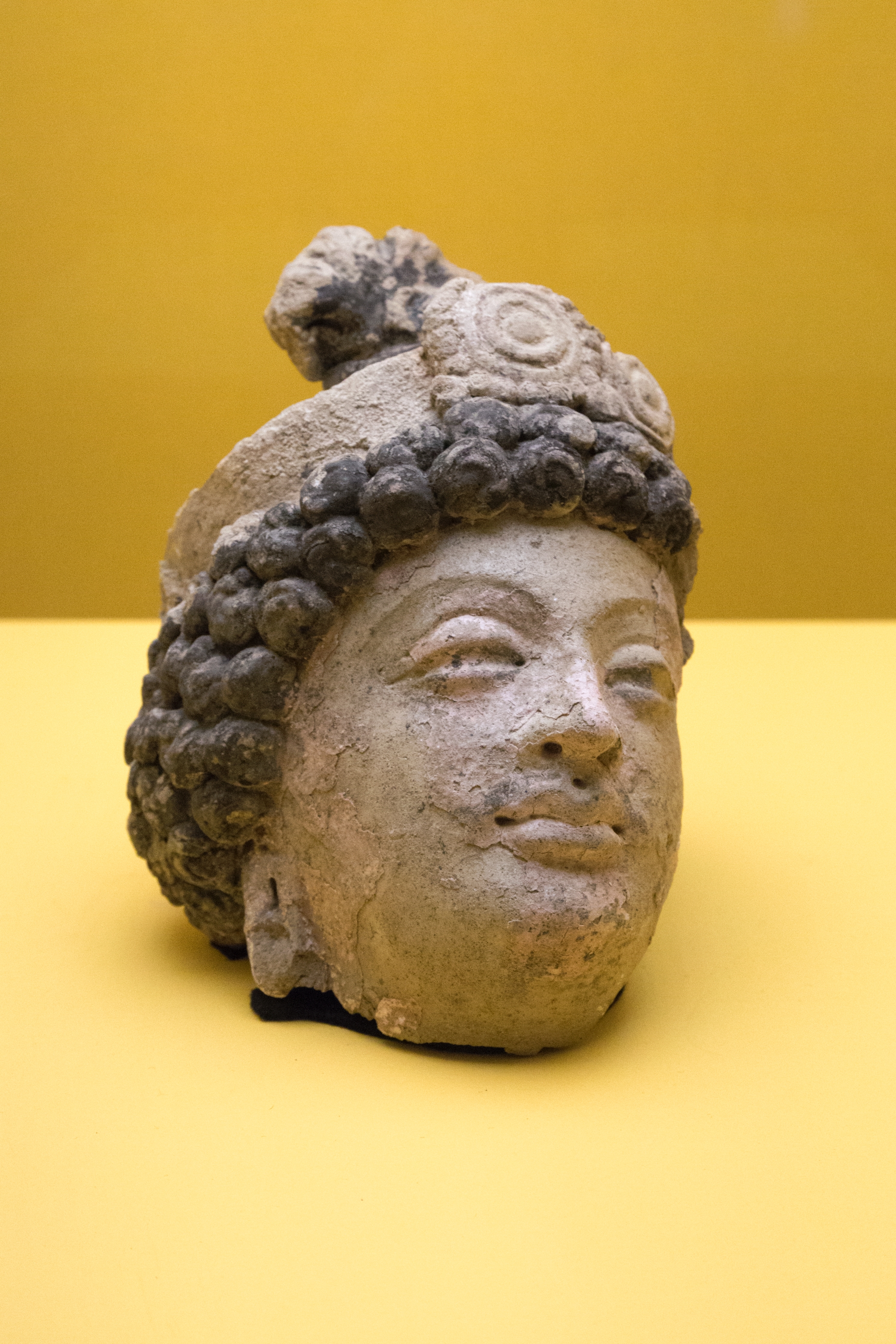
Mes Aynak
Buddhist settlement with copper deposits
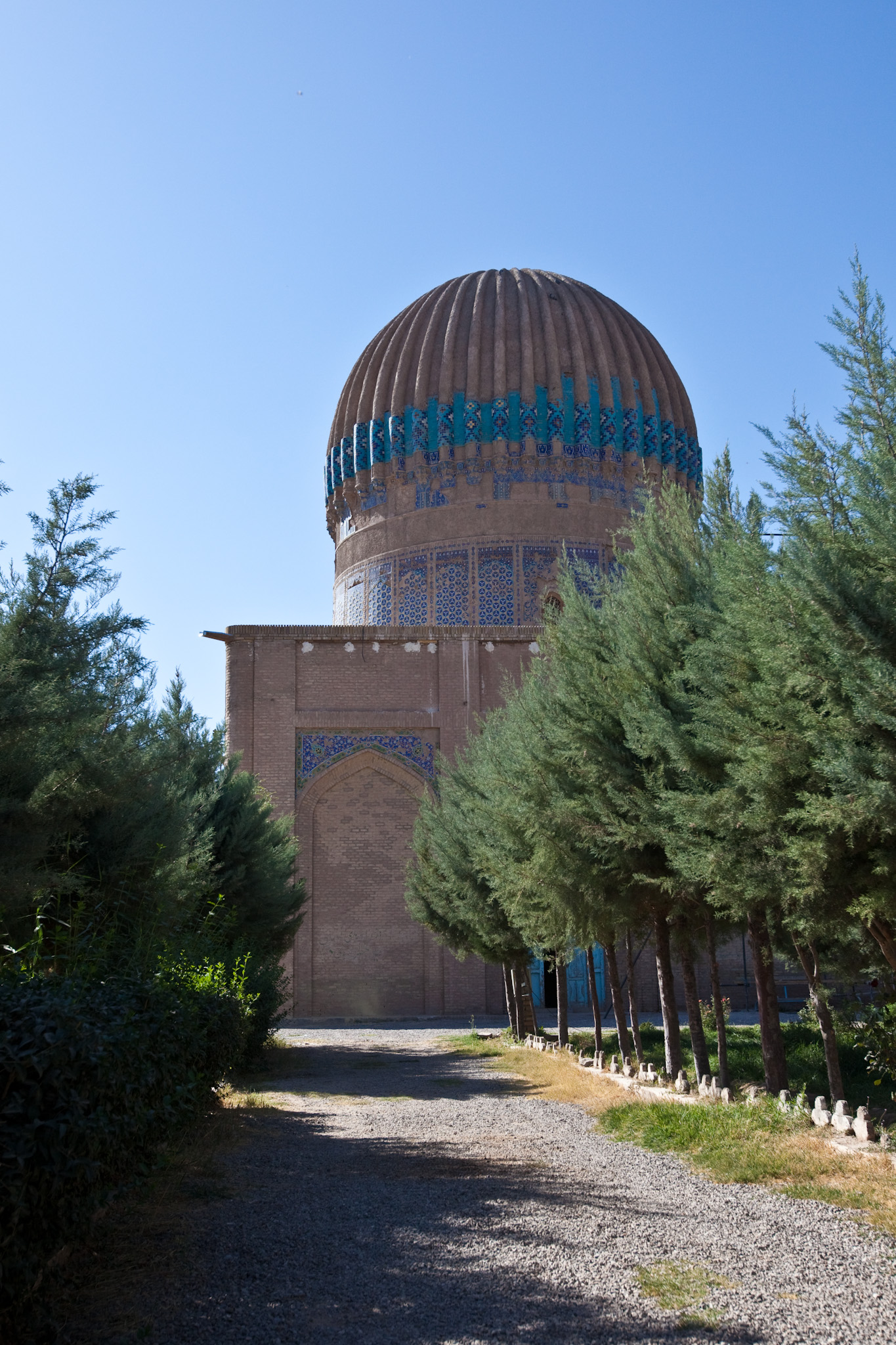
Gawhar Shad Mausoleum
15th-century Timurid royal tomb structure.
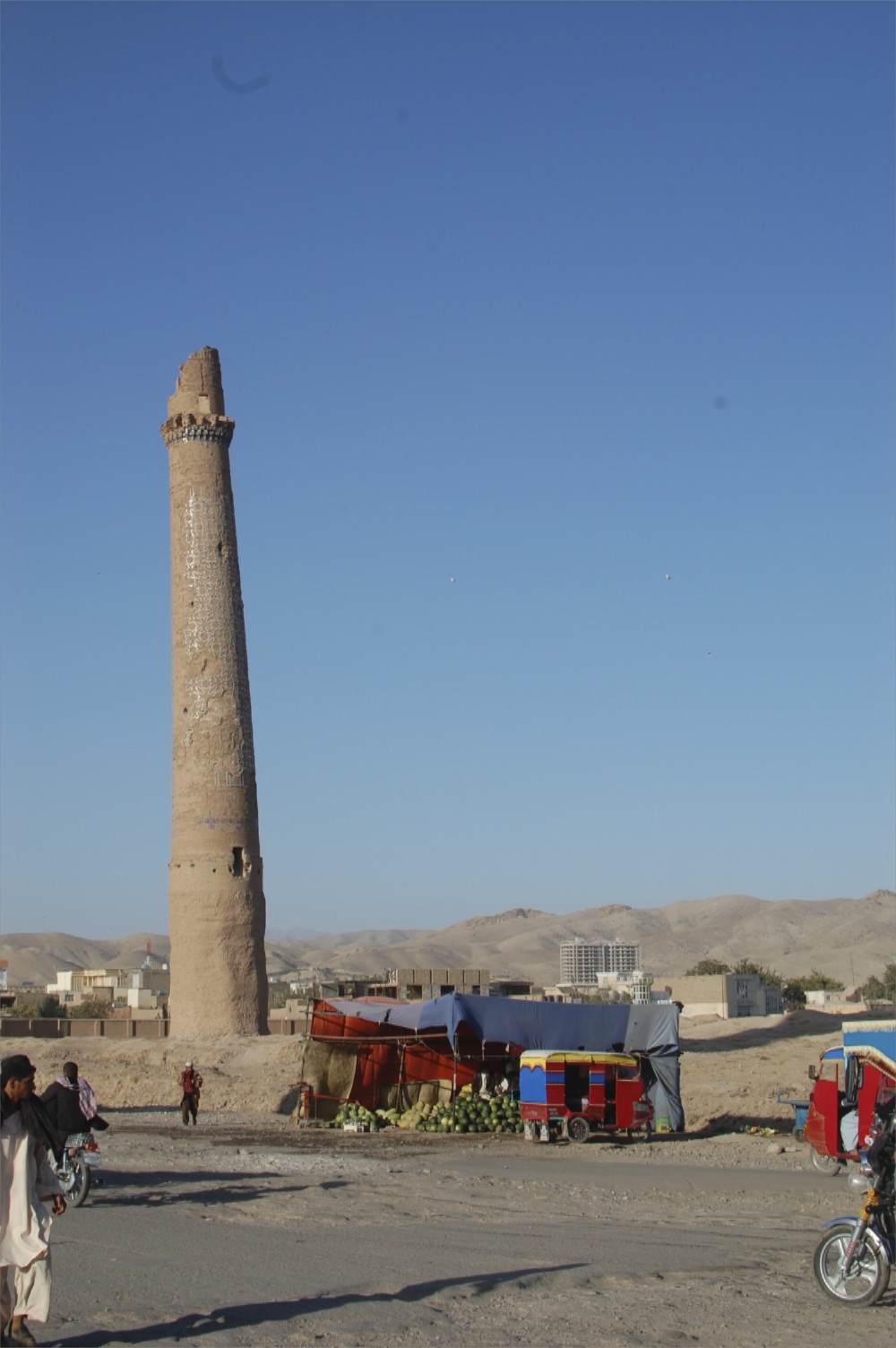
Musalla complex
Timurid architectural ruins with minarets and mausoleums.
Mundigak
Bronze Age urban center, Helmand culture