Time Periods
Paleolithic
Mesolithic
Neolithic
Chalcolithic
Bronze Age
Iron Age
Classical Period
Post-Classical Period
Early Modern Period
Industrial Period
Contemporary Period
Time Periods
Paleolithic
Mesolithic
Neolithic
Chalcolithic
Bronze Age
Iron Age
Classical Period
Post-Classical Period
Early Modern Period
Industrial Period
Contemporary Period
Location
About
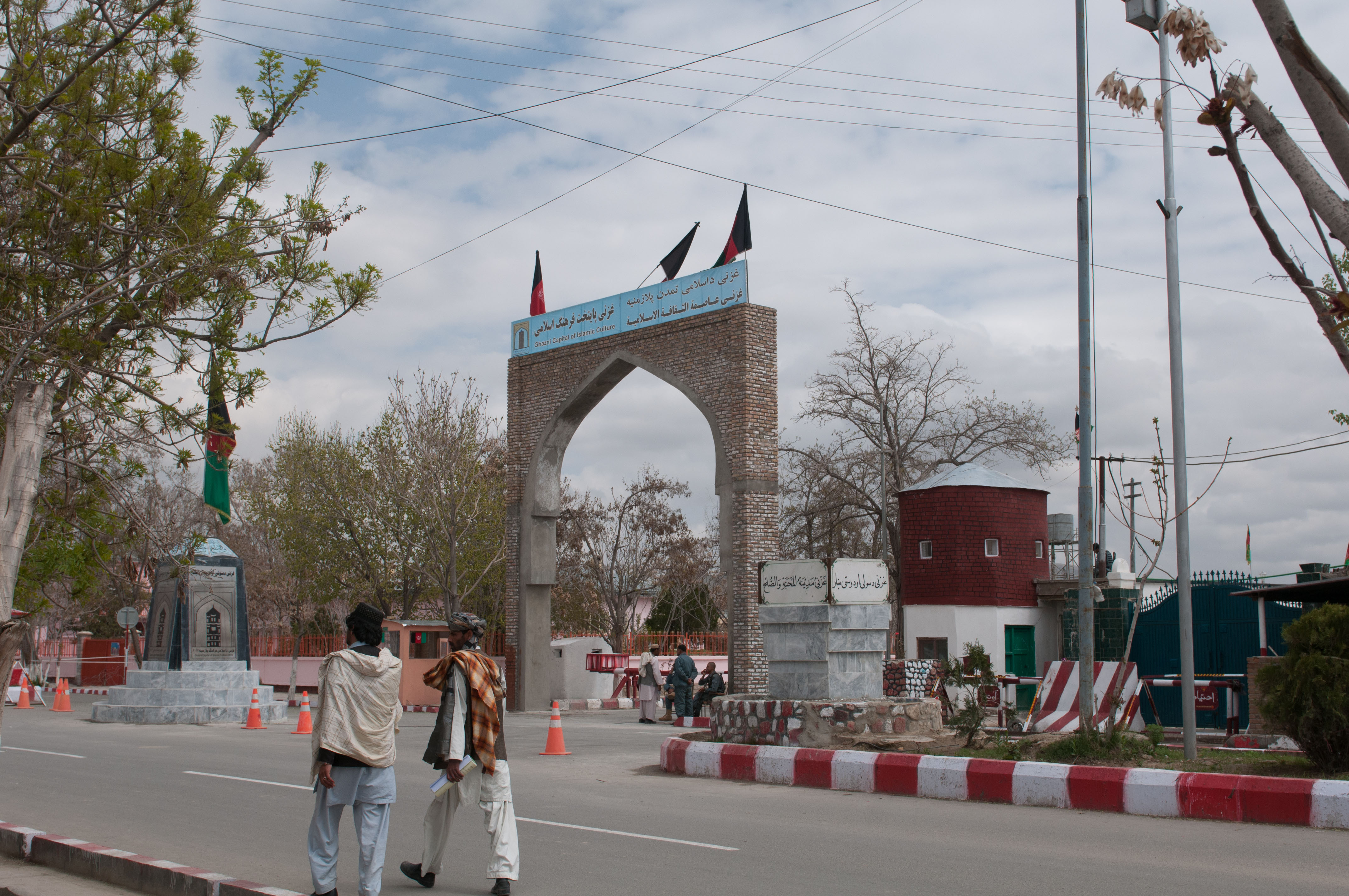
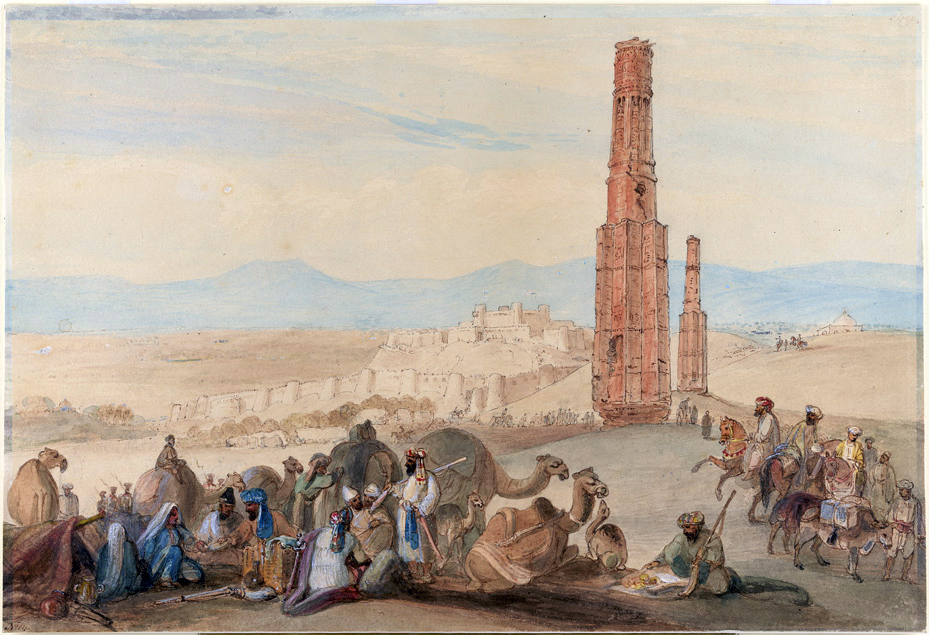
Ghazni is a historically significant city in southeastern Afghanistan, known for its rich archaeological heritage. Founded in antiquity, it has been a pivotal cultural and political center throughout various periods, from the Achaemenid Empire through the Ghaznavid and Ghorid Empires to the Mughal Empire. The city features enduring defensive structures like its citadel and minarets, religious sites including mosques and stupas, and significant funerary monuments such as the mausoleum of Sultan Mahmud. Ghazni's location along major trade routes has contributed to its historical importance. Despite destruction by the Mongols and later conflicts, it remains a key archaeological site, reflecting Afghanistan's diverse historical narratives.
Gallery
Explore photographs of ancient structures, artifacts, and archaeological excavations at Ghazni
Archaeological Features
Explore the unique architectural and cultural elements found at this historical site
Defensive Structures
Burial and Funerary Structures
Religious and Ritual Structures
Artistic and Decorative Features
Domestic and Habitation Structures
Transportation and Communication Structures
Historical Timeline
Journey through time and discover key events in this site's archaeological history
Plan Your Visit
Details
- Country
- Afghanistan
- Source
- Wikipedia
More Sites in Afghanistan
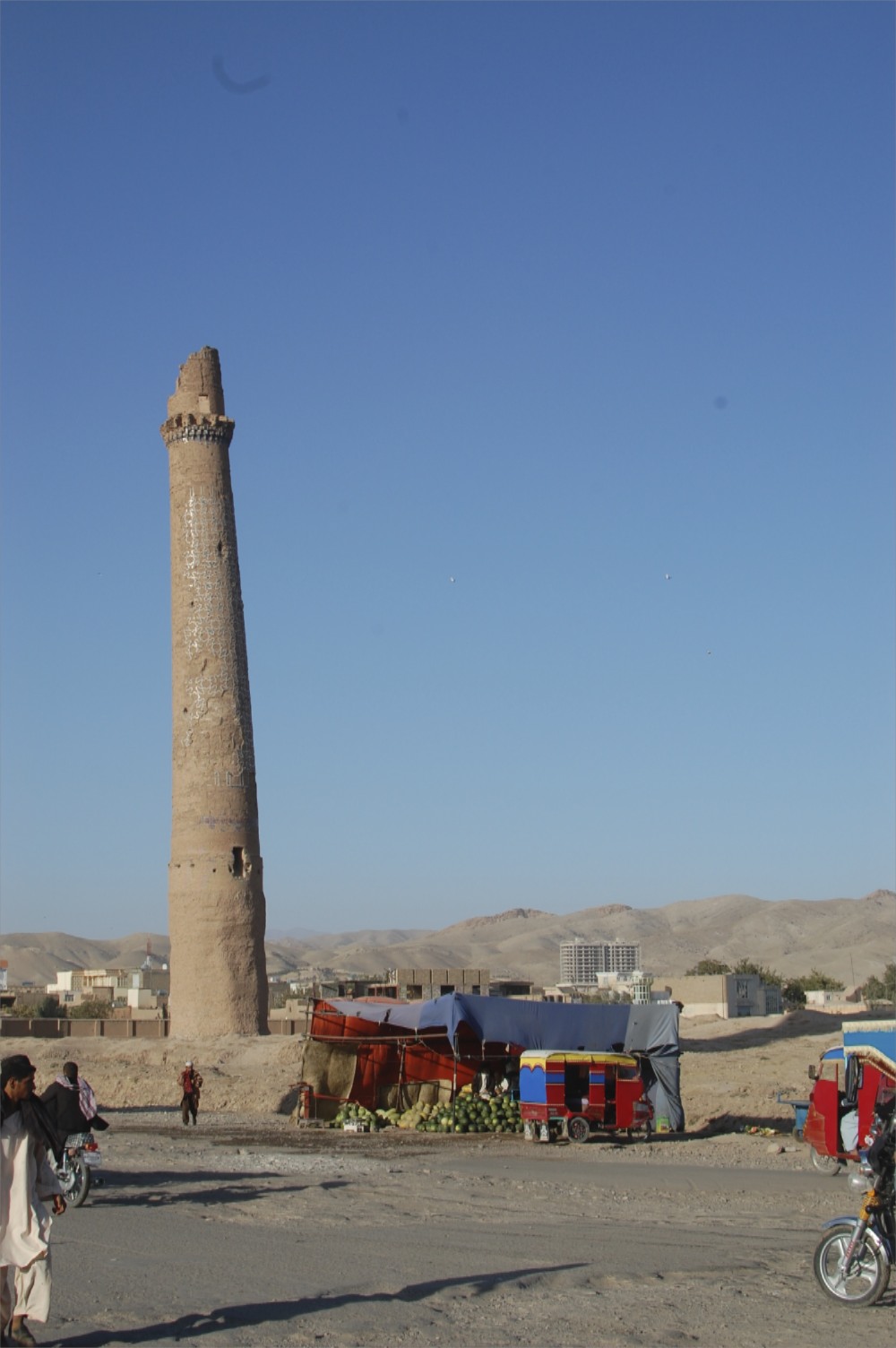
Musalla complex
Timurid architectural ruins with minarets and mausoleums.
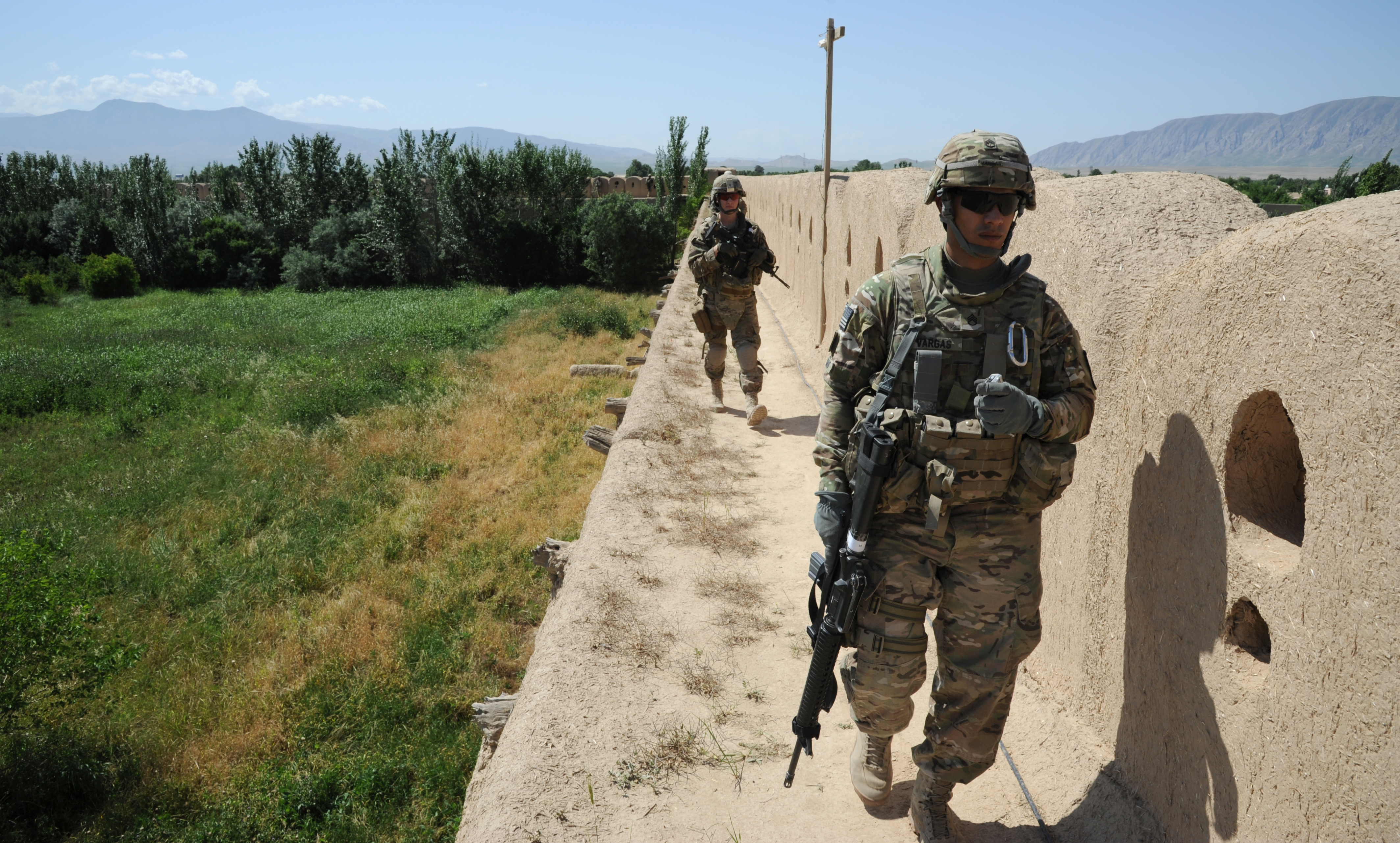
Qala-i-Jangi
19th-century Afghan fortress with military history
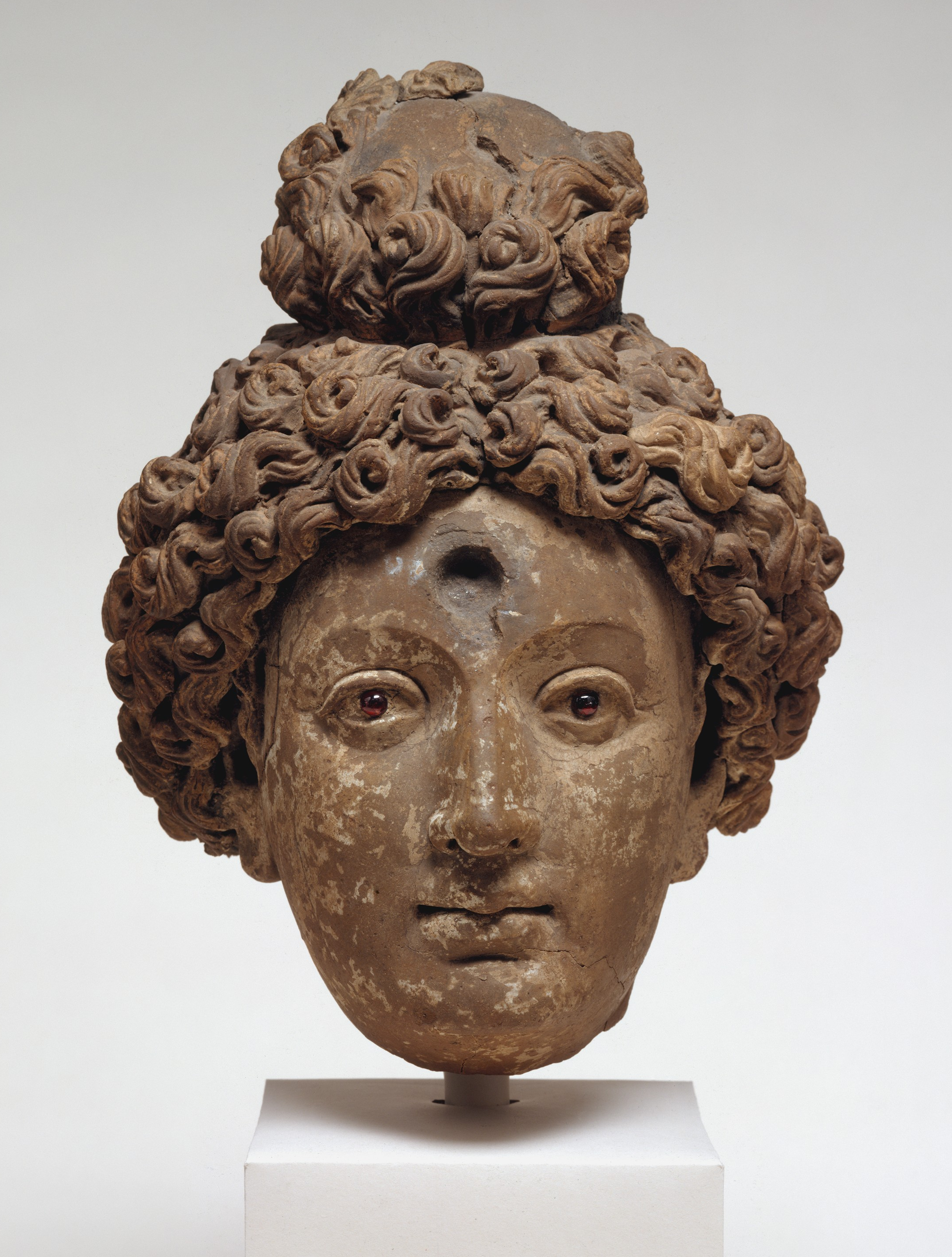
Tapa Shotor
Large Sarvastivadin monastery with Hellenistic influences
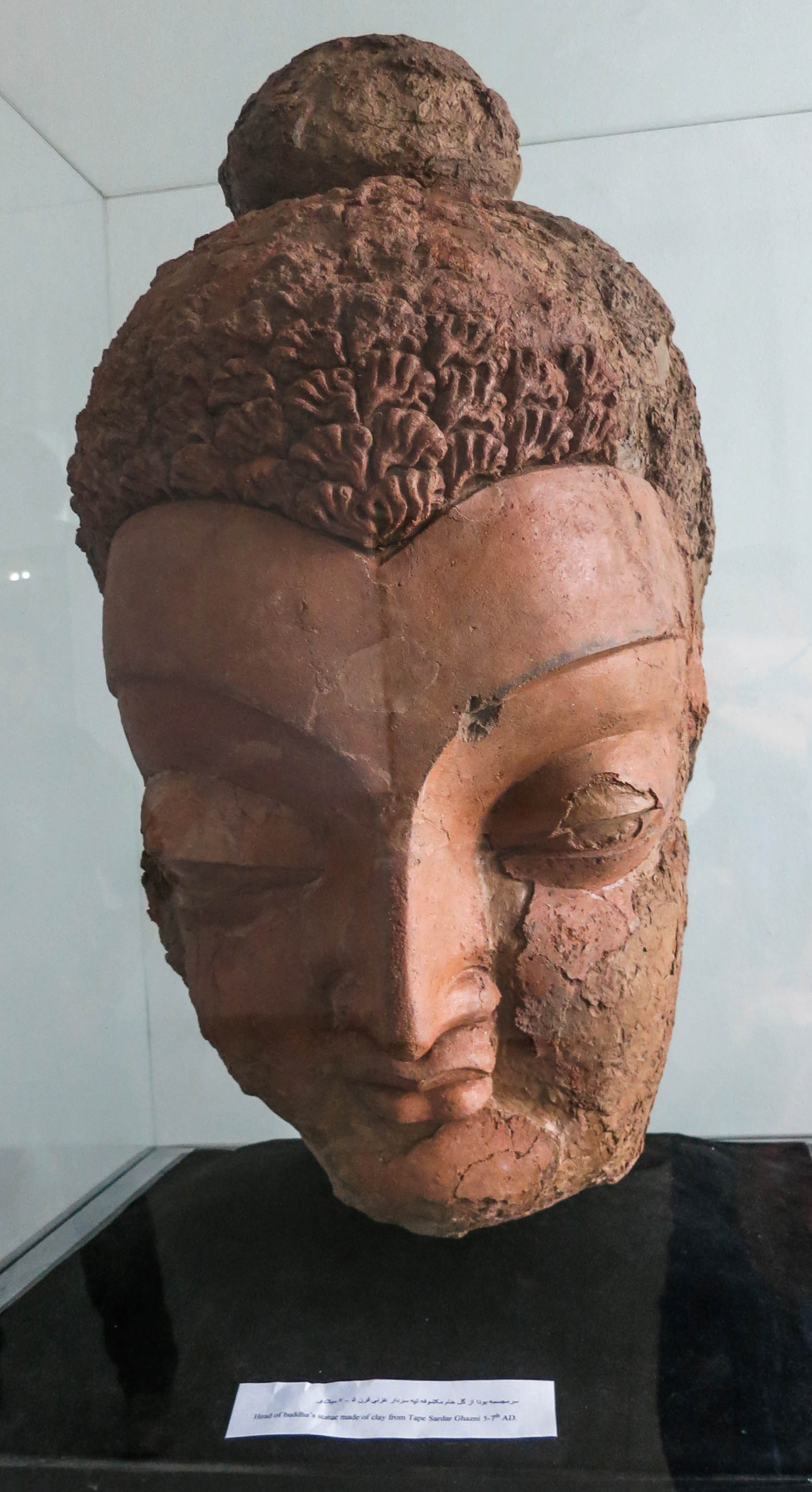
Tepe Sardar
Ancient Buddhist monastery with Hellenistic influence
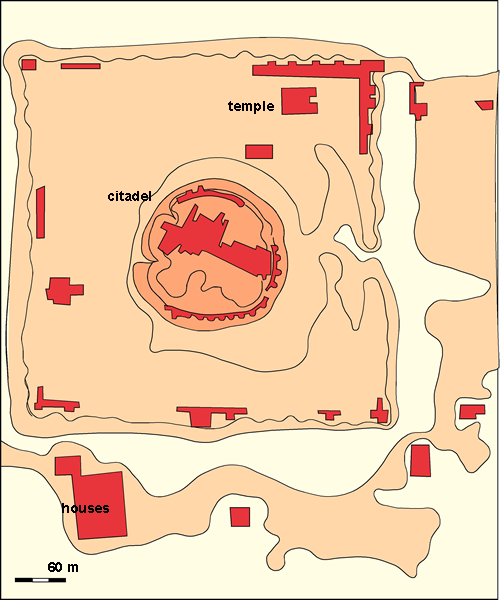
Dilberjin Tepe
Ancient town with Kushan-era citadel and murals.

Takht-e Rostam
Rock-cut Buddhist monastery with stupa.