
Explore the Map
Musalla complex
34.3592° N, 62.1861° E
About
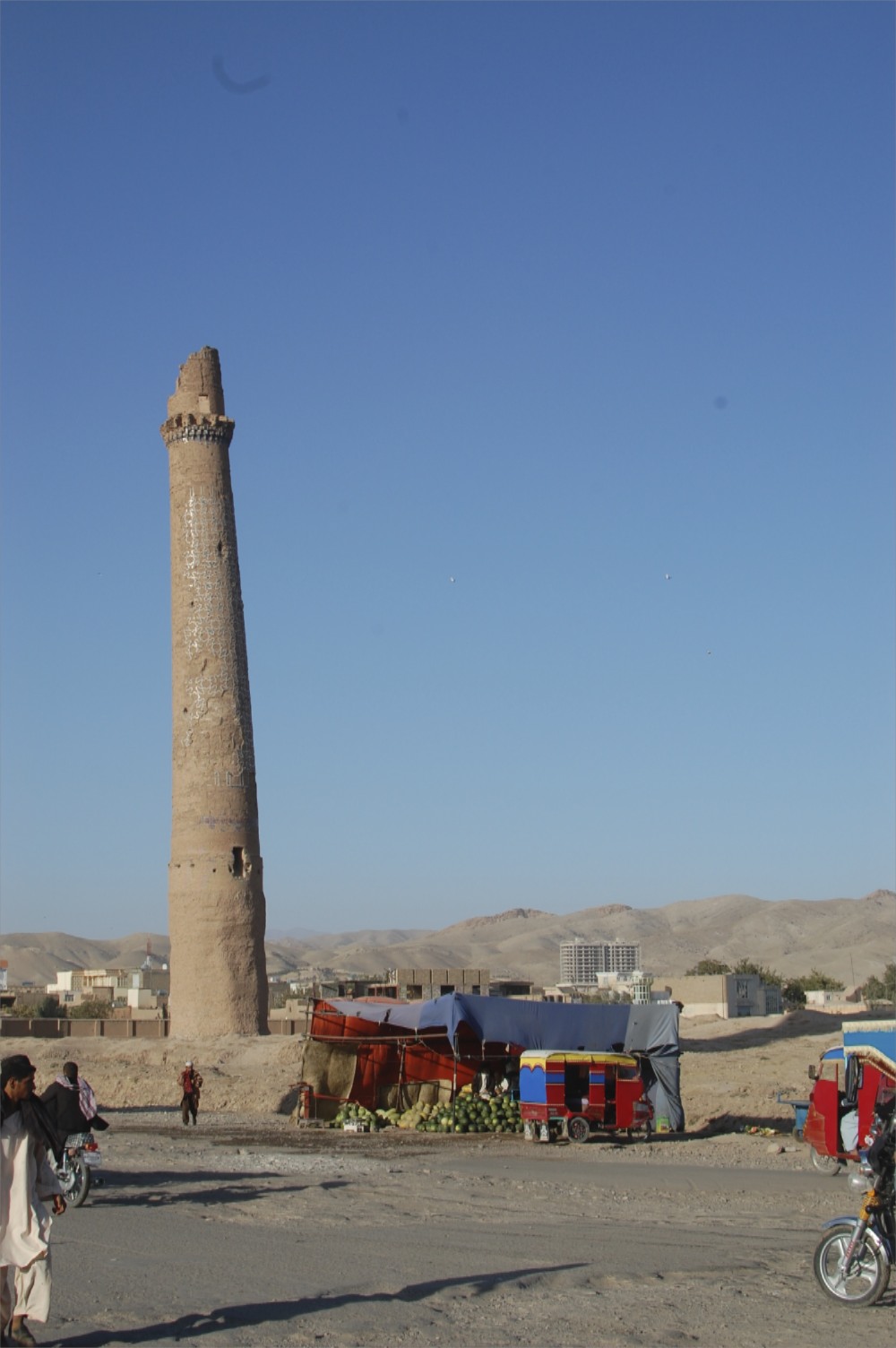
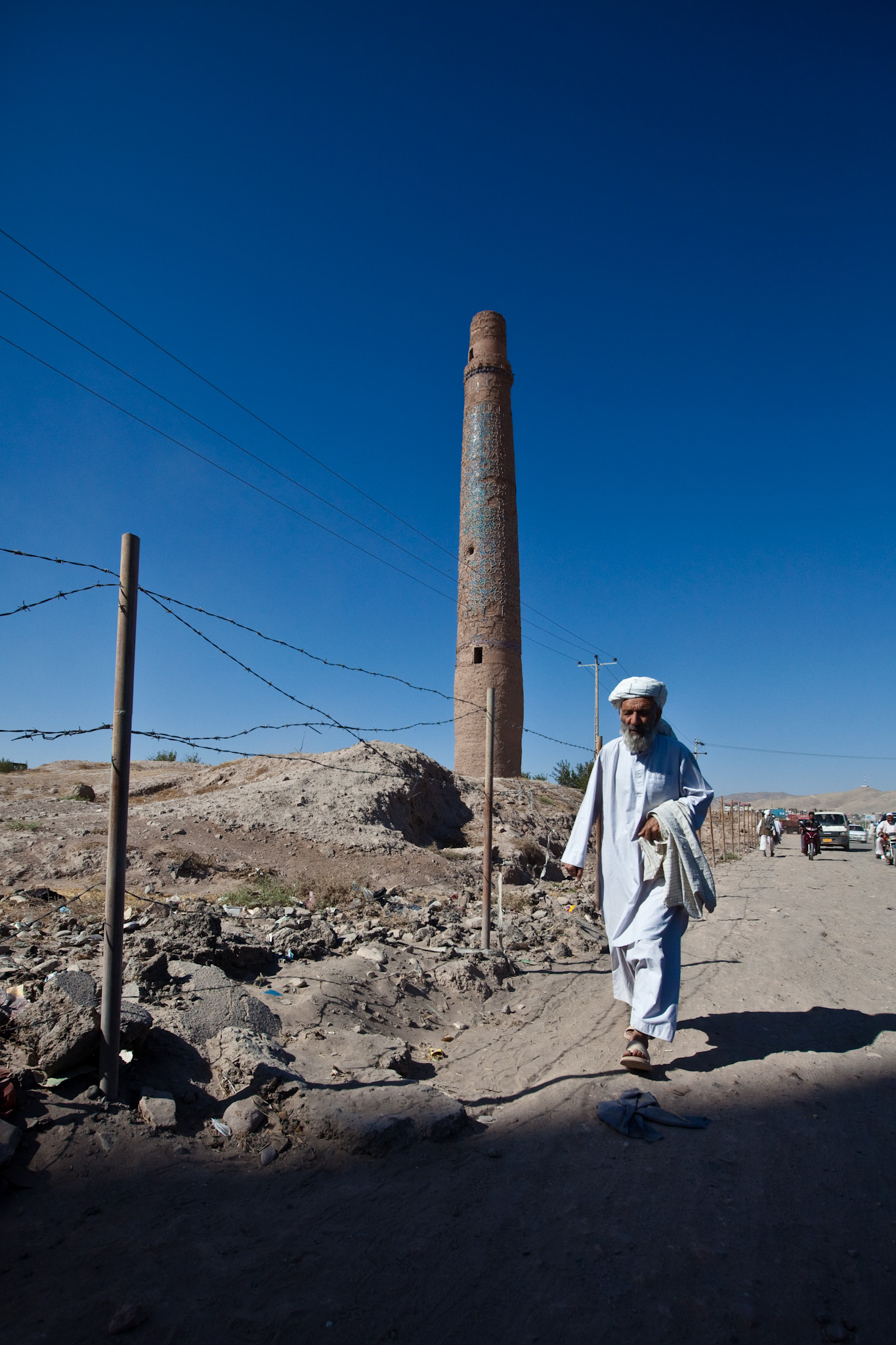
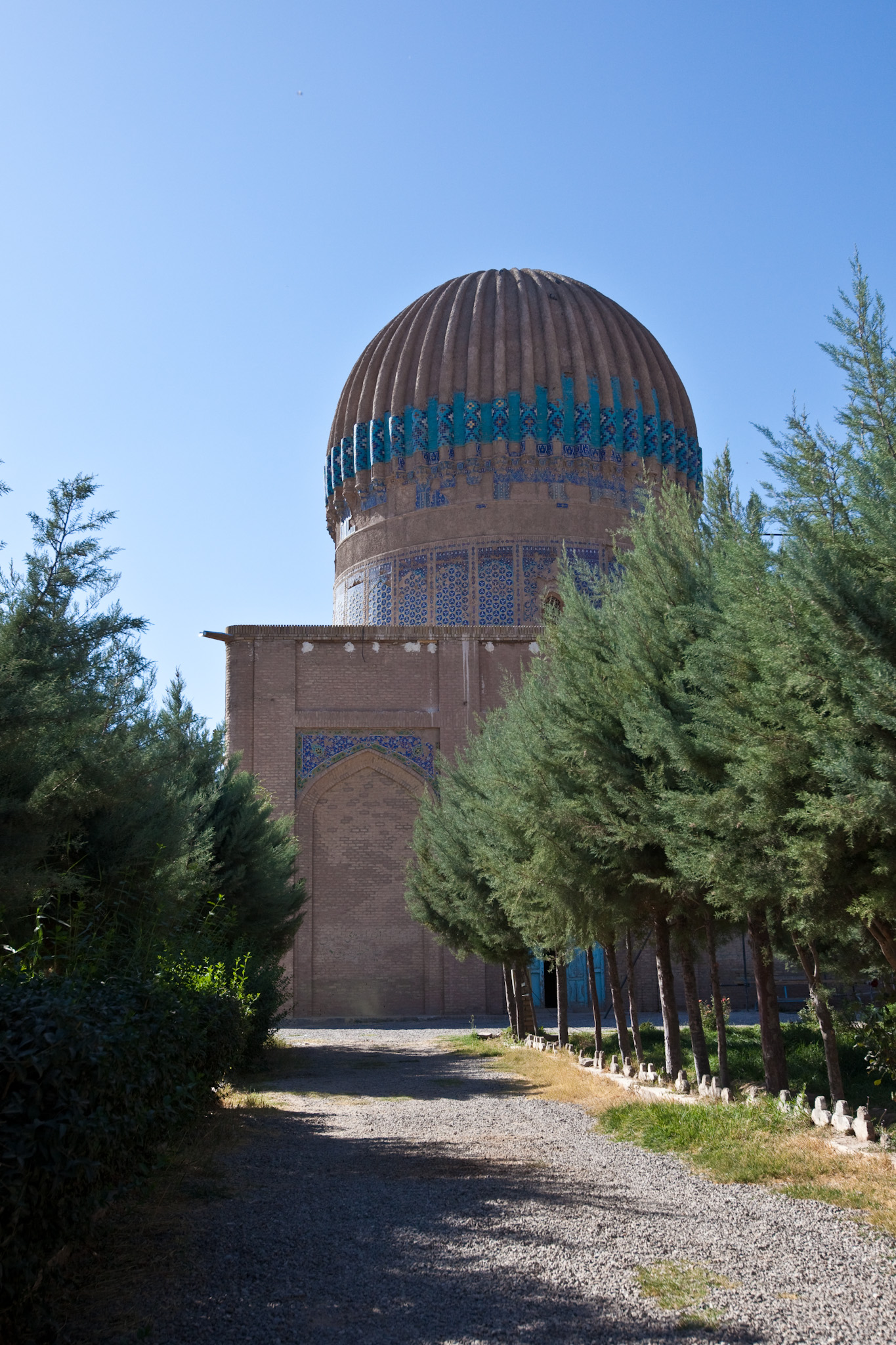
The Musalla Complex in Herat, Afghanistan, is a significant archaeological site showcasing Timurid architecture from the 15th century. Initiated by Queen Gawhar Shad, the complex originally featured a grand mosque, multiple minarets, and mausoleums, including the Gawhar Shad Mausoleum. Over time, the site has suffered extensive damage due to conflicts and natural disasters, notably during the Panjdeh incident in the 19th century and subsequent earthquakes in the 20th century. Despite these challenges, the site retains historical importance, evidenced by its intricate tile work and minarets that once numbered twenty. Efforts to preserve and restore the Musalla Complex continue, highlighting its cultural and architectural heritage as a relic of the Timurid Empire.
Gallery
Explore photographs of ancient structures, artifacts, and archaeological excavations
Historical Timeline
Journey through time and discover key events in this site's history
Herat becomes Timurid capital
1405 CE
Construction of Musalla complex begins
1417 CE
Completion of the mosque
1437 CE
Construction of Madrasa Ni'matiyya
c. 1493 CE
Panjdeh incident damages complex
1885 CE
Earthquake destroys minarets
1932 CE
Further earthquake damage
1951 CE
Archaeological Features
Unique architectural and cultural elements found at this historical site
Burial and Funerary Structures
Religious and Ritual Structures
Artistic and Decorative Features
Transportation and Communication Structures
Frequently Asked Questions
Plan Your Visit
Tours, travel arrangements, and practical information
More Sites in Afghanistan
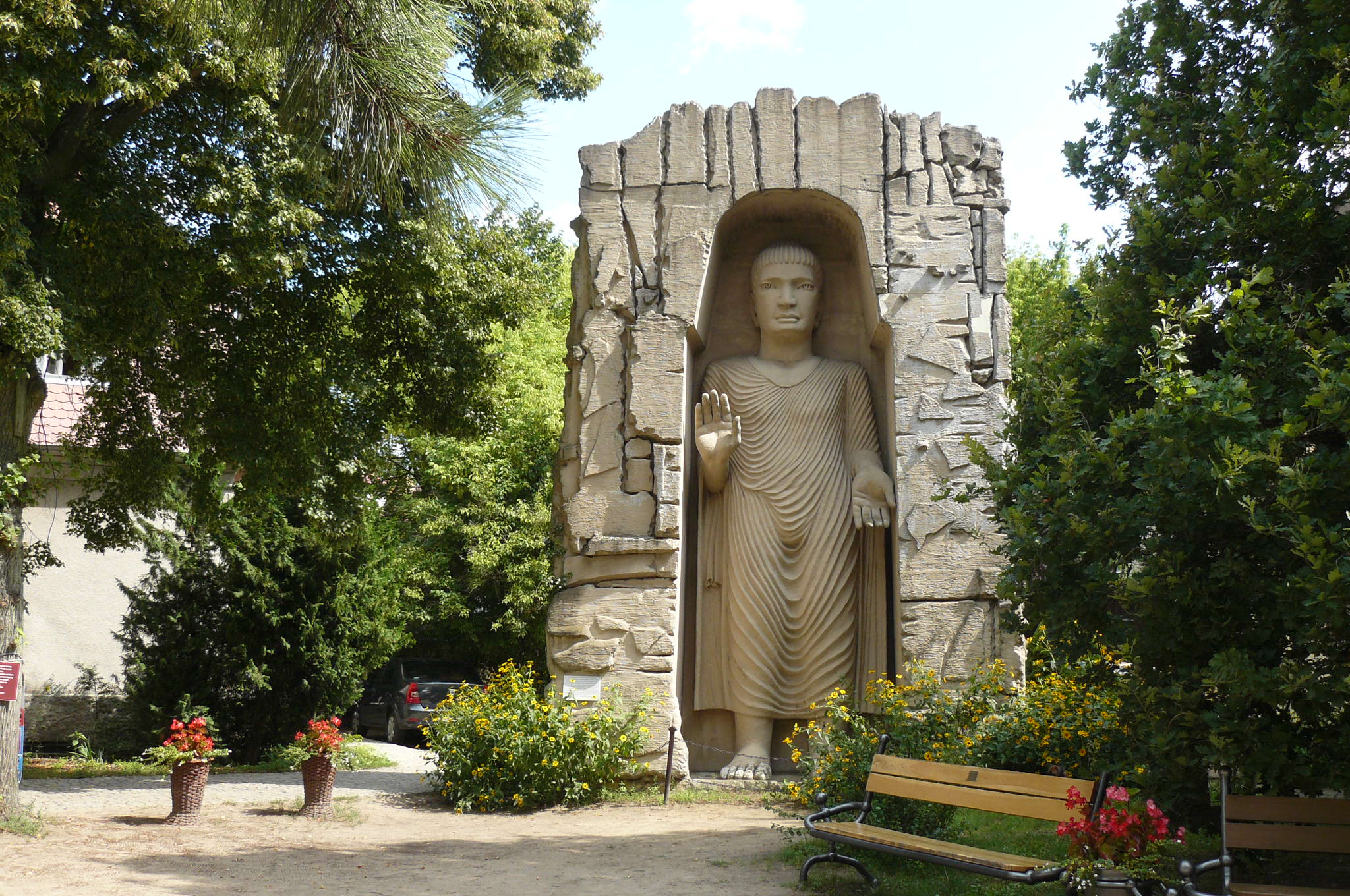
Buddhas of Bamiyan
Monumental Buddhist statues in cliff niches
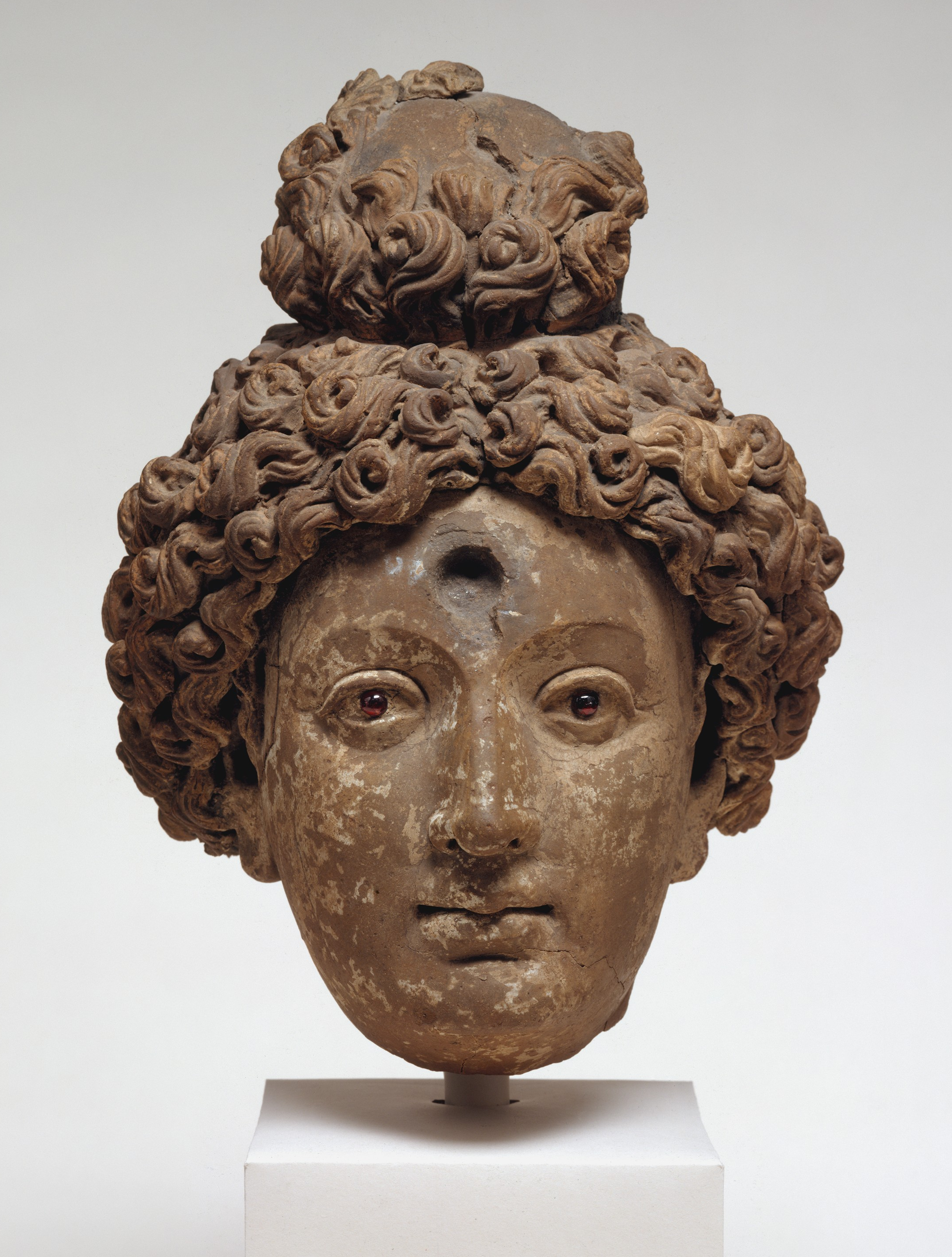
Tapa Shotor
Large Sarvastivadin monastery with Hellenistic influences
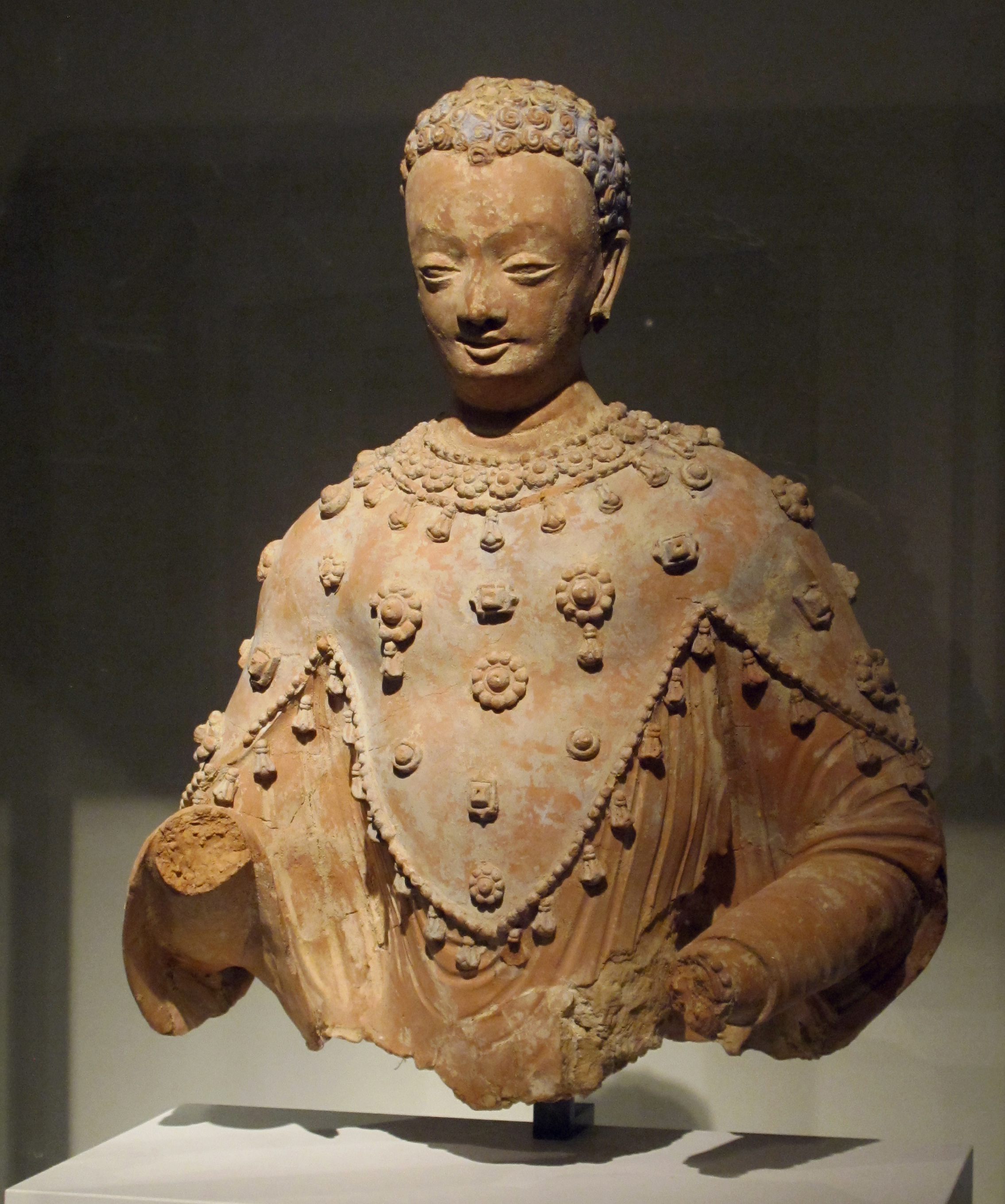
Fondukistan monastery
Buddhist monastery with intricate sculptures
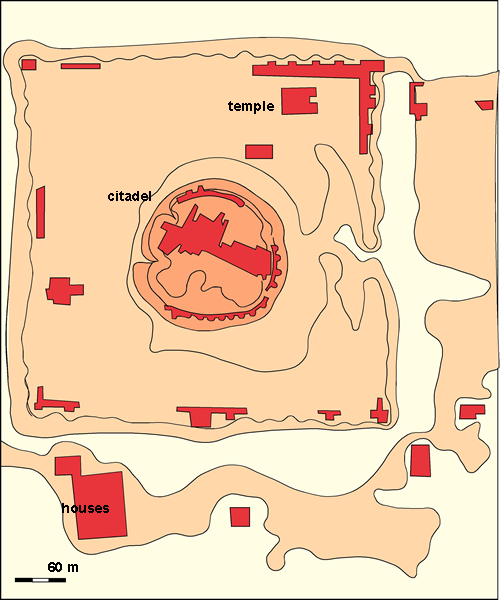
Dilberjin Tepe
Ancient town with Kushan-era citadel and murals.
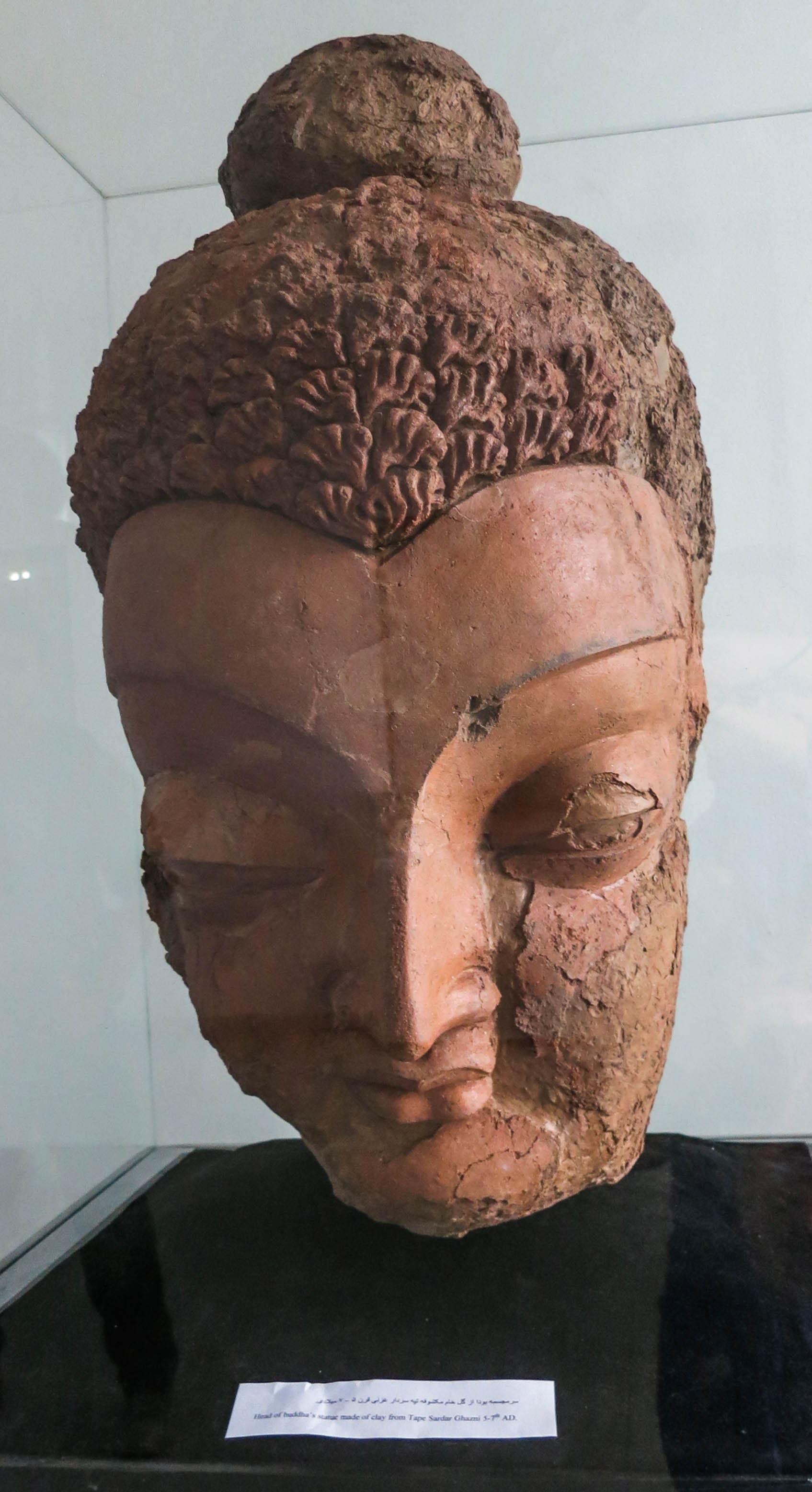
Tepe Sardar
Ancient Buddhist monastery with Hellenistic influence
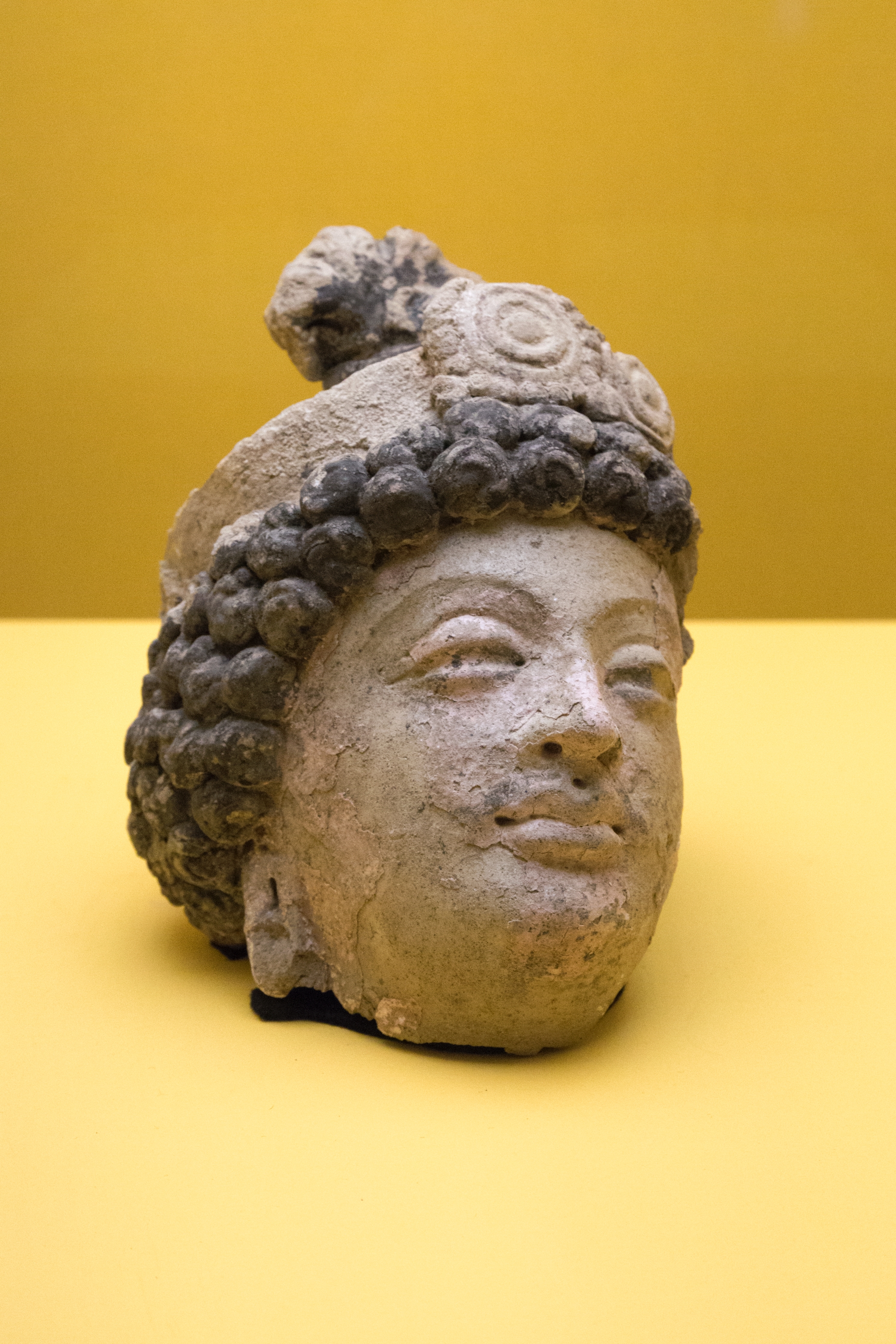
Mes Aynak
Buddhist settlement with copper deposits