Time Periods
Paleolithic
Mesolithic
Neolithic
Chalcolithic
Bronze Age
Iron Age
Classical Period
Post-Classical Period
Early Modern Period
Industrial Period
Contemporary Period
Time Periods
Paleolithic
Mesolithic
Neolithic
Chalcolithic
Bronze Age
Iron Age
Classical Period
Post-Classical Period
Early Modern Period
Industrial Period
Contemporary Period
Location
About
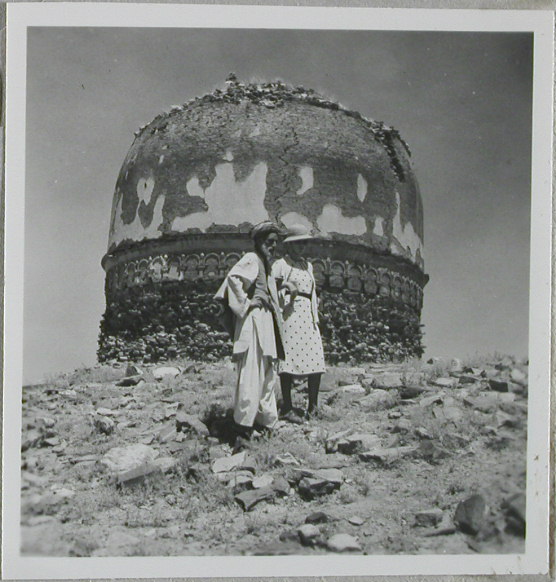
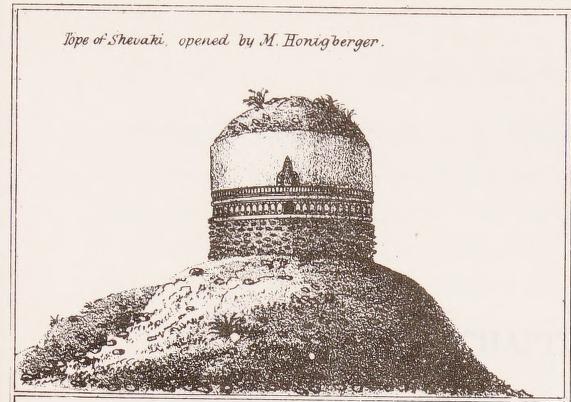
The Shewaki site in Afghanistan is renowned for the Shahbahar, an important historical structure that transitioned from a Buddhist stupa to a Hindu temple over the centuries. Originally constructed between the 1st and 3rd centuries CE during the Kushans dynasty, the site embodies the rich religious and cultural transformations that occurred in the region. Under the rule of the Kabul Shahi, the stupa was converted into a Hindu temple, reflecting the dynamic shifts in religious practices and influences in Afghanistan's history. The recent reconstruction efforts, completed in 2022, highlight the ongoing significance and preservation of this archaeological site. The Shewaki site is a testament to the architectural and cultural evolution through different historical periods, making it an invaluable piece of Afghanistan's diverse heritage.
Gallery
Explore photographs of ancient structures, artifacts, and archaeological excavations at Shewaki
Archaeological Features
Explore the unique architectural and cultural elements found at this historical site
Religious and Ritual Structures
Historical Timeline
Journey through time and discover key events in this site's archaeological history
Plan Your Visit
Details
- Country
- Afghanistan
- Source
- Wikipedia
More Sites in Afghanistan
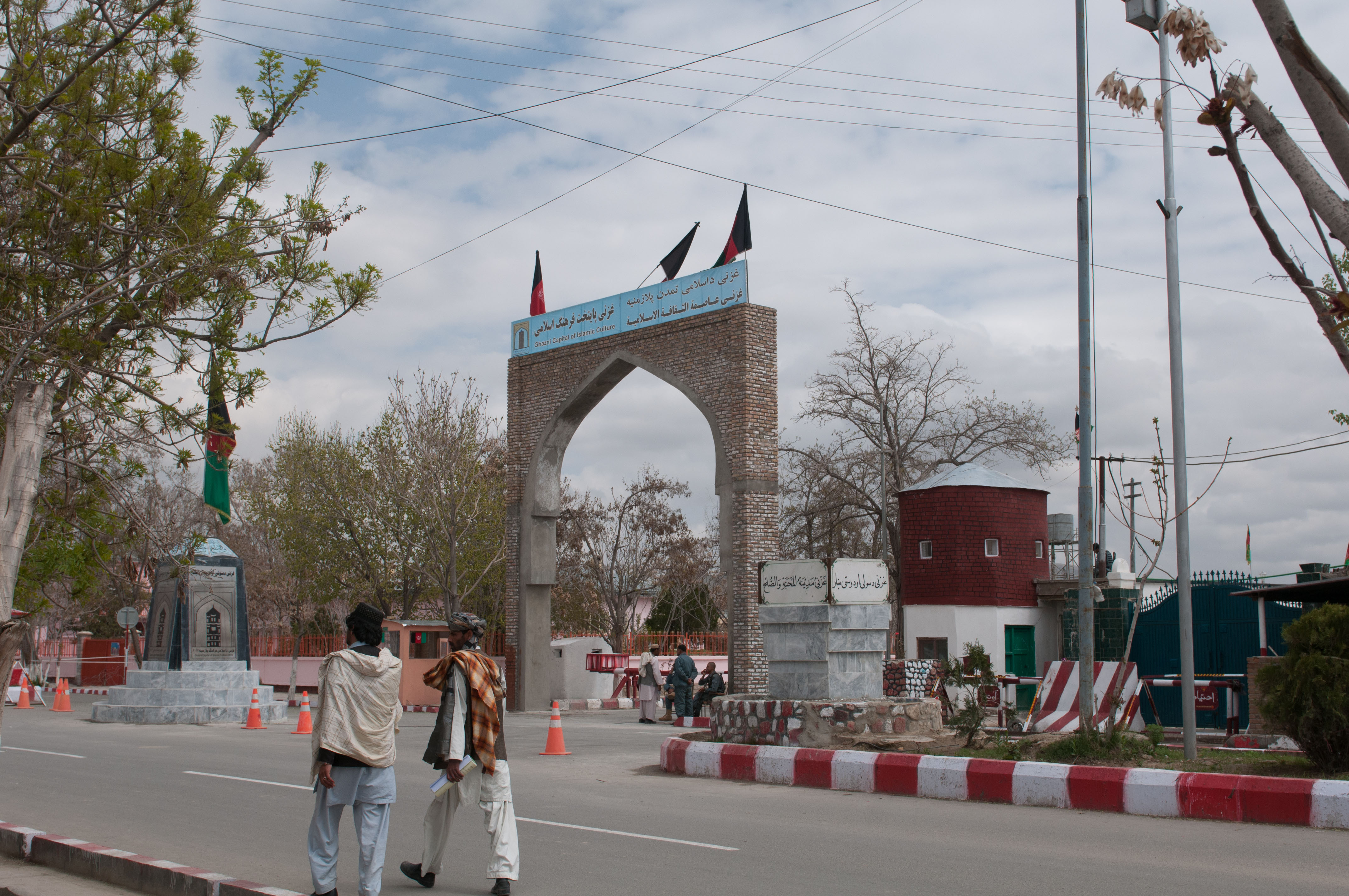
Ghazni
Ancient city with diverse historical structures
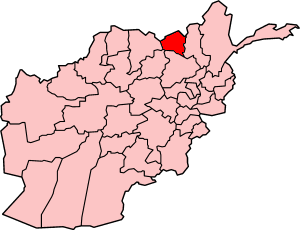
Asqalan, Afghanistan
Ancient tomb site near Kunduz, Afghanistan
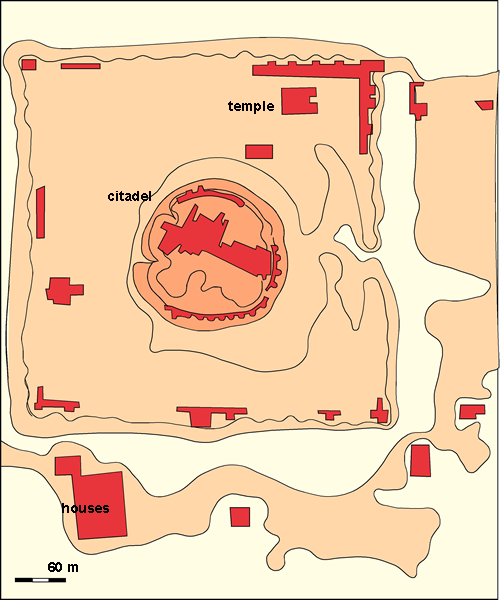
Dilberjin Tepe
Ancient town with Kushan-era citadel and murals.
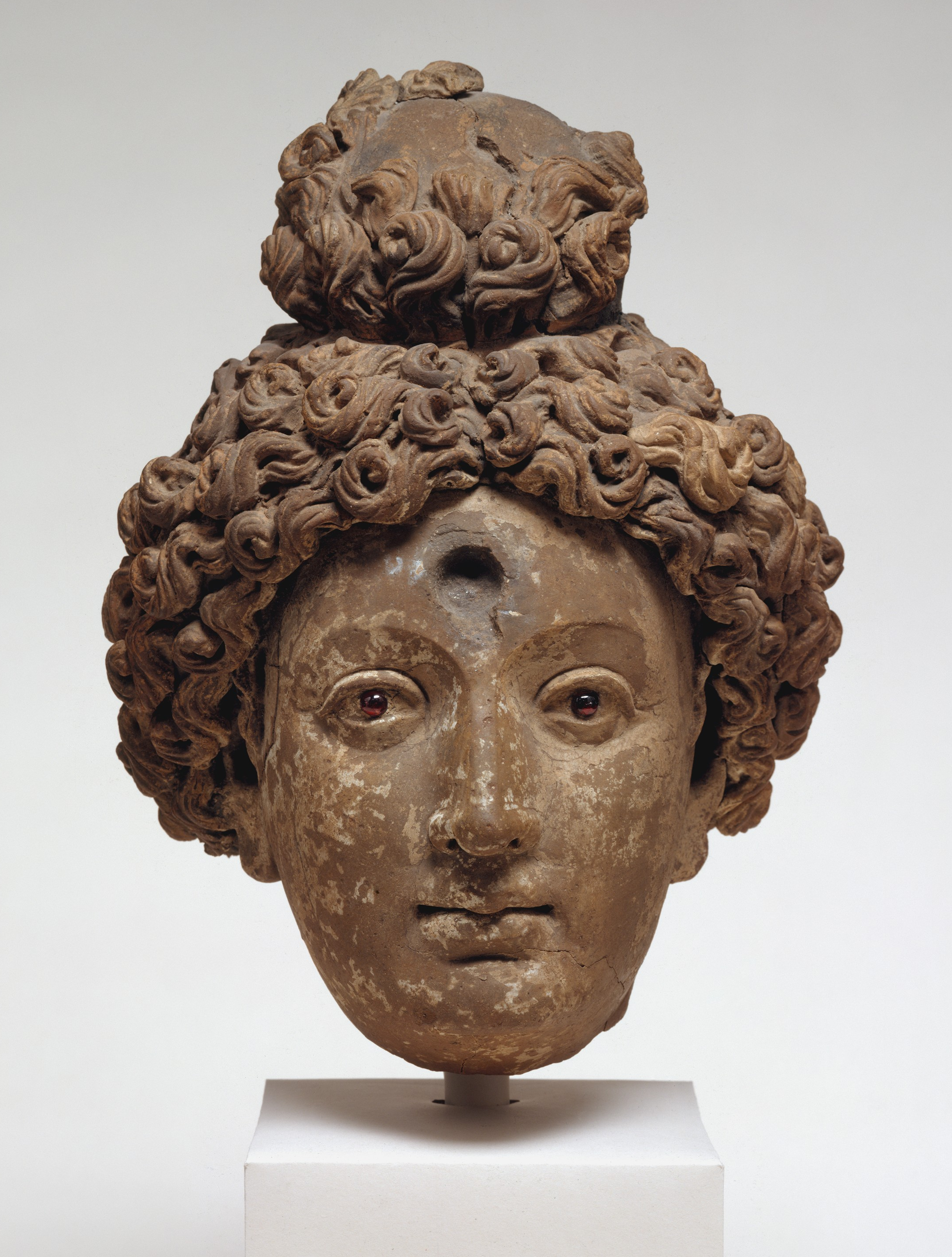
Tapa Shotor
Large Sarvastivadin monastery with Hellenistic influences
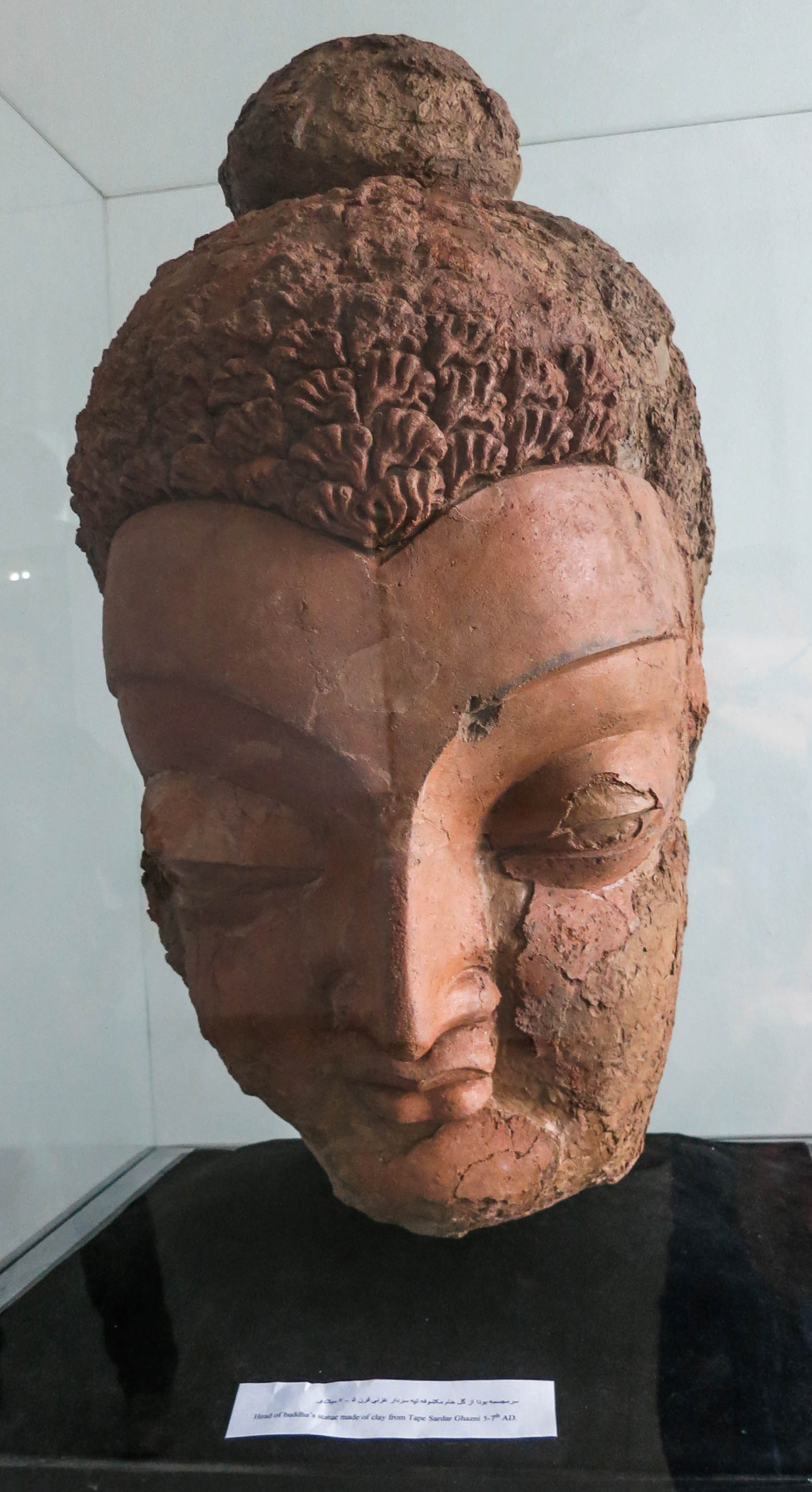
Tepe Sardar
Ancient Buddhist monastery with Hellenistic influence
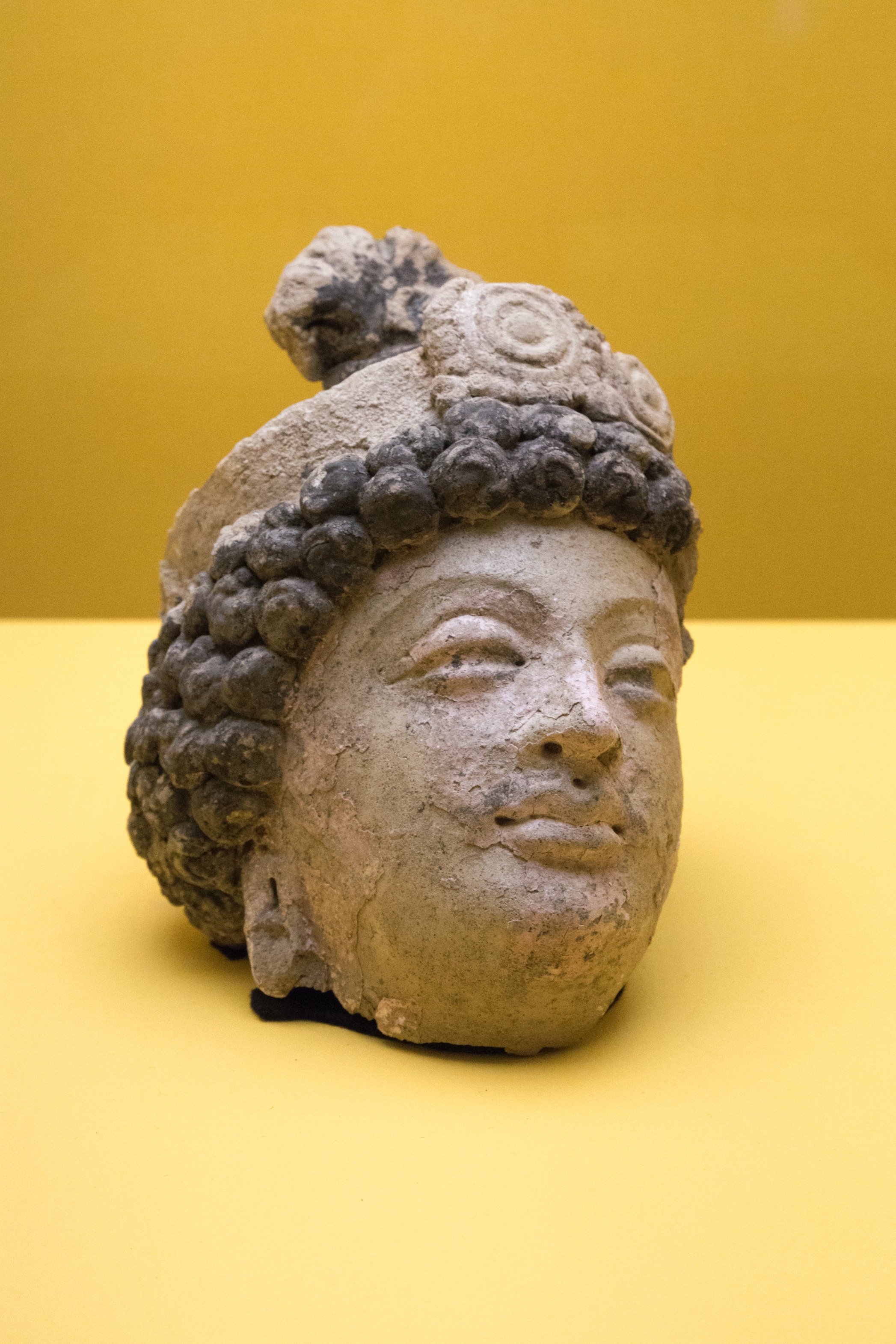
Mes Aynak
Buddhist settlement with copper deposits