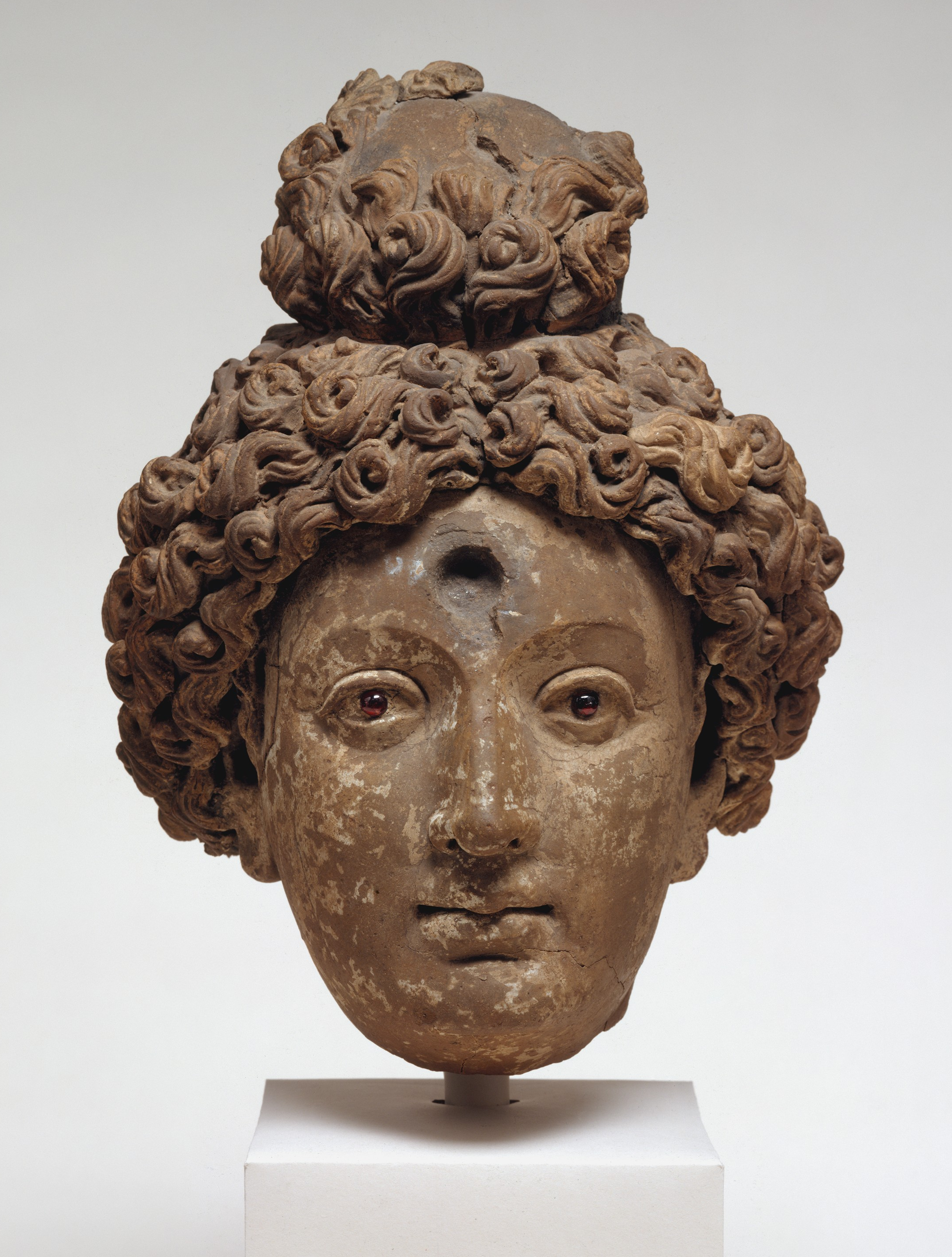
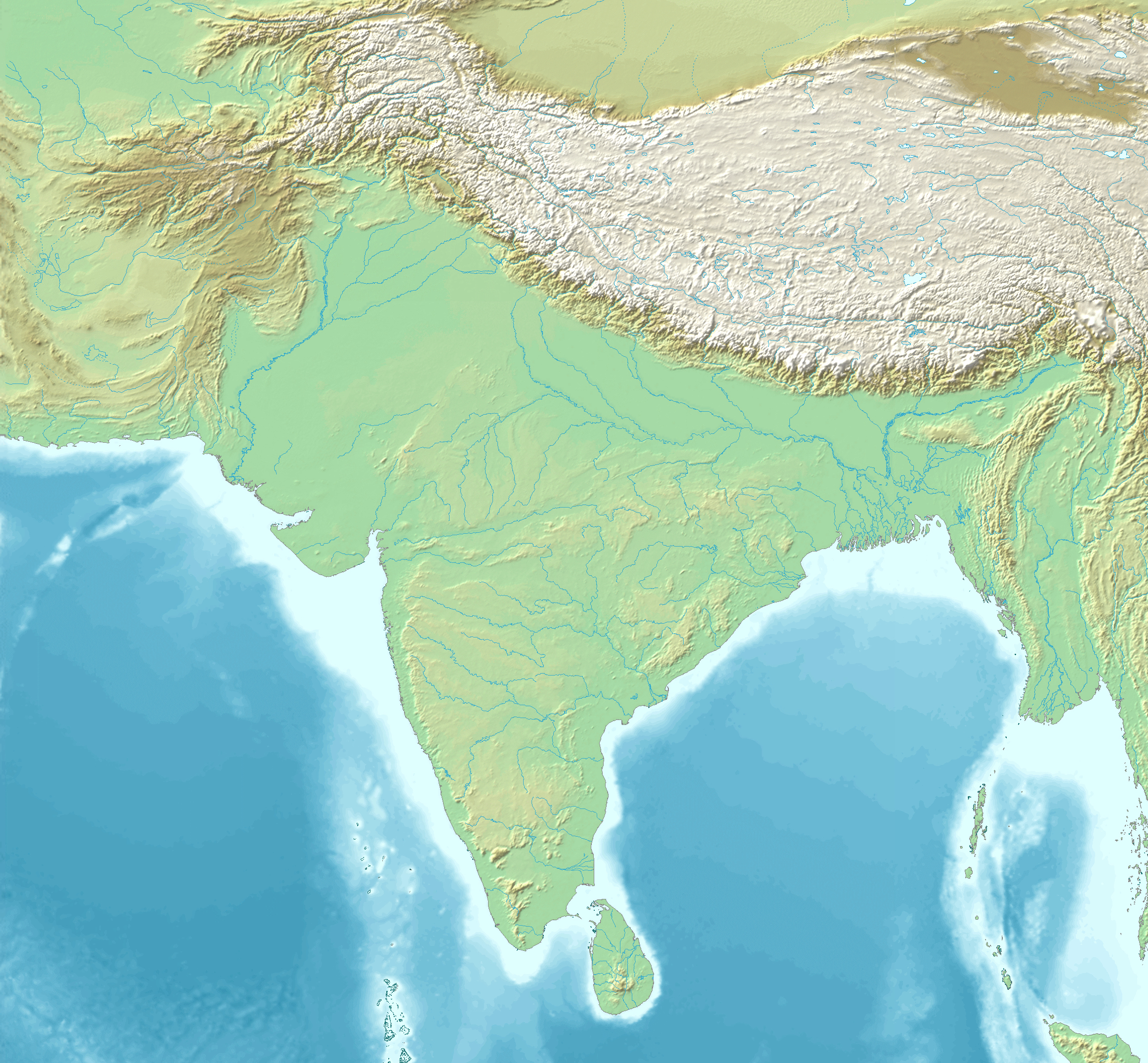
Explore the Map
Tapa Shotor
34.3660° N, 70.4690° E
About
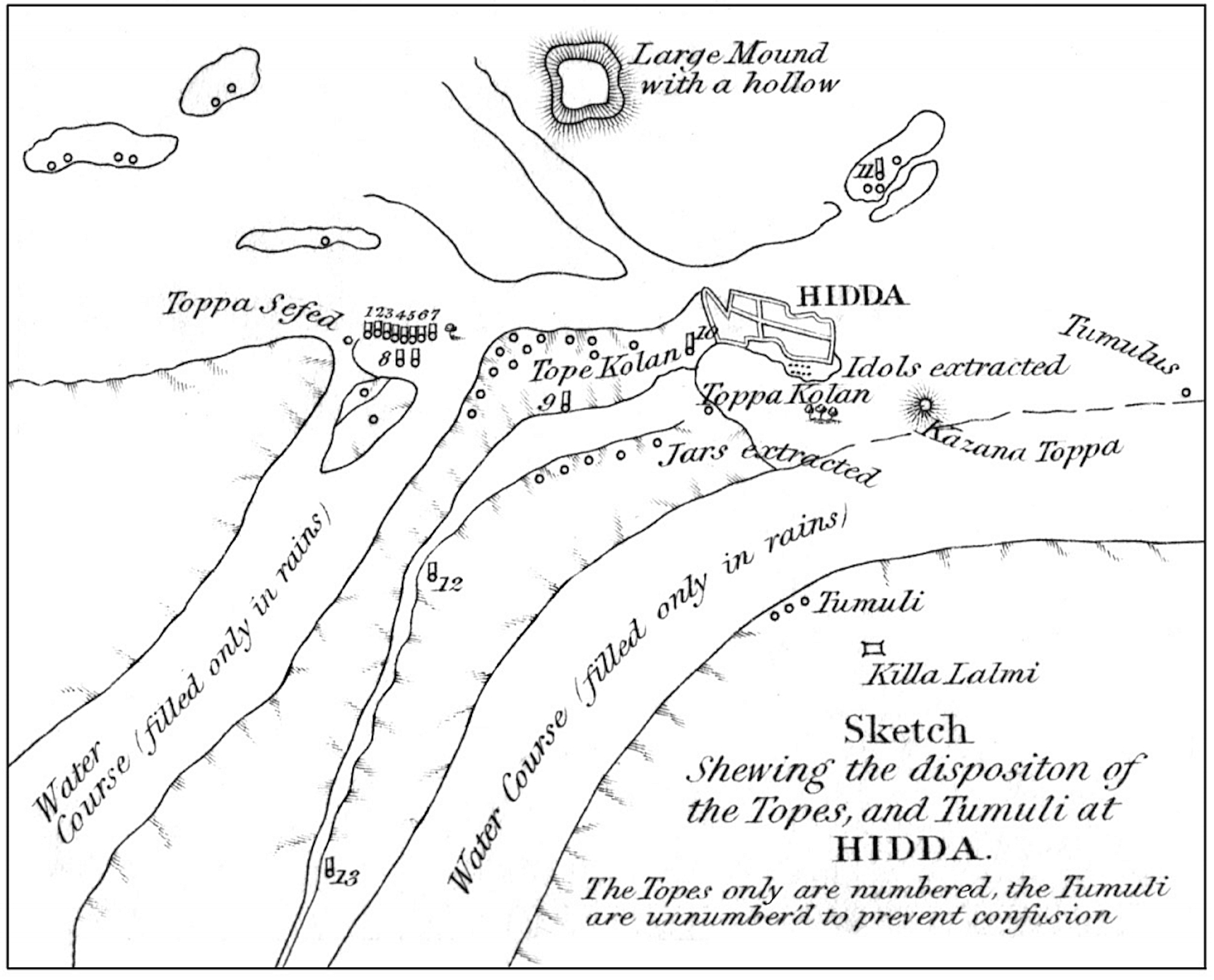
Tapa Shotor, also known as Tape Shotor, was a significant Sarvastivadin monastery near Hadda, Afghanistan, illustrating a confluence of Greco-Buddhist and Hellenistic artistic traditions. The site, dating back to the 1st century BCE, reflects a unique historical timeline that includes periods under Indo-Scythian, Kushan, and Kidarite influences. The monastery's artistic creations, particularly its clay sculptures and statues, showcase the profound impact of Hellenistic art, possibly a result of Greek migration from the Greco-Bactrian cities. Key features of the site include religious structures like stupas and temples, alongside exquisite decorative elements such as statues and reliefs. Despite its historical significance, Tapa Shotor faced destruction by fire in the 9th century CE, ending centuries of religious and cultural legacy.
Gallery
Explore photographs of ancient structures, artifacts, and archaeological excavations
Historical Timeline
Journey through time and discover key events in this site's history
Kidarites occupation
4th-5th century CE
Pre-monastic period
35-12 BCE
First Buddhist period
155-187 CE
Creation of niche XIII
225-350 CE
Site inactive period
500-750 CE
Destruction by fire
9th century CE
Archaeological Features
Unique architectural and cultural elements found at this historical site
Religious and Ritual Structures
Artistic and Decorative Features
Frequently Asked Questions
Plan Your Visit
Tours, travel arrangements, and practical information
More Sites in Afghanistan
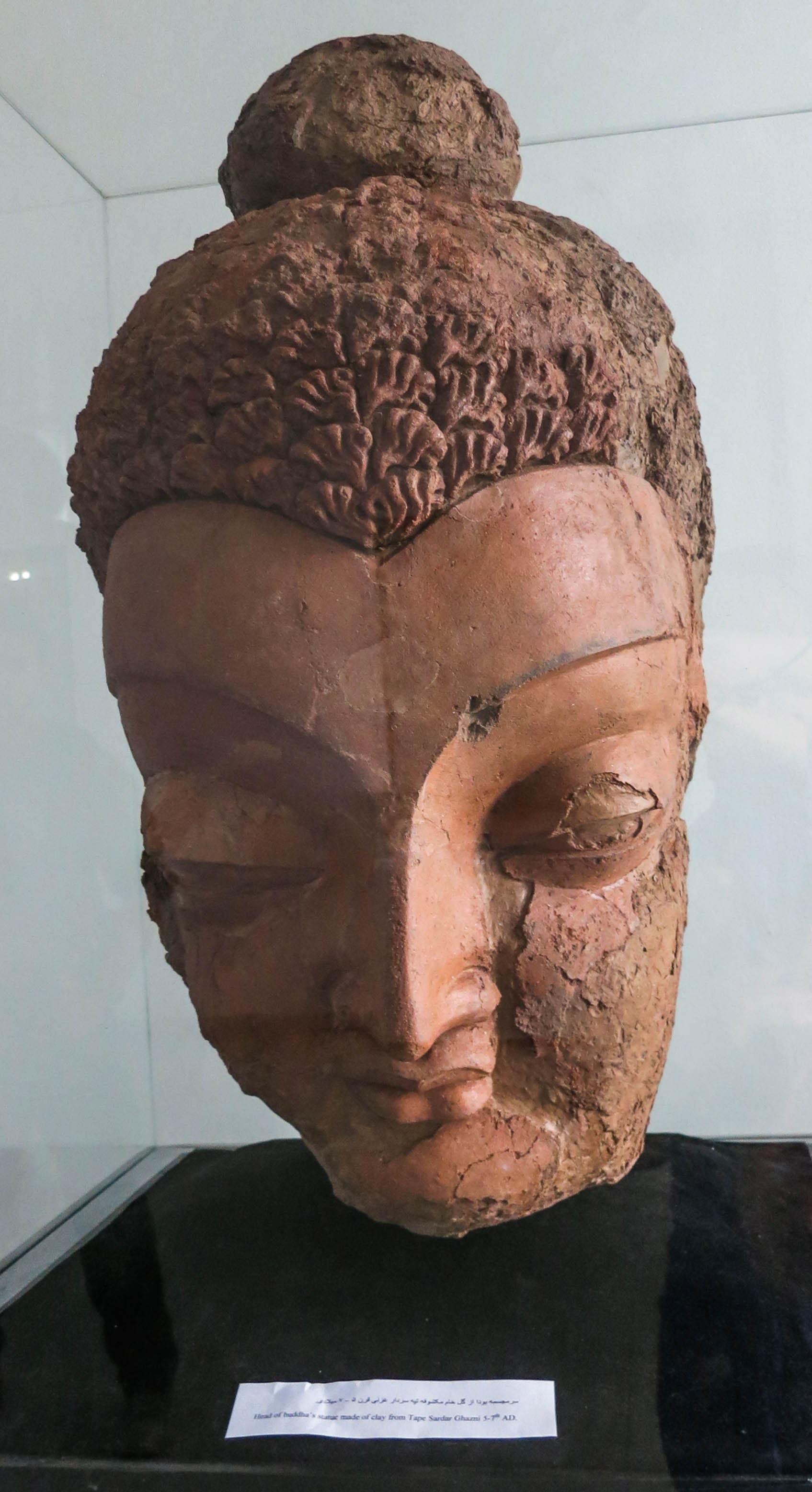
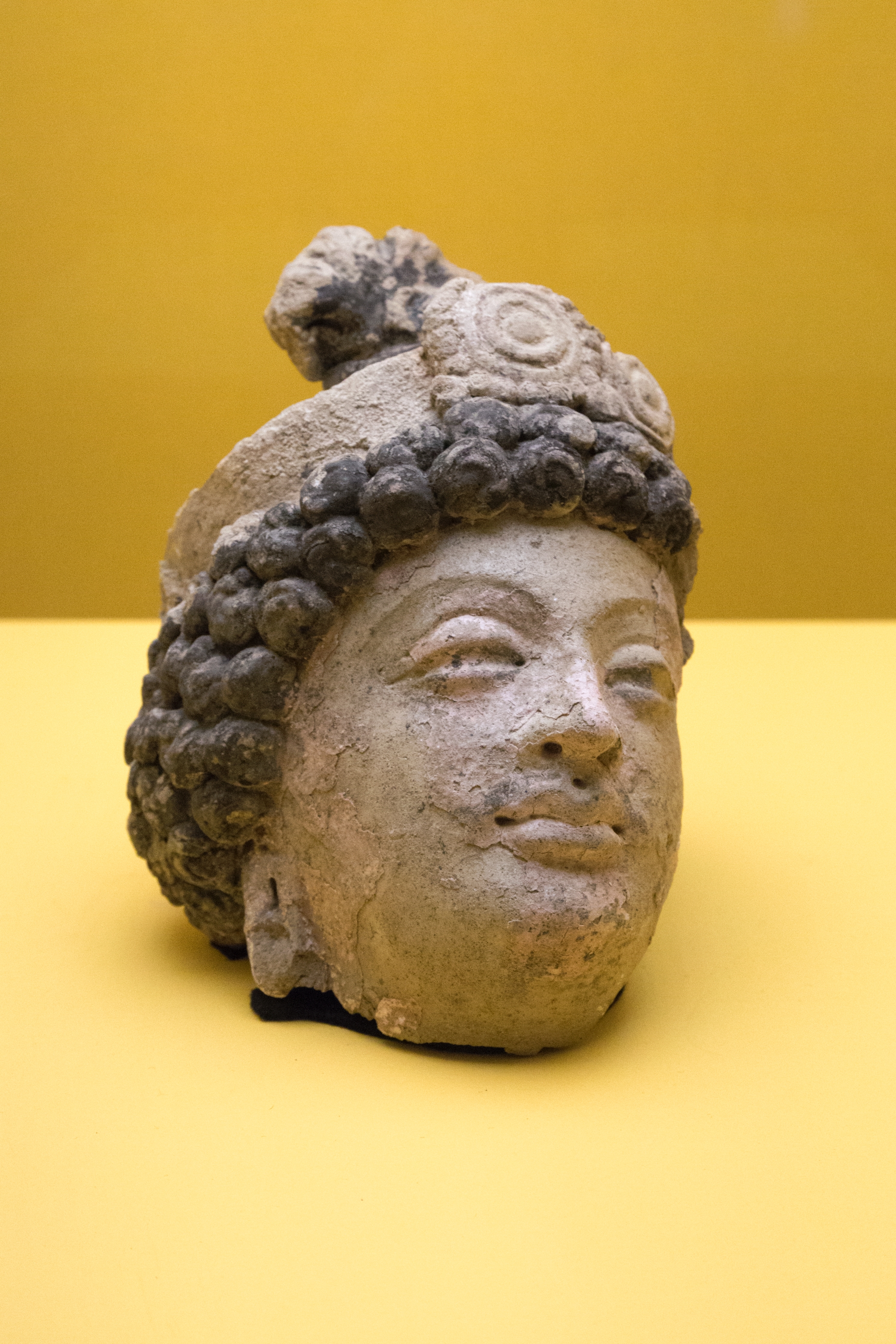
Tepe Sardar
Ancient Buddhist monastery with Hellenistic influence
Mes Aynak
Buddhist settlement with copper deposits
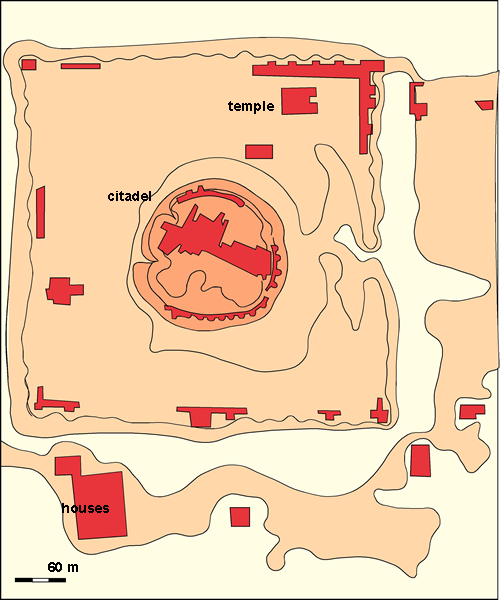
Dilberjin Tepe
Ancient town with Kushan-era citadel and murals.
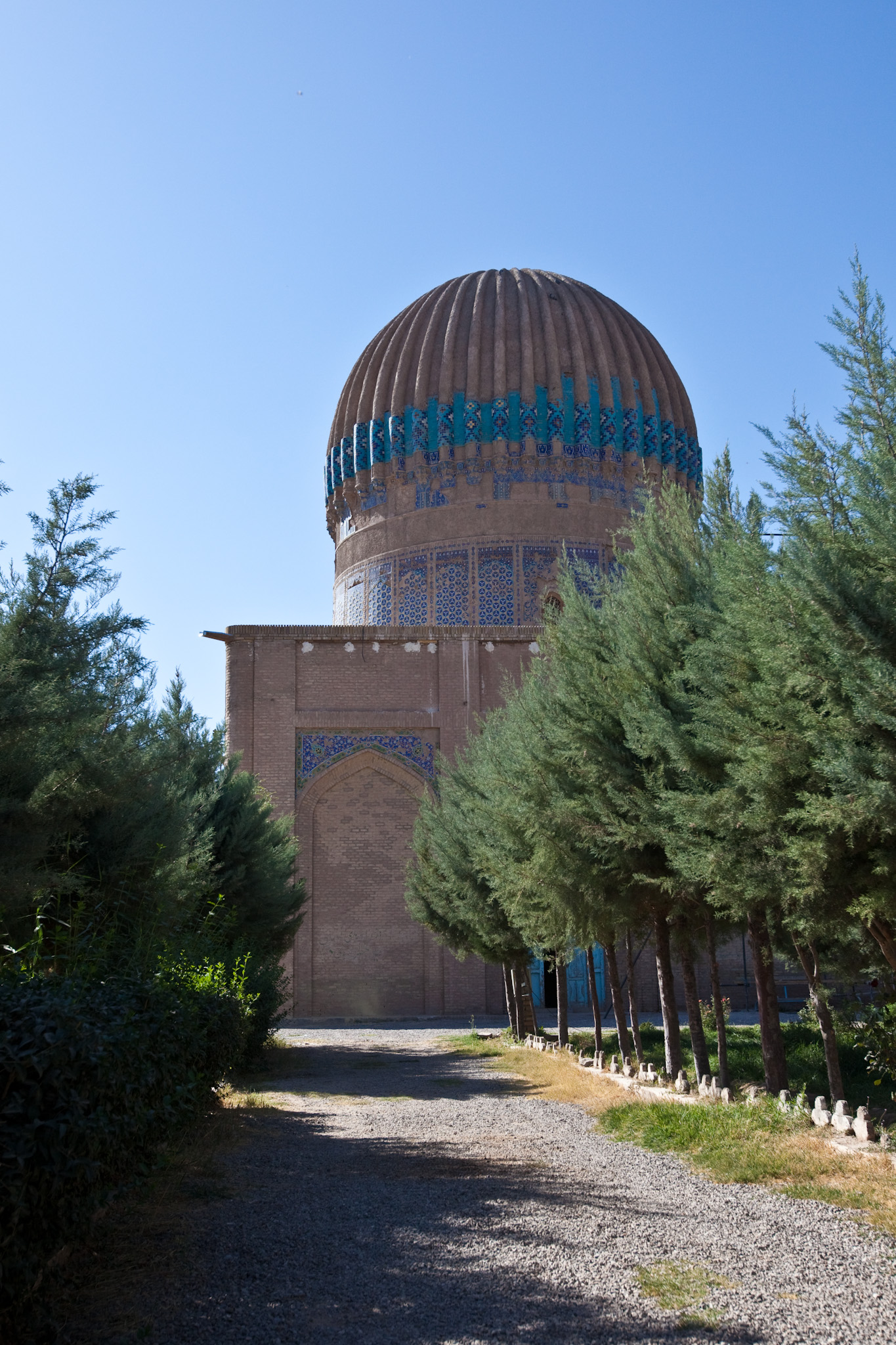
Gawhar Shad Mausoleum
15th-century Timurid royal tomb structure.
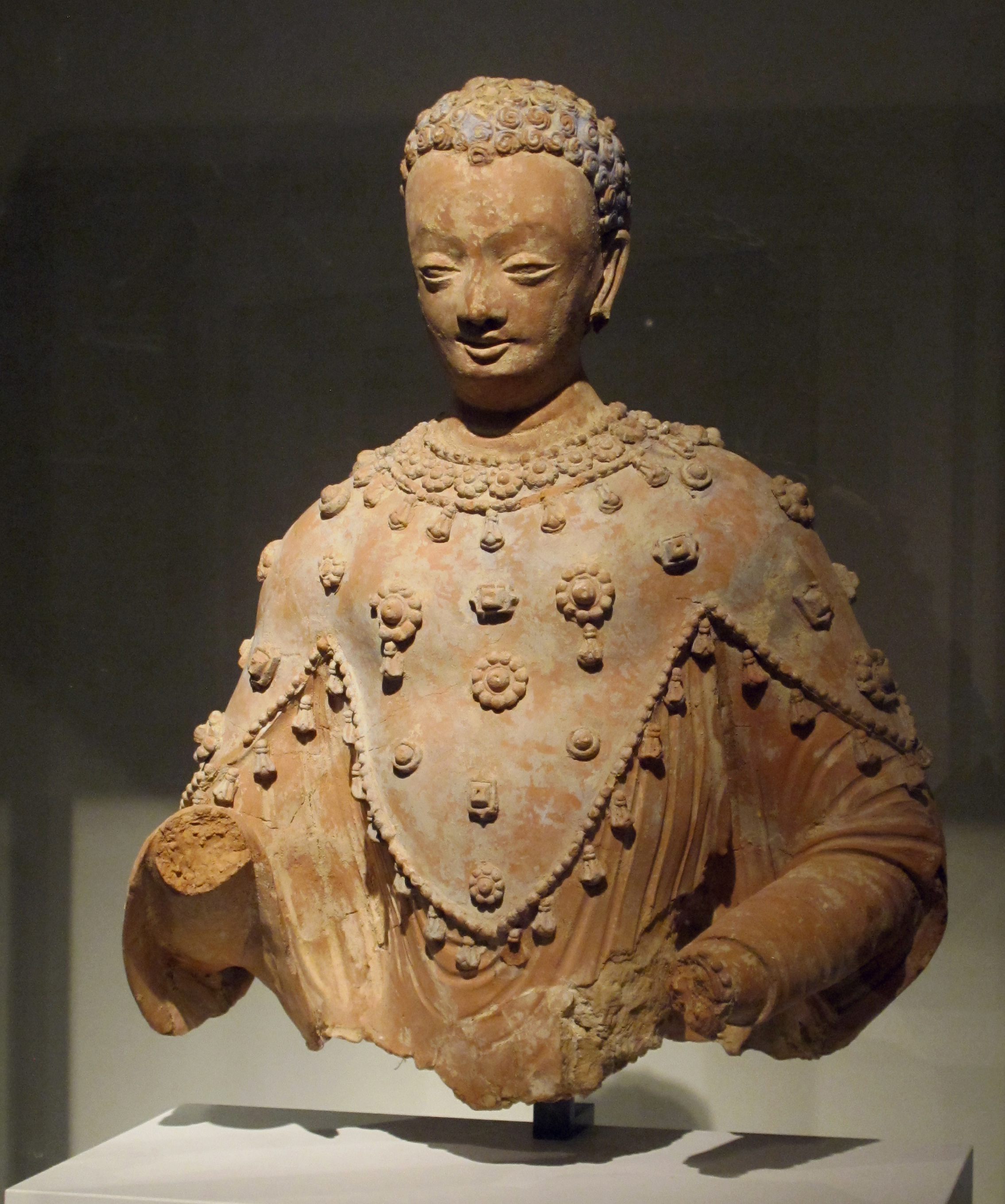
Fondukistan monastery
Buddhist monastery with intricate sculptures
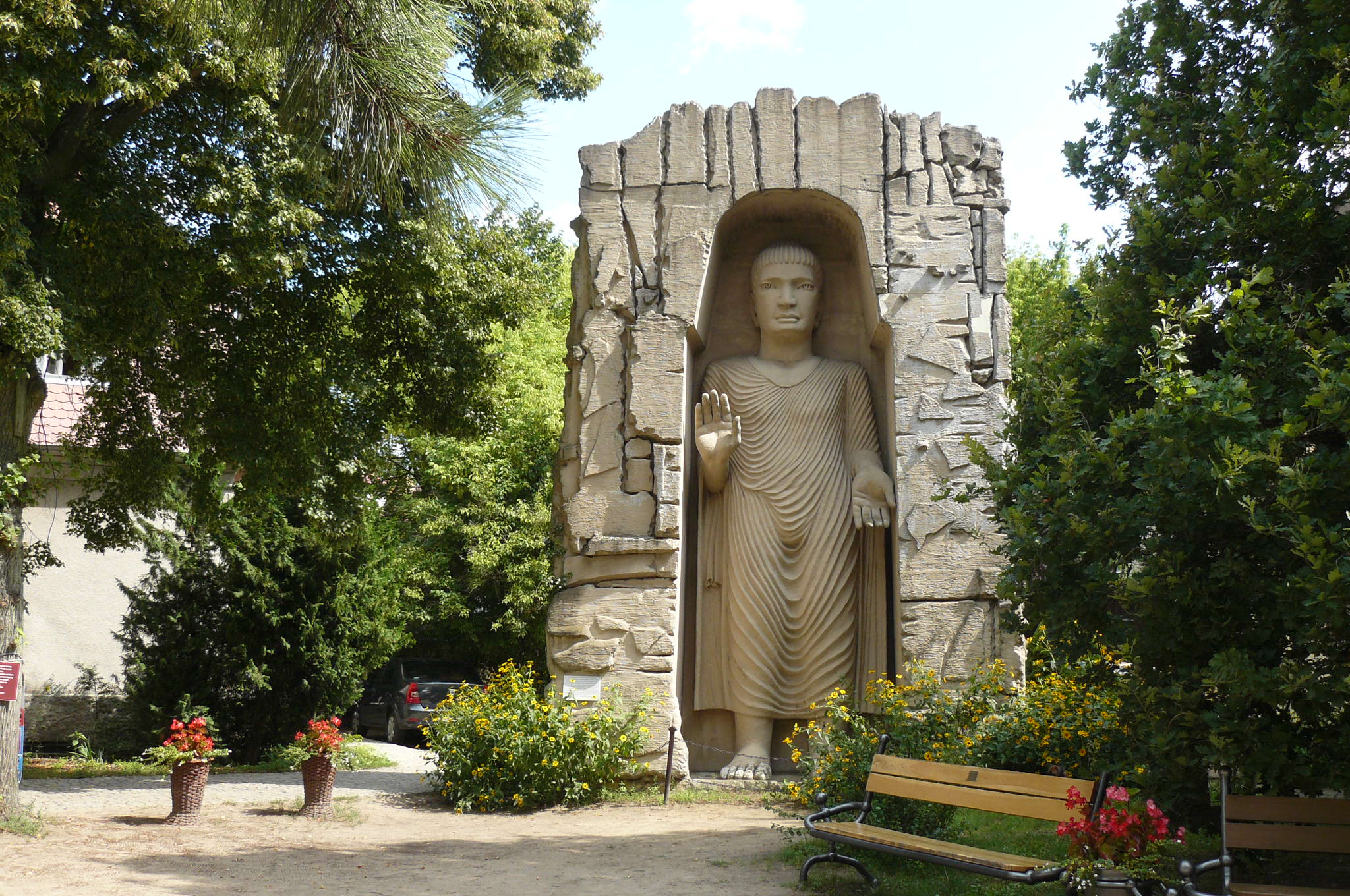
Buddhas of Bamiyan
Monumental Buddhist statues in cliff niches