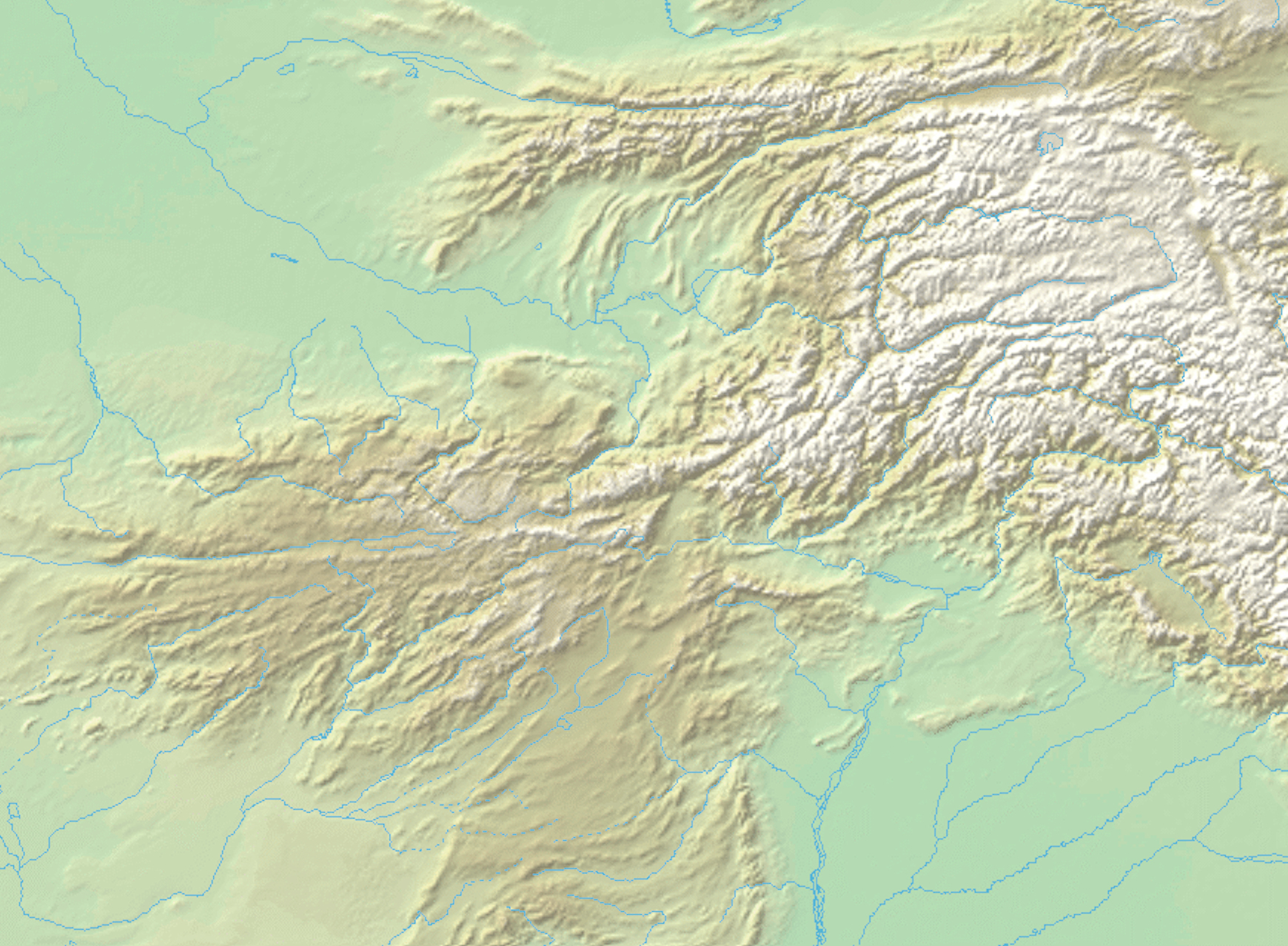
Explore the Map
Tepe Sardar
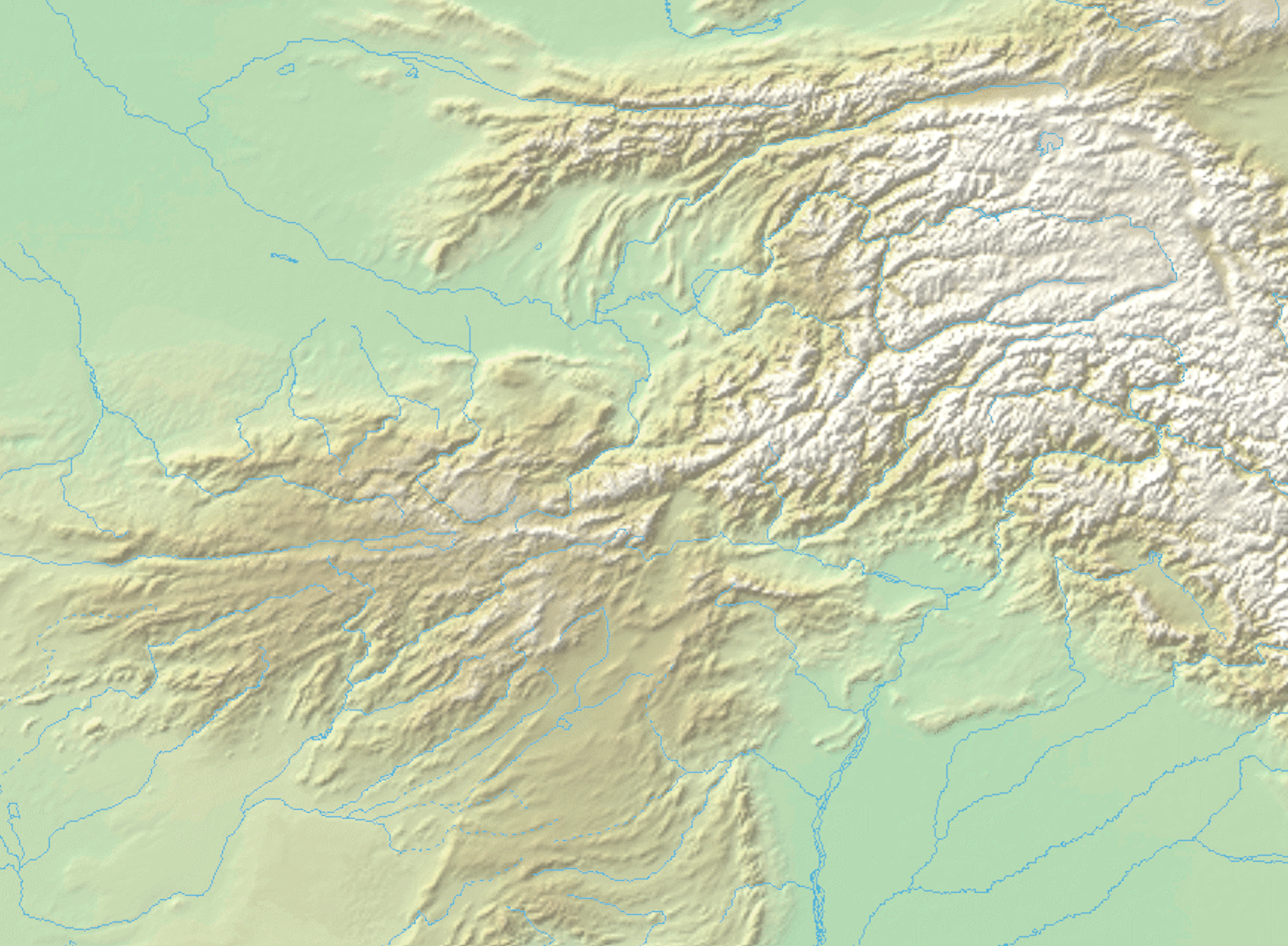
33.5584° N, 68.4568° E
About
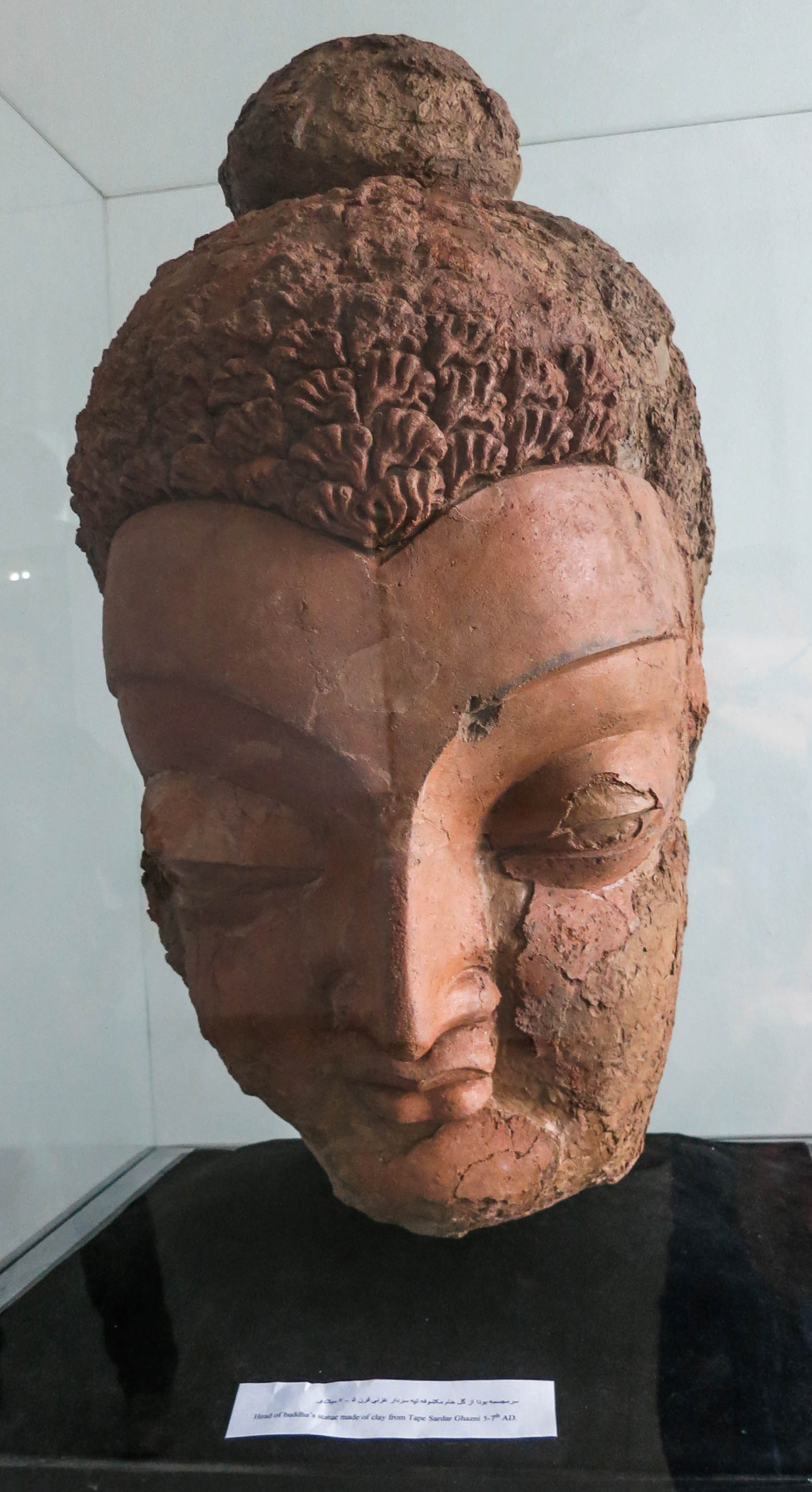
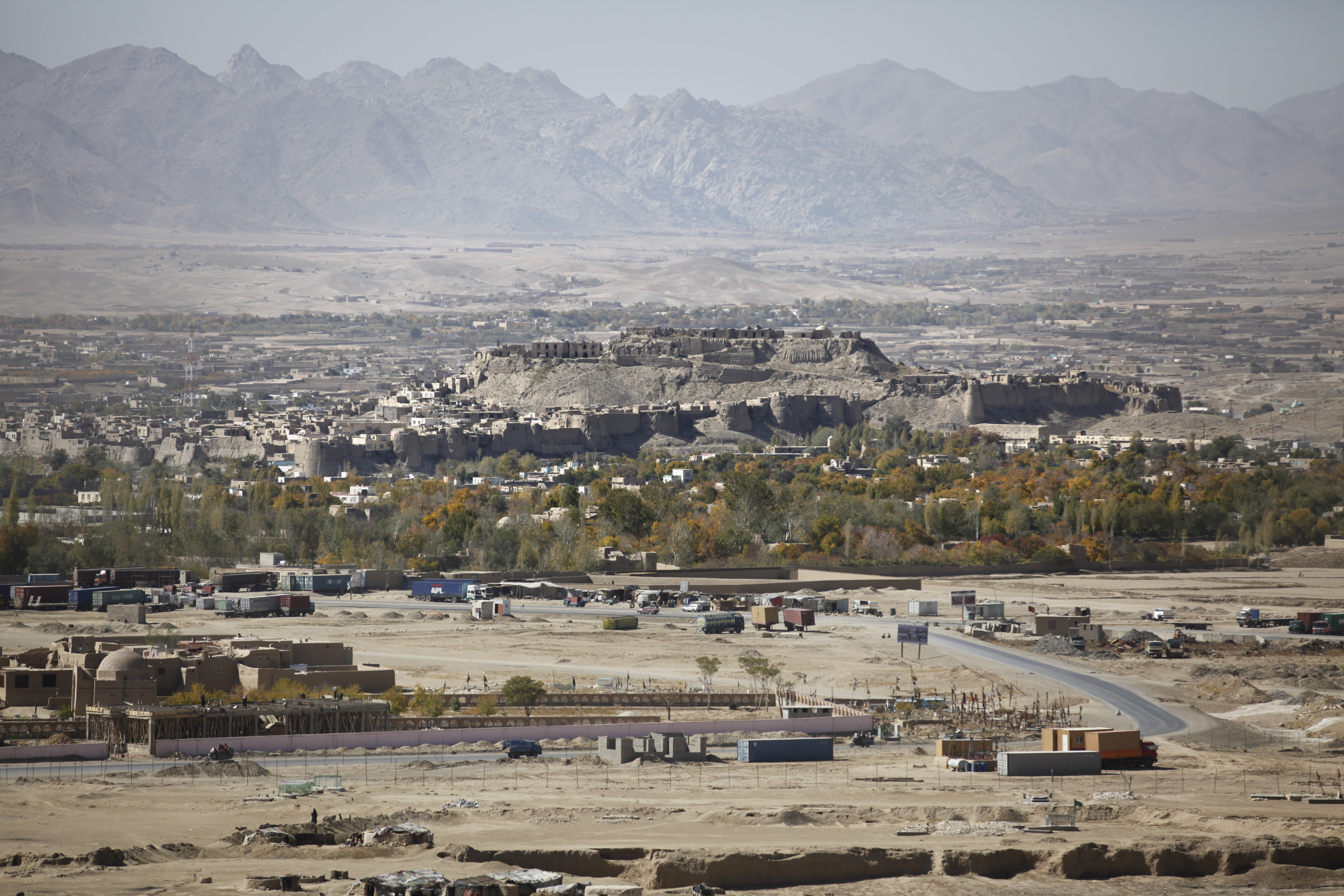
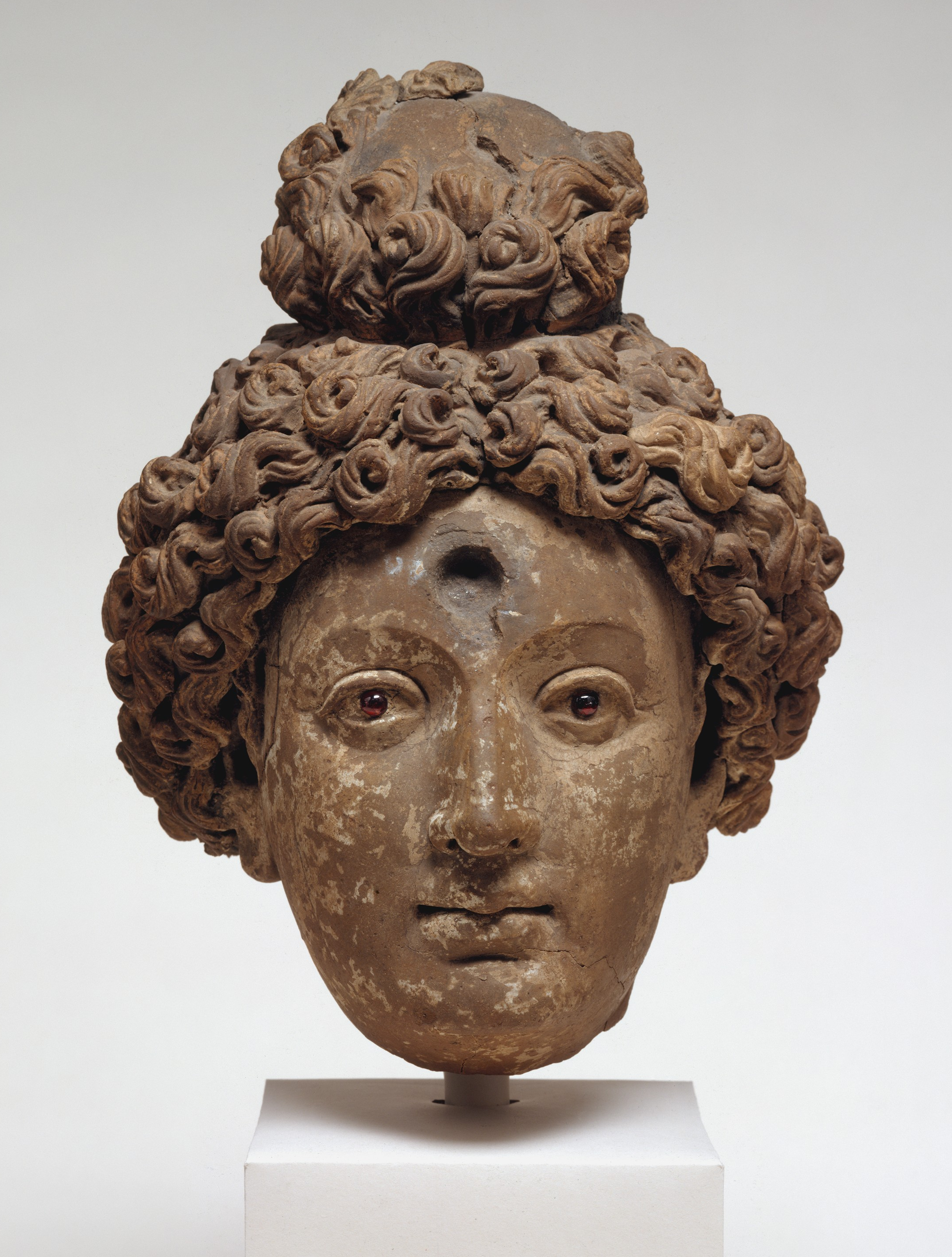
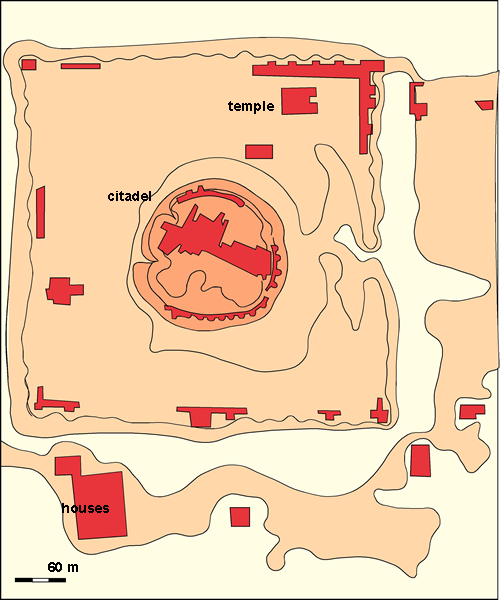
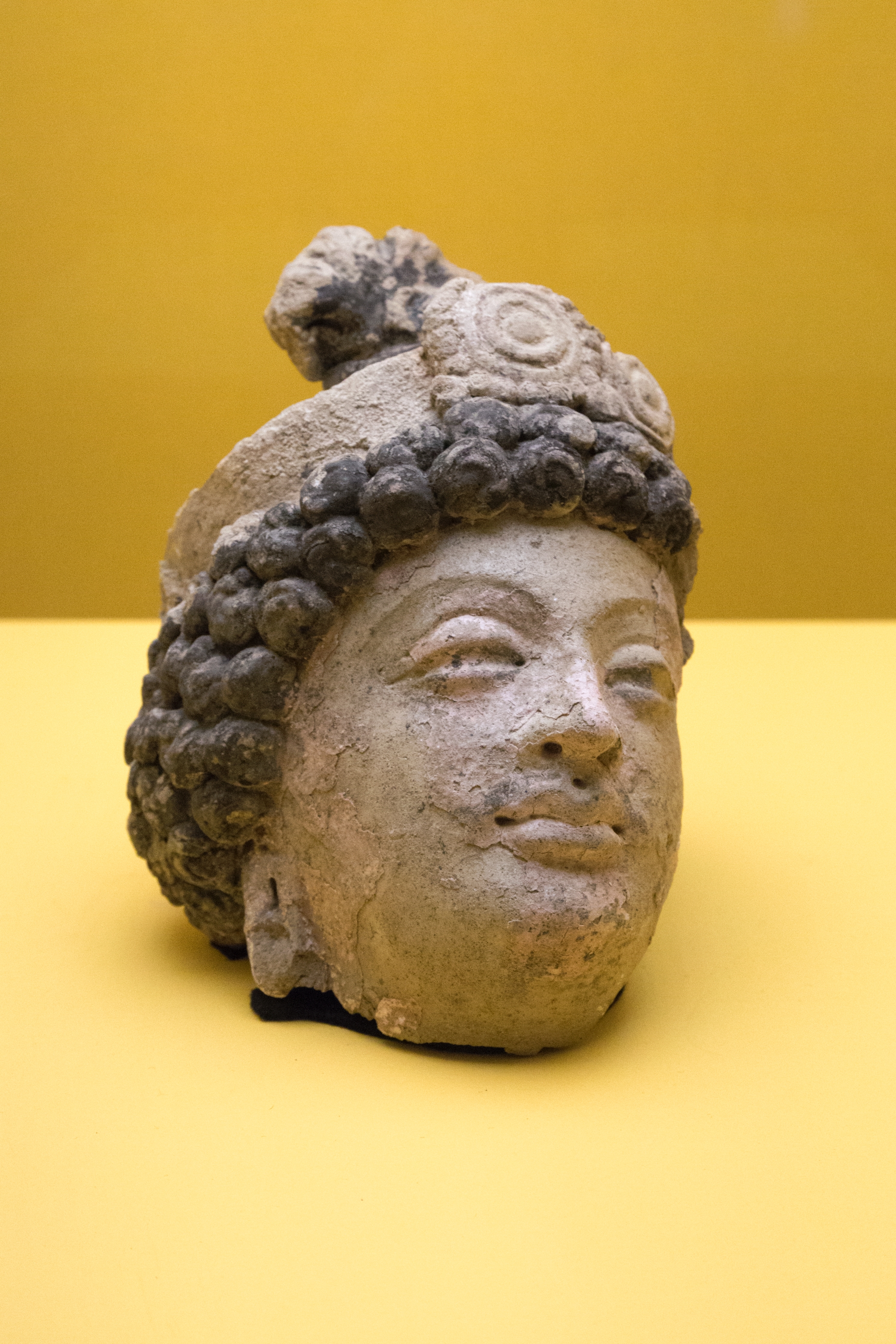
Tepe Sardar, located near Ghazni, Afghanistan, is a significant archaeological site showcasing the evolution of Buddhist art and architecture across centuries. Initially established as a Buddhist monastery known as Kanika mahārāja vihāra during the Kushan Empire in the 3rd century CE, the site reflects the influence of Hellenistic art, a testament to the cultural interactions of the time. The site suffered destruction in the 7th century CE, likely due to Muslim incursions, but was rebuilt with a fortress-like structure. This later phase is marked by a dramatic shift to Sinicized Indian art styles, influenced by the Tang dynasty's expansion. The sanctuary's final phase incorporates Chinese artistic elements, reflecting a broader cultural exchange in Central Asia. The site was eventually abandoned or destroyed in the late 8th century CE, marking the end of its occupation.
Gallery
Explore photographs of ancient structures, artifacts, and archaeological excavations
Historical Timeline
Journey through time and discover key events in this site's history
Early sanctuary construction
200 CE
Sanctuary destruction by fire
671 CE
Late sanctuary reconstruction
680 CE
Post-Gupta phase artistic shift
680-720 CE
Chinese phase construction
720-750 CE
Final destruction or abandonment
795 CE
Archaeological Features
Unique architectural and cultural elements found at this historical site
Defensive Structures
Religious and Ritual Structures
Frequently Asked Questions
Plan Your Visit
Tours, travel arrangements, and practical information
More Sites in Afghanistan
Tapa Shotor
Large Sarvastivadin monastery with Hellenistic influences
Dilberjin Tepe
Ancient town with Kushan-era citadel and murals.
Mes Aynak
Buddhist settlement with copper deposits
Khair Khaneh
Buddhist archaeological site in Kabul, Afghanistan.
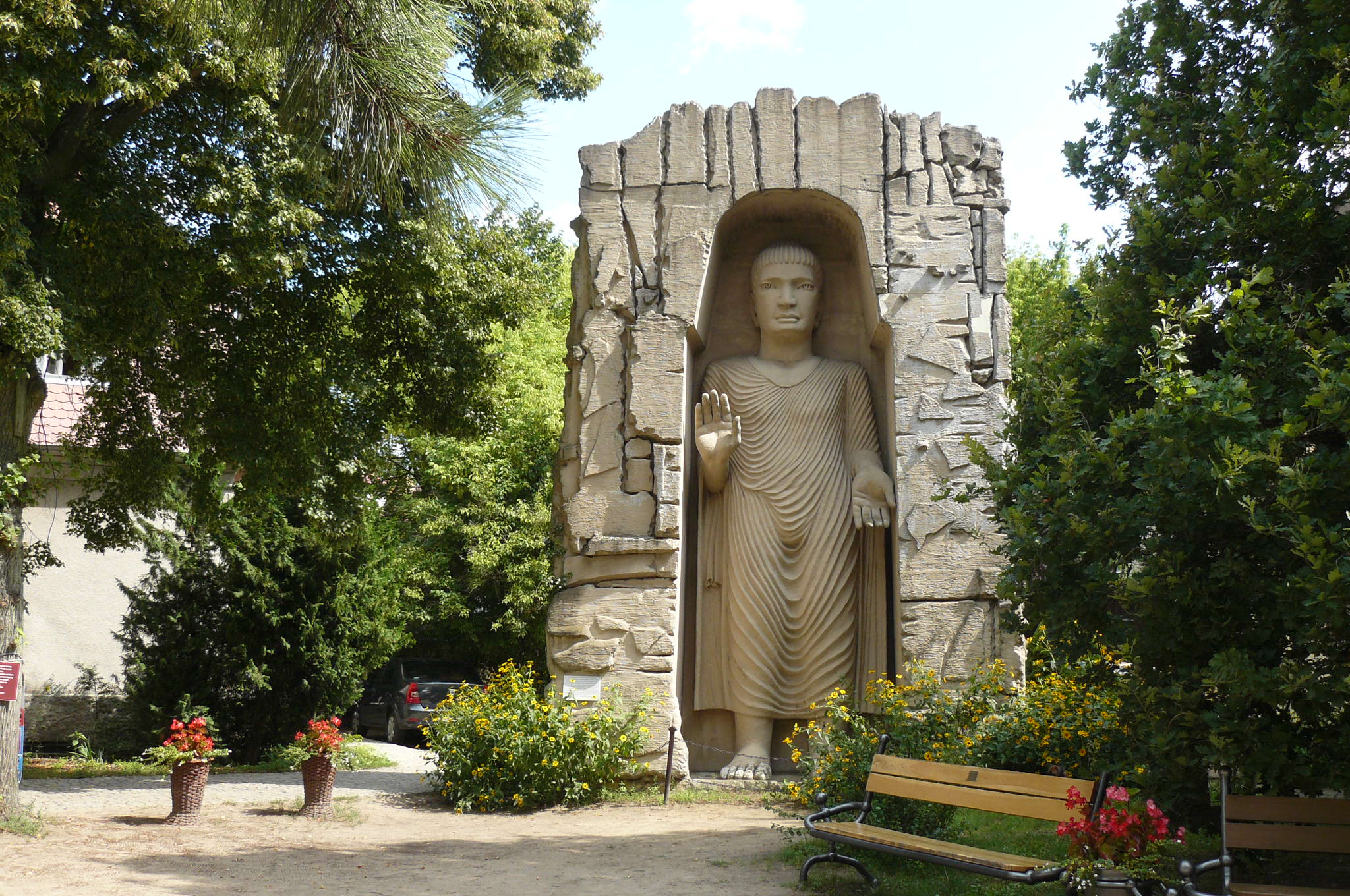
Buddhas of Bamiyan
Monumental Buddhist statues in cliff niches
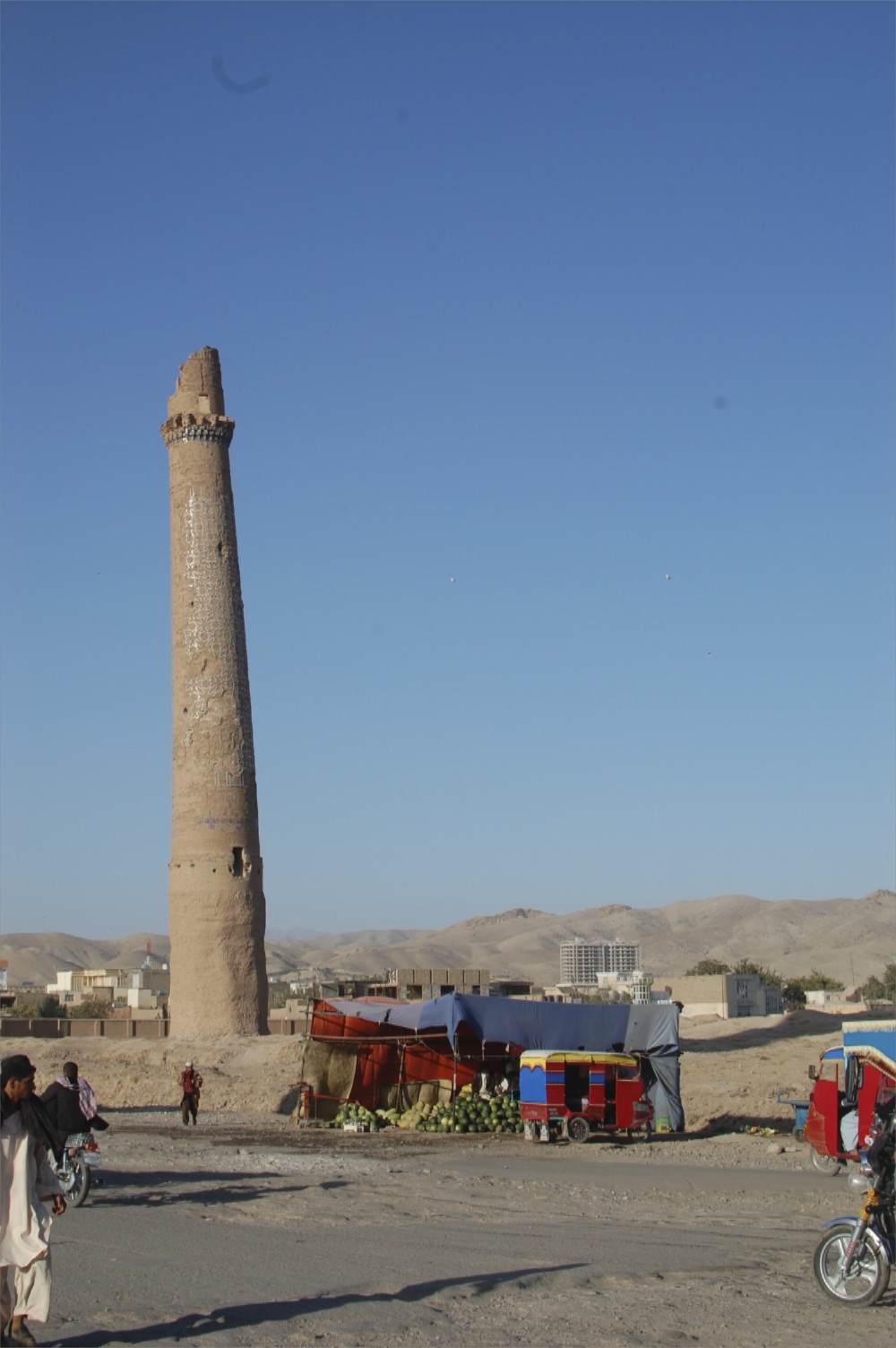
Musalla complex
Timurid architectural ruins with minarets and mausoleums.