

Explore the Map
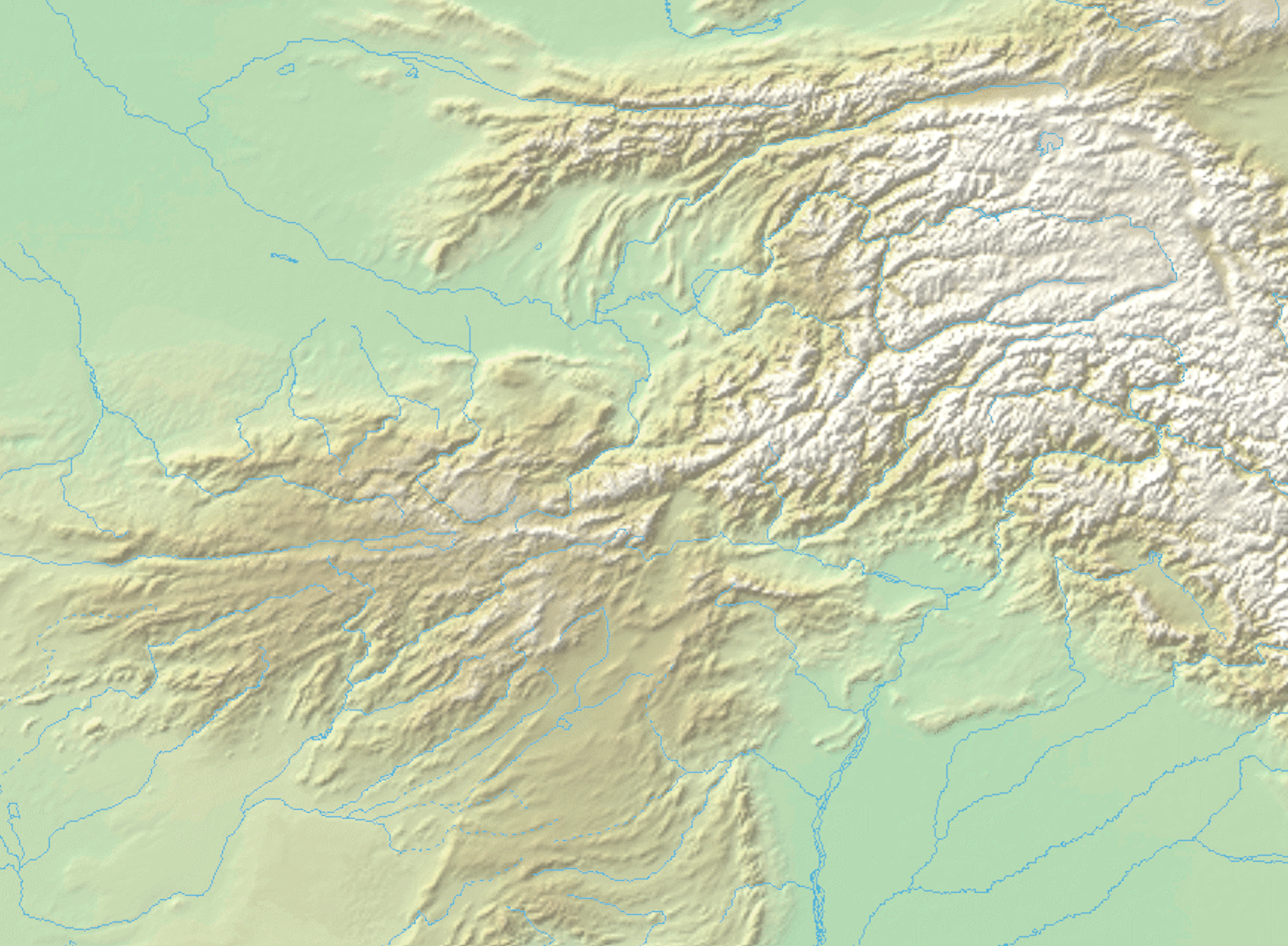
Takht-e Rostam
36.2457° N, 68.0221° E
About
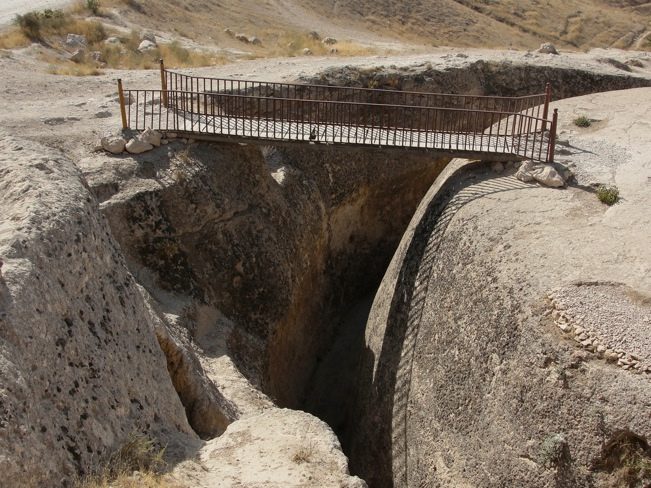
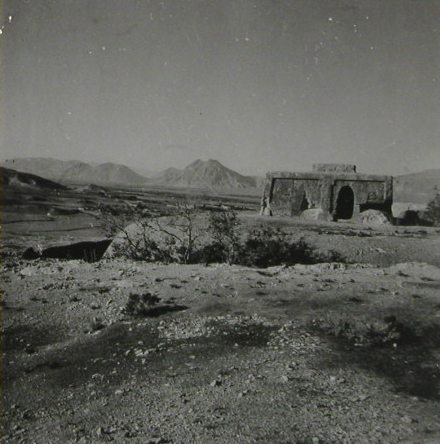
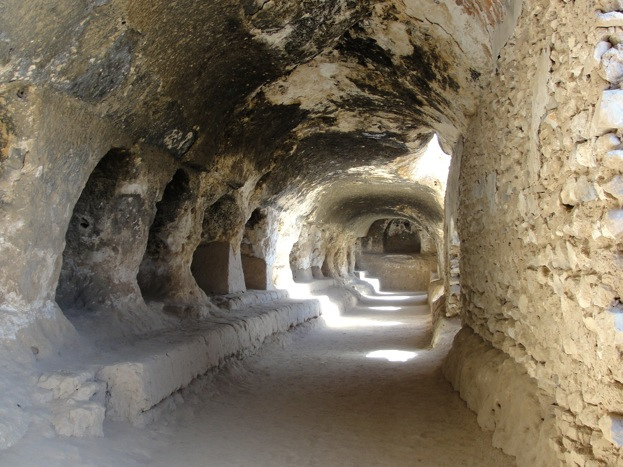
Takht-e Rostam is an archaeological site located near Haibak, Afghanistan. This complex was constructed in the 3rd-4th century CE during the Kushano-Sasanian Kingdom and showcases the remarkable rock-cut architecture of a Buddhist monastery. The site consists of five chambers, including two sanctuaries, and features a domed ceiling with intricate lotus leaf decorations. An adjacent hill hosts a stupa with a harmika, surrounded by roughly hewn caves, one of which revealed a hoard of Ghaznavid coins. Although its original religious purpose was lost following the Muslim conquests, Takht-e Rostam became part of Persian mythology as the supposed location where the epic hero Rostam visited the Kingdom of Samangan. The site has been recently renovated to accommodate tourists, highlighting its enduring cultural and historical significance.
Gallery
Explore photographs of ancient structures, artifacts, and archaeological excavations
Historical Timeline
Journey through time and discover key events in this site's history
Construction of Buddhist Monastery
300 CE - 400 CE
Integration into Persian Mythology
900 CE - 1000 CE
Archaeological Features
Unique architectural and cultural elements found at this historical site
Religious and Ritual Structures
Environmental and Natural Features
Frequently Asked Questions
Plan Your Visit
Tours, travel arrangements, and practical information
More Sites in Afghanistan
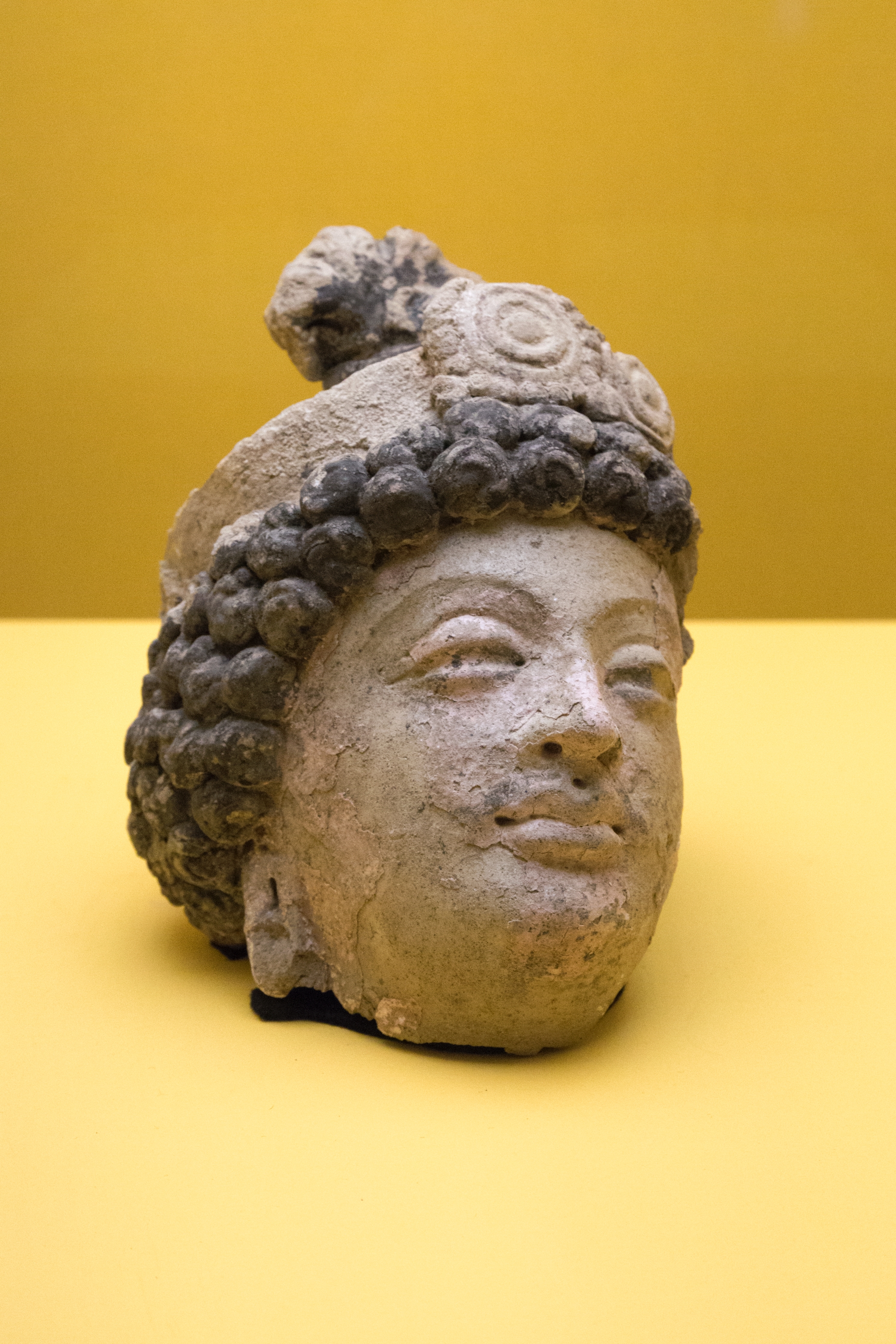
Mes Aynak
Buddhist settlement with copper deposits
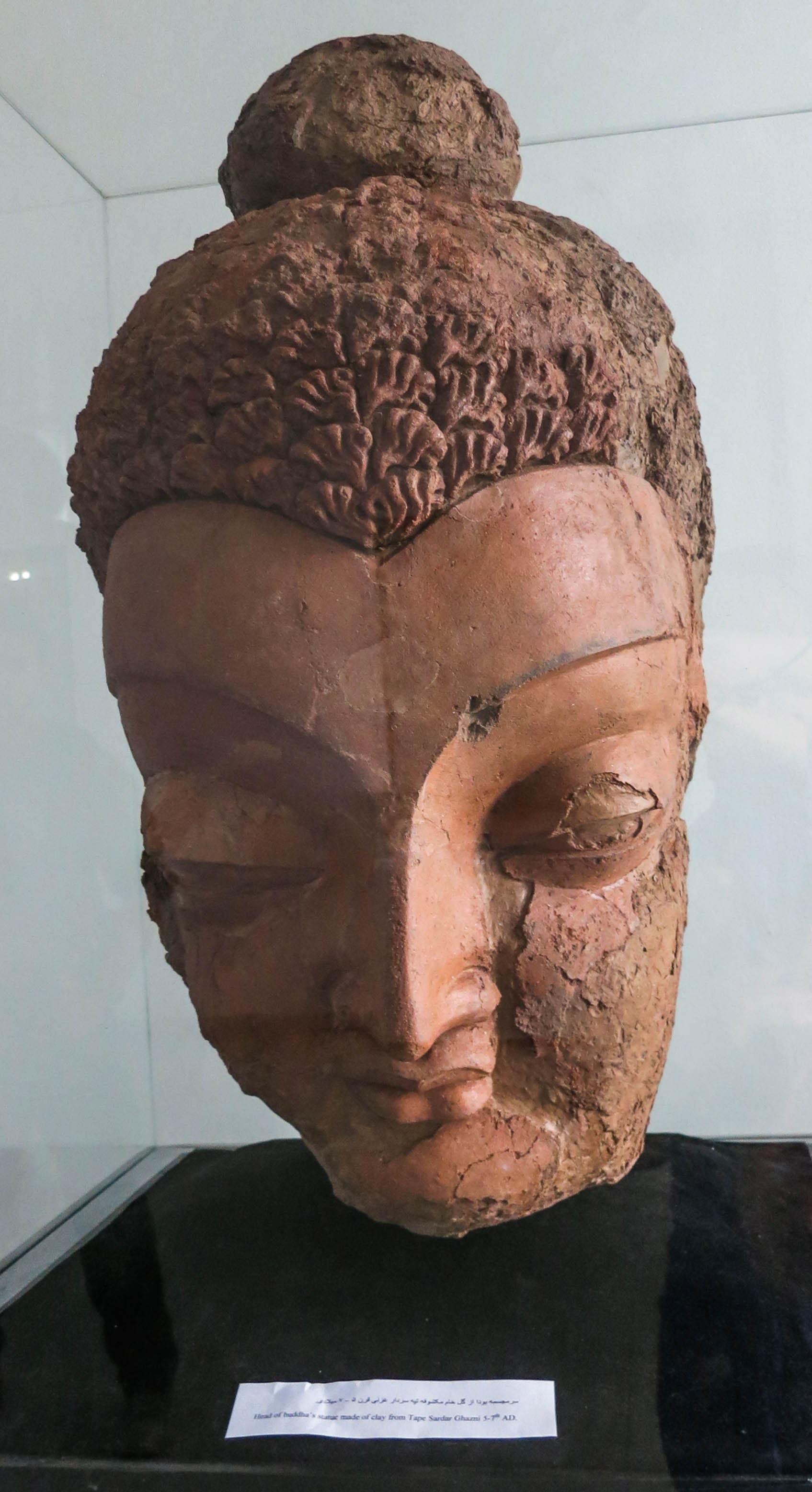
Tepe Sardar
Ancient Buddhist monastery with Hellenistic influence
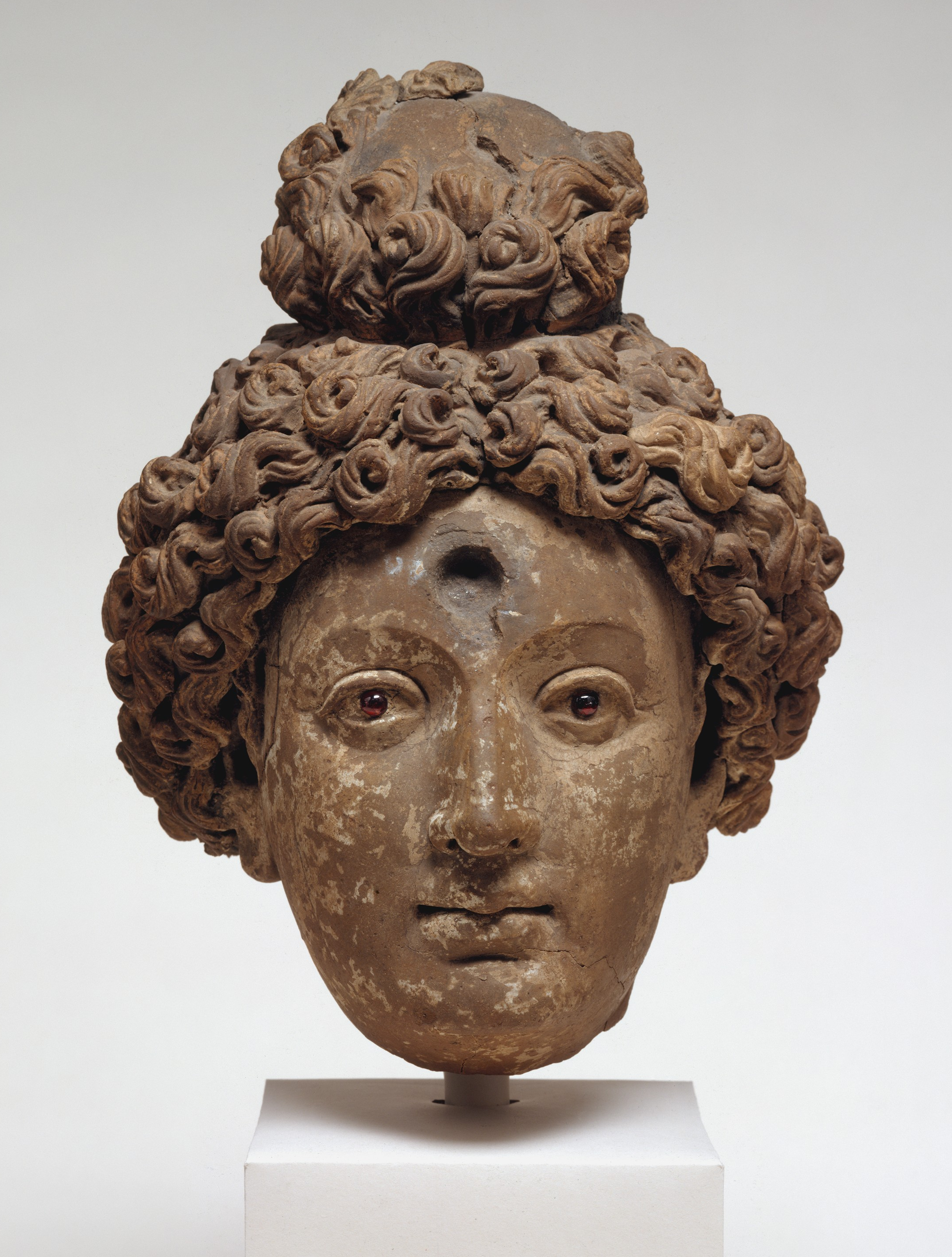
Tapa Shotor
Large Sarvastivadin monastery with Hellenistic influences
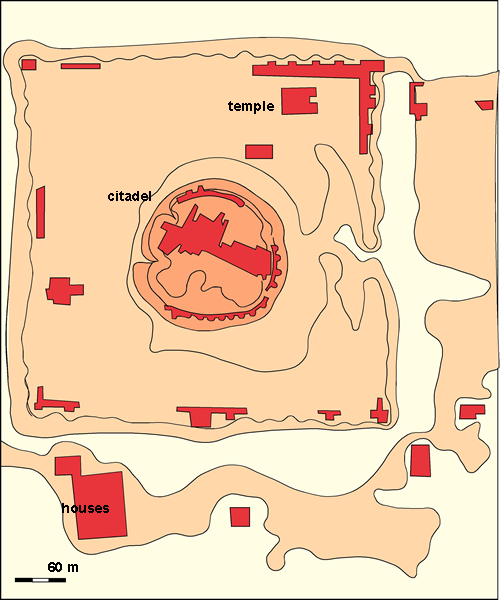
Dilberjin Tepe
Ancient town with Kushan-era citadel and murals.
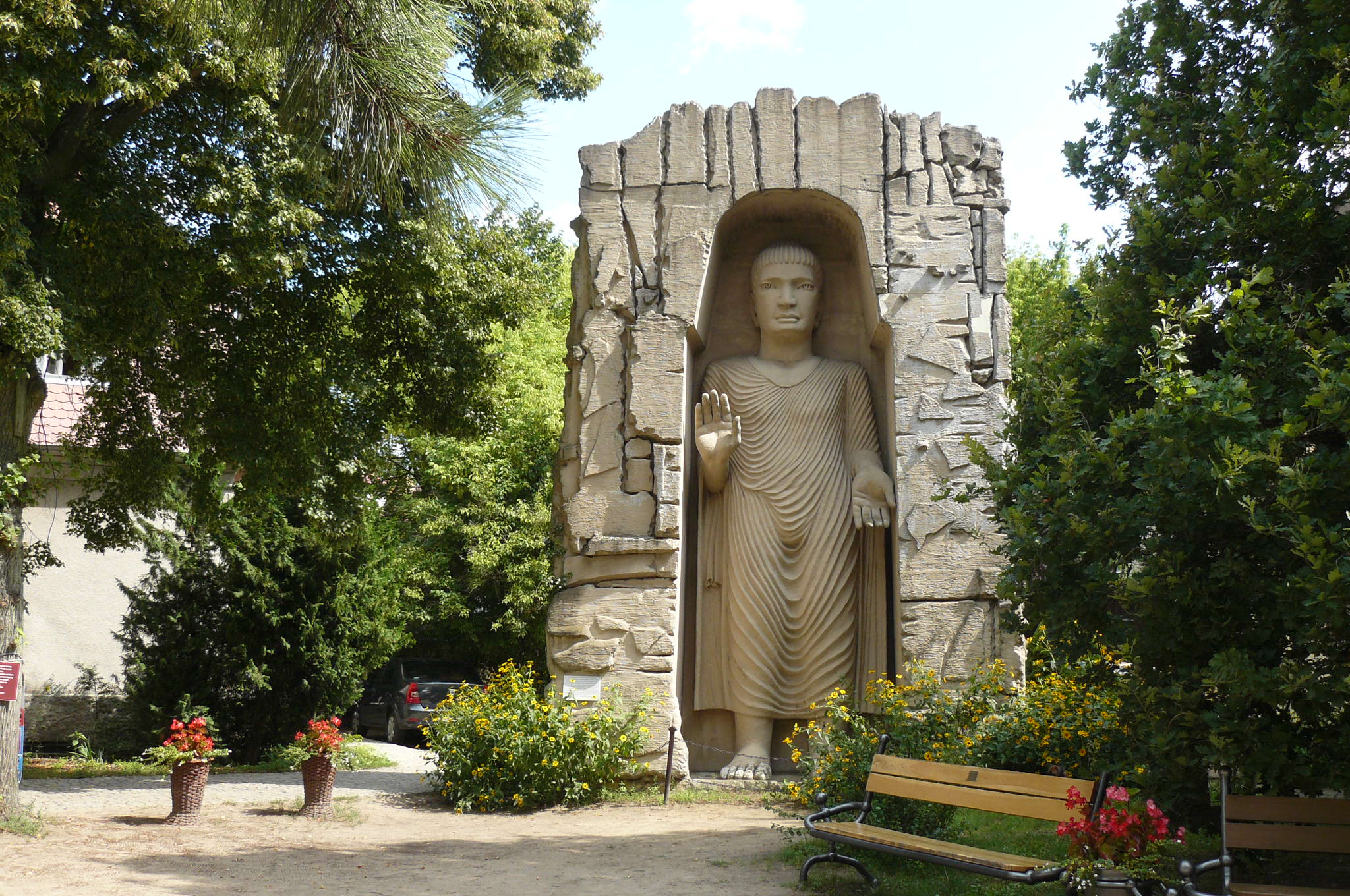
Buddhas of Bamiyan
Monumental Buddhist statues in cliff niches
Khair Khaneh
Buddhist archaeological site in Kabul, Afghanistan.