Explore the Map
Rag-i-Bibi
35.8861° N, 68.7483° E
About
The Rag-i-Bibi rock relief, located in Baghlan Province, Afghanistan, is a significant archaeological site showcasing Sassanian art. Carved into a sandstone cliff, this relief measures 4.9 meters high and 6.5 meters wide and depicts a Sassanian king hunting an Indian rhinoceros. The relief's stylistic elements, which include Sassanian and local Gandhara features, suggest that it was likely created during the 3rd Century CE, a period when the Sassanian Empire expanded into the region of Bactria. Despite its historical significance, the relief has suffered damage from weathering and Taliban iconoclasm. The identification of the king, potentially Shapur I, remains speculative due to severe damage to the crown and head. The relief serves as a testament to the cultural and artistic exchange during the Sassanian period, although some scholars propose it could date back to the earlier Kushan Empire.
Historical Timeline
Journey through time and discover key events in this site's history
Relief carving period
200 CE
Sassanid Empire expansion
325 CE
Archaeological Features
Unique architectural and cultural elements found at this historical site
Artistic and Decorative Features
Frequently Asked Questions
Plan Your Visit
Tours, travel arrangements, and practical information
More Sites in Afghanistan
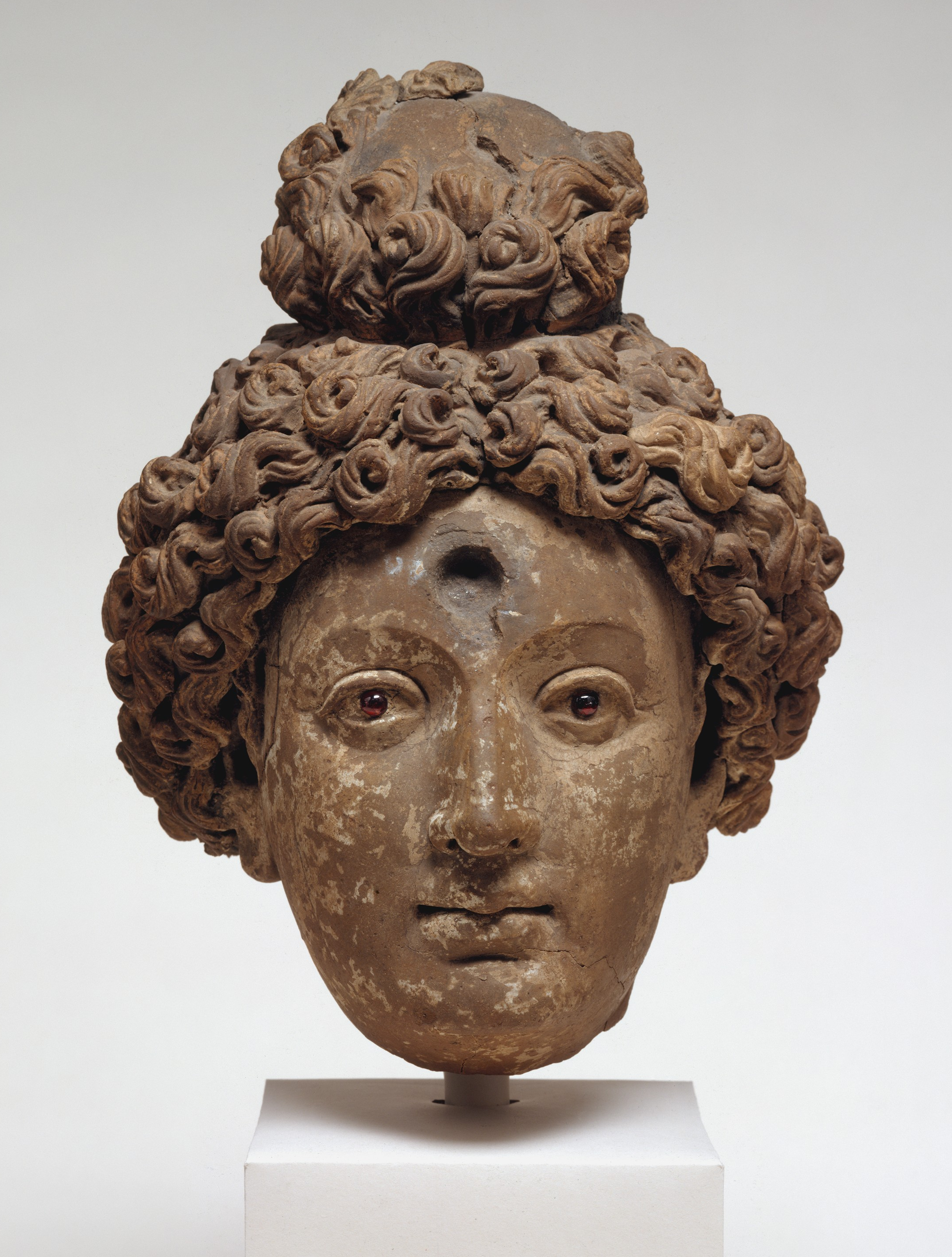
Tapa Shotor
Large Sarvastivadin monastery with Hellenistic influences
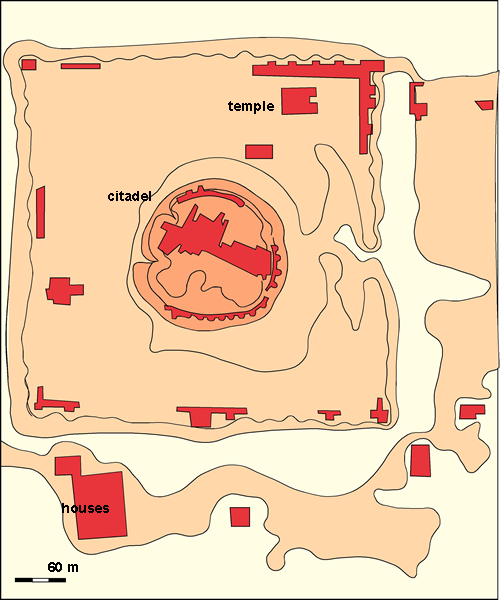
Dilberjin Tepe
Ancient town with Kushan-era citadel and murals.
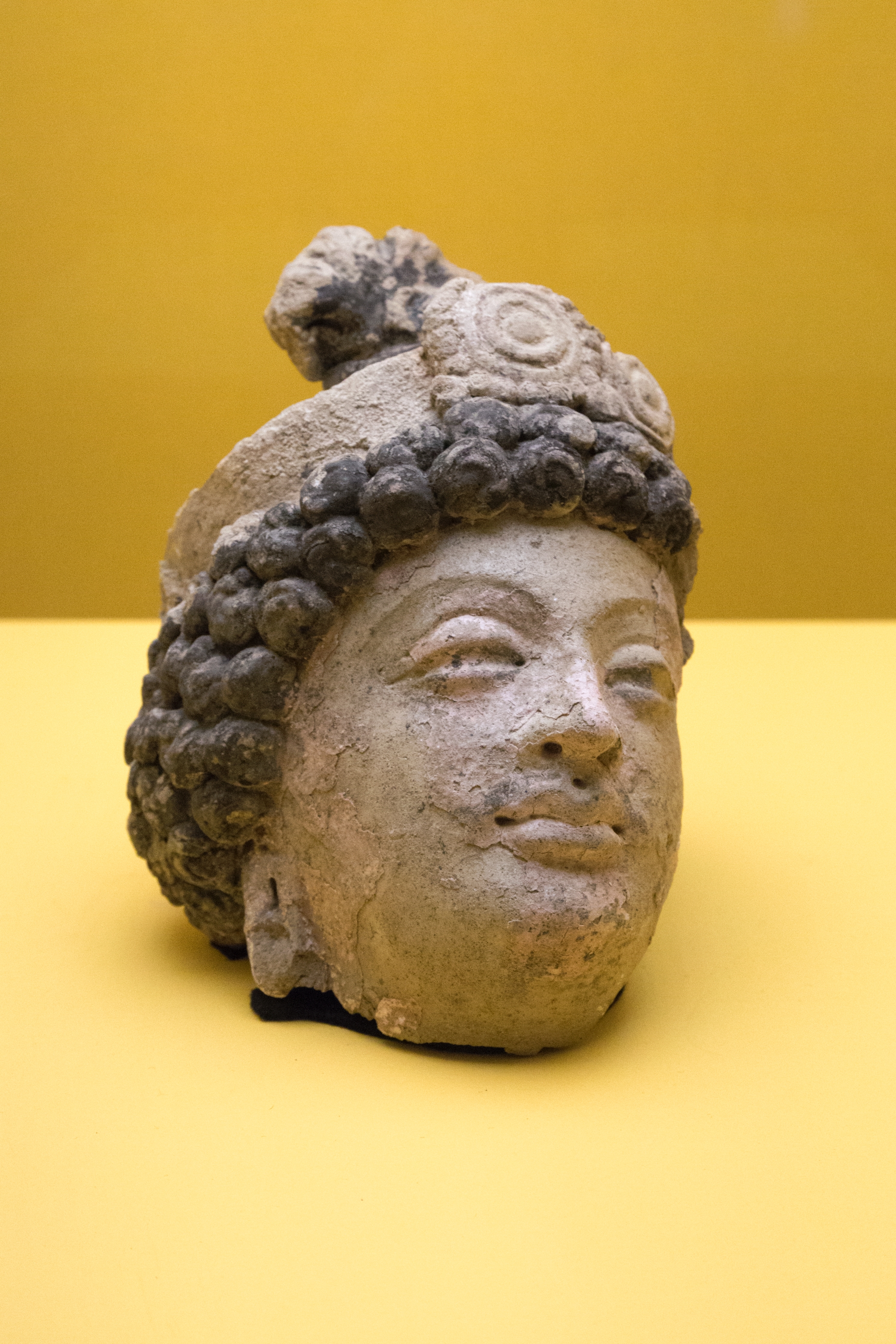
Mes Aynak
Buddhist settlement with copper deposits
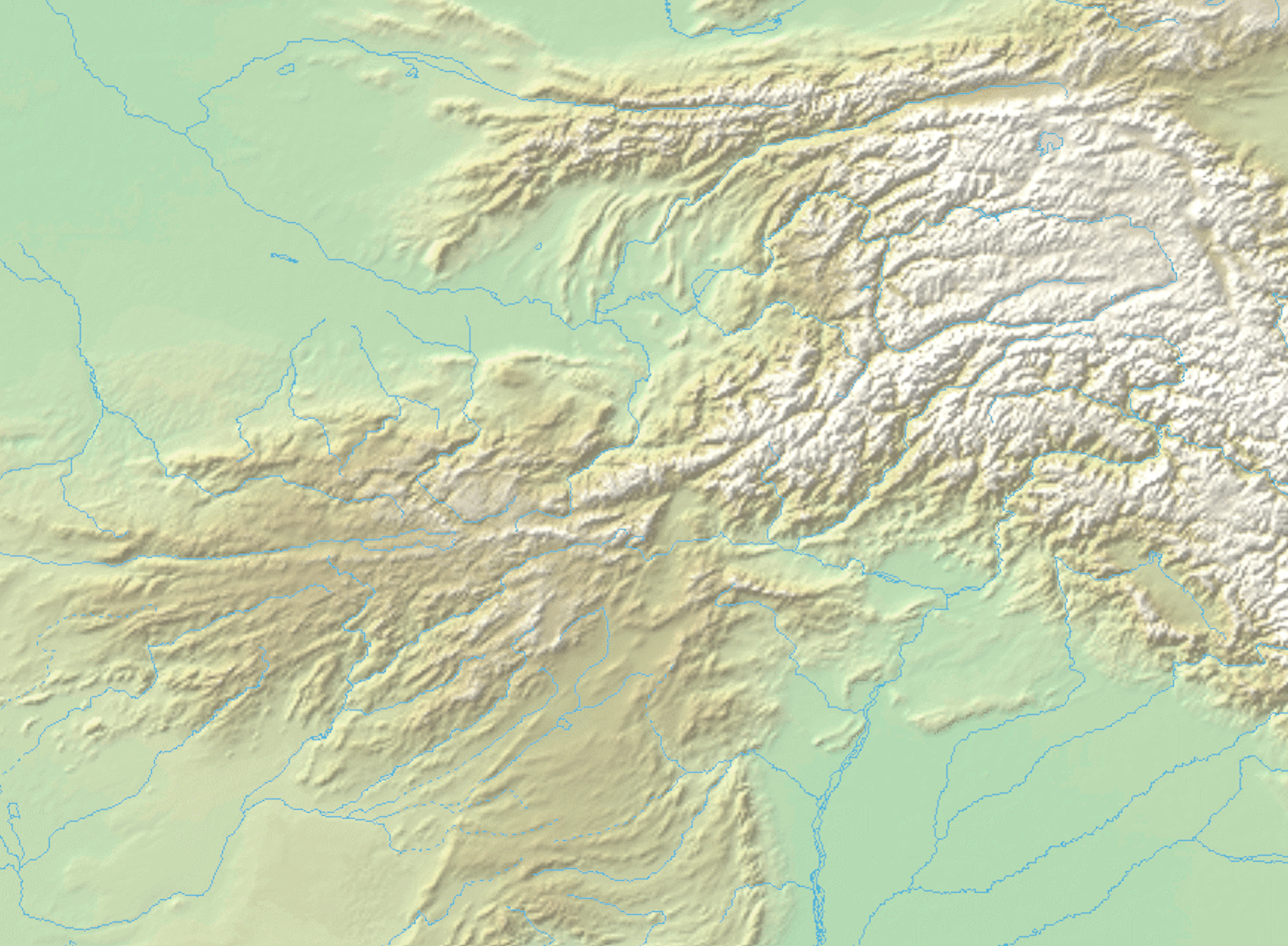
Khair Khaneh
Buddhist archaeological site in Kabul, Afghanistan.
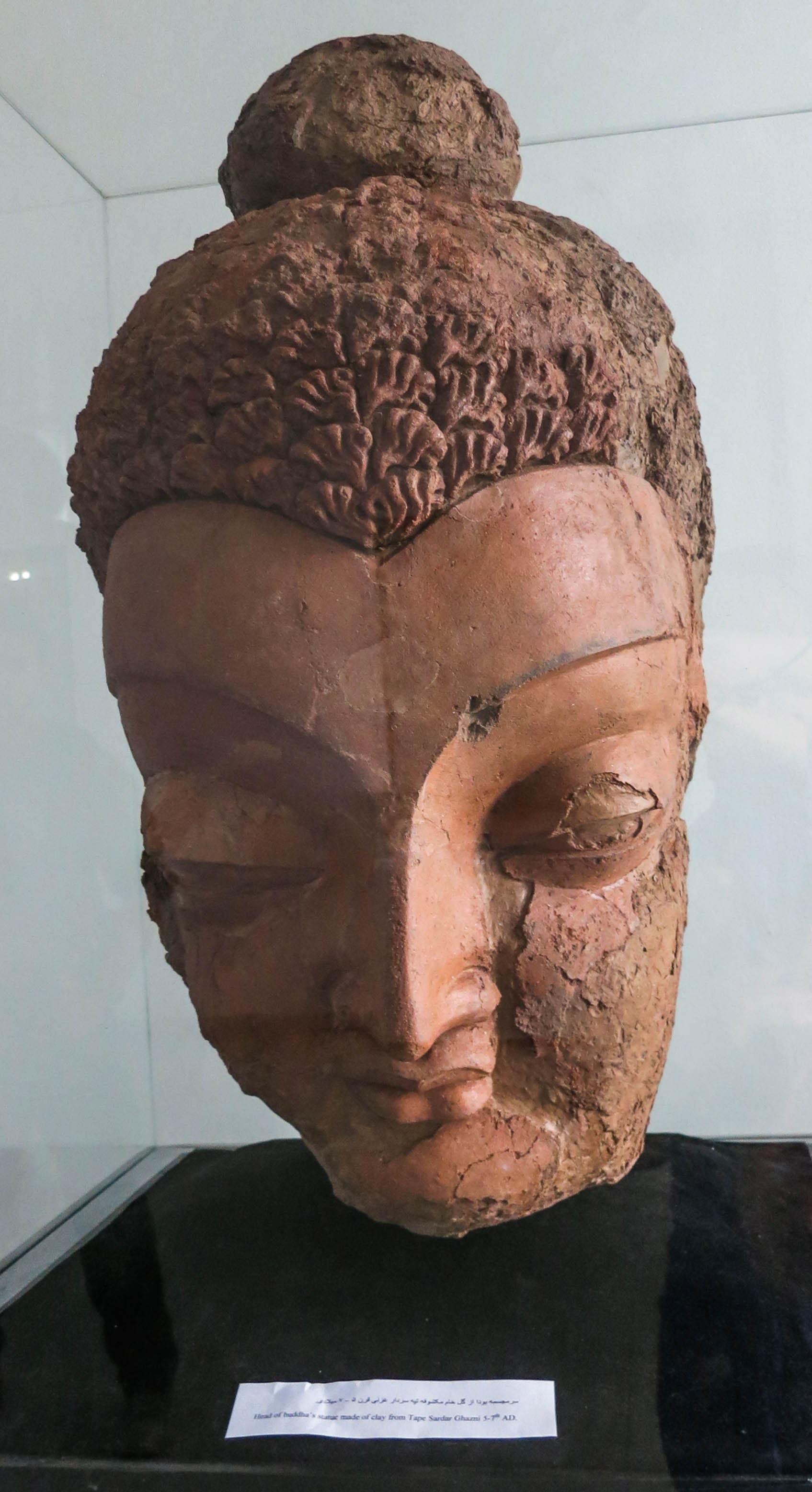
Tepe Sardar
Ancient Buddhist monastery with Hellenistic influence
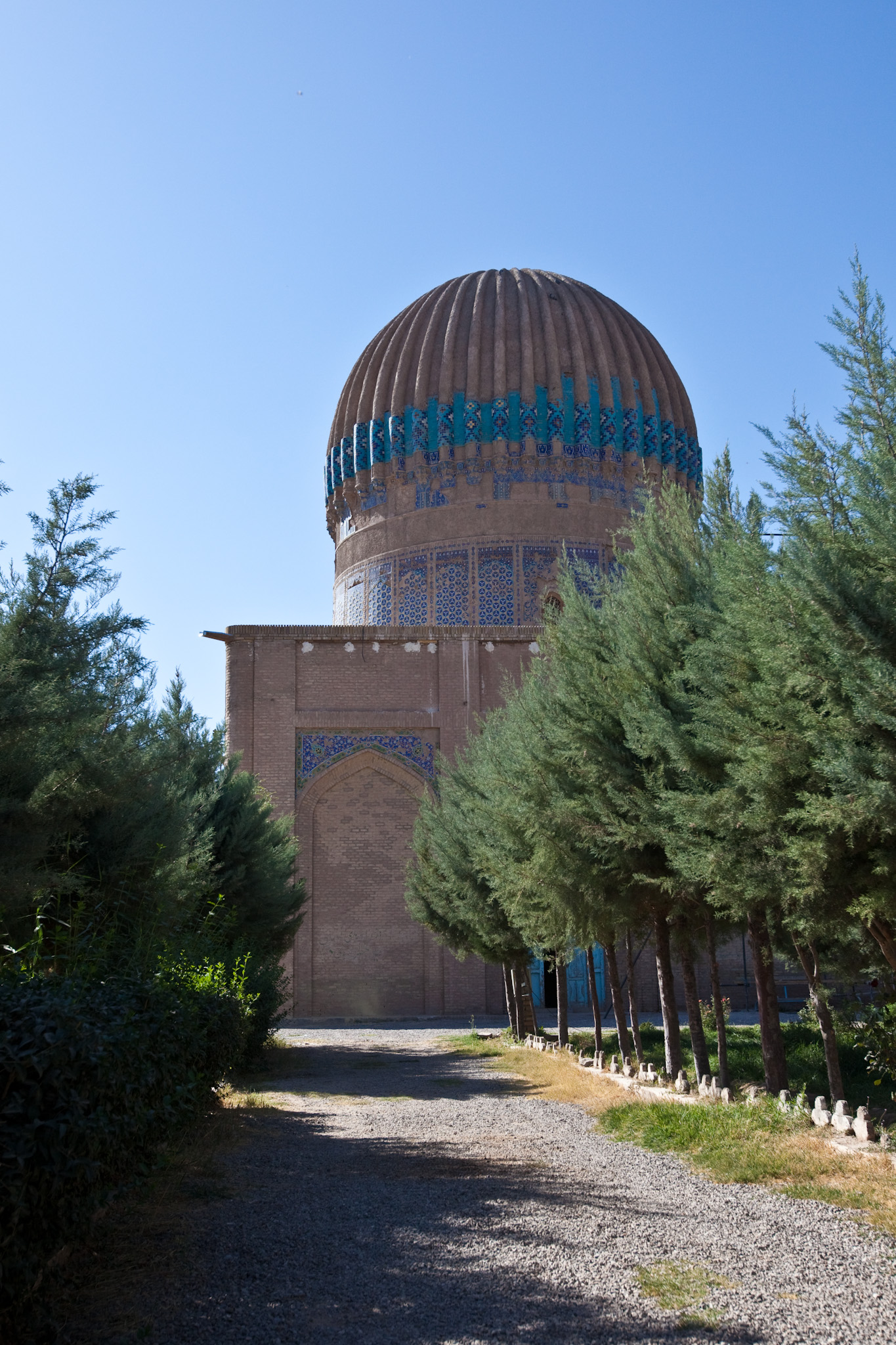
Gawhar Shad Mausoleum
15th-century Timurid royal tomb structure.