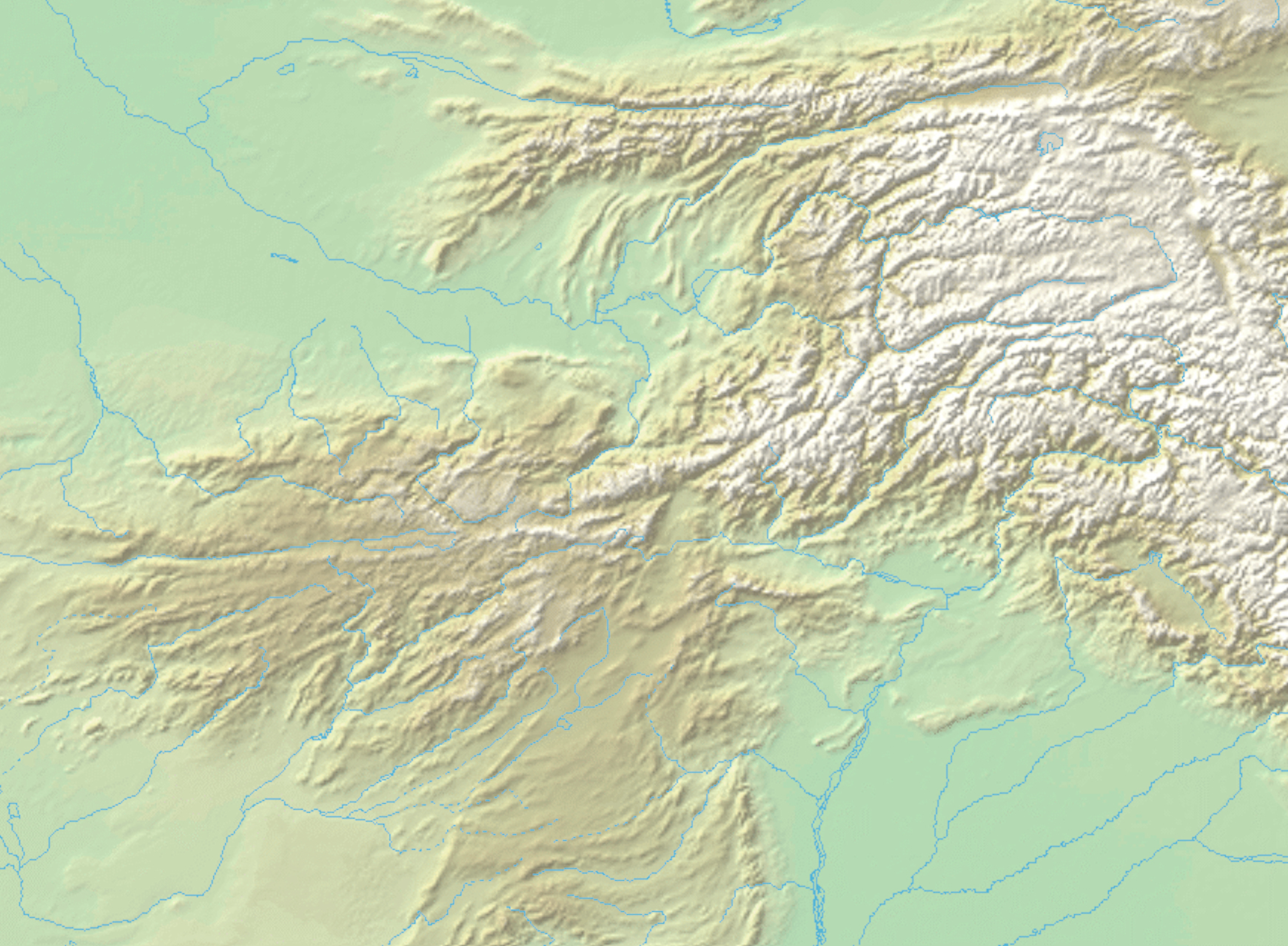
Explore the Map
Khair Khaneh
34.5976° N, 69.1090° E
About
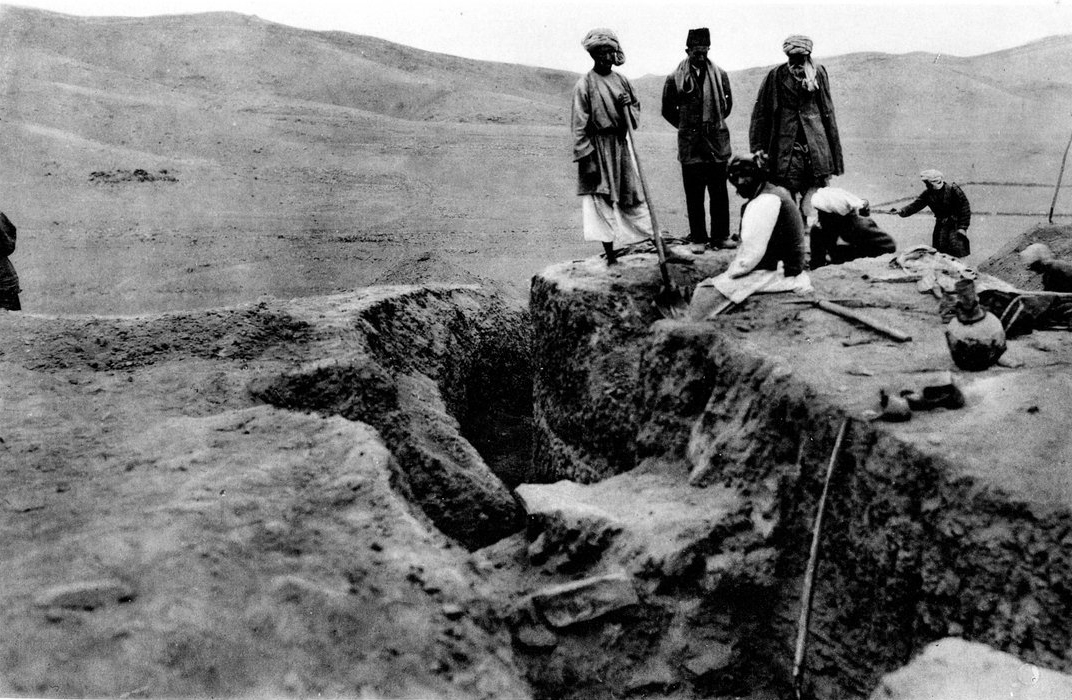
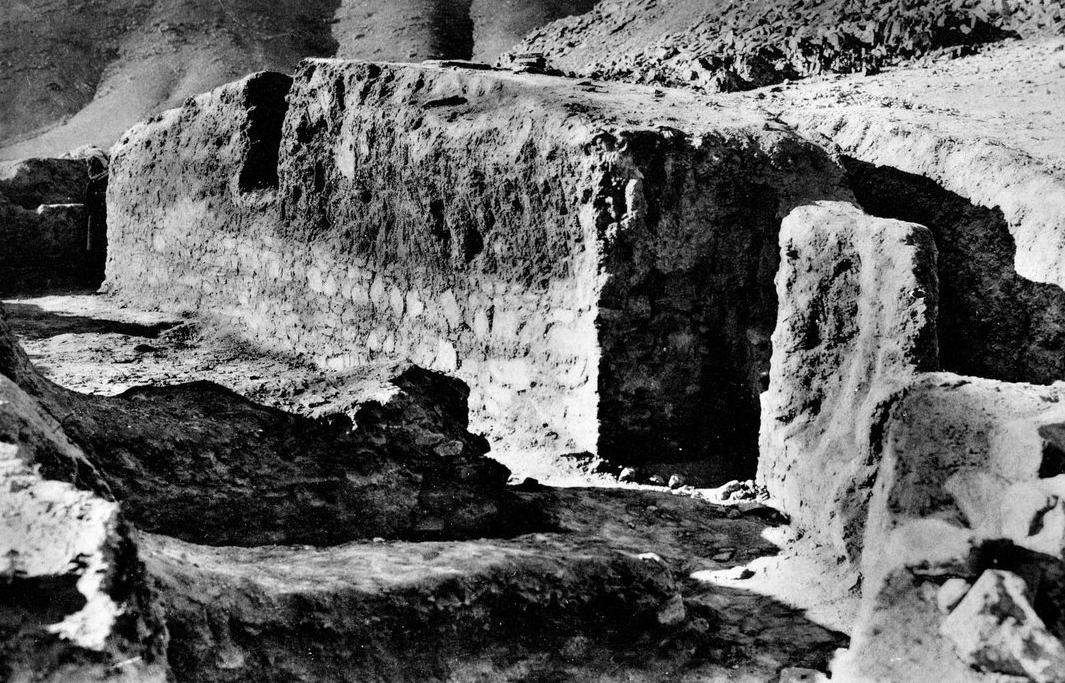
Khair Khaneh is an archaeological site situated near Kabul, Afghanistan, known for its Buddhist religious structures, likely including temples. Excavated initially in the 1930s by Joseph Hackin, the site offers insight into the spread and influence of Buddhism in the region during the Late Classical Period. Its significance lies in its religious architecture, indicating a thriving Buddhist community in Kabul around the 1st century CE. As a representation of the cultural and religious dynamics of the time, Khair Khaneh provides valuable information about the historical presence of Buddhism in Afghanistan, contributing to our understanding of the region's religious and cultural history.
Gallery
Explore photographs of ancient structures, artifacts, and archaeological excavations
Historical Timeline
Journey through time and discover key events in this site's history
Buddhist Temple Construction
100 CE
Archaeological Features
Unique architectural and cultural elements found at this historical site
Religious and Ritual Structures
Frequently Asked Questions
Plan Your Visit
Tours, travel arrangements, and practical information
More Sites in Afghanistan
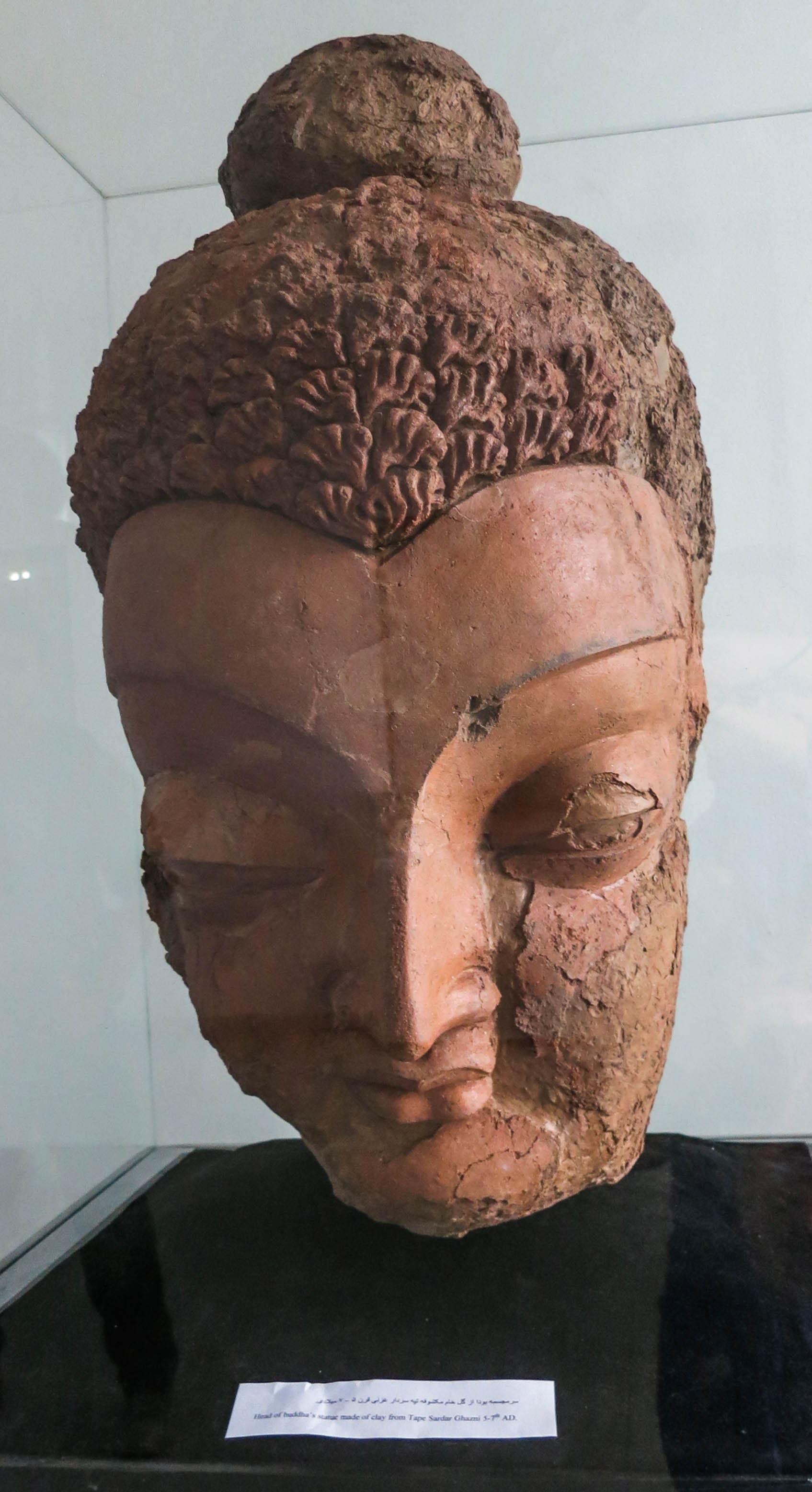
Tepe Sardar
Ancient Buddhist monastery with Hellenistic influence
Dilberjin Tepe
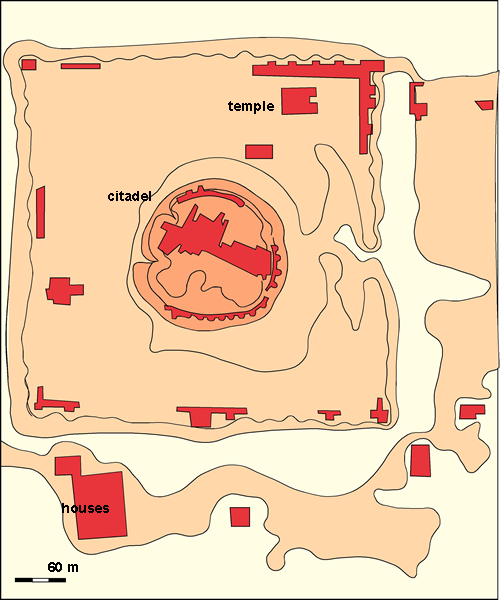
Ancient town with Kushan-era citadel and murals.
Mes Aynak
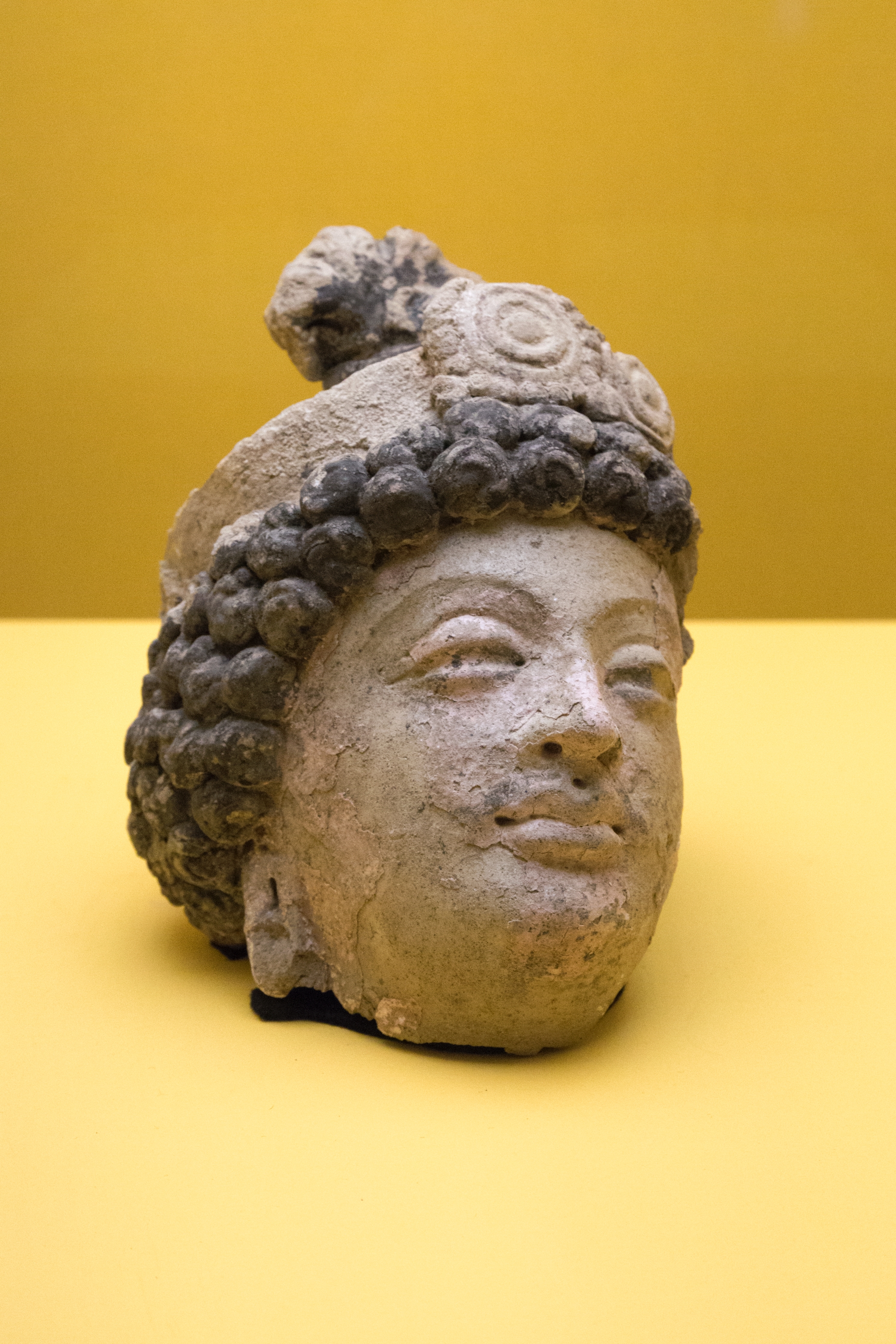
Buddhist settlement with copper deposits
Rag-i-Bibi
Sassanian rock relief on Afghan cliff
Tapa Shotor
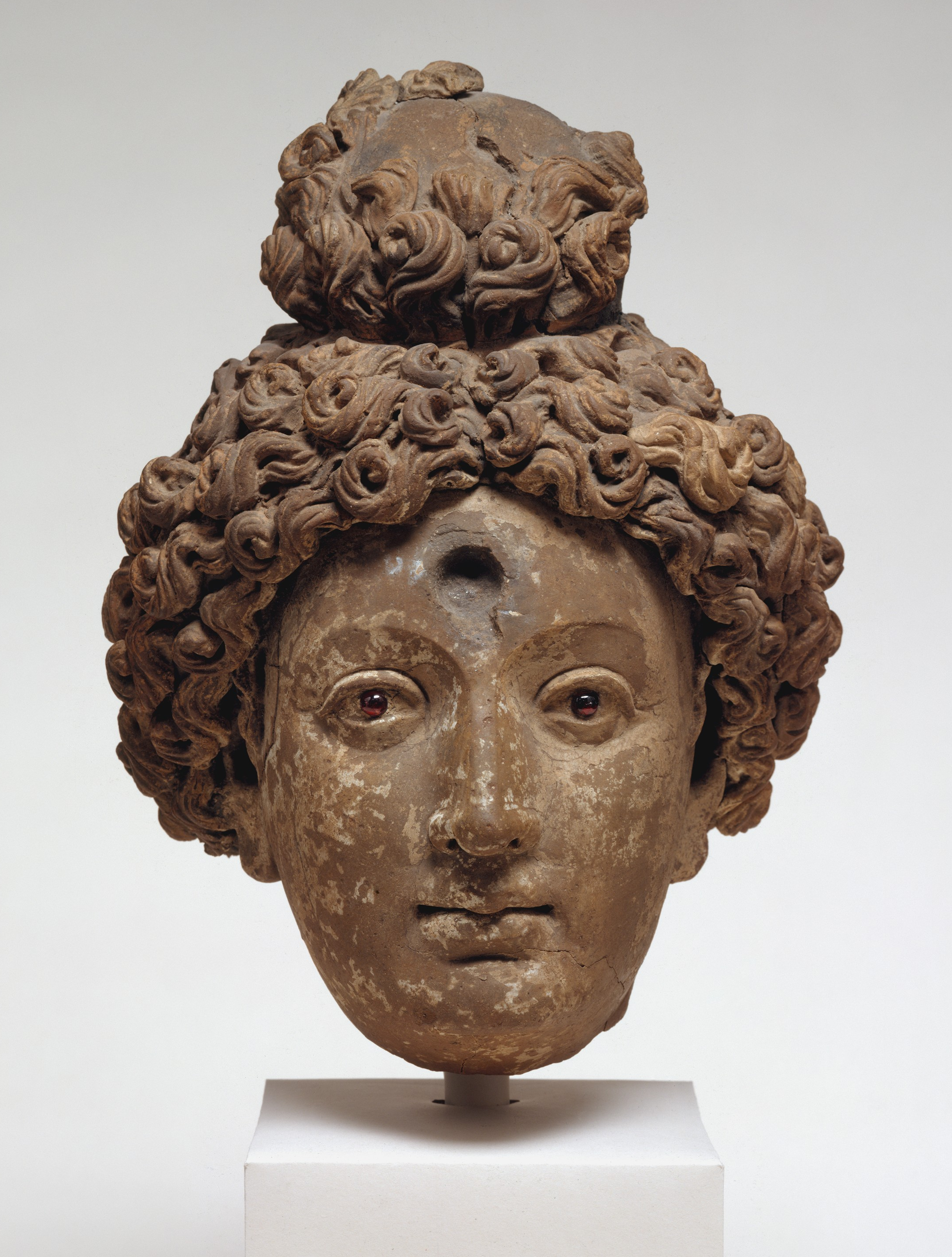
Large Sarvastivadin monastery with Hellenistic influences
Gawhar Shad Mausoleum
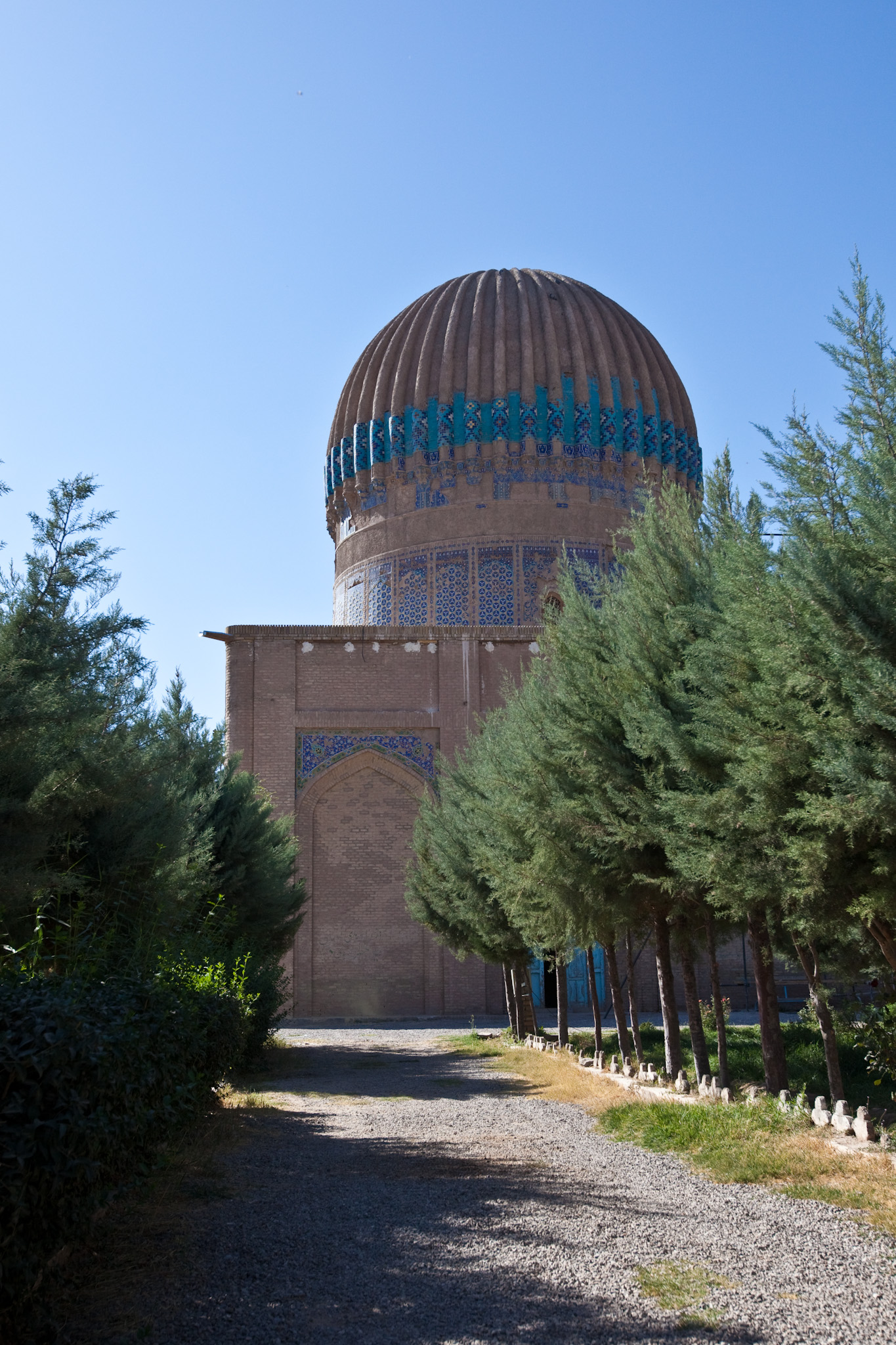
15th-century Timurid royal tomb structure.