Explore the Map
Bimaran
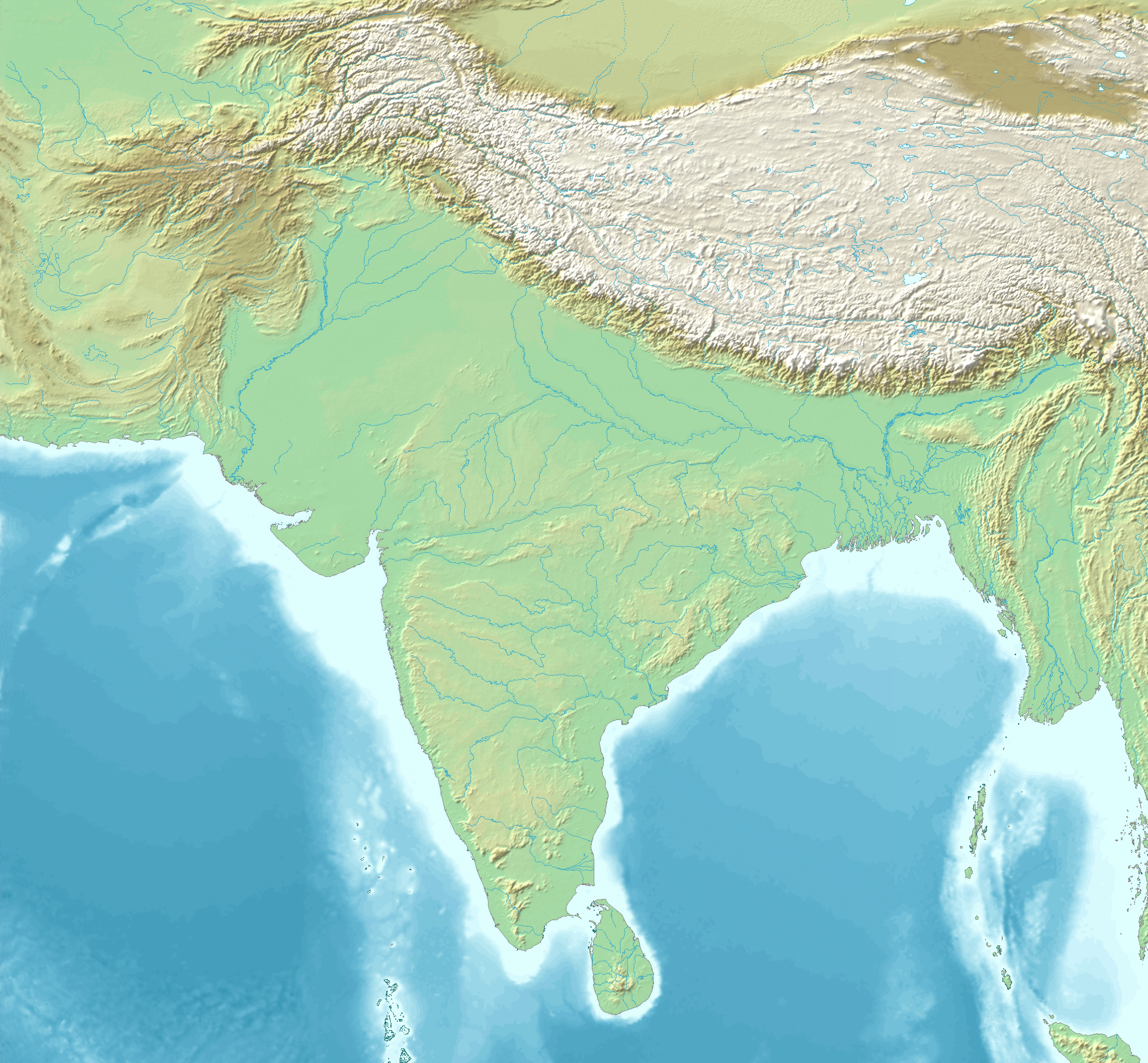
34.4700° N, 70.3500° E
About
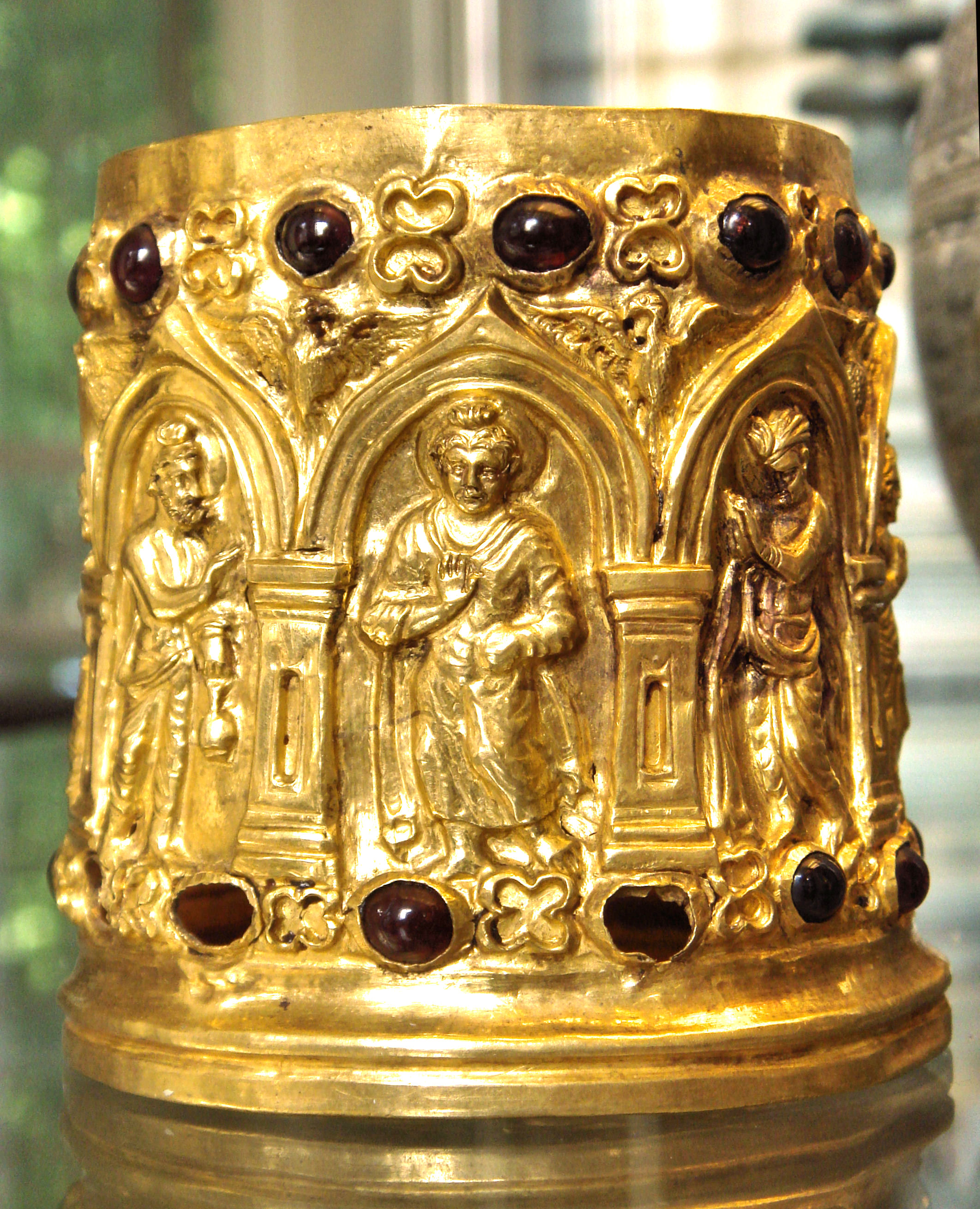
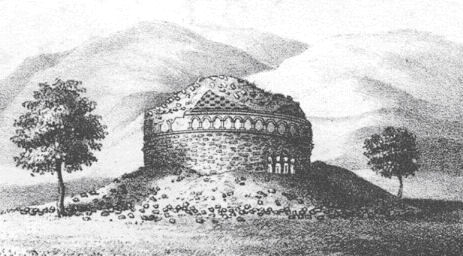
Bimaran is an archaeological site located 11 kilometers west of Jalalabad in Afghanistan, renowned for its collection of ancient stupas. These religious structures, five in total, date back to the 1st century BCE and 1st century CE, highlighting the region's historical significance. The most famous among them is the stupa containing the Bimaran casket, a significant find that underscores the area's rich Buddhist heritage. The presence of these stupas provides valuable insights into the religious and cultural practices of the period, reflecting the spread and influence of Buddhism in ancient Afghanistan. The site offers a glimpse into the architectural and artistic endeavors of the time, making it an essential focus for archaeologists and historians studying the region's past.
Gallery
Explore photographs of ancient structures, artifacts, and archaeological excavations
Historical Timeline
Journey through time and discover key events in this site's history
Stupa Construction
Not specified
Archaeological Features
Unique architectural and cultural elements found at this historical site
Religious and Ritual Structures
Frequently Asked Questions
Plan Your Visit
Tours, travel arrangements, and practical information
More Sites in Afghanistan
Khair Khaneh
Buddhist archaeological site in Kabul, Afghanistan.
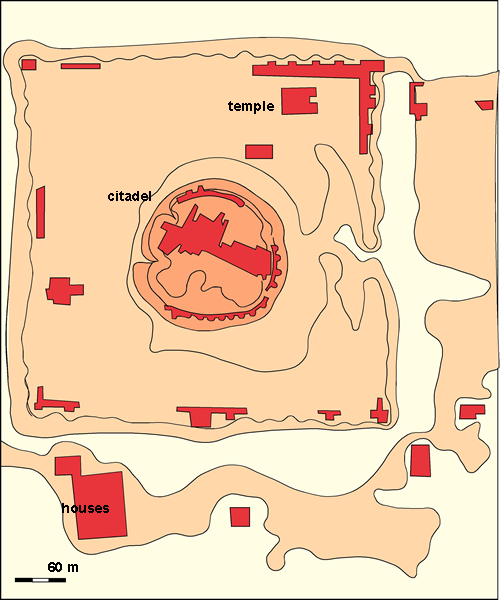
Dilberjin Tepe
Ancient town with Kushan-era citadel and murals.
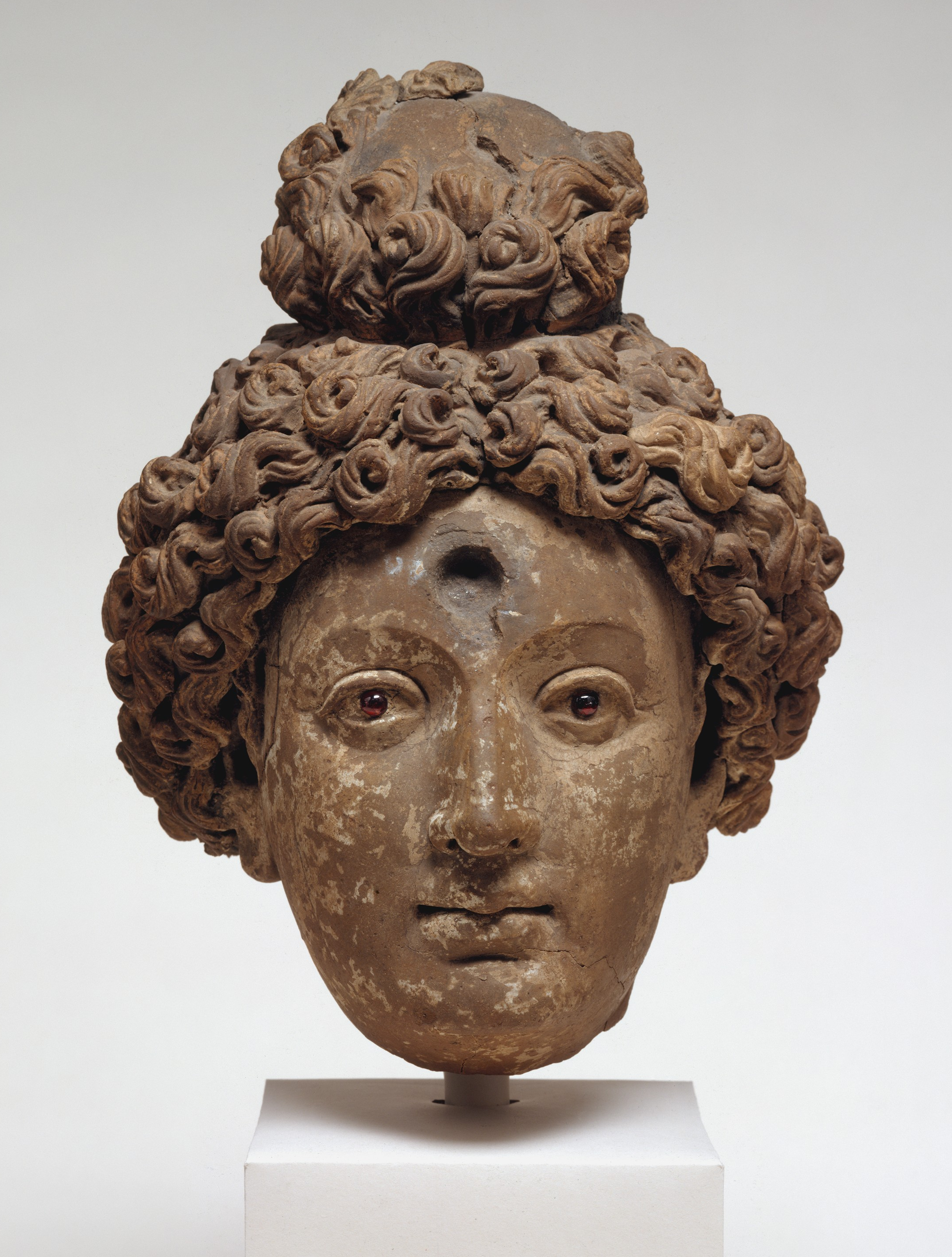
Tapa Shotor
Large Sarvastivadin monastery with Hellenistic influences
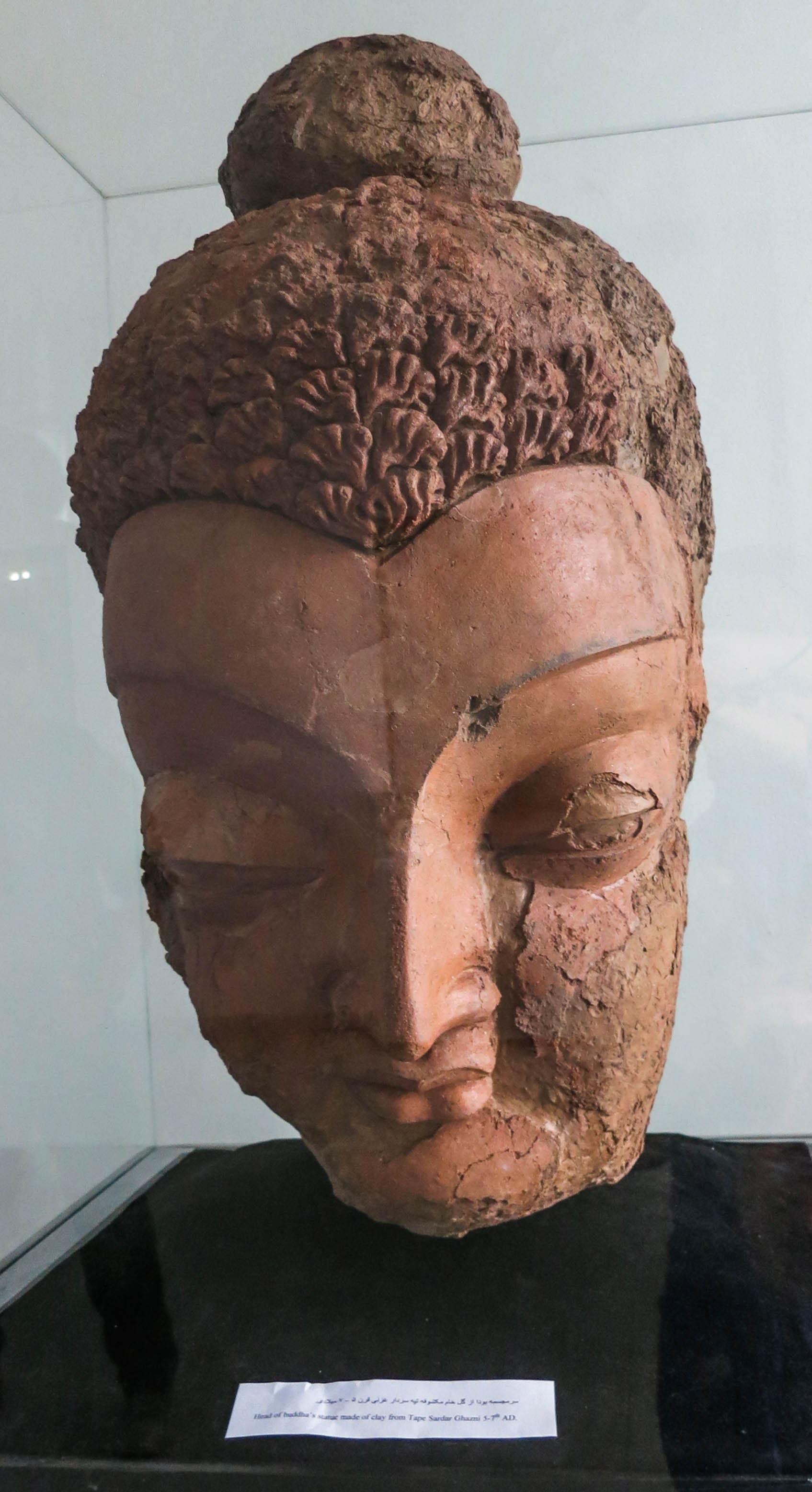
Tepe Sardar
Ancient Buddhist monastery with Hellenistic influence
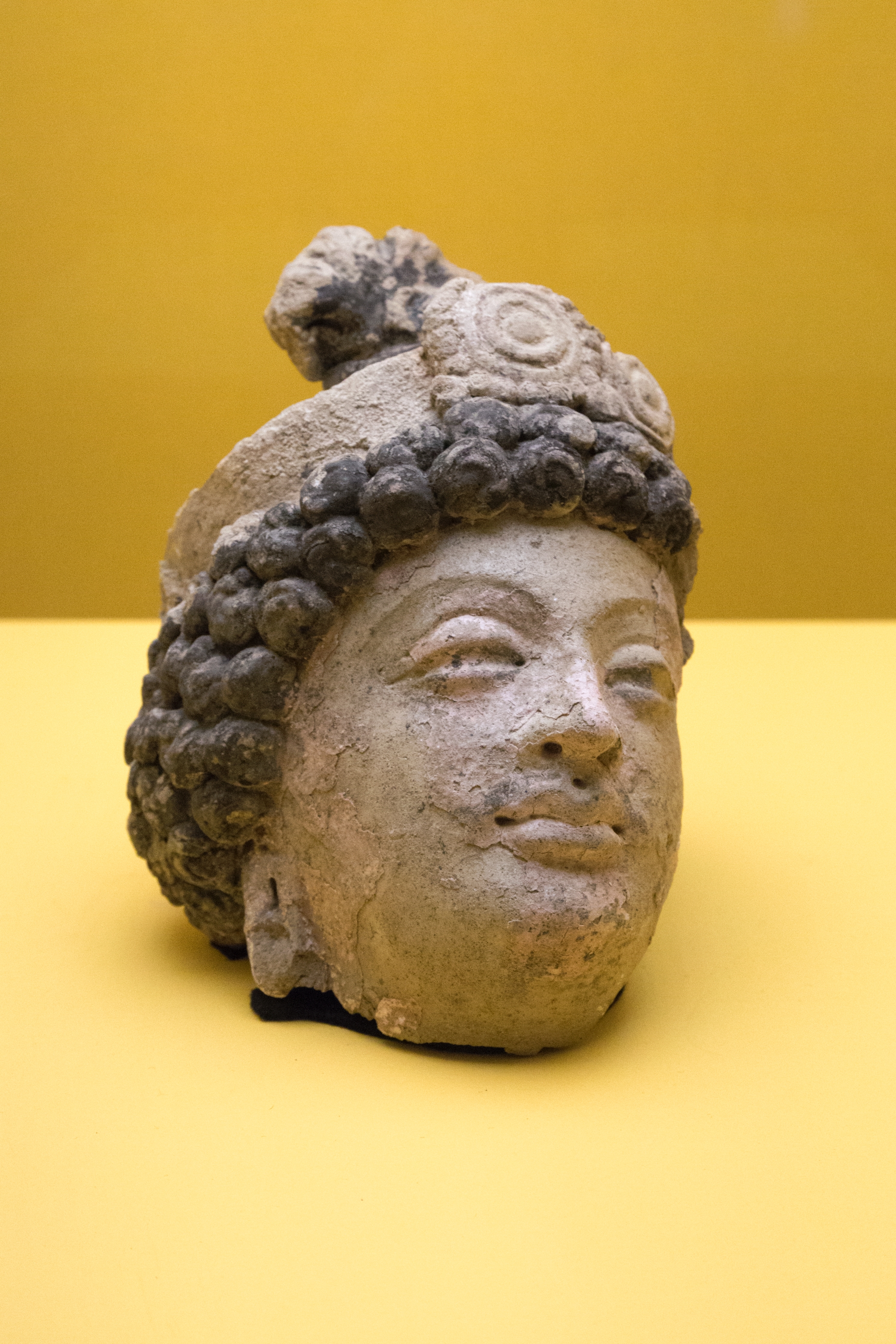
Mes Aynak
Buddhist settlement with copper deposits
Rag-i-Bibi
Sassanian rock relief on Afghan cliff