

Explore the Map
Royal Tombs of Selca e Poshtme
40.9911° N, 20.5192° E
About
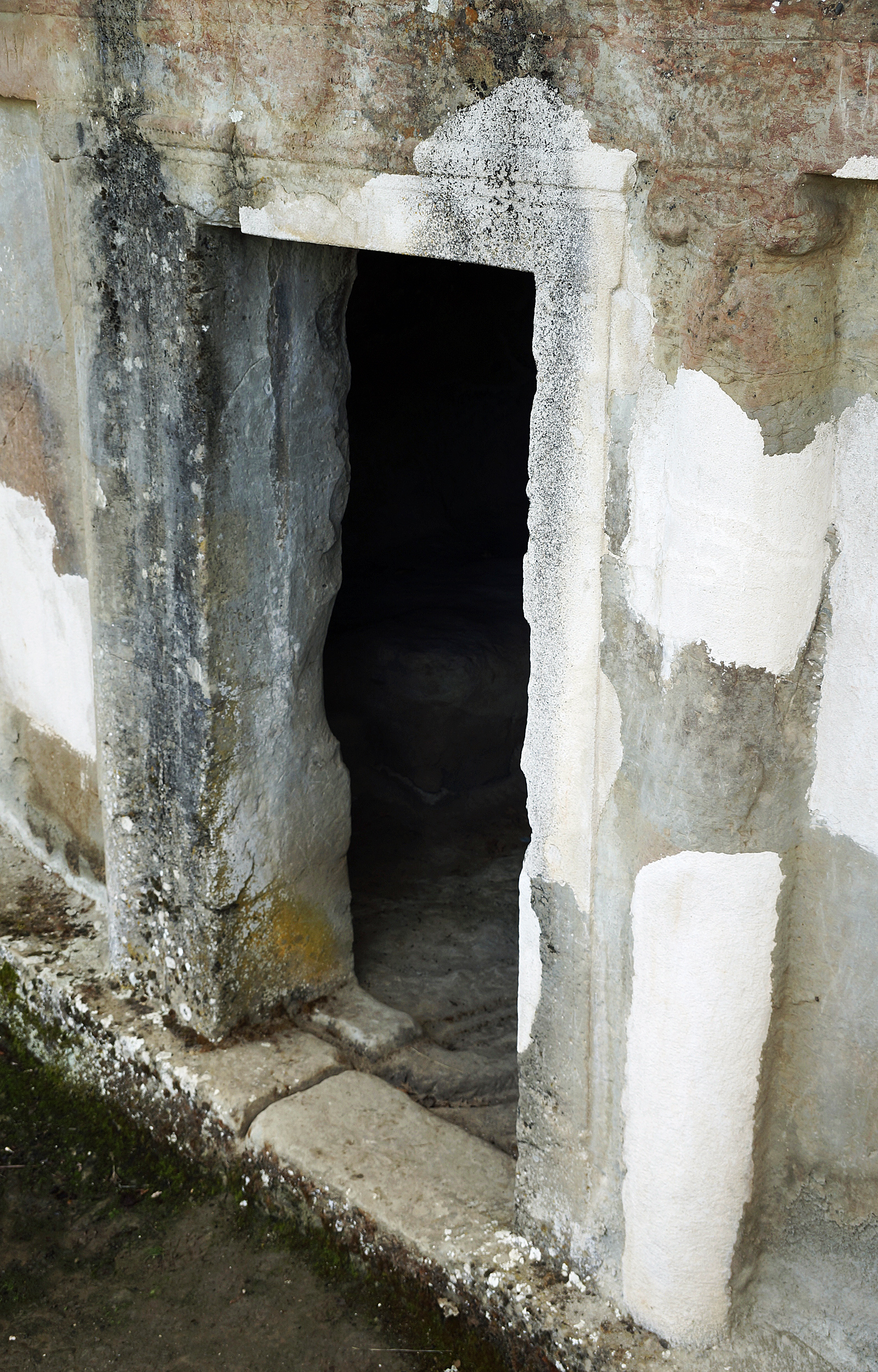
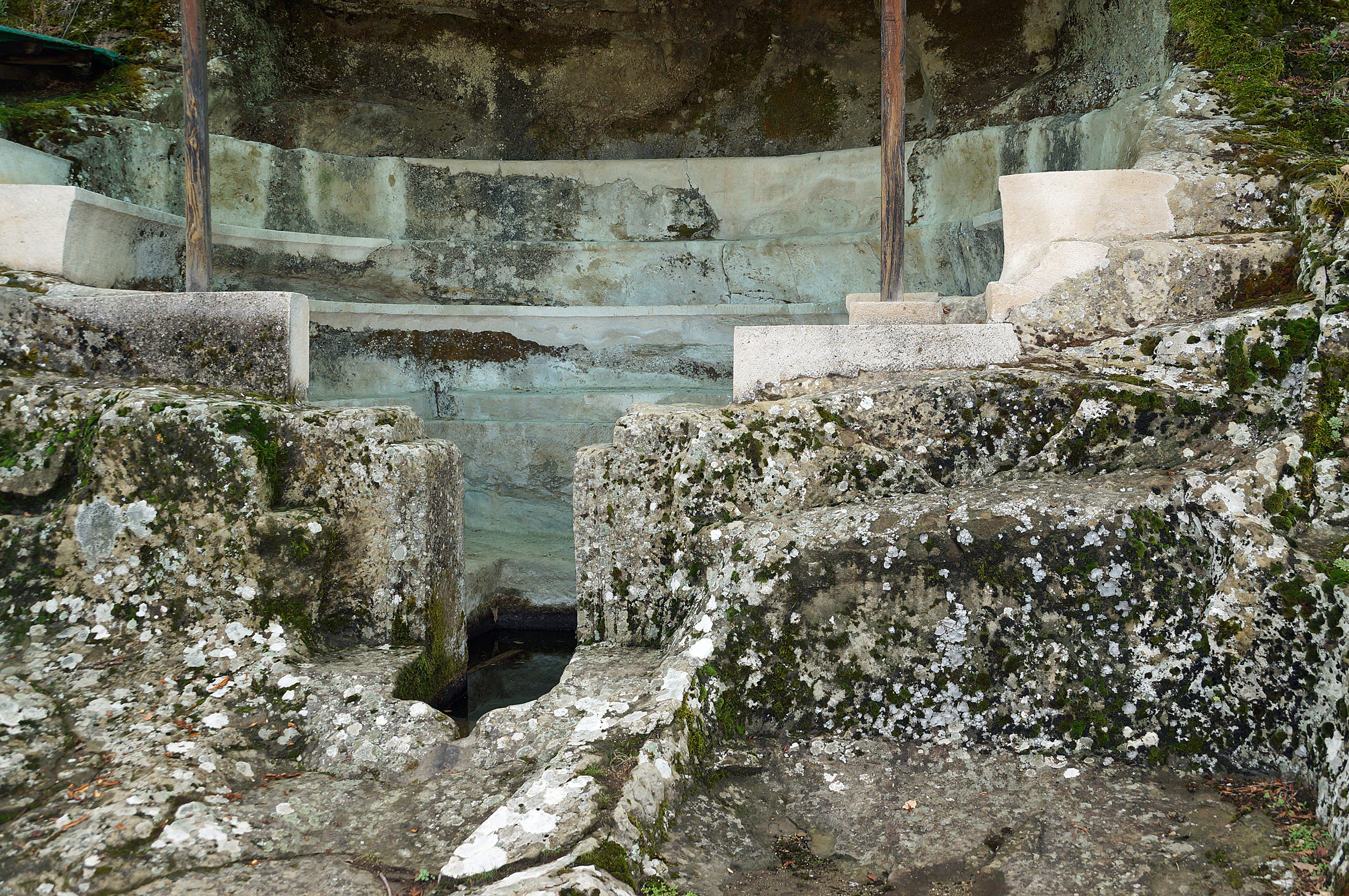
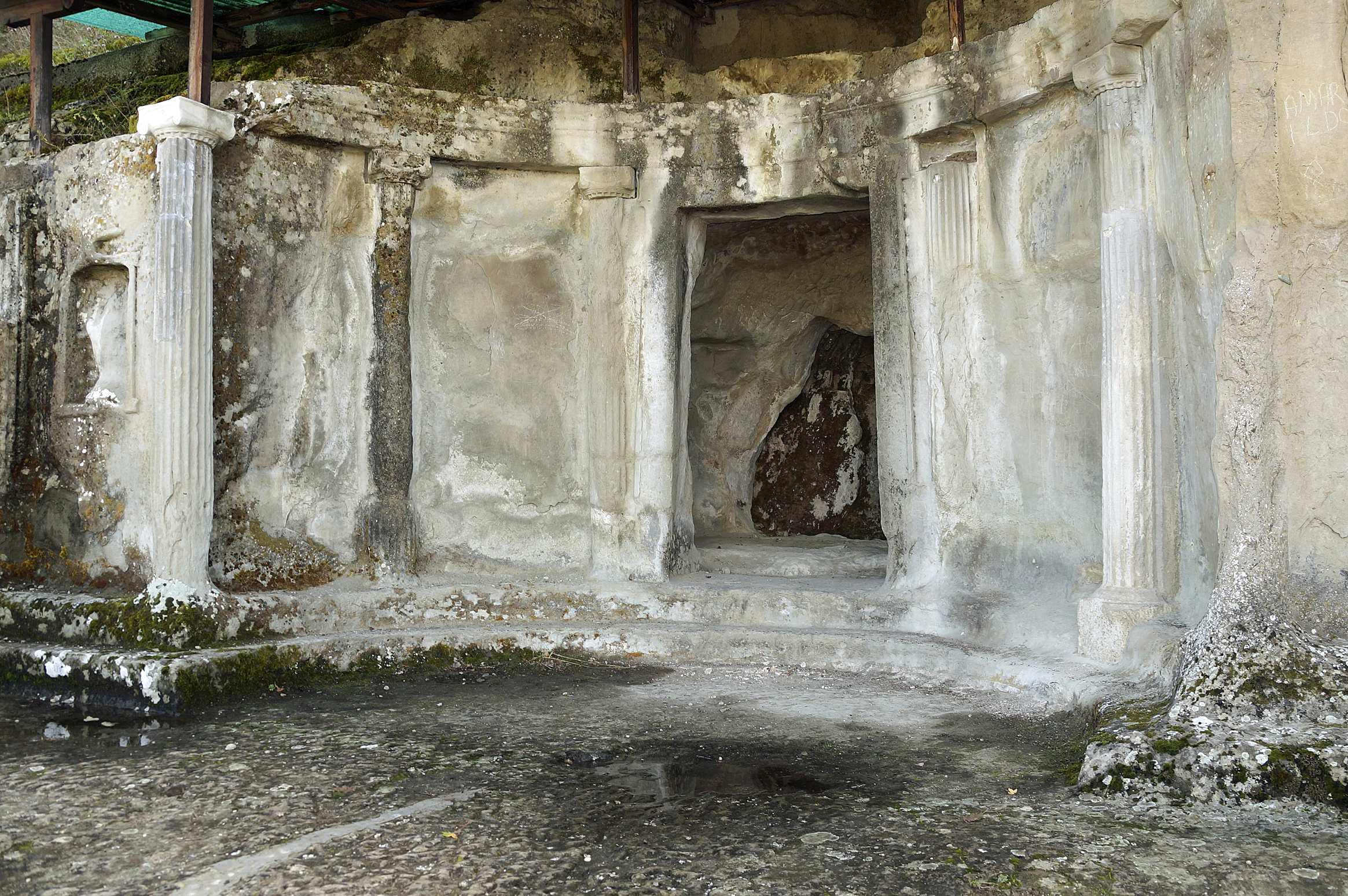
The Illyrian Tombs of Selca e Poshtme are a significant archaeological site in Albania, showcasing a series of rock-cut tombs from the 4th to 3rd centuries BCE, reflecting the influence of Greek architectural styles with Ionic columns and barrel vaults. The site, located on the right bank of the Shkumbin River near Pogradec, includes a fortified acropolis and was once a key political and economic center for the Illyrian tribe of Enchele. It features well-preserved remnants of a city that thrived from the Neolithic period through the Iron Age and into the Roman era. The construction of the Roman Via Egnatia, which bypassed the city, led to its decline, but it saw a brief resurgence during the reign of Justinian I. The site’s royal tombs are notable for their intricate designs and the wealth of grave goods, including Greek-inspired pottery, jewelry, and weaponry, illustrating the cultural exchanges and influences in the region.
Gallery
Explore photographs of ancient structures, artifacts, and archaeological excavations
Historical Timeline
Journey through time and discover key events in this site's history
Neolithic activity traces
8th millennium BCE
Iron Age permanent settlement
6th century BCE
Selca IV phase
570 BCE/550 BCE
Acropolis fortification
4th century BCE
Royal residence of Illyrian kings
4th century BCE
Rock-cut royal tombs
3rd century BCE
Roman bypass and decline
1st century BCE
Slavic conquest and destruction
6th century CE
Re-fortification under Justinian I
518 CE - 565 CE
Archaeological Features
Unique architectural and cultural elements found at this historical site
Defensive Structures
Burial and Funerary Structures
Artistic and Decorative Features
Domestic and Habitation Structures
Transportation and Communication Structures
Frequently Asked Questions
Plan Your Visit
Tours, travel arrangements, and practical information

More Sites in Albania
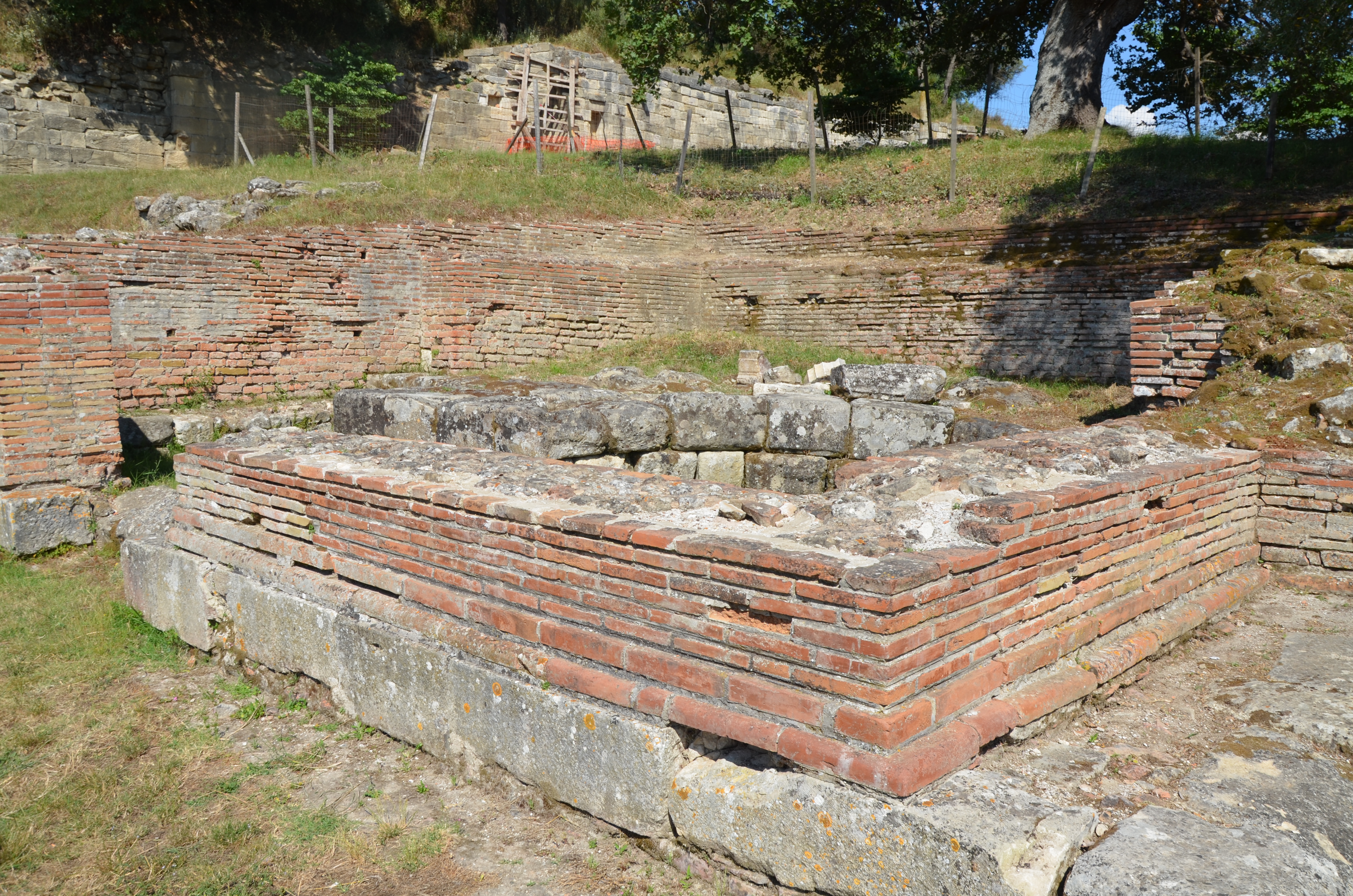
Apollonia (Illyria)
Ancient Greek trade colony and Roman city.
Kamenica Tumulus
Largest burial monument in Albania
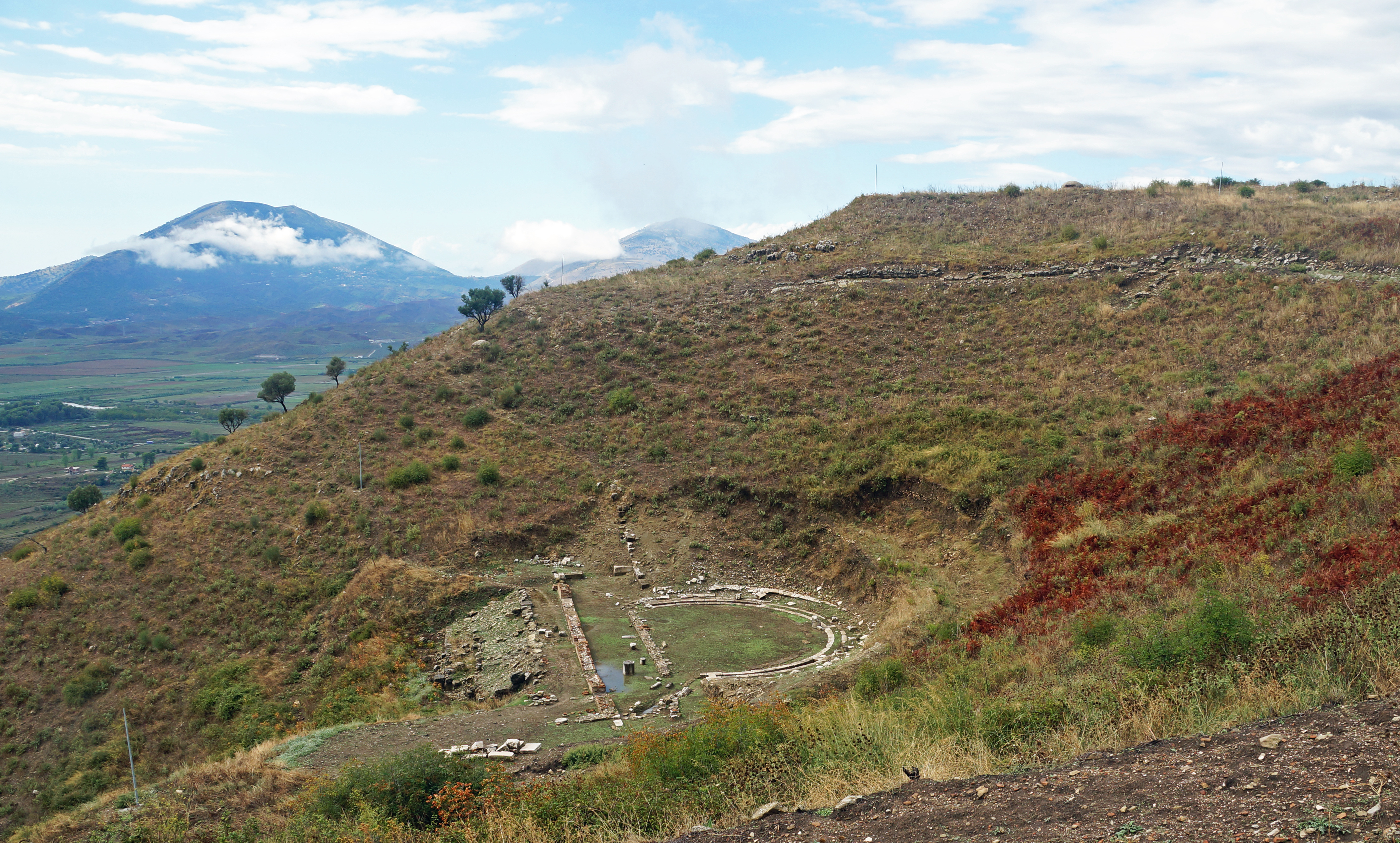
Phoenice
Ancient Greek city with fortifications and acropolis.
Selcë e Poshtme
Illyrian settlement and royal tombs, Mokra region, Albania
Kratul
Iron Age Illyrian fortification with elliptical walls.
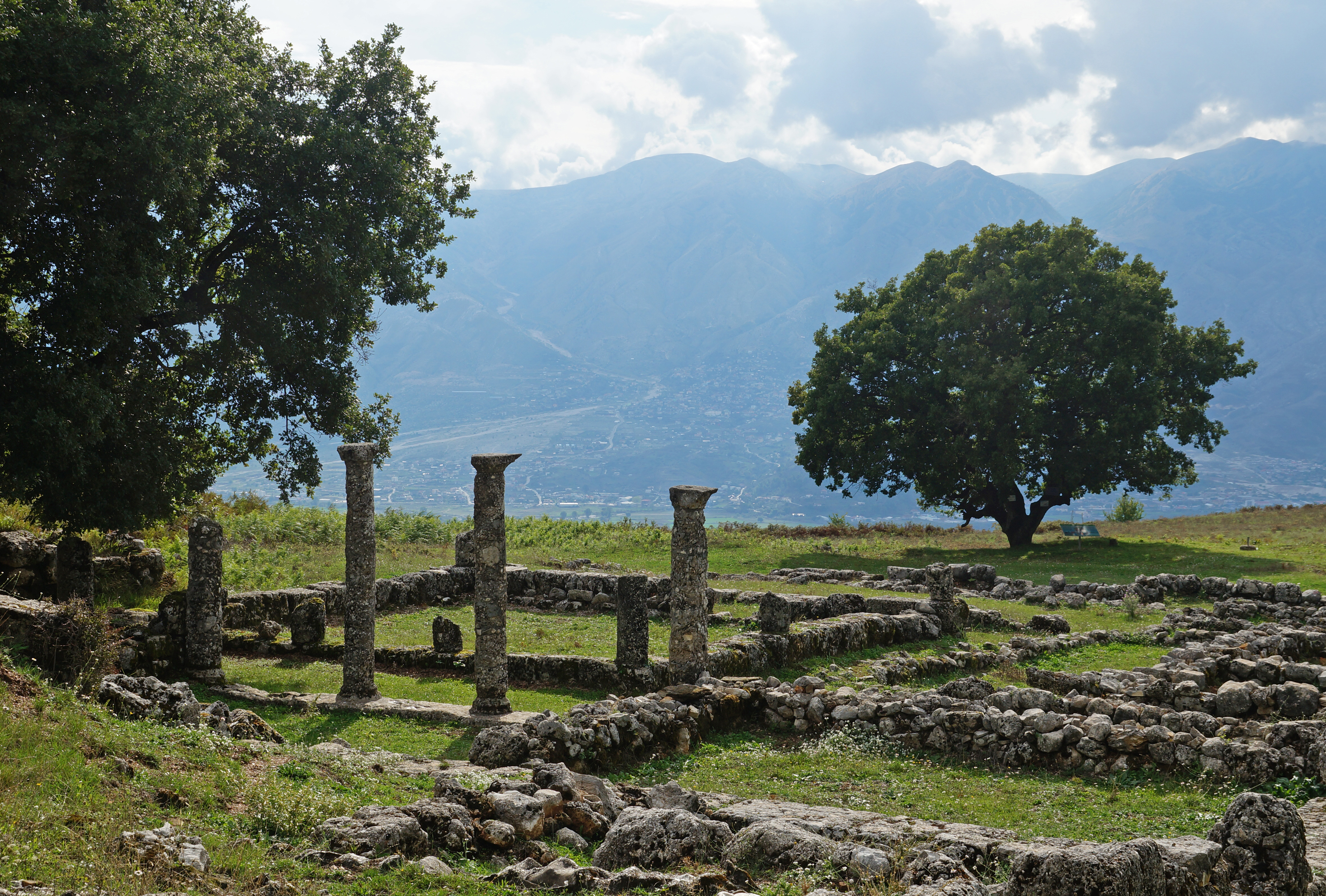
Antigonia (Chaonia)
Ancient city with preserved walls and church.