Time Periods
Paleolithic
Mesolithic
Neolithic
Chalcolithic
Bronze Age
Iron Age
Classical Period
Post-Classical Period
Early Modern Period
Industrial Period
Contemporary Period
Time Periods
Paleolithic
Mesolithic
Neolithic
Chalcolithic
Bronze Age
Iron Age
Classical Period
Post-Classical Period
Early Modern Period
Industrial Period
Contemporary Period
Location
About
The Maxta archaeological site, located in the Sharur District of the Nakhchivan Autonomous Republic in Azerbaijan, is a significant location with findings from both the Bronze and Iron Ages. The site is notably home to the Makhta Kultepe settlements, with Makhta Kultepe I dating back to the Early Bronze Age (around 2500 BCE) and characterized by domestic structures, stone and mud-brick buildings, and hearths. The site also holds the Garabulag Necropolis, indicative of early Iron Age practices, with unique burial customs including stone box graves and items like bronze daggers and horse skeletons. Additionally, the Maxta Necropolis, dating to the Late Classical Period (3rd century CE), showcases pitcher graves and highlights the region's long history of habitation and cultural evolution. These findings contribute valuable insights into the Kura-Araxes culture and the development of human settlements in the region.
Archaeological Features
Explore the unique architectural and cultural elements found at this historical site
Burial and Funerary Structures
Industrial and Craft Structures
Religious and Ritual Structures
Domestic and Habitation Structures
Food Production and Processing Features
Historical Timeline
Journey through time and discover key events in this site's archaeological history
Plan Your Visit
Details
- Country
- Azerbaijan
- Source
- Wikipedia
More Sites in Azerbaijan
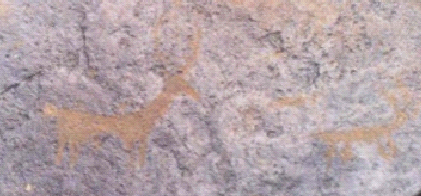
Gamigaya Petroglyphs
Petroglyphs of animals and symbols on rocks.
Sadarak (town)
Ancient settlement with burial monuments and caves.
Uzerliktapa
Middle Bronze Age settlement in Azerbaijan.
Tigranakert of Artsakh
Ruined Hellenistic Armenian city in Artsakh.
Damjili Cave
Half-circular cave with prehistoric artifacts
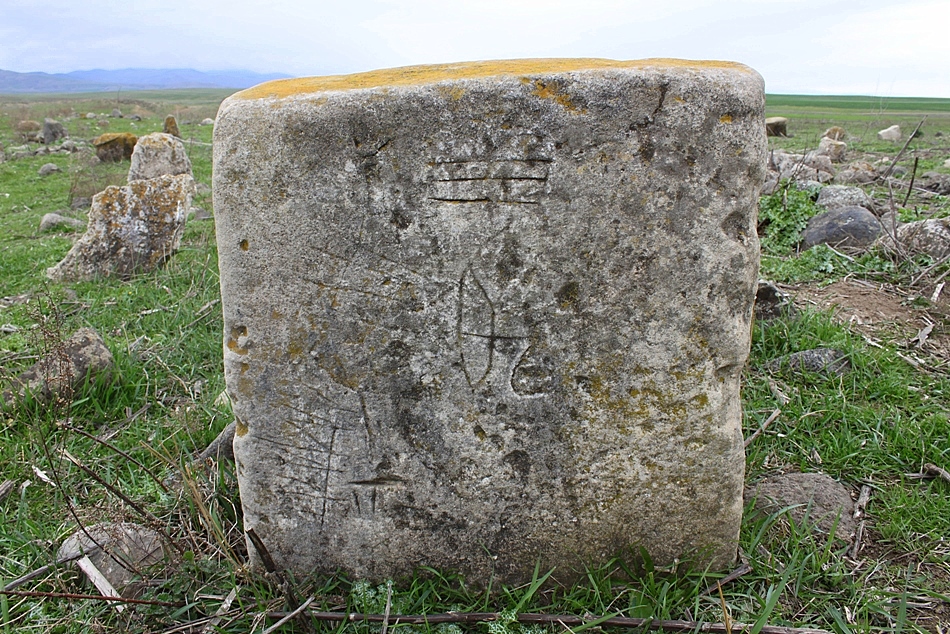
Nargiztapa
Bronze Age settlement remains in Azerbaijan