Explore the Map
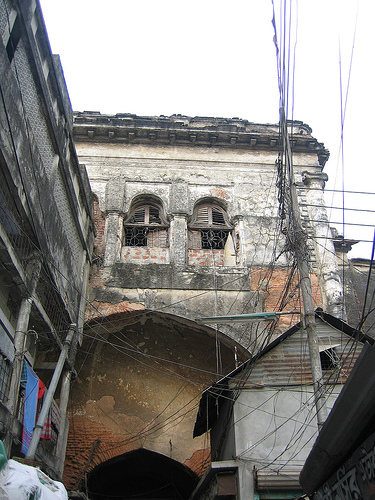
Chhota Katra
23.7130° N, 90.3962° E
About
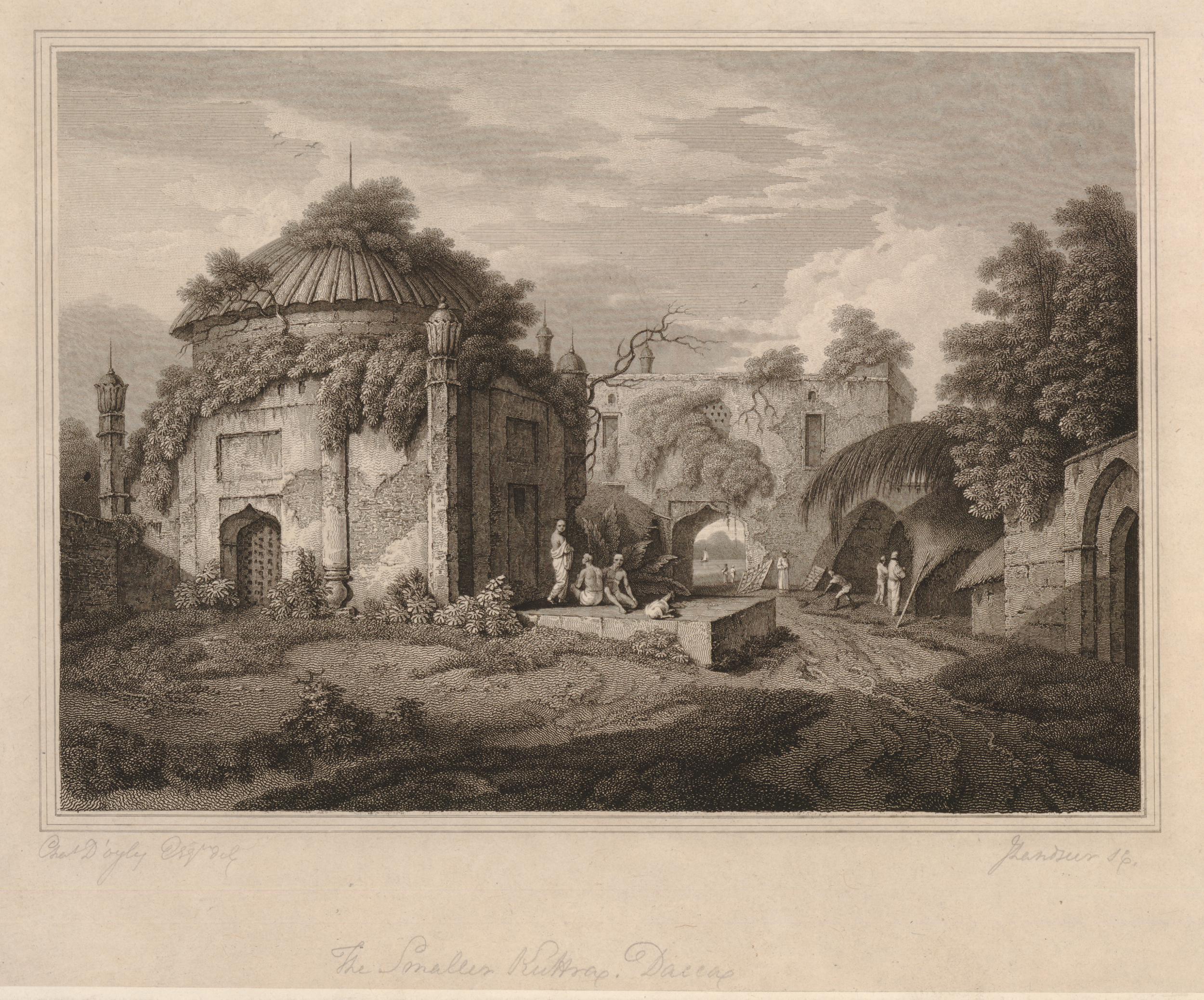
Chhota Katra, constructed in 1663 CE by Mughal Subahdar Shaista Khan, is a notable example of Mughal architecture in Dhaka, Bangladesh. It was designed to accommodate officials and Shaista Khan's family, featuring a rectangular layout with a central courtyard, bastions, and towers. The structure also includes religious elements, such as a mosque and a mausoleum, highlighting its multifaceted purpose. Over time, Chhota Katra has undergone significant alterations, reflecting colonial influences and various modern extensions. Despite its deteriorating condition, the site offers insights into Mughal urban planning and architecture. Chhota Katra's historical use as an educational institution and its transformation into a madrasa illustrate its adaptive reuse over centuries.
Gallery
Explore photographs of ancient structures, artifacts, and archaeological excavations
Historical Timeline
Journey through time and discover key events in this site's history
Construction of Chhota Katra
1663 CE
Shift of Mughal capital
1713 CE
Use by English Medium School
1816 CE
Use by first normal school
1857 CE
Archaeological Features
Unique architectural and cultural elements found at this historical site
Defensive Structures
Burial and Funerary Structures
Religious and Ritual Structures
Domestic and Habitation Structures
Frequently Asked Questions
Plan Your Visit
Tours, travel arrangements, and practical information
More Sites in Bangladesh
Bhitargarh
Ancient fortified city in northern Bangladesh
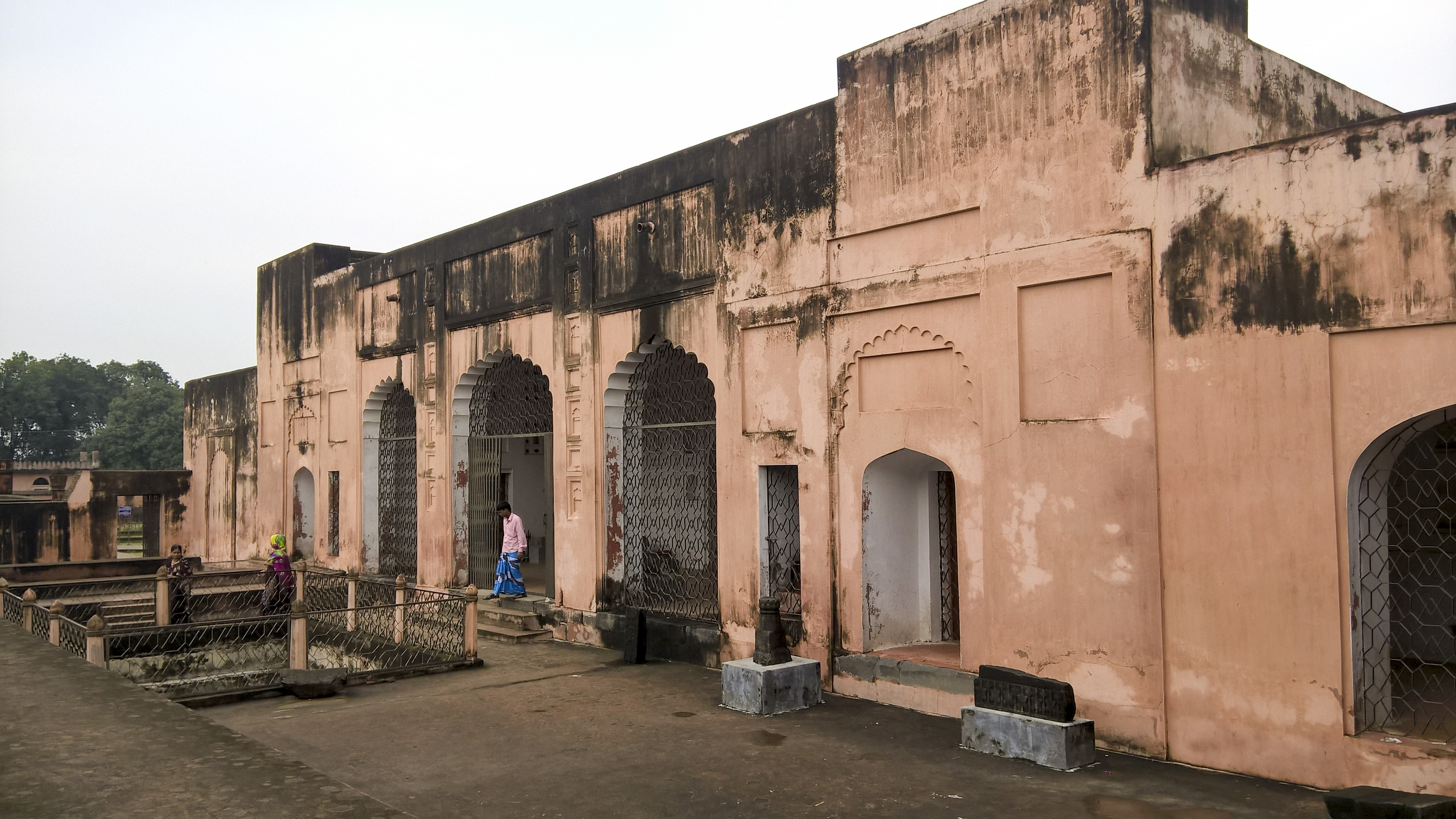
Mughal Tahakhana
Mughal-era temperature controlled palace complex
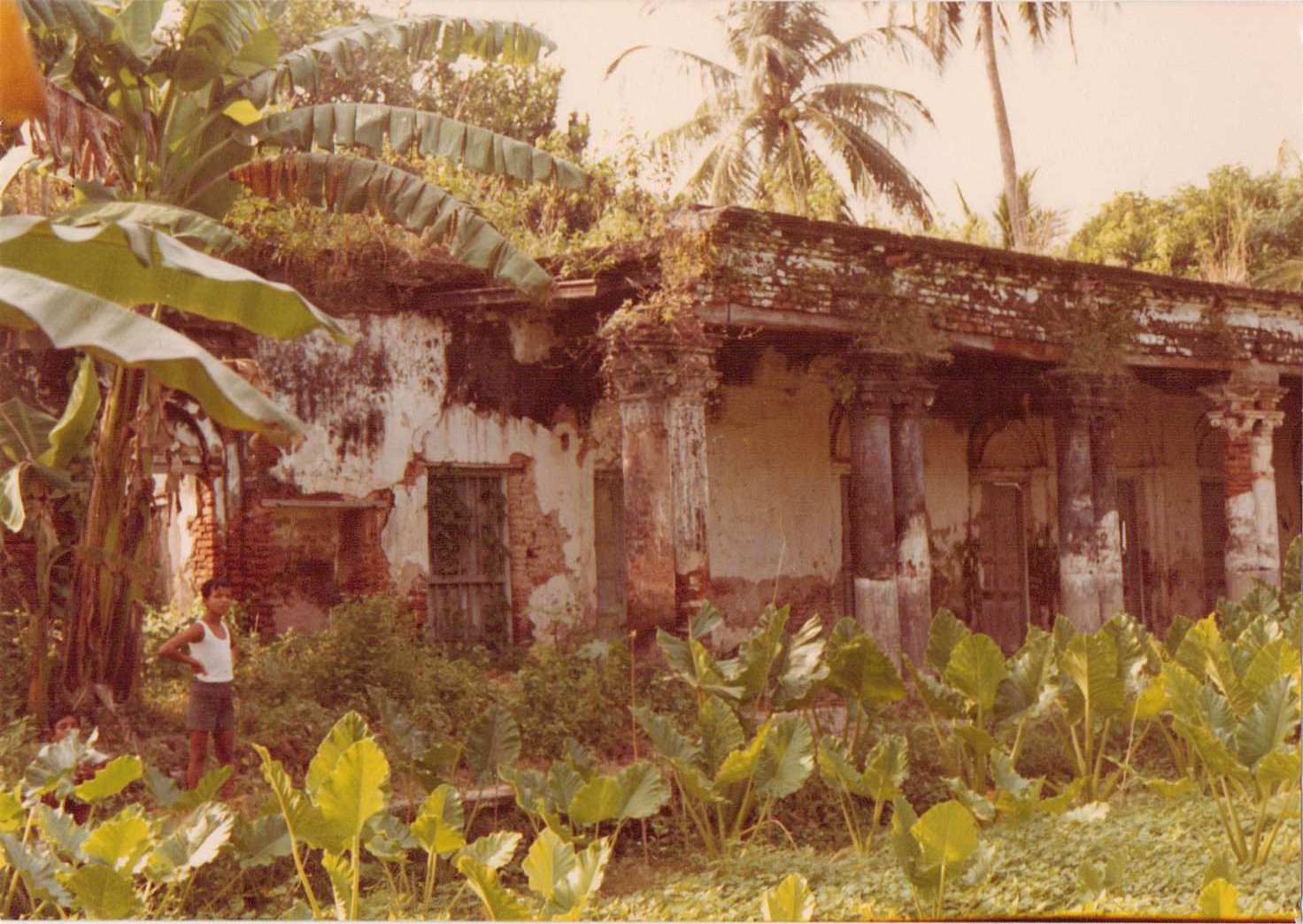
Tetulia Jami Mosque
Mughal-style six-domed mosque, mid-19th century
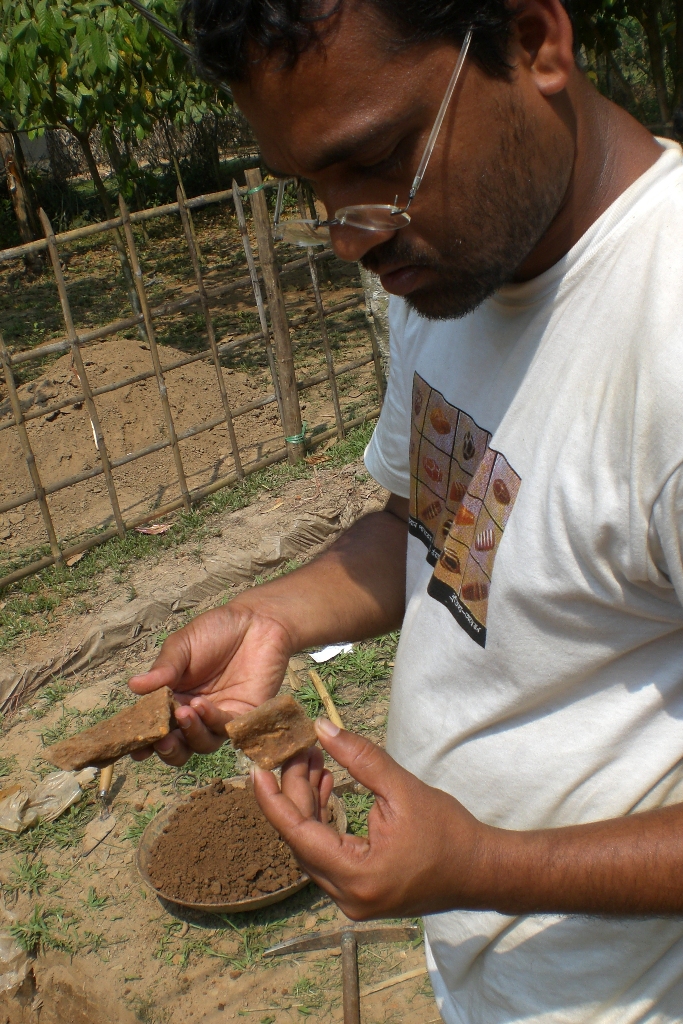
Wari-Bateshwar ruins
Oldest Iron Age urban site in Bangladesh
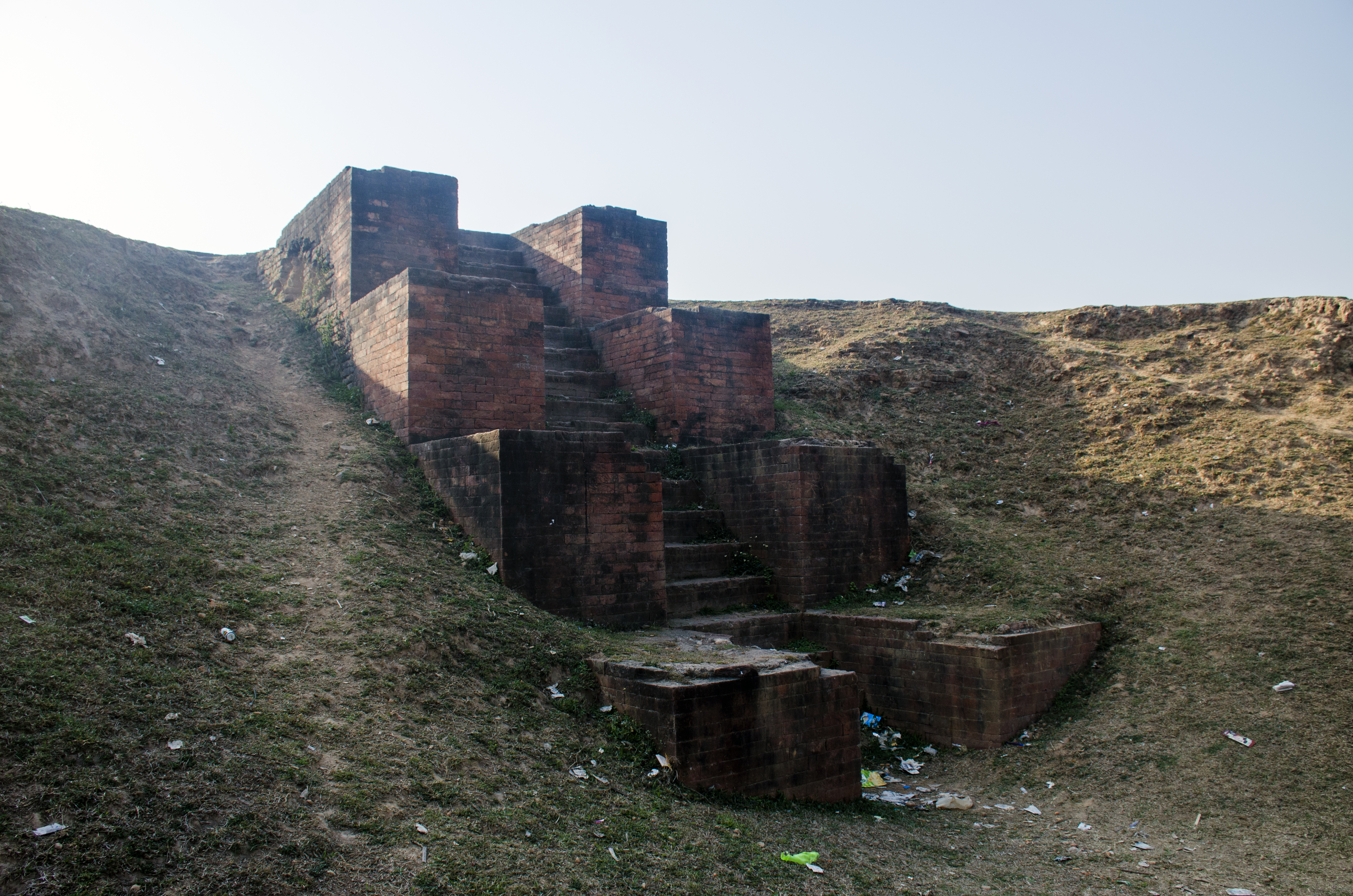
Halud Vihara
Large mound with Medieval Buddhist structures.
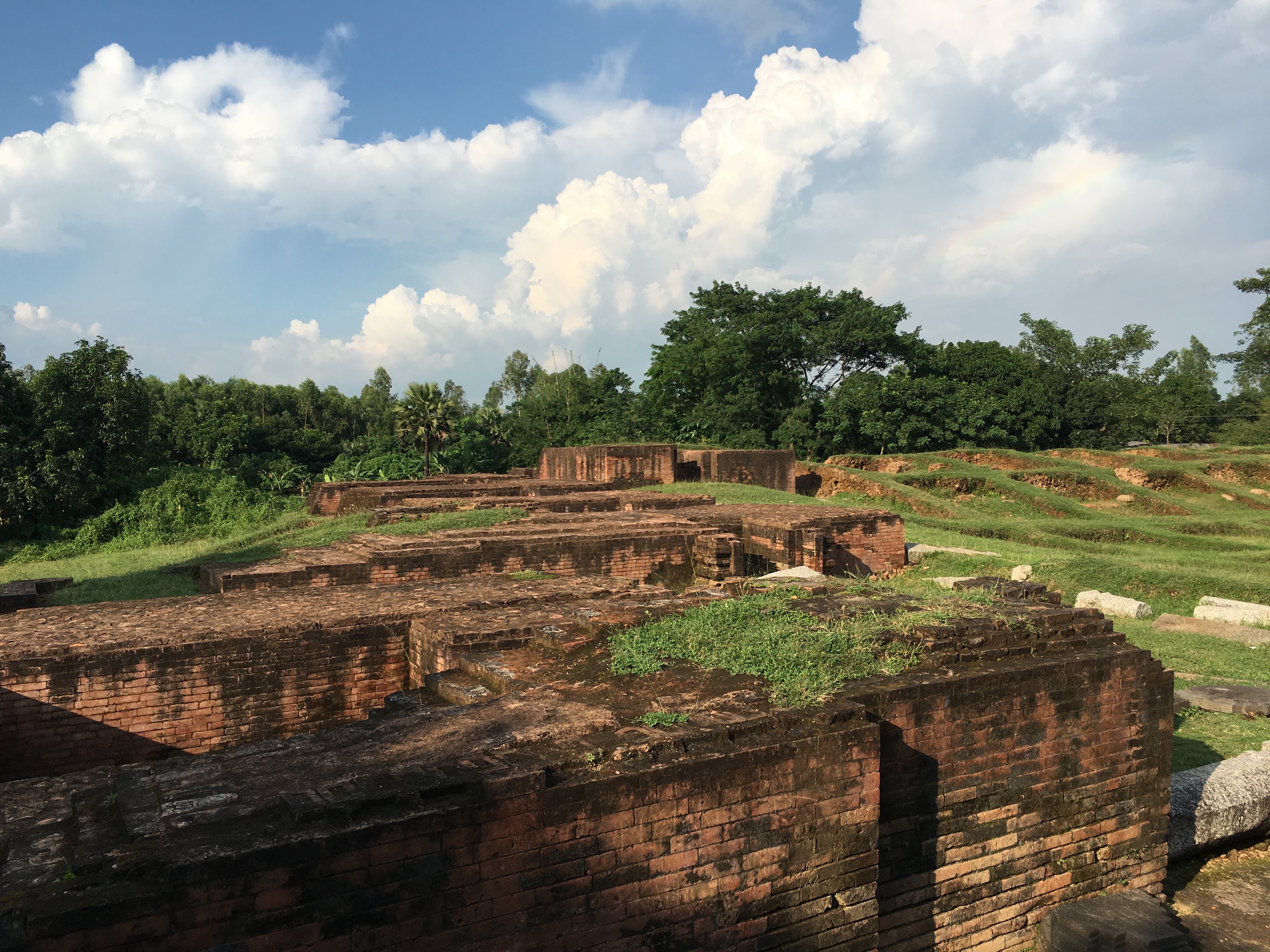
Jagaddala Mahavihara
Buddhist monastery and educational center ruins