Explore the Map
Mughal Tahakhana
24.8177° N, 88.1373° E
About
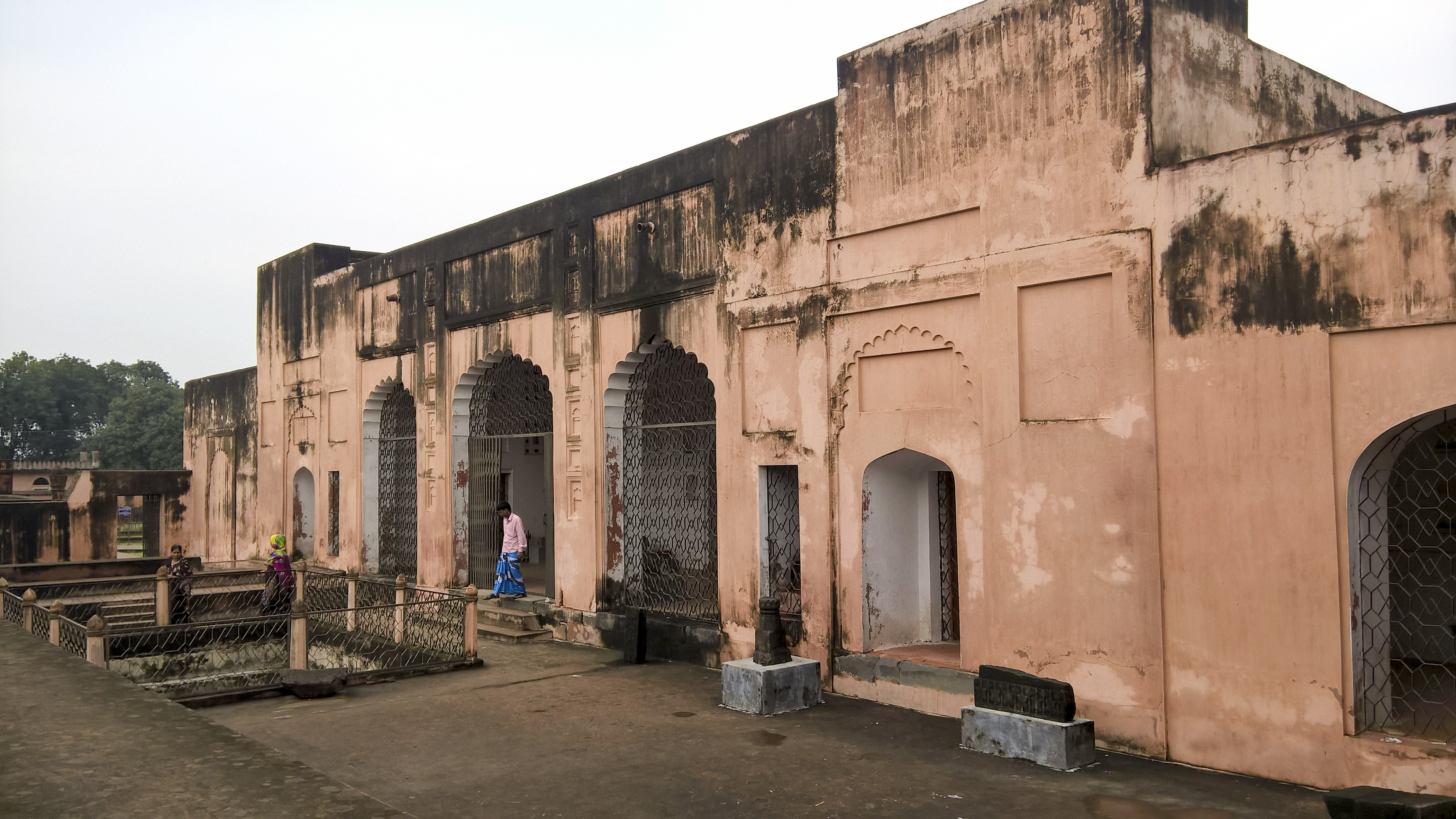
The Mughal Tahakhana, also known as Shah Shuja Tahakhana, is an impressive example of Mughal architectural ingenuity located in Gauḍa, in the Chapai Nawabganj District of Bangladesh. Constructed between 1619 and 1658 CE by Shah Shuja, son of Emperor Shah Jahan, the palace served as a temperature control unit to provide comfort during winter months. The complex includes a three-domed mosque, a one-domed tomb, and a hammam, all surrounding a large reservoir named Dafe-ul-Balah. The architectural design employs concrete casting for ceilings and partitions, with black stone thresholds and wooden beams for the roof. Graves within the complex are believed to belong to companions of Shah Syed Niyamatullah. This site exemplifies the Mughal era's architectural prowess and its functional design, making it a significant archaeological site for understanding the cultural and historical context of the time.
Gallery
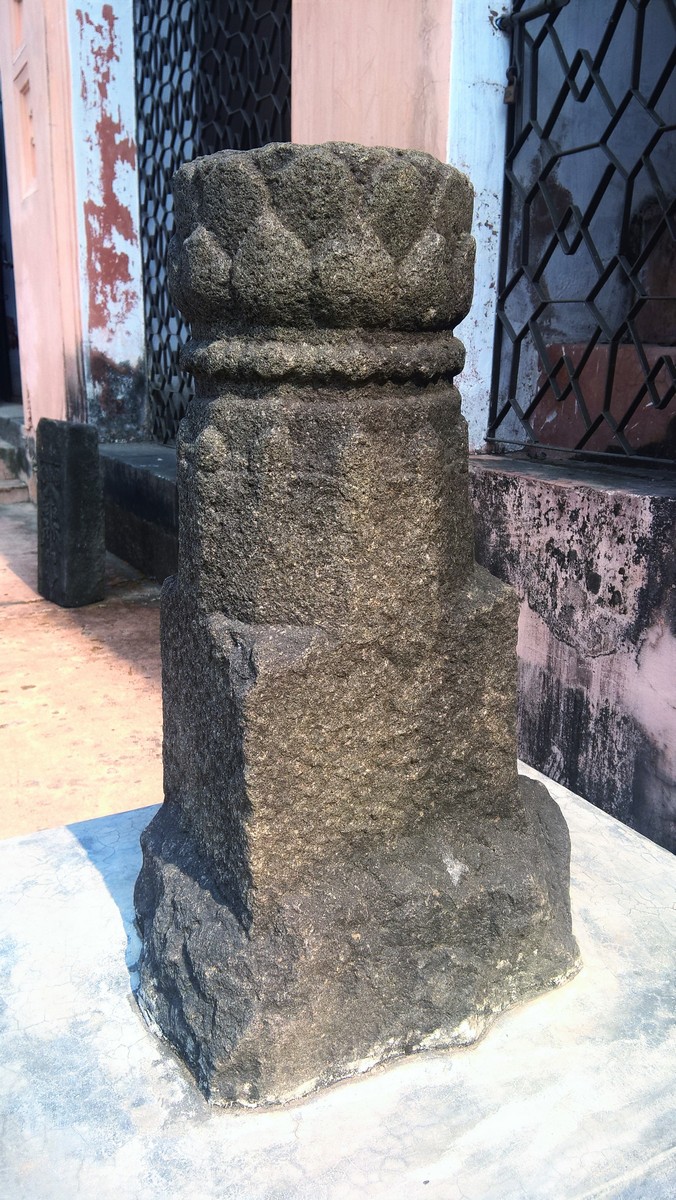
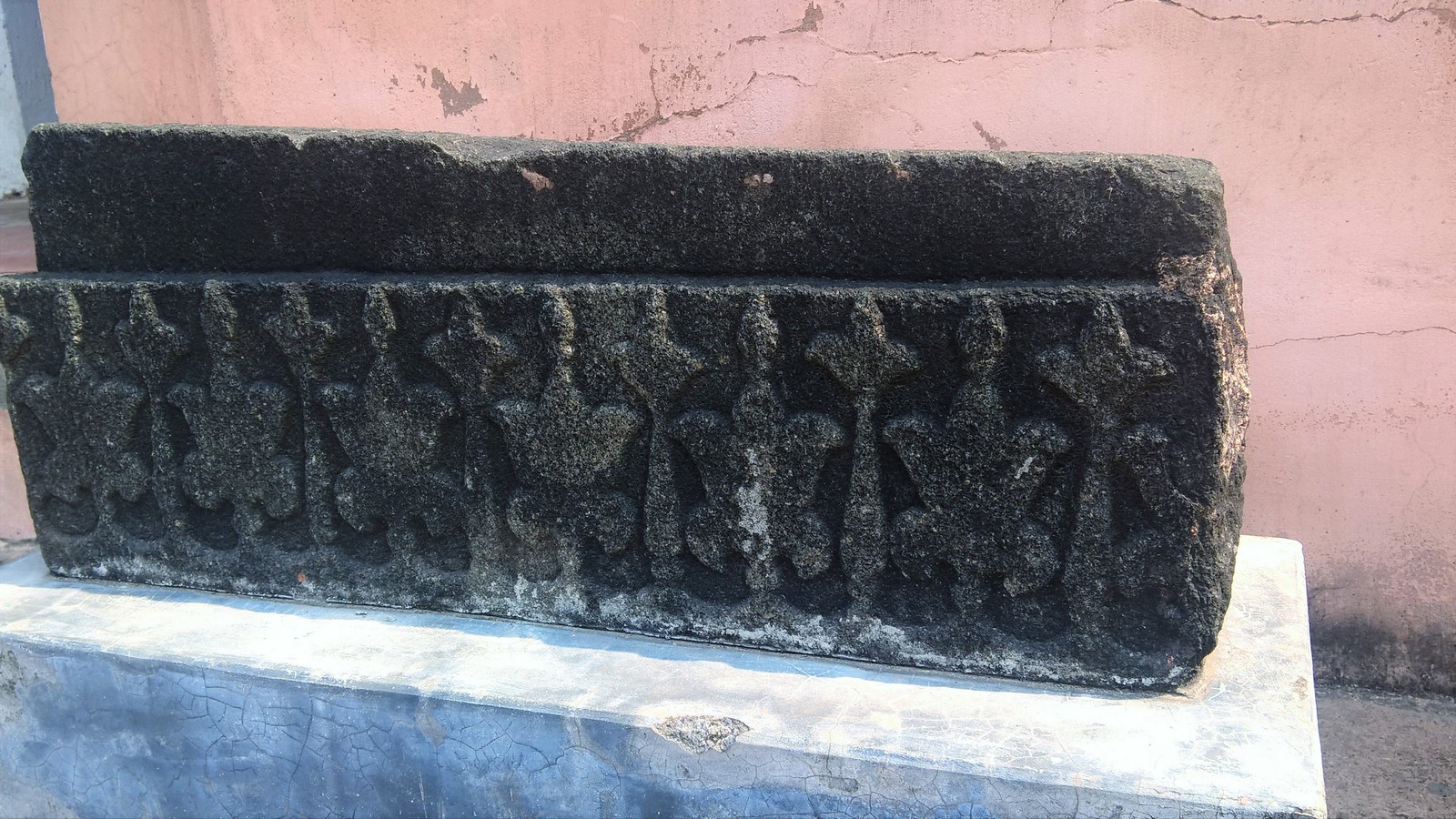
Explore photographs of ancient structures, artifacts, and archaeological excavations
Historical Timeline
Journey through time and discover key events in this site's history
Construction of Tahakhana
1619 CE, 1658 CE
Archaeological Features
Unique architectural and cultural elements found at this historical site
Water Management Features
Burial and Funerary Structures
Religious and Ritual Structures
Domestic and Habitation Structures
Frequently Asked Questions
Plan Your Visit
Tours, travel arrangements, and practical information
More Sites in Bangladesh
Bhitargarh
Ancient fortified city in northern Bangladesh
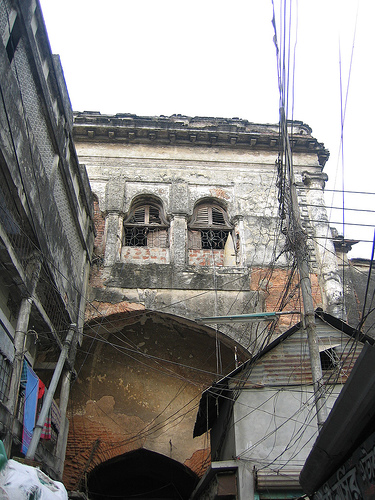
Chhota Katra
Rectangular Mughal dormitory with courtyards.
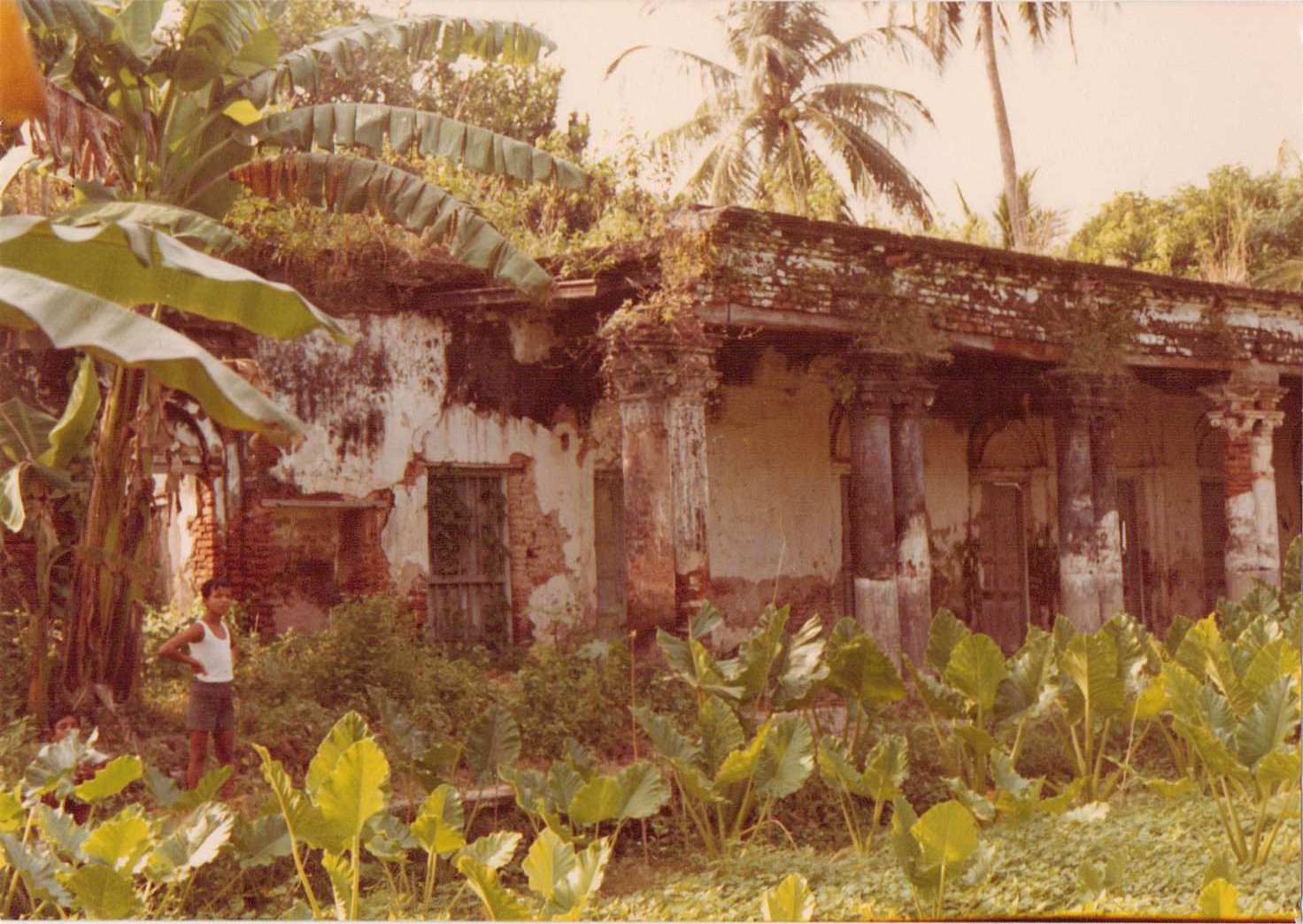
Tetulia Jami Mosque
Mughal-style six-domed mosque, mid-19th century
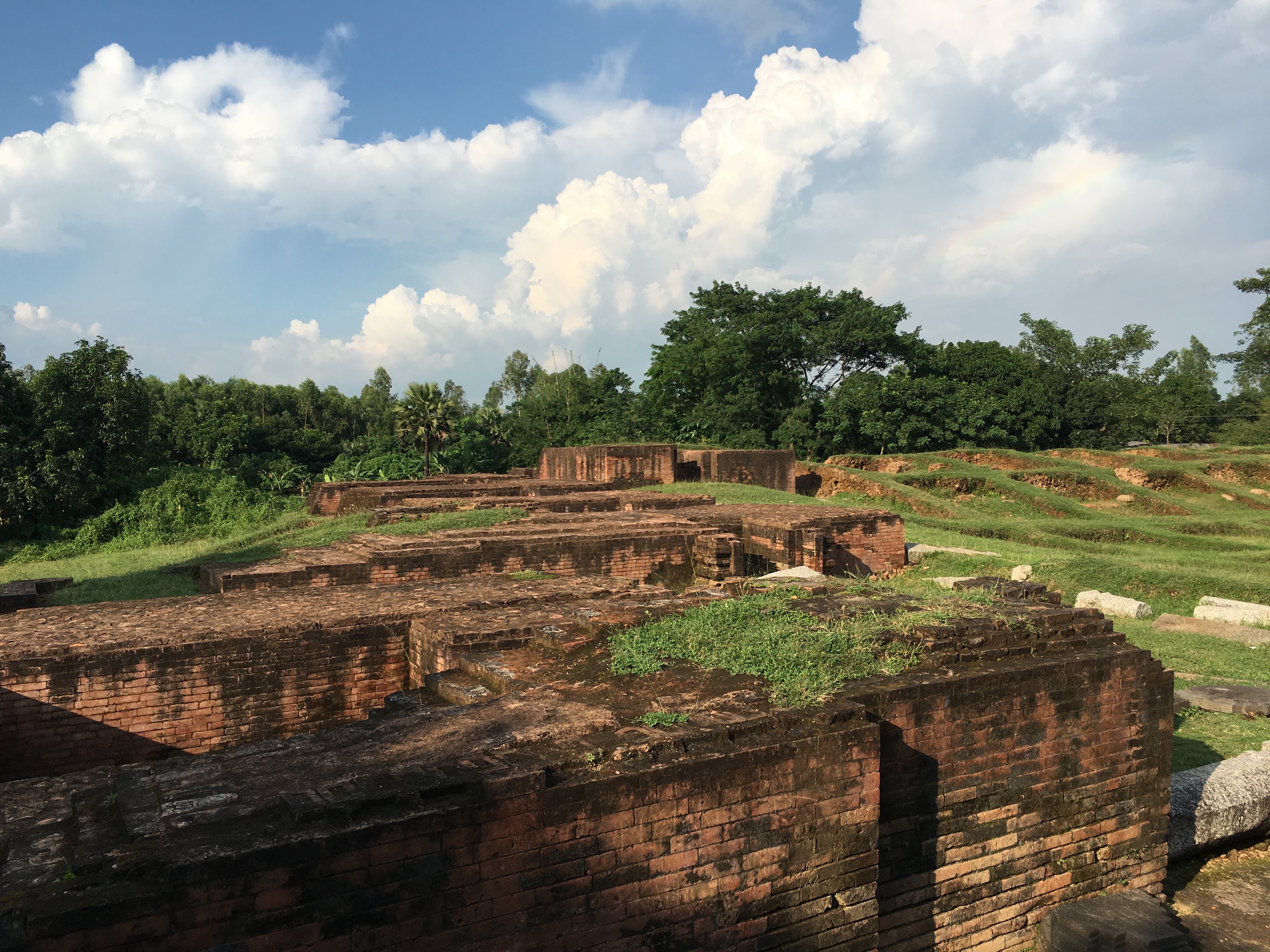
Jagaddala Mahavihara
Buddhist monastery and educational center ruins
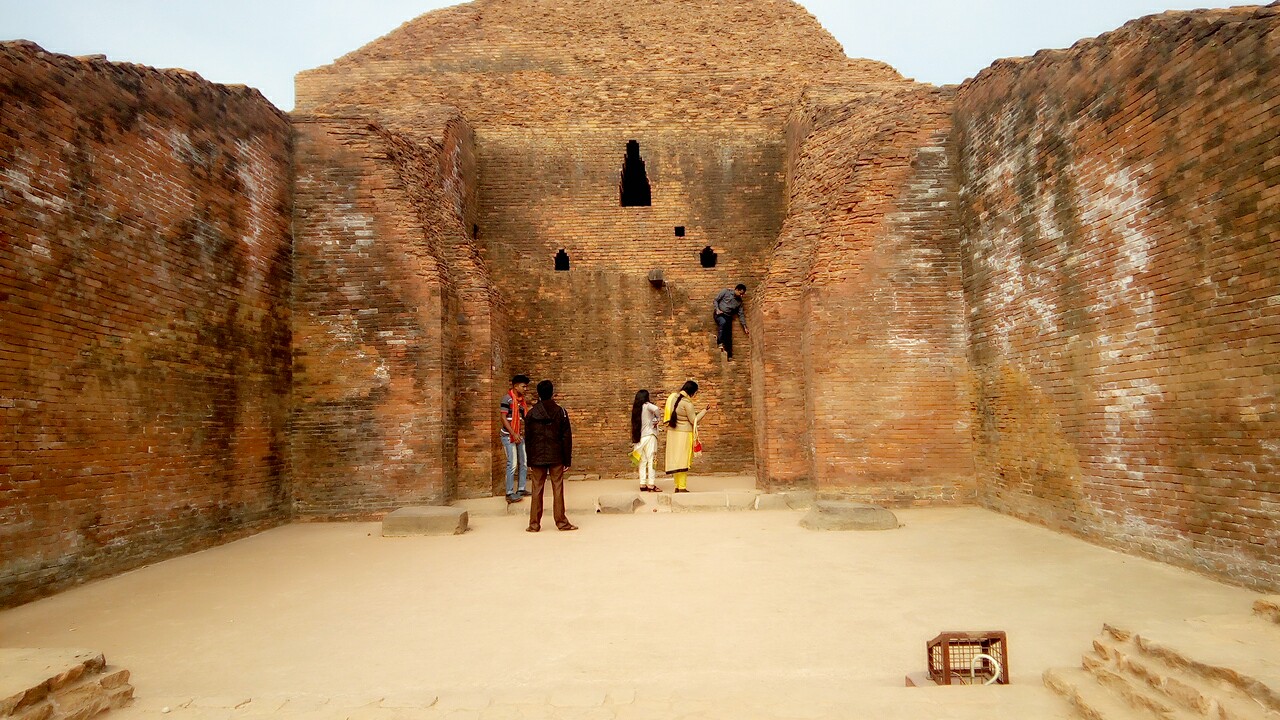
Somapura Mahavihara
Vast ancient Buddhist monastery complex
Nateshwar Deul
Buddhist city ruins with unique stupas