
Explore the Map
Somapura Mahavihara
25.0311° N, 88.9769° E
About
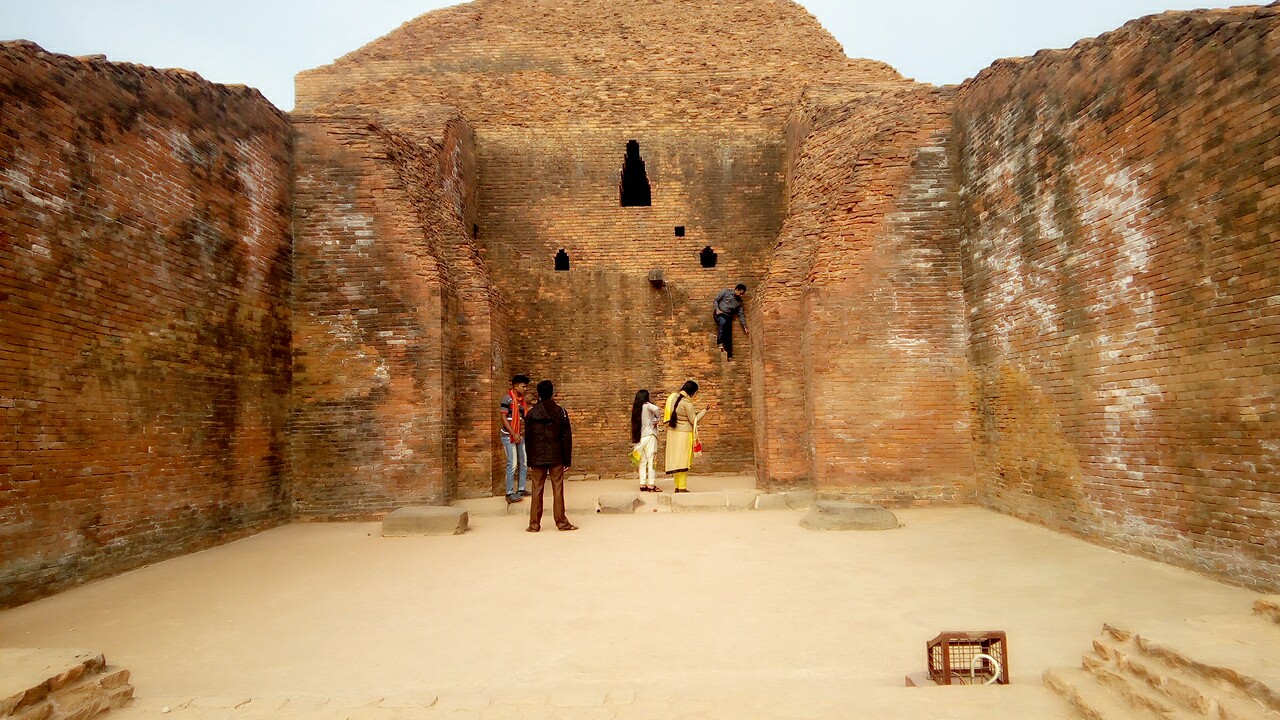
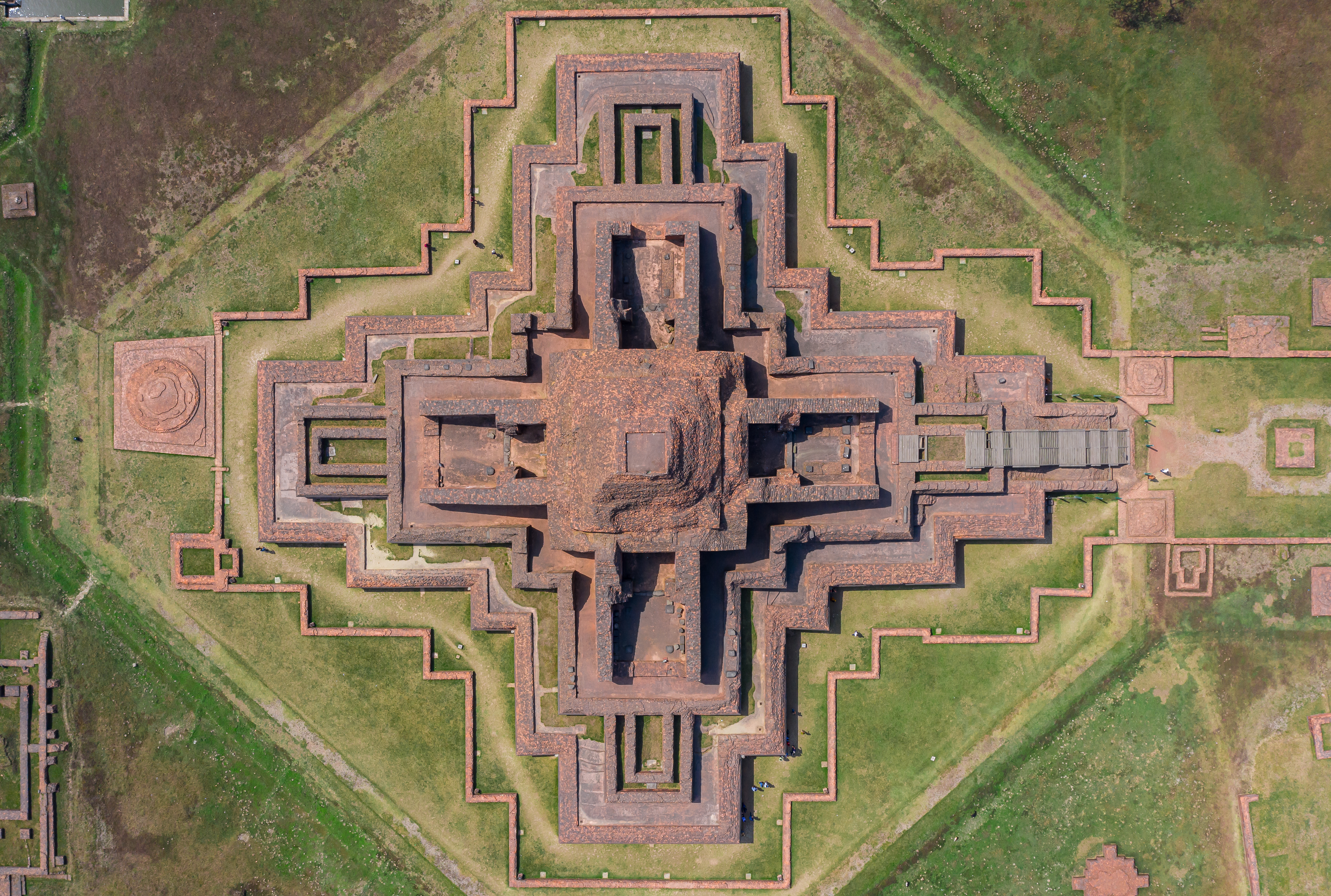
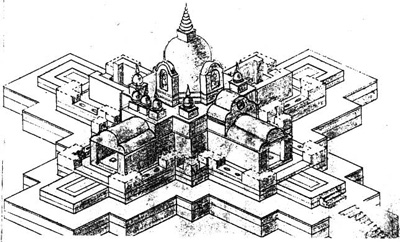
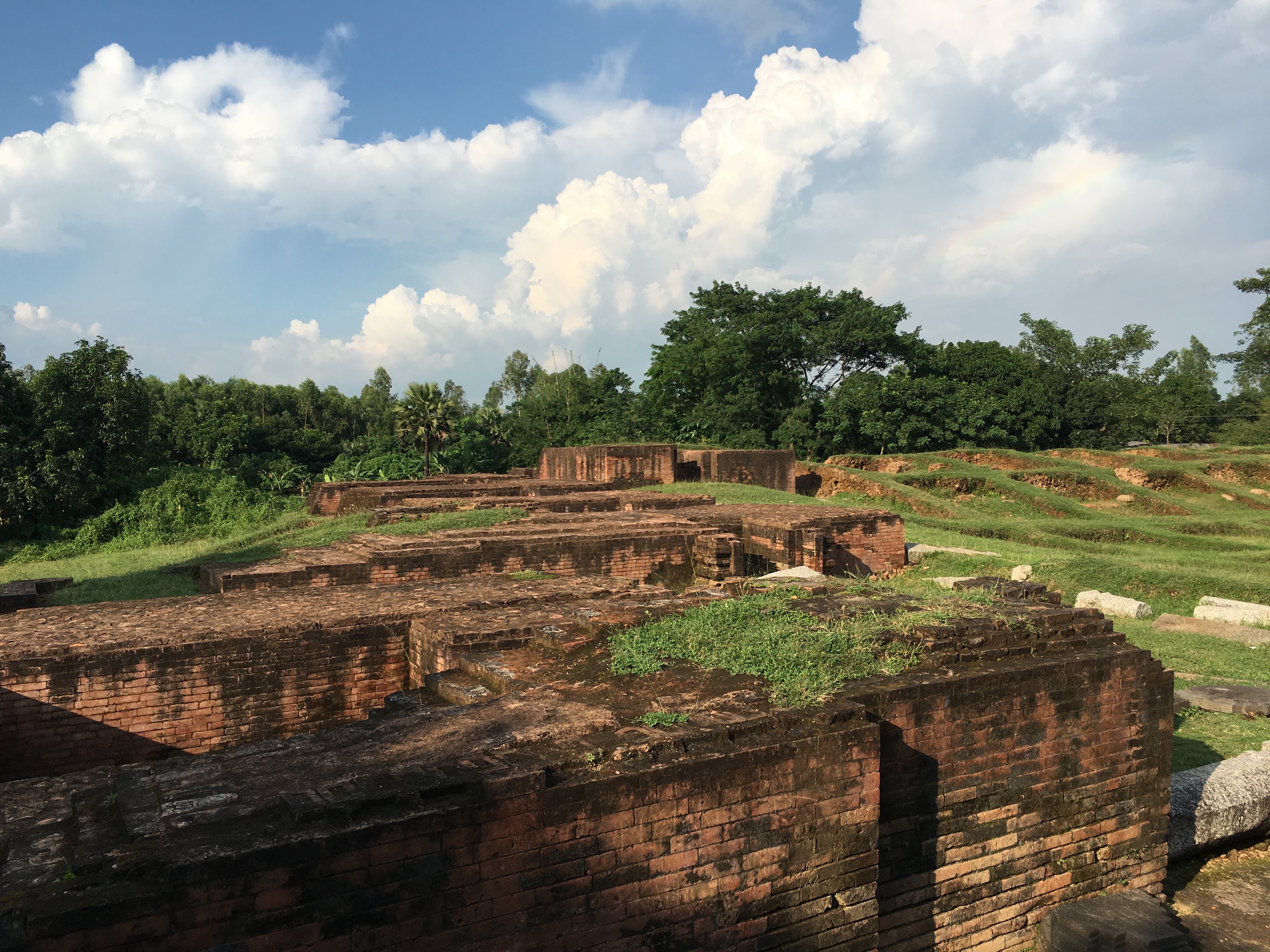
Somapura Mahavihara, located in Paharpur, Bangladesh, is a monumental Buddhist monastery dating back to the Pala Dynasty. Built by King Dharmapala around the 8th century CE, it features a large quadrangular structure with 177 cells, a central stupa, and extensive terracotta plaques and inscriptions. The site served as a significant intellectual center, fostering Buddhist education and learning. Its architectural style influenced temple designs in Southeast Asia. Although it experienced periods of repair and prosperity, it began to decline in the late 12th century during the Sena Dynasty. Now a UNESCO World Heritage Site, Somapura Mahavihara remains an enduring symbol of historical and cultural synthesis in the region.
Gallery
Explore photographs of ancient structures, artifacts, and archaeological excavations
Historical Timeline
Journey through time and discover key events in this site's history
Construction by Dharmapala
circa 781–821 CE
Devapala's contribution
circa 810–850 CE
Repair by Mahipala
circa 995–1043 CE
Decline during Sena Dynasty
Late 12th century CE
Archaeological Features
Unique architectural and cultural elements found at this historical site
Miscellaneous Features
Public and Civic Structures
Religious and Ritual Structures
Artistic and Decorative Features
Frequently Asked Questions
Plan Your Visit
Tours, travel arrangements, and practical information
More Sites in Bangladesh
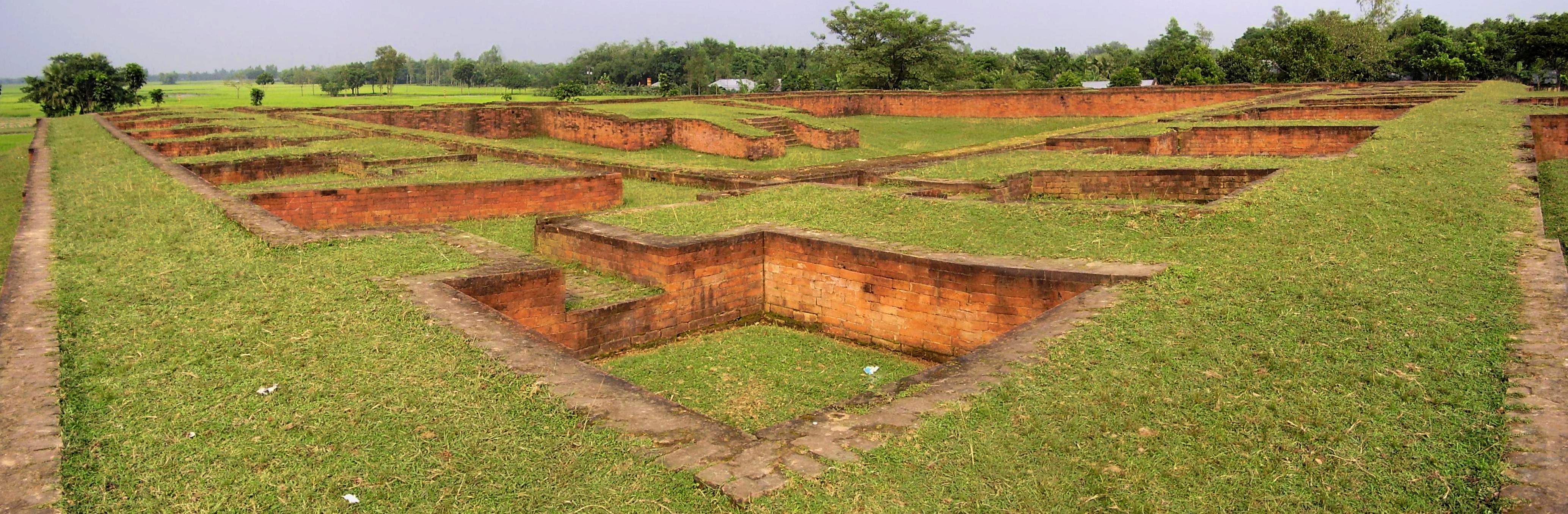
Pundranagar
Fortified ancient city in Bengal region.
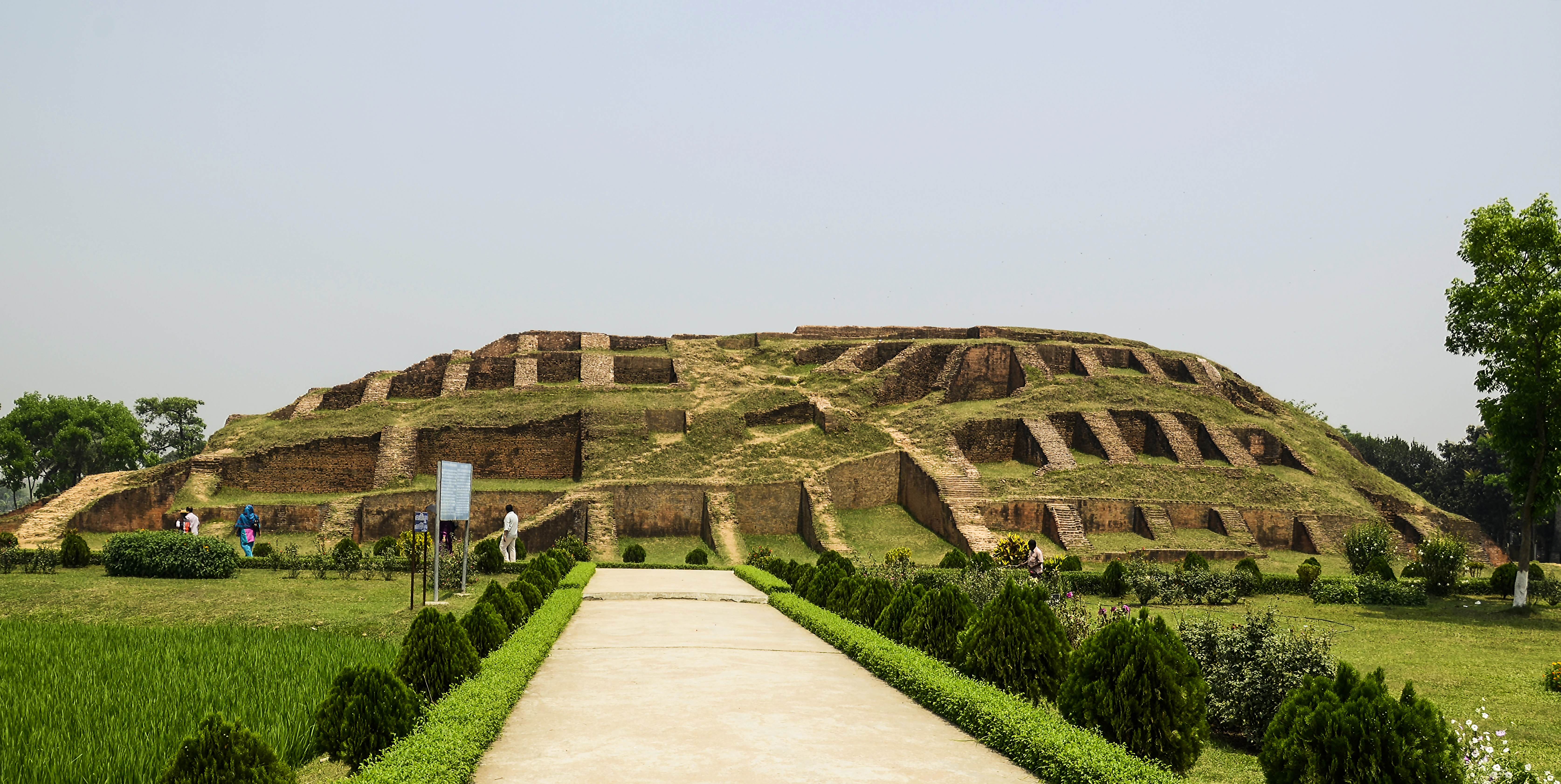
Gokul Medh
Excavated Buddhist stupa and Shiva shrine
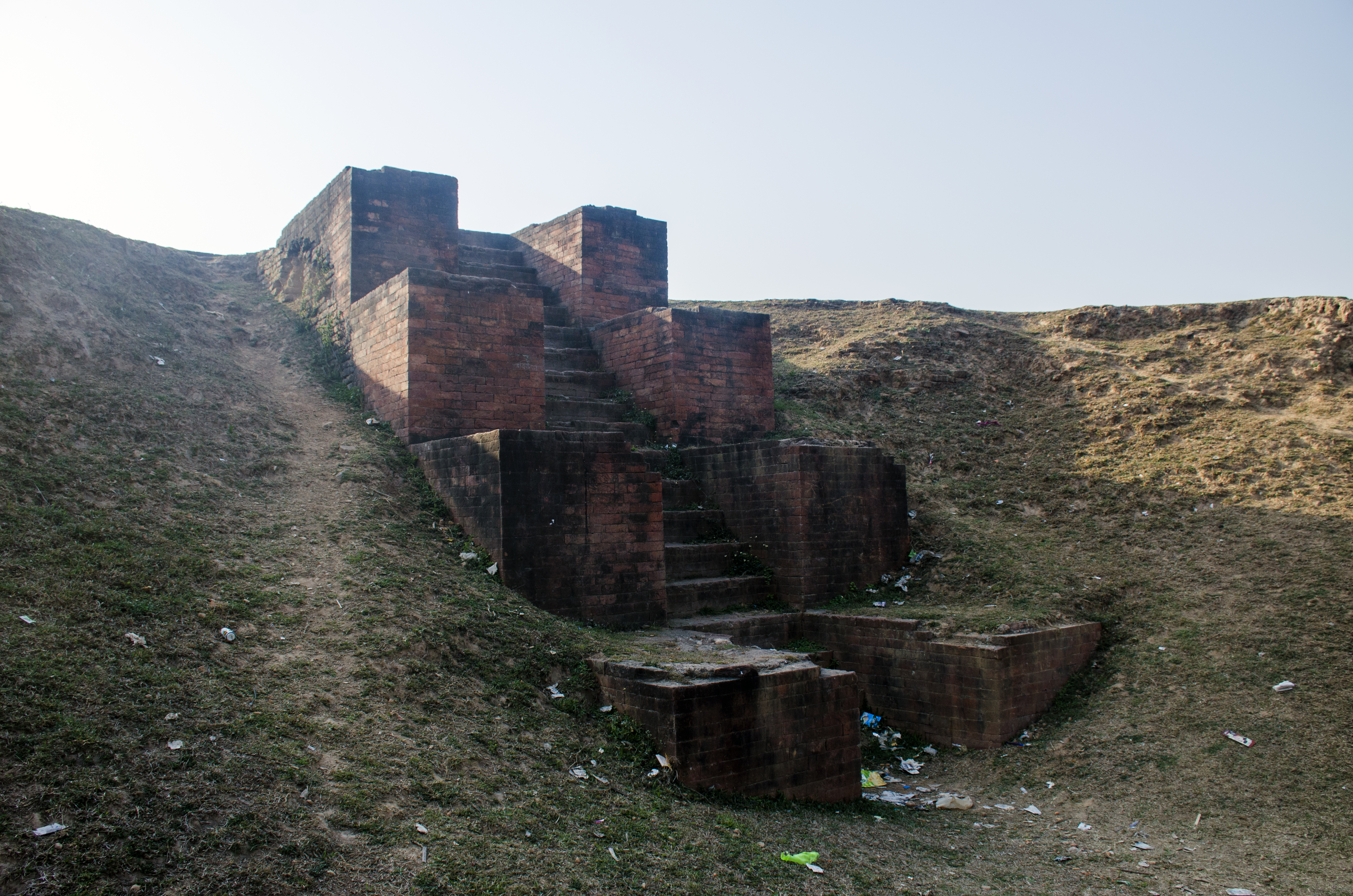
Halud Vihara
Large mound with Medieval Buddhist structures.
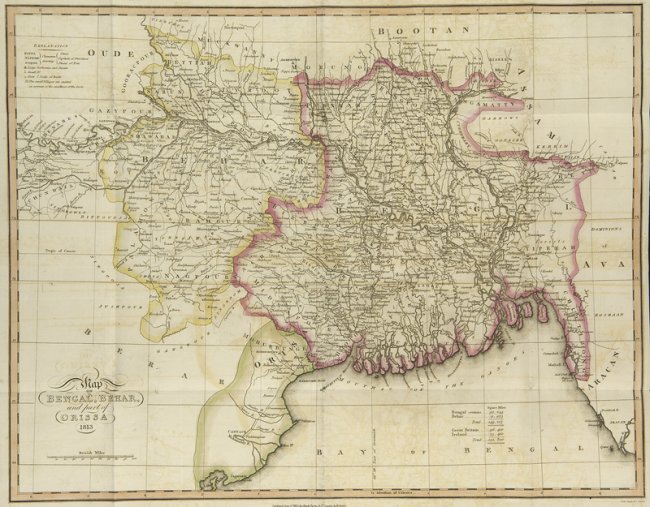
Nateshwar Deul
Buddhist city ruins with unique stupas
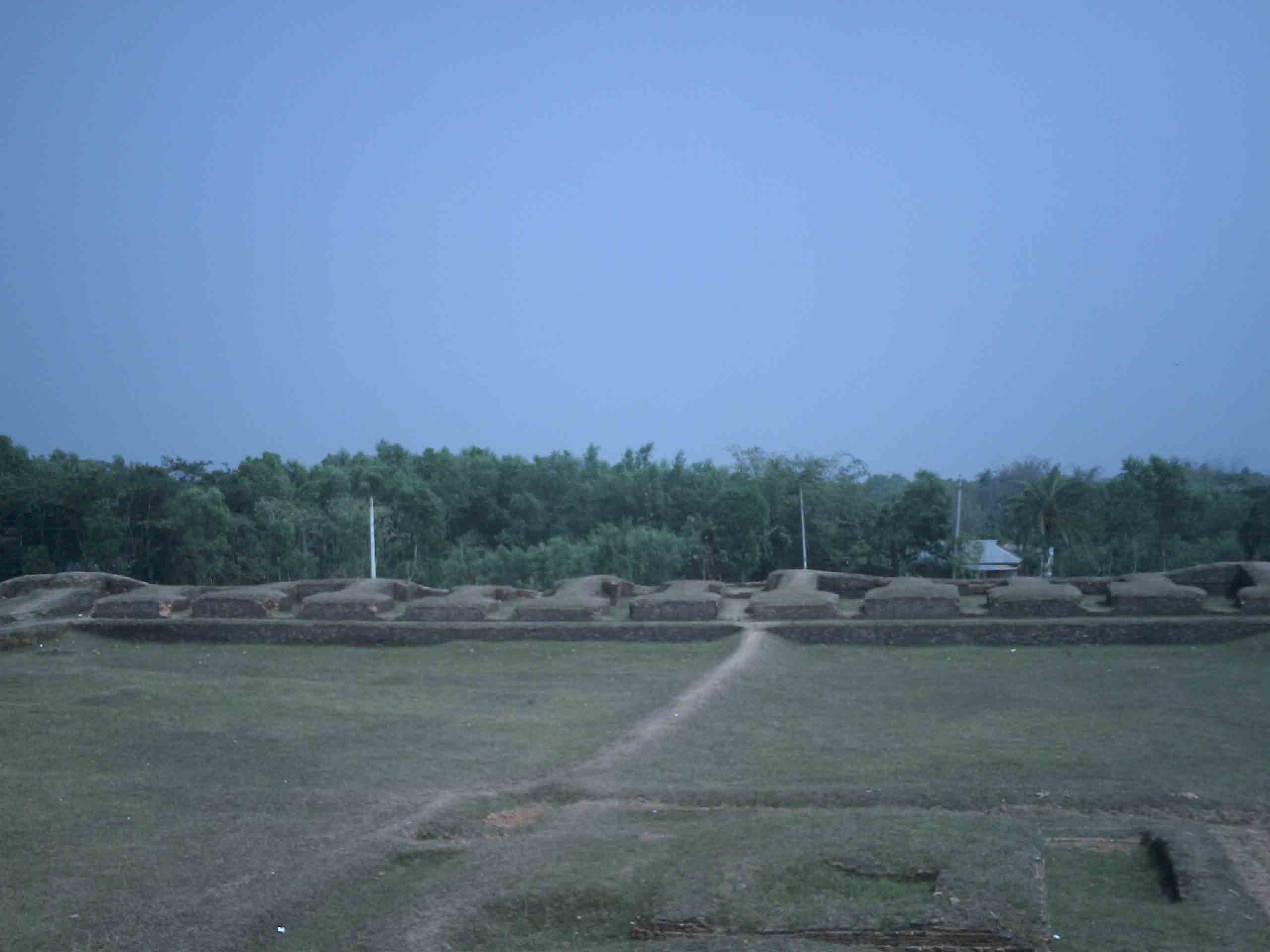
Mainamati
Isolated hills with Buddhist settlements
Jagaddala Mahavihara
Buddhist monastery and educational center ruins