Explore the Map
Gokul Medh
24.5609° N, 89.2010° E
About
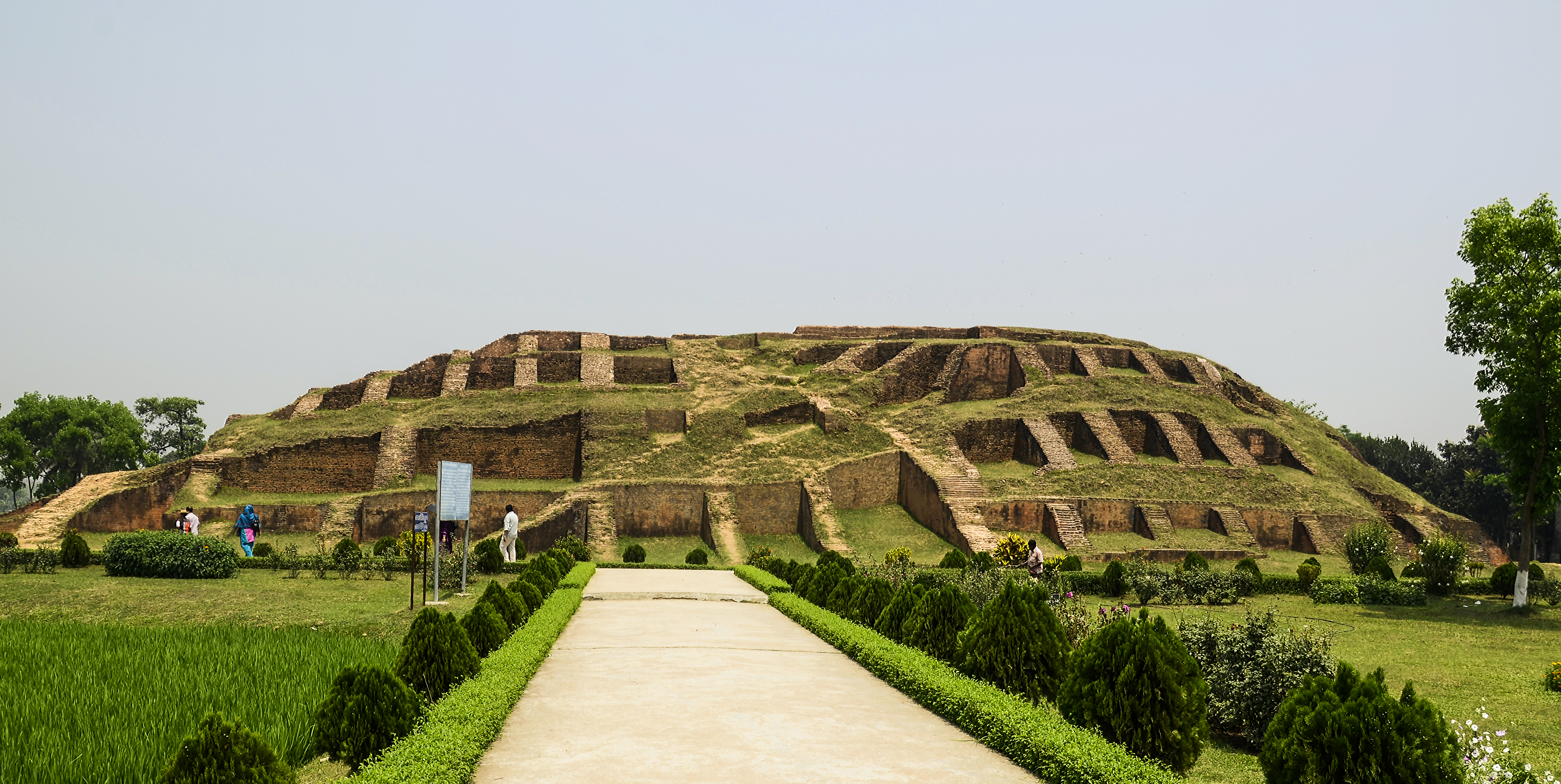
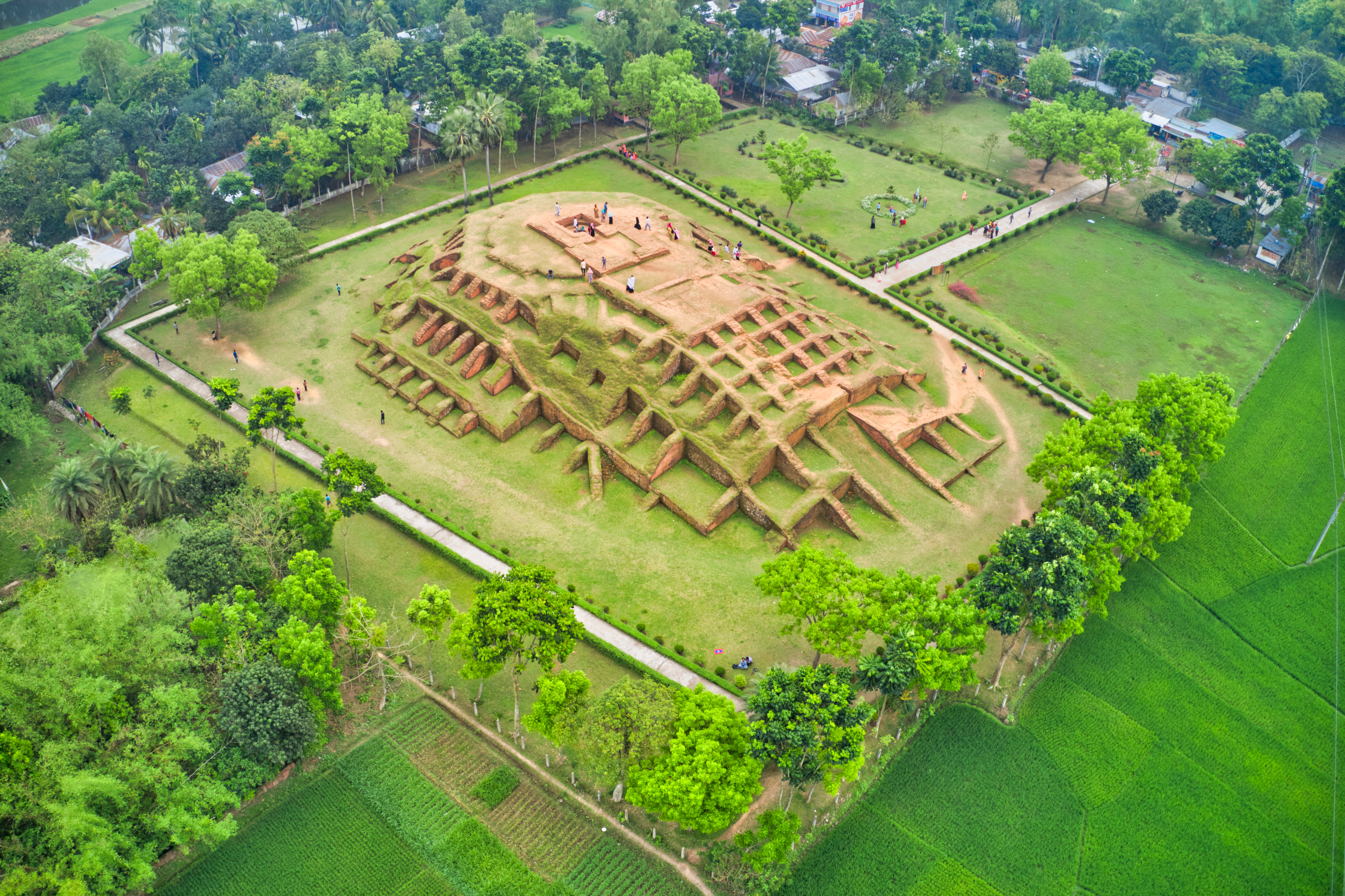
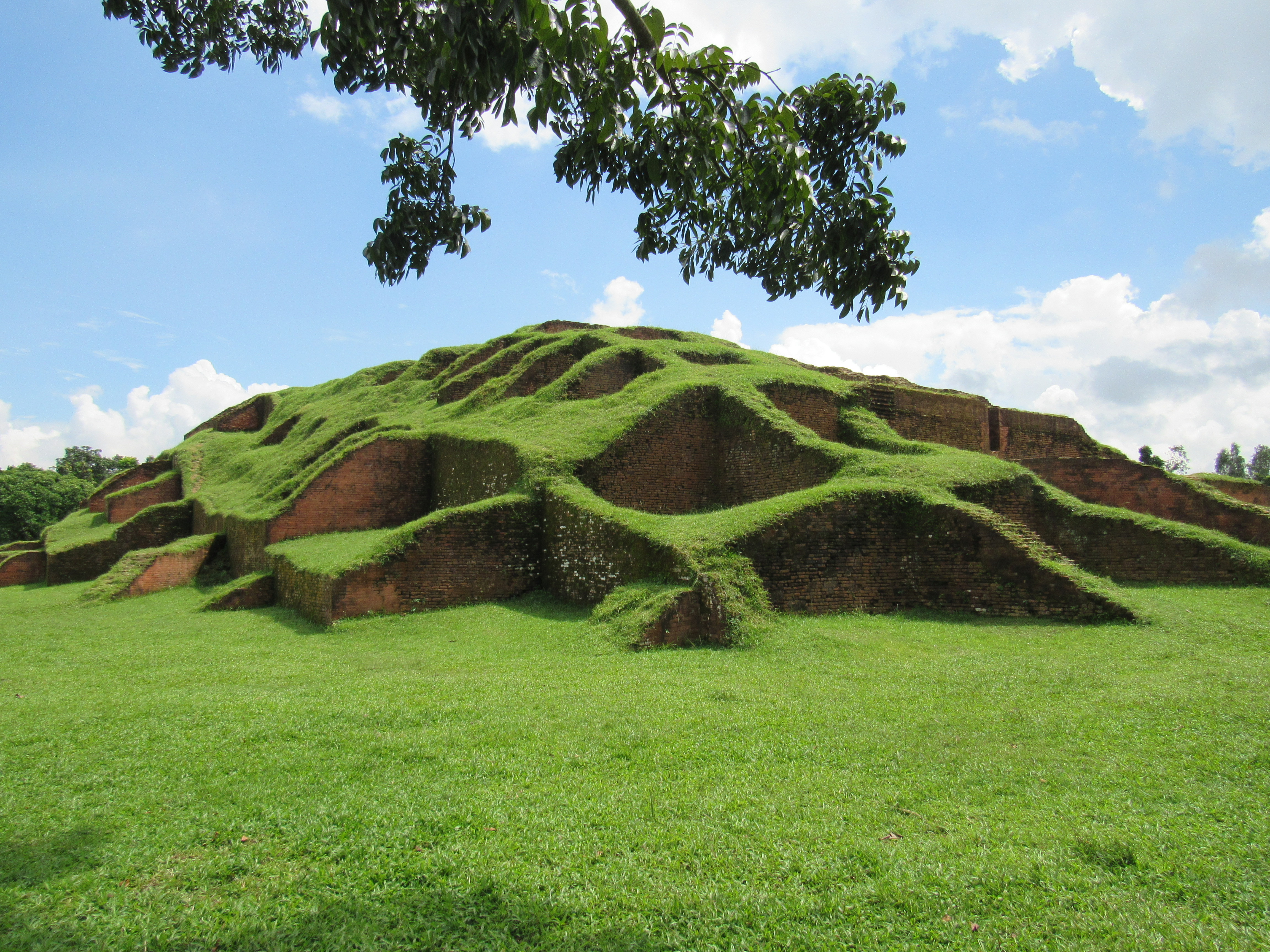
Gokul Medh, located in Bogra, Bangladesh, is an excavated archaeological site featuring the base of a Buddhist stupa built in the 7th century CE. The stupa's terraced cellular construction consists of 172 tightly packed blind rectangular cells arranged in tiers, supporting a polygonal shrine. The site also contains terracotta plaques from the late Gupta period, indicating its historical significance. During the Sena period, a square temple was added, suggesting continued religious use. A central stone slab with depressions and a gold leaf depicting a recumbent bull implies the site's use as a Shiva temple at some point. Gokul Medh serves as a testament to the region's diverse religious and cultural history, reflecting the architectural and artistic developments of its time.
Gallery
Explore photographs of ancient structures, artifacts, and archaeological excavations
Historical Timeline
Journey through time and discover key events in this site's history
Buddhist stupa construction
600 CE - 700 CE
Sena period temple addition
1000 CE - 1100 CE
Archaeological Features
Unique architectural and cultural elements found at this historical site
Religious and Ritual Structures
Frequently Asked Questions
Plan Your Visit
Tours, travel arrangements, and practical information
More Sites in Bangladesh
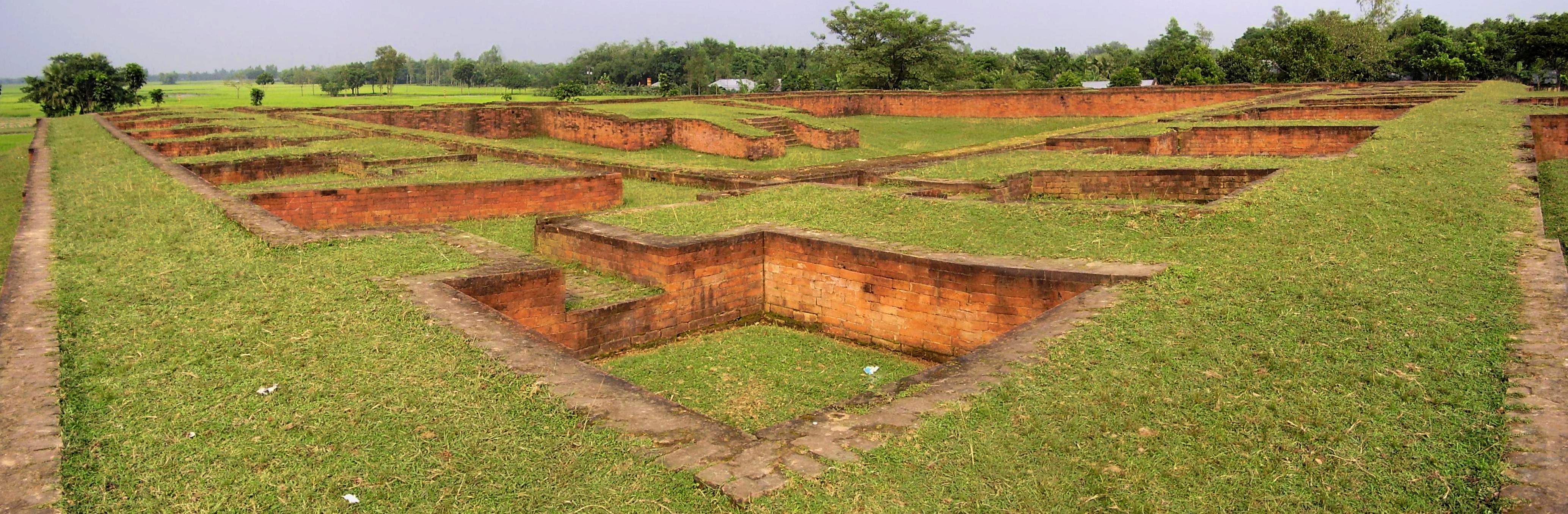
Pundranagar
Fortified ancient city in Bengal region.
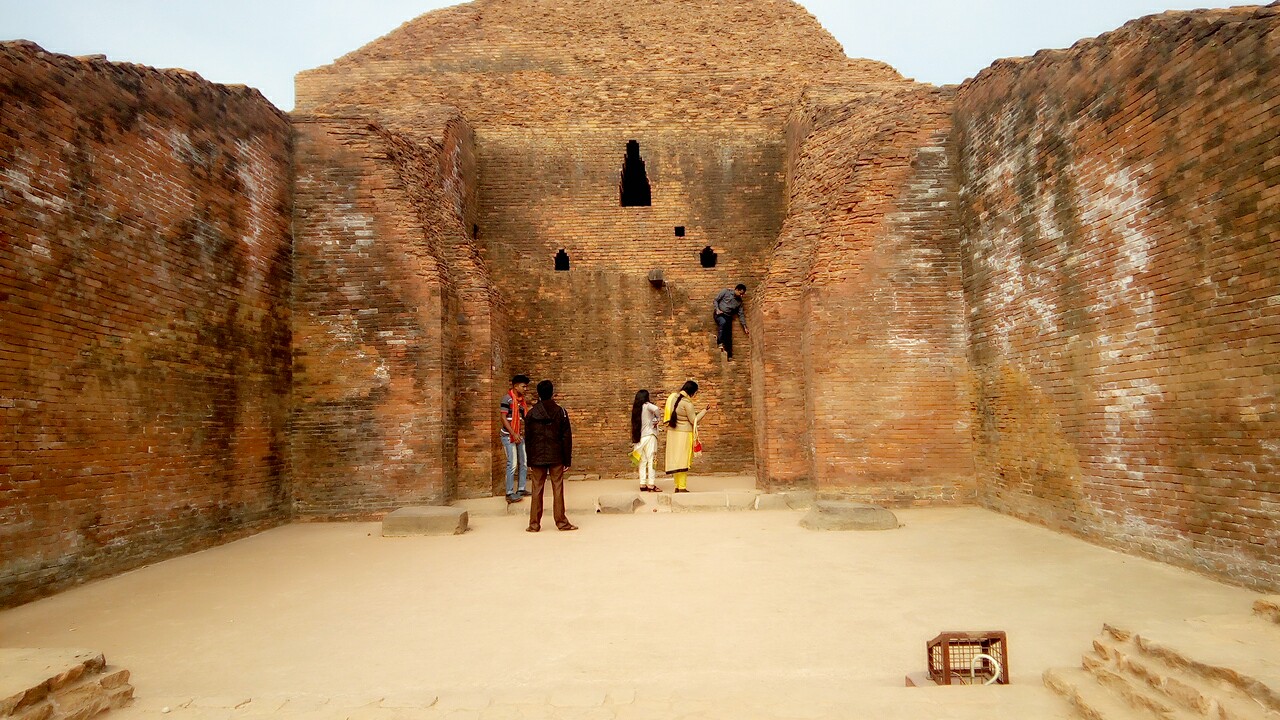
Somapura Mahavihara
Vast ancient Buddhist monastery complex
Bhitargarh
Ancient fortified city in northern Bangladesh
Chandrapur University
10th-century educational institution and monastery
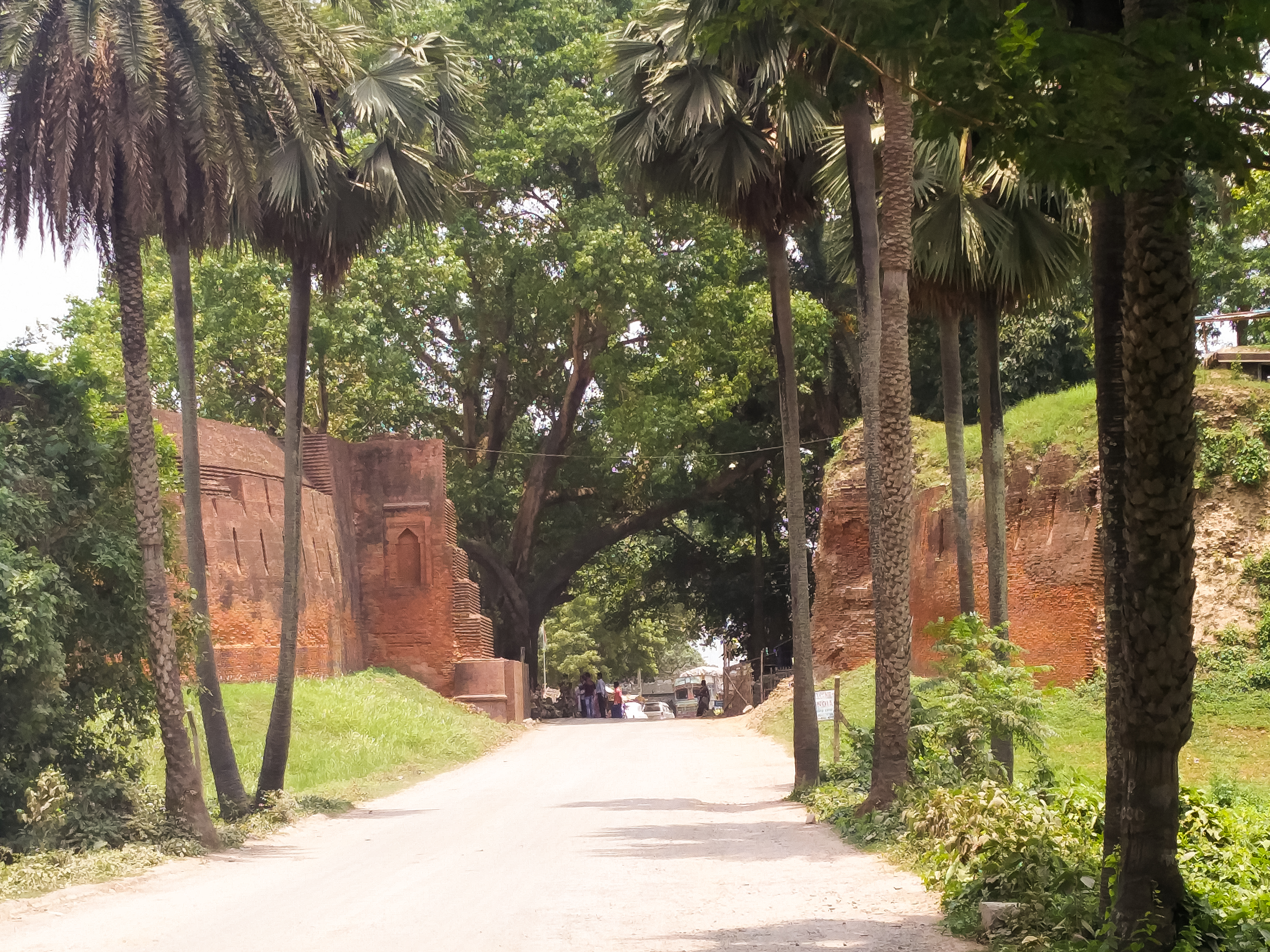
Kotwali Gate
Medieval gate with collapsed central arch
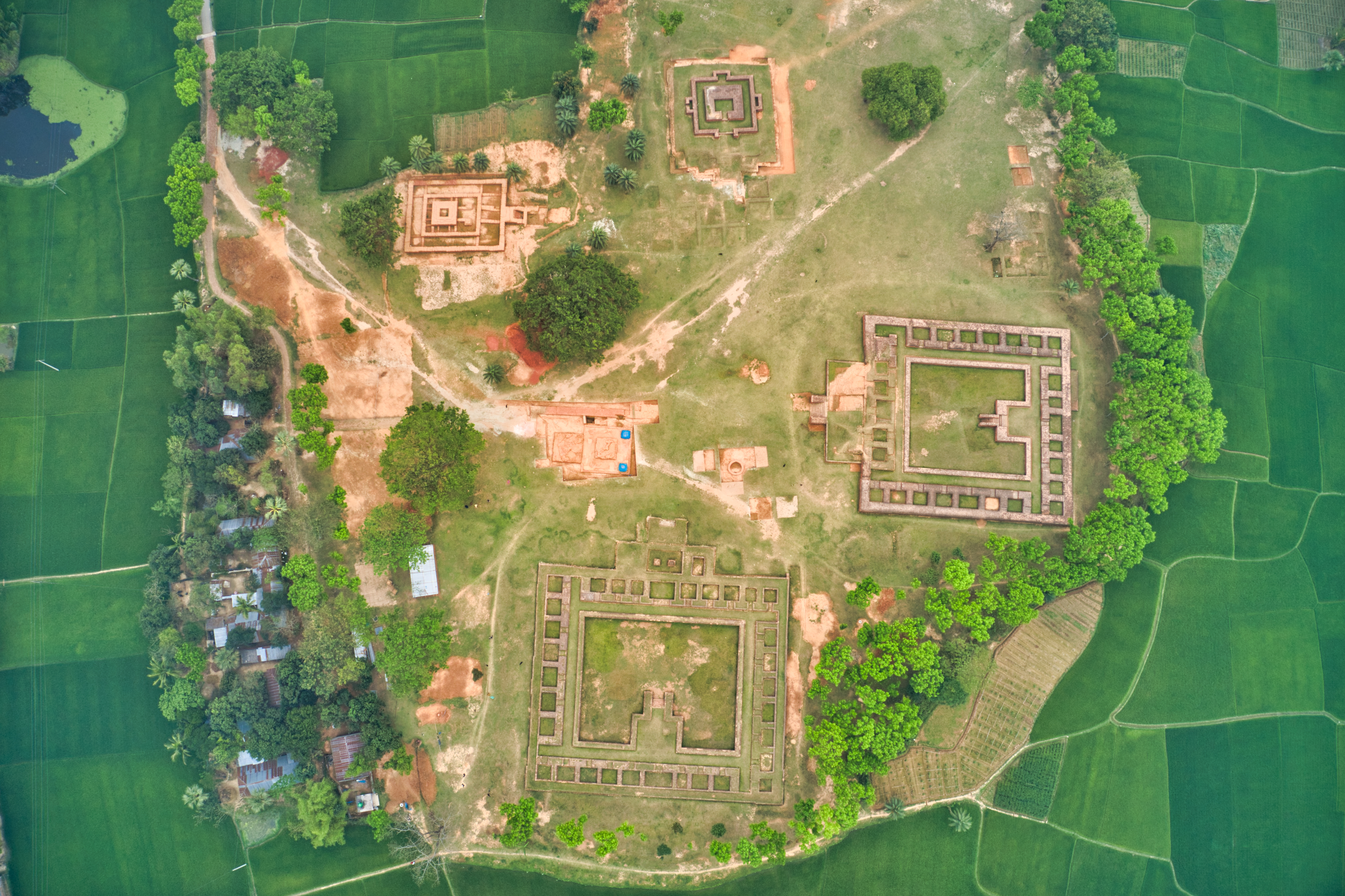
Vasu Vihara
Ancient Buddhist monastery complex with artifacts