
Explore the Map
Halud Vihara
24.9324° N, 88.9714° E
About
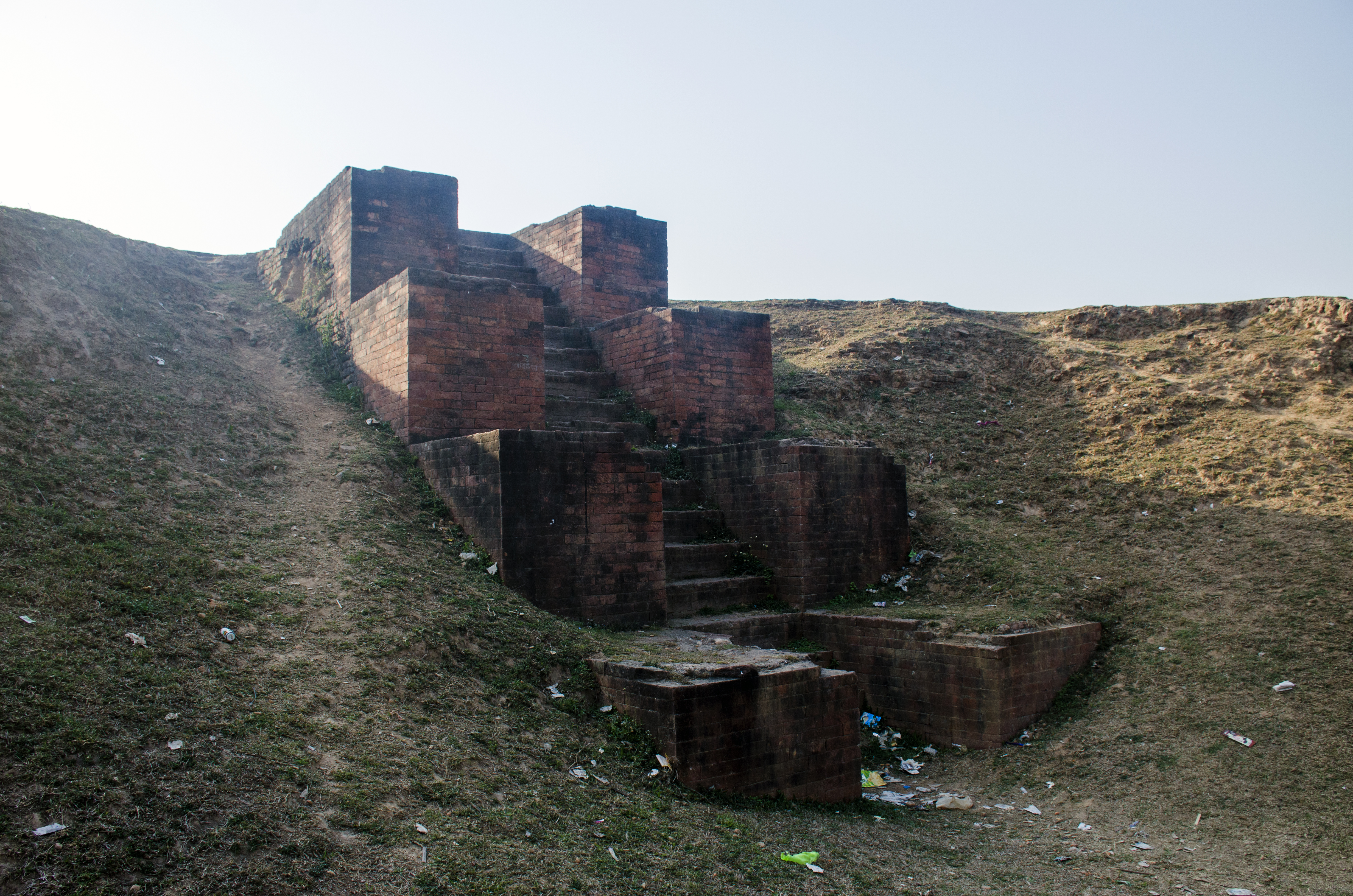
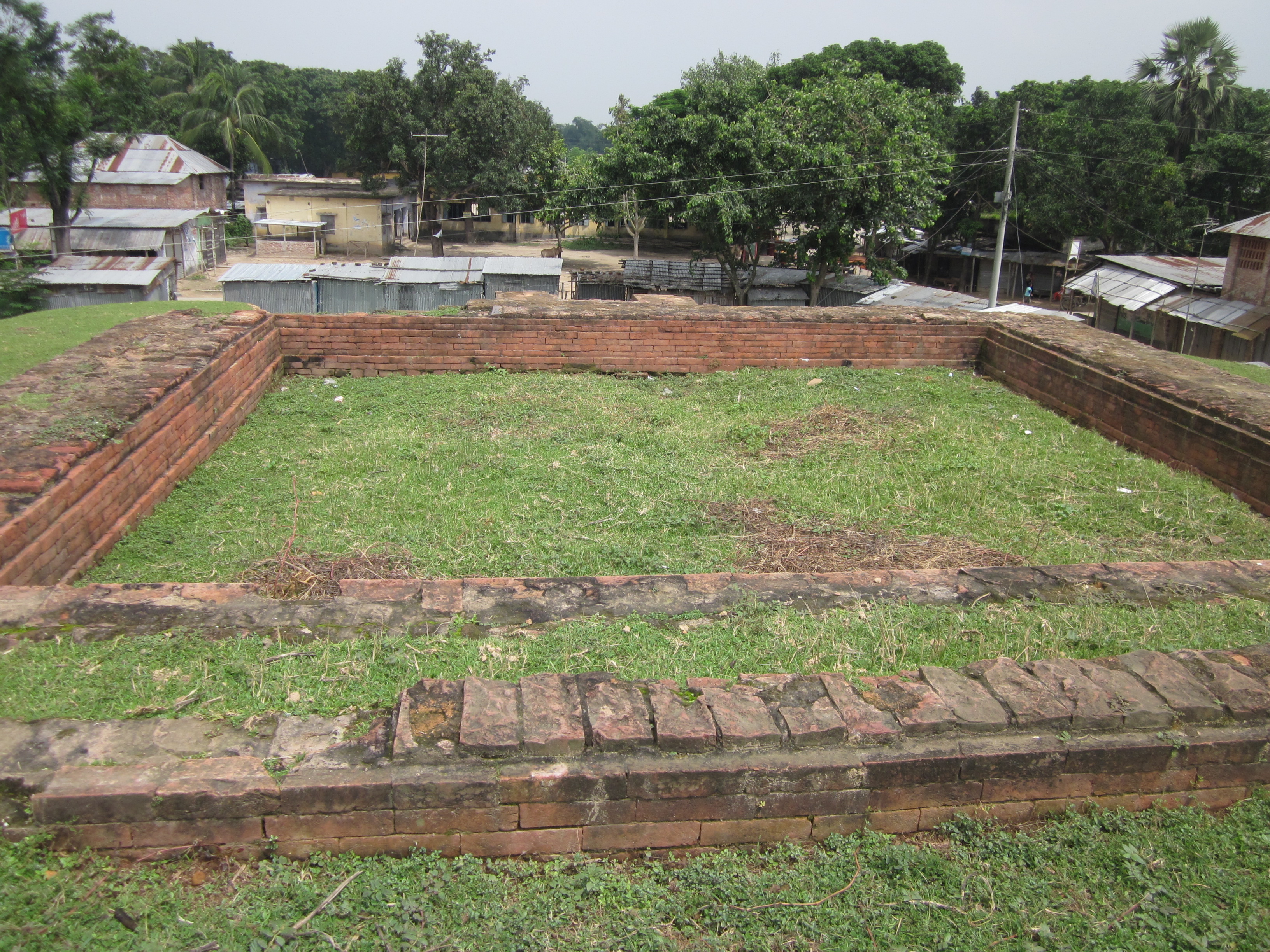
Halud Vihara, located in the Naogaon District of Bangladesh, is an archaeological site characterized by a large artificial mound and the remains of early Medieval Buddhist structures. The site features a notable brick structure atop the mound, believed to be the remnants of a large hall, accompanied by a flight of stairs excavated on the eastern slope. The site is part of a larger landscape of Buddhist monastic complexes, similar in era to the renowned Somapura Mahavihara and Sitakot Vihara. Despite its historical significance, the site has suffered from brick removal by local inhabitants. Halud Vihara was added to UNESCO's World Heritage Tentative List in 1999, underscoring its cultural importance. Excavations indicate its use during the Early Post-Classical Period, reflecting the spread and influence of Buddhism in the region during this time.
Gallery
Explore photographs of ancient structures, artifacts, and archaeological excavations
Historical Timeline
Journey through time and discover key events in this site's history
Medieval Buddhist Occupation
8th to 12th century CE
Archaeological Features
Unique architectural and cultural elements found at this historical site
Religious and Ritual Structures
Environmental and Natural Features
Frequently Asked Questions
Plan Your Visit
Tours, travel arrangements, and practical information
More Sites in Bangladesh
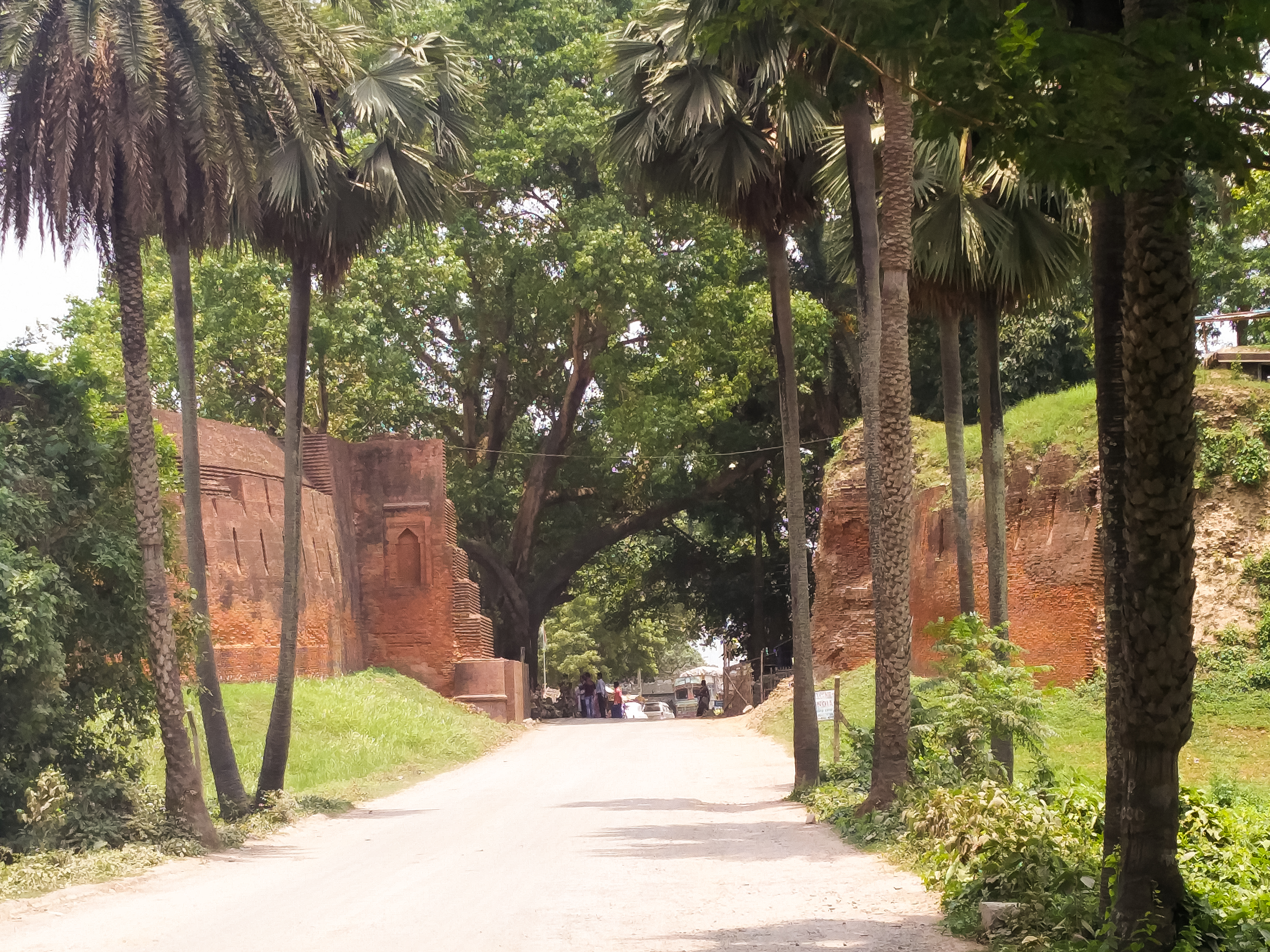
Kotwali Gate
Medieval gate with collapsed central arch
Bhitargarh
Ancient fortified city in northern Bangladesh
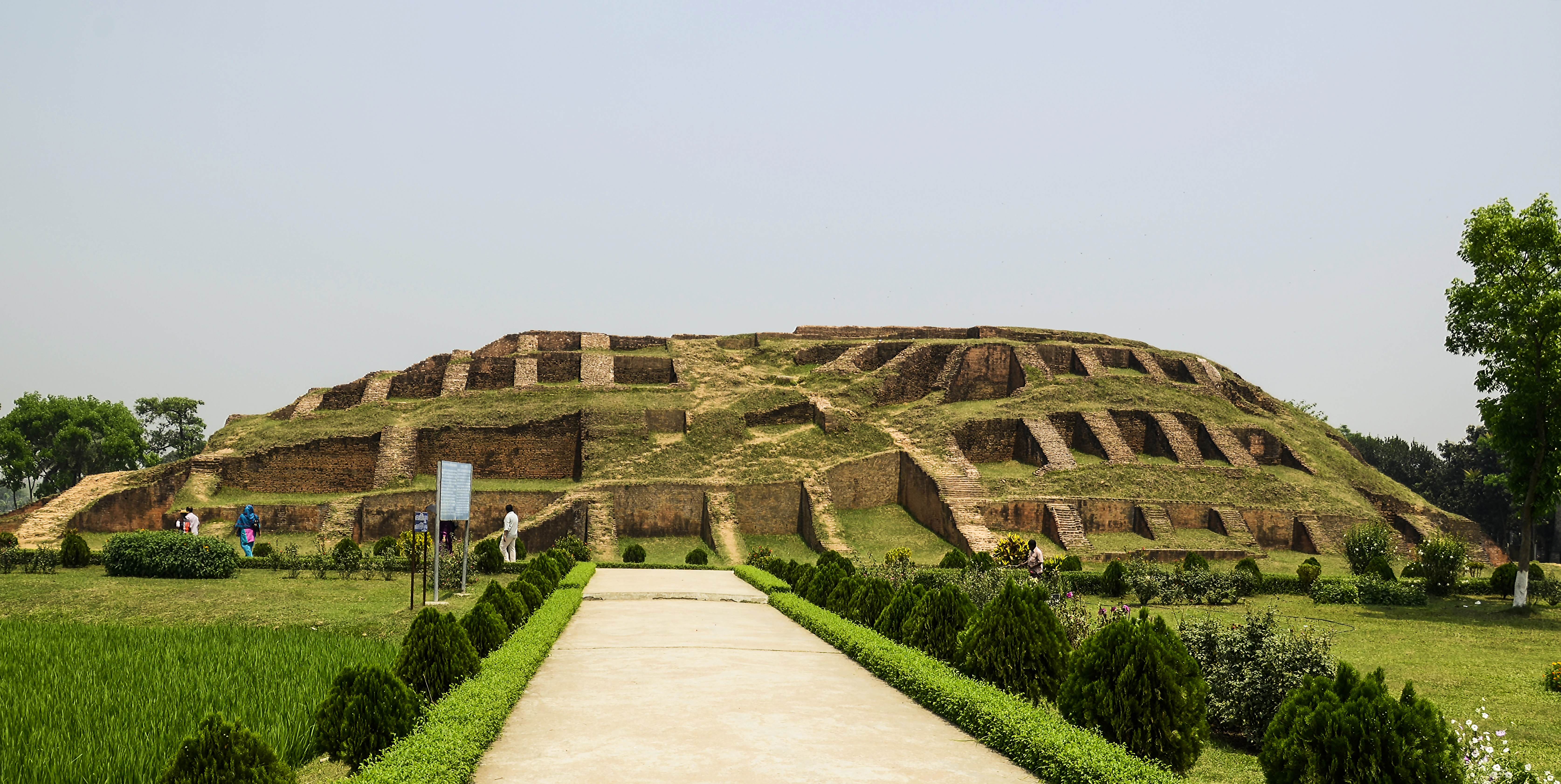
Gokul Medh
Excavated Buddhist stupa and Shiva shrine
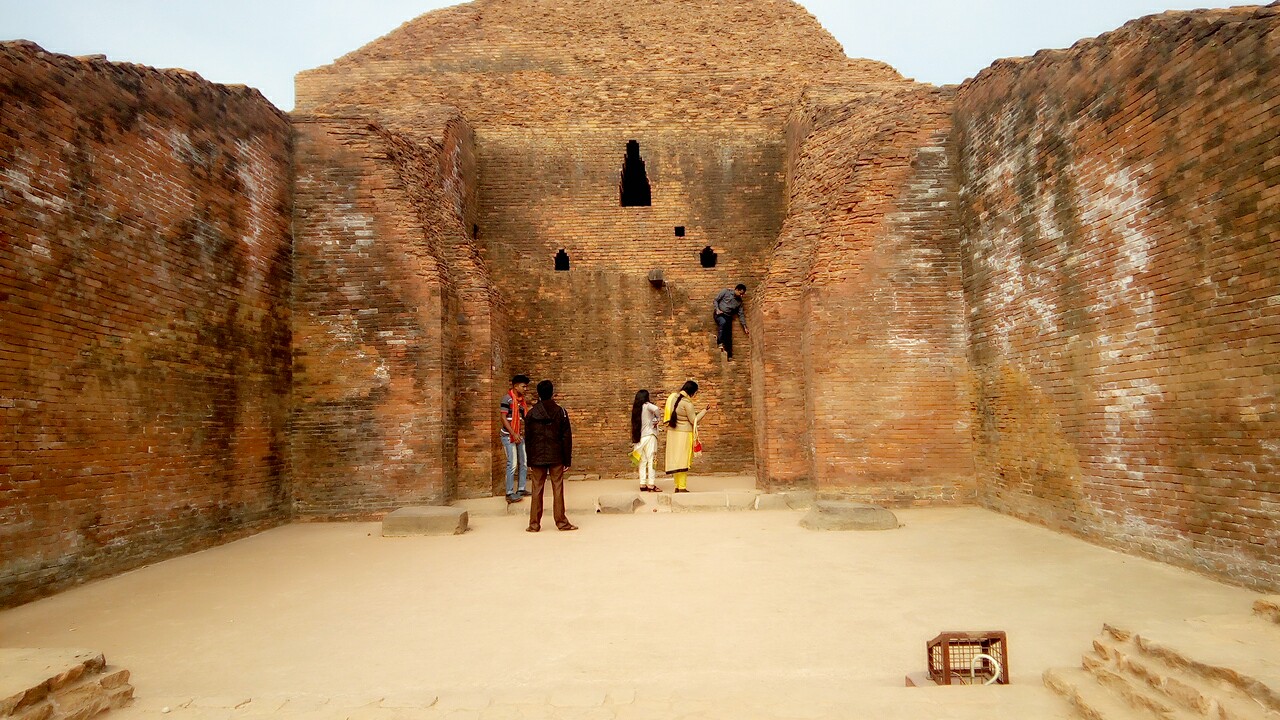
Somapura Mahavihara
Vast ancient Buddhist monastery complex
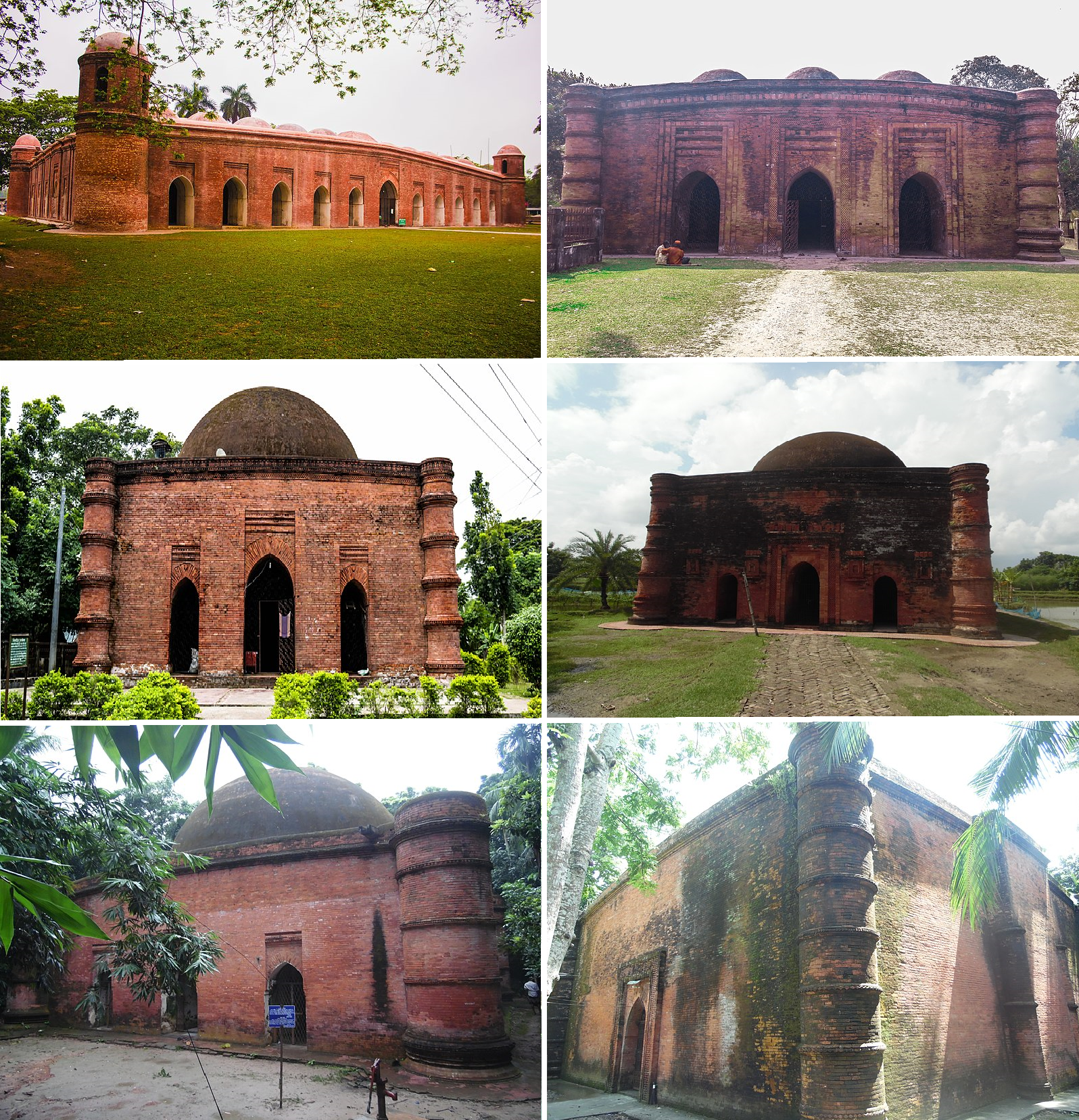
Mosque City of Bagerhat
Bengal Sultanate mosque city, 15th century, Bangladesh
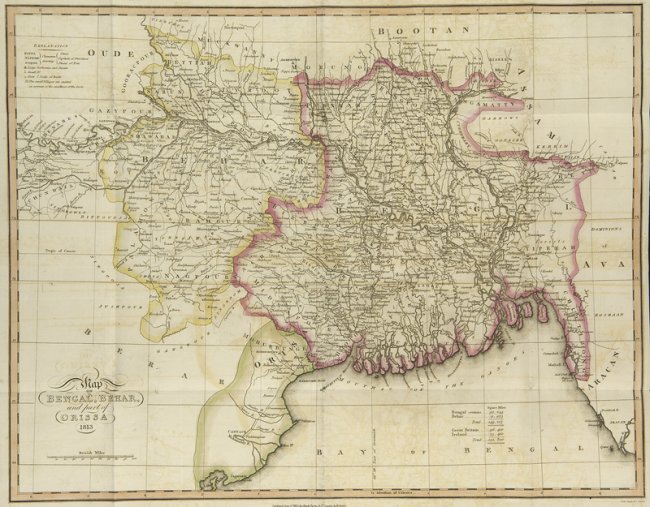
Nateshwar Deul
Buddhist city ruins with unique stupas