Explore the Map
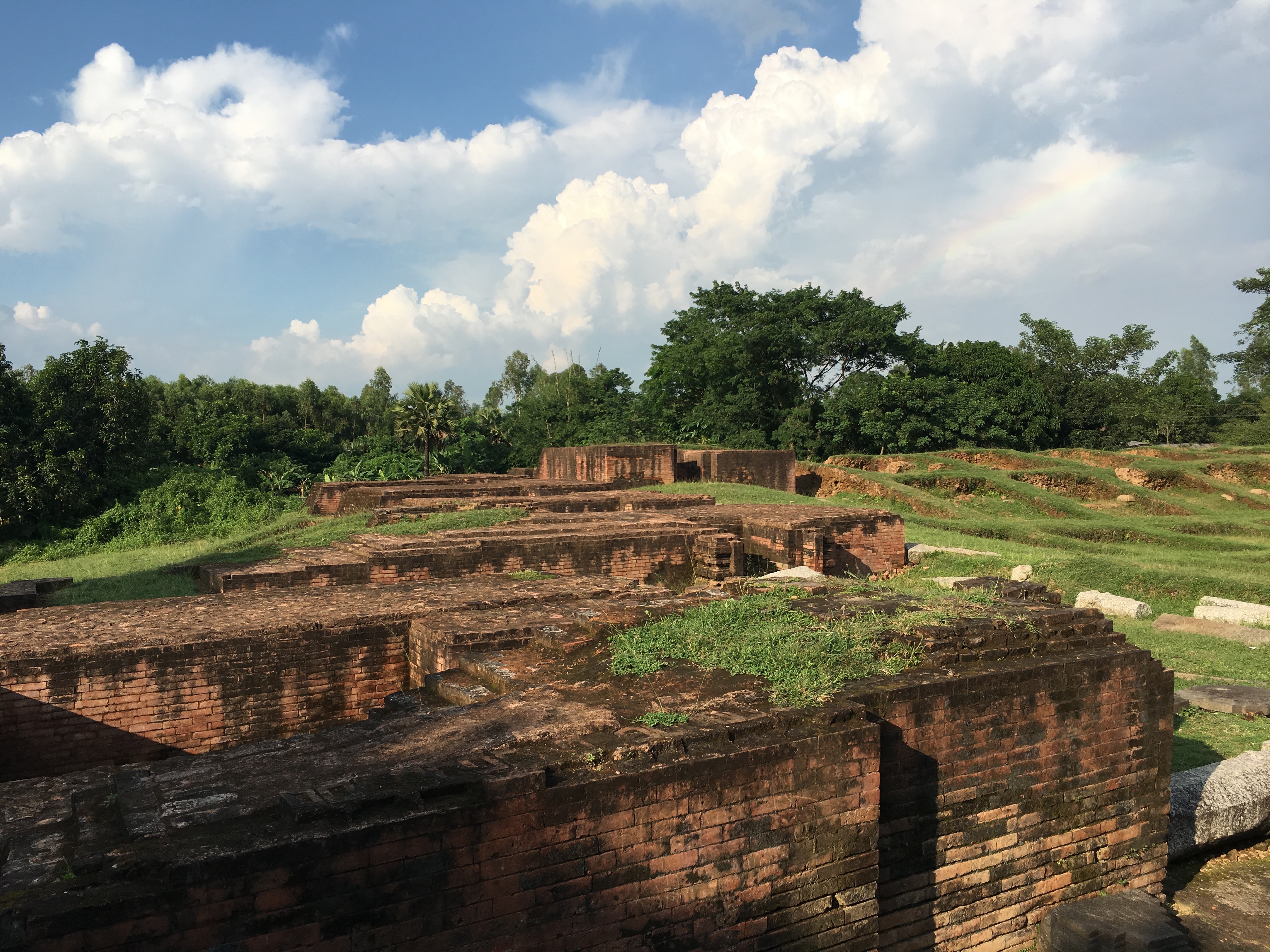
Jagaddala Mahavihara
25.1589° N, 88.8875° E
About
Jagaddala Mahavihara was an influential Buddhist monastery and center of learning, established in the late 11th century CE by the Pāla dynasty in present-day Bangladesh. Known for its specialization in Vajrayana Buddhism, the site contributed significantly to the composition and copying of texts that later appeared in Buddhist canons such as the Kangyur and Tengyur. The monastery was part of a network of five great Mahaviharas in eastern India, which included Nalanda and Vikramashila. It functioned under state supervision, facilitating the movement of scholars and the exchange of knowledge. Jagaddala is associated with the compilation of the Subhāṣitaratnakoṣa, an anthology of Sanskrit verses. The site was abandoned in the early 13th century due to Muslim incursions, marking the end of its scholarly contributions.
Gallery
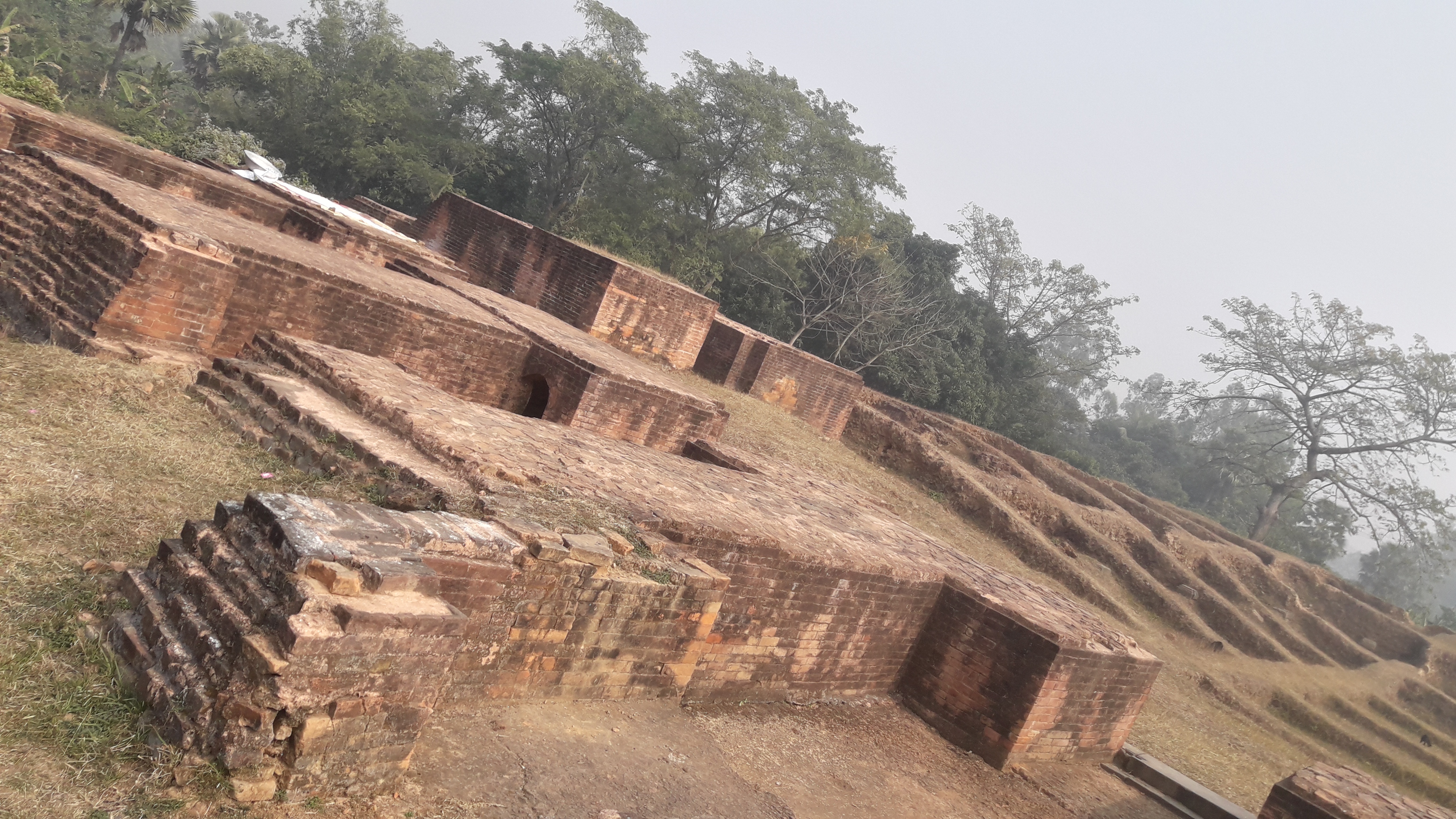
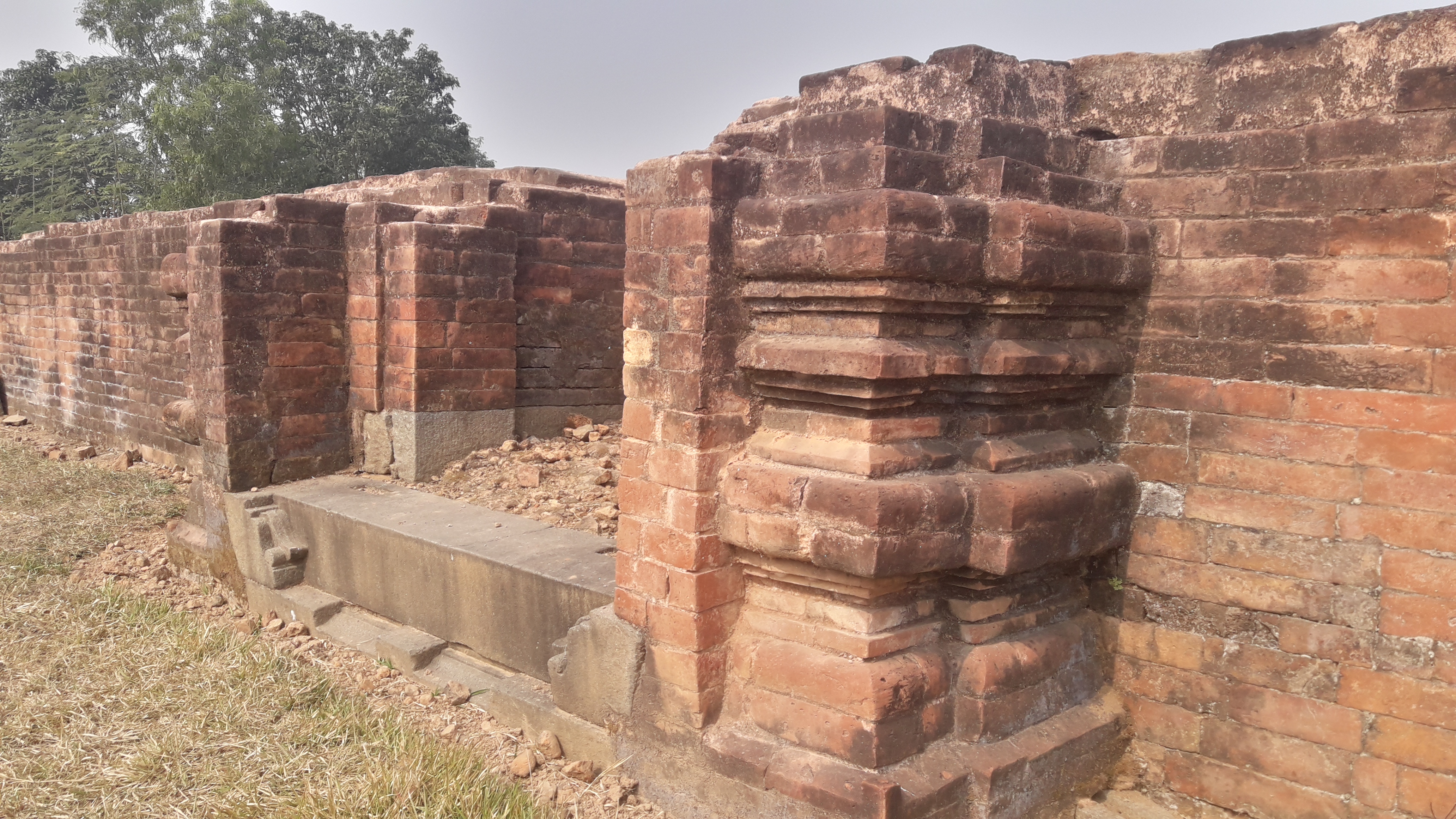
Explore photographs of ancient structures, artifacts, and archaeological excavations
Historical Timeline
Journey through time and discover key events in this site's history
Founding of Jagaddala Mahavihara
1077 CE
Compilation of Subhāṣitaratnakoṣa
1100 CE
Abandonment of Jagaddala
1207 CE
Archaeological Features
Unique architectural and cultural elements found at this historical site
Public and Civic Structures
Religious and Ritual Structures
Artistic and Decorative Features
Frequently Asked Questions
Plan Your Visit
Tours, travel arrangements, and practical information
More Sites in Bangladesh
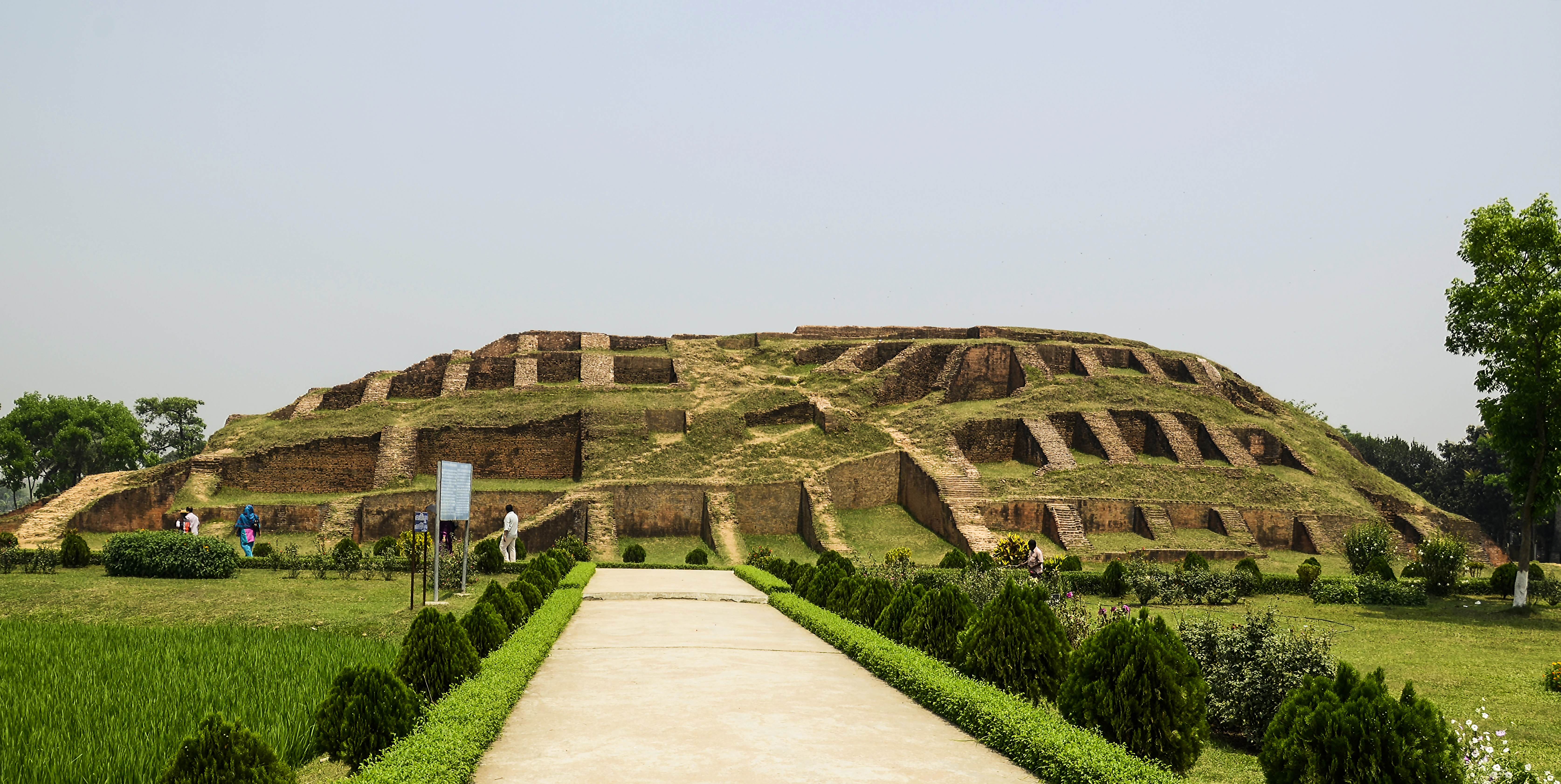
Gokul Medh
Excavated Buddhist stupa and Shiva shrine
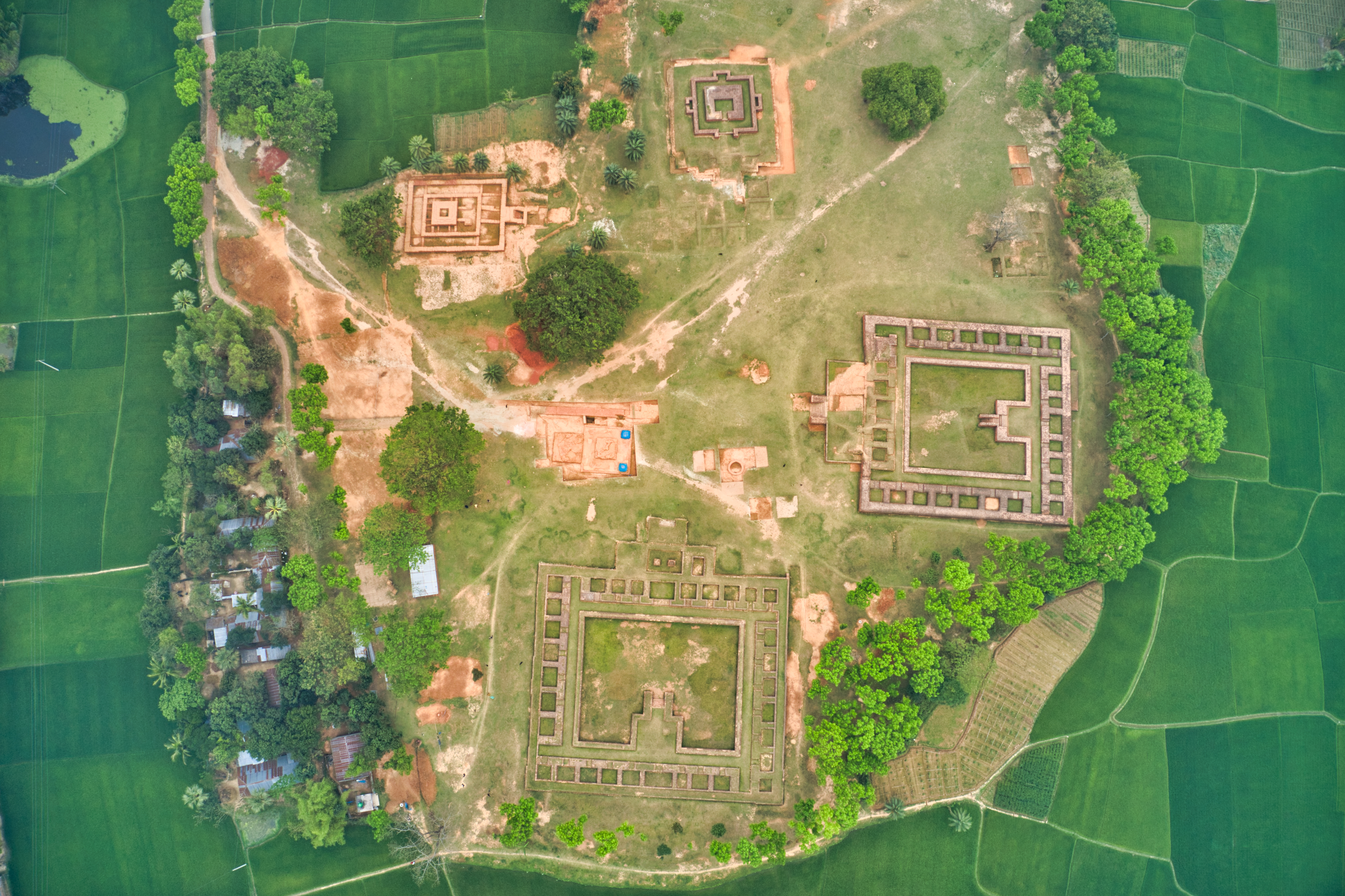
Vasu Vihara
Ancient Buddhist monastery complex with artifacts
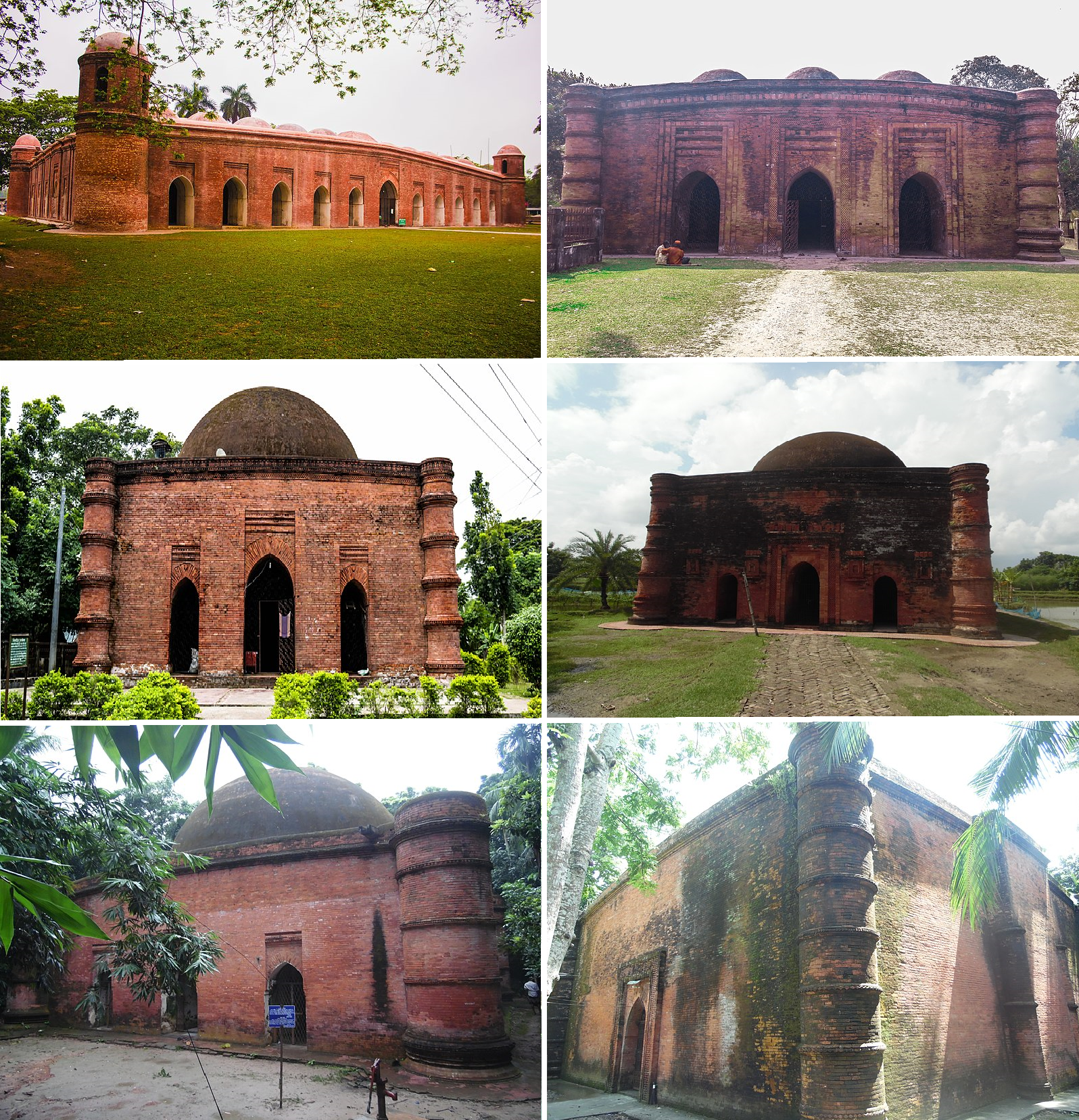
Mosque City of Bagerhat
Bengal Sultanate mosque city, 15th century, Bangladesh
Chandrapur University
10th-century educational institution and monastery
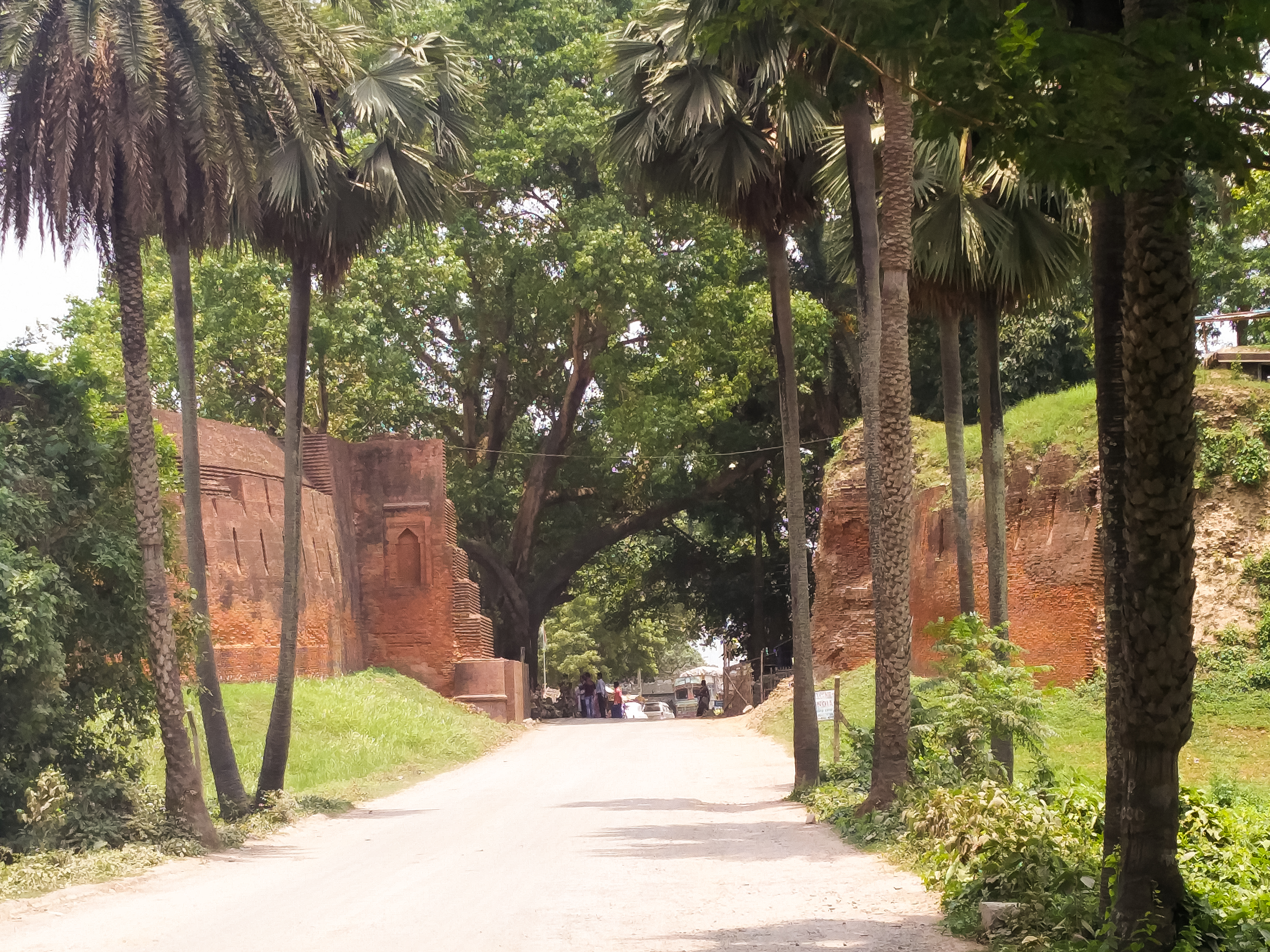
Kotwali Gate
Medieval gate with collapsed central arch
Bhitargarh
Ancient fortified city in northern Bangladesh