
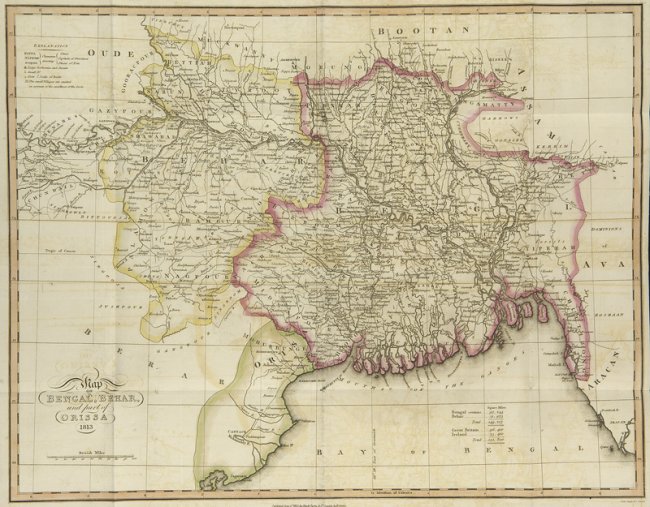
Explore the Map
Nateshwar Deul
23.5317° N, 90.4694° E
About
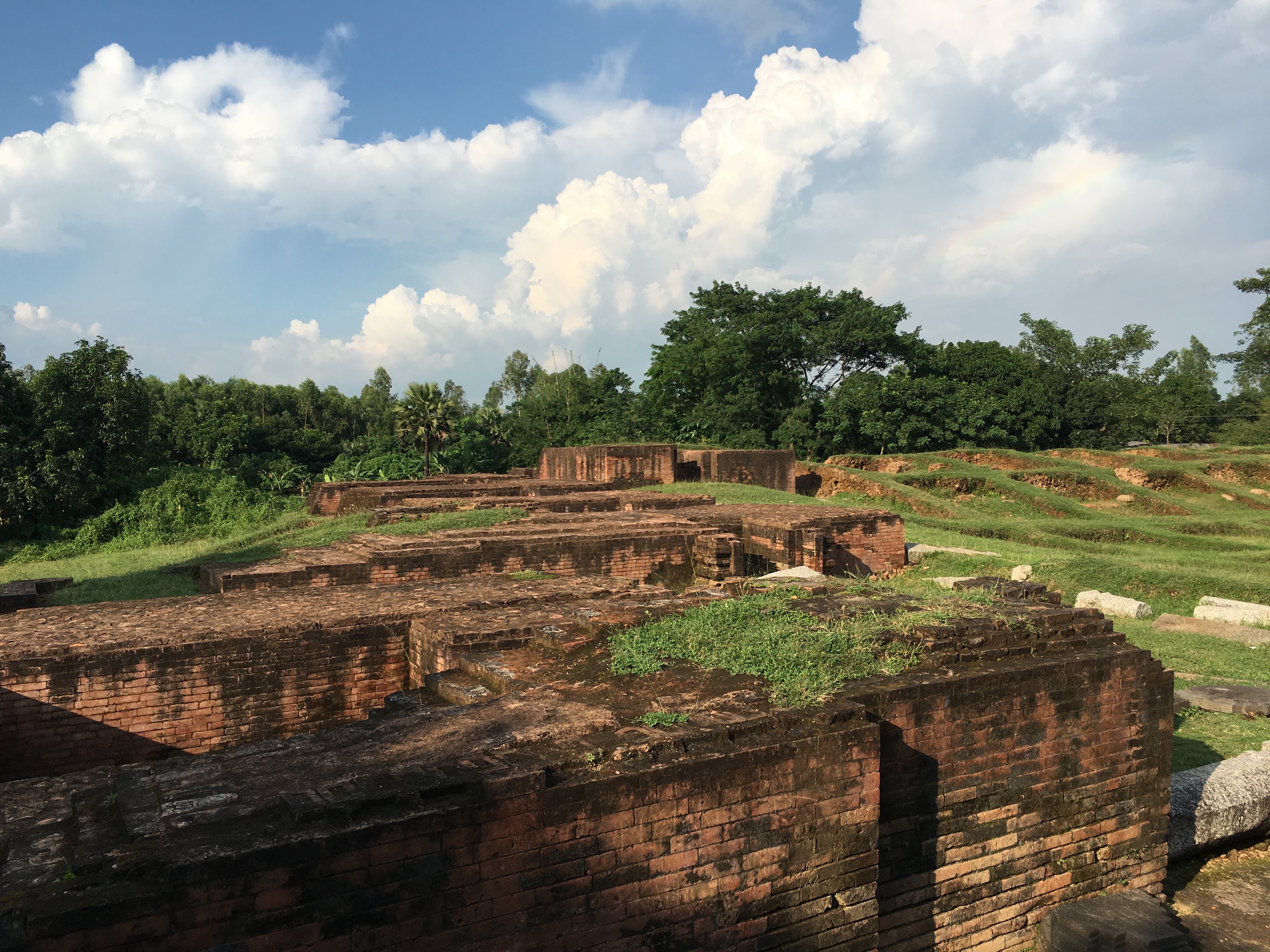
The Nateshwar Deul site in the Munshiganj District of Bangladesh is a significant archaeological location, revealing the remnants of a Buddhist city that thrived from around 780 CE to 1223 CE. This site is remarkable for its discovery of sixteen stupas, including Bangladesh's only pyramid-shaped stupa, which reflects the unique architectural style of the time. The area, once part of Bengal's capital during various dynasties such as the Chandra and Sena, was a center for Buddhist activity. The archaeological findings include temples, monastic rooms, and interconnected stupas, indicating a well-planned and vibrant city. The use of pumicite in construction suggests advanced building techniques to combat the region's humidity. The Nateshwar site provides critical insights into the religious and cultural dynamics of the early and late Post-Classical periods in the region.
Gallery
Explore photographs of ancient structures, artifacts, and archaeological excavations
Historical Timeline
Journey through time and discover key events in this site's history
Deva dynasty settlement
780 CE
Largest pyramid-shaped stupa
780 CE
Chandra regime settlement
950 CE
Archaeological Features
Unique architectural and cultural elements found at this historical site
Burial and Funerary Structures
Religious and Ritual Structures
Domestic and Habitation Structures
Transportation and Communication Structures
Frequently Asked Questions
Plan Your Visit
Tours, travel arrangements, and practical information
Recommended Tours

More Sites in Bangladesh
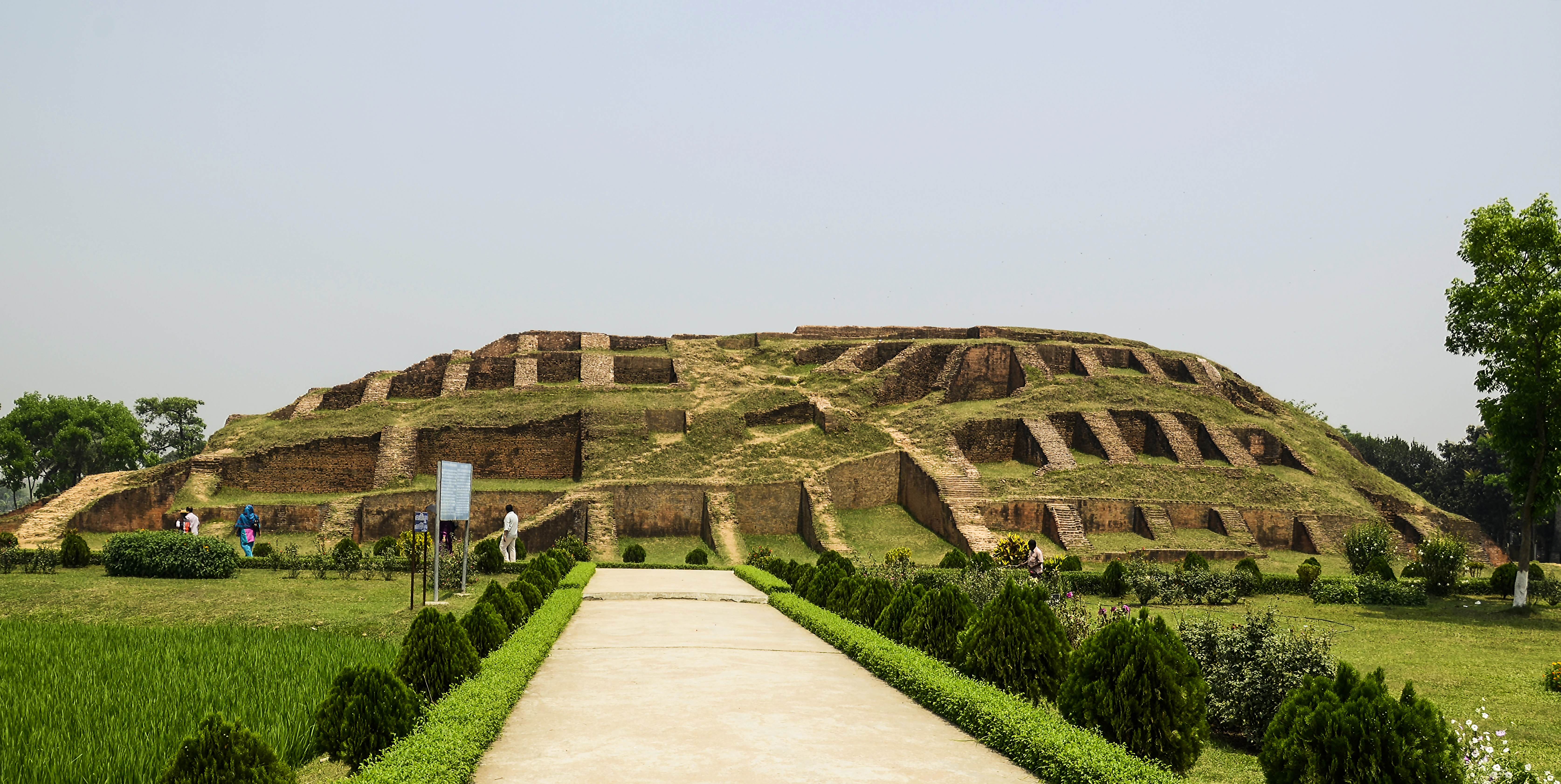
Gokul Medh
Excavated Buddhist stupa and Shiva shrine
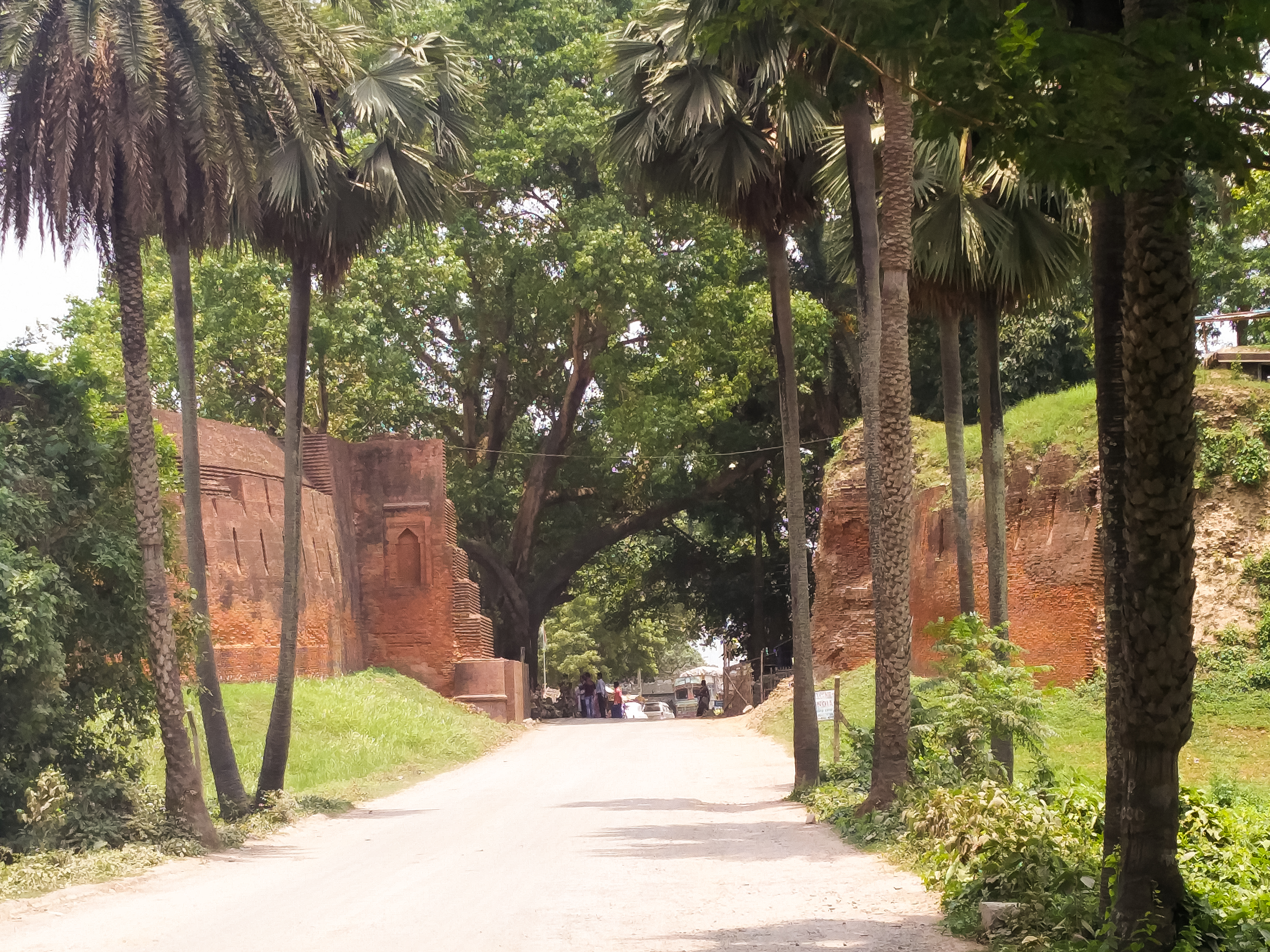
Kotwali Gate
Medieval gate with collapsed central arch
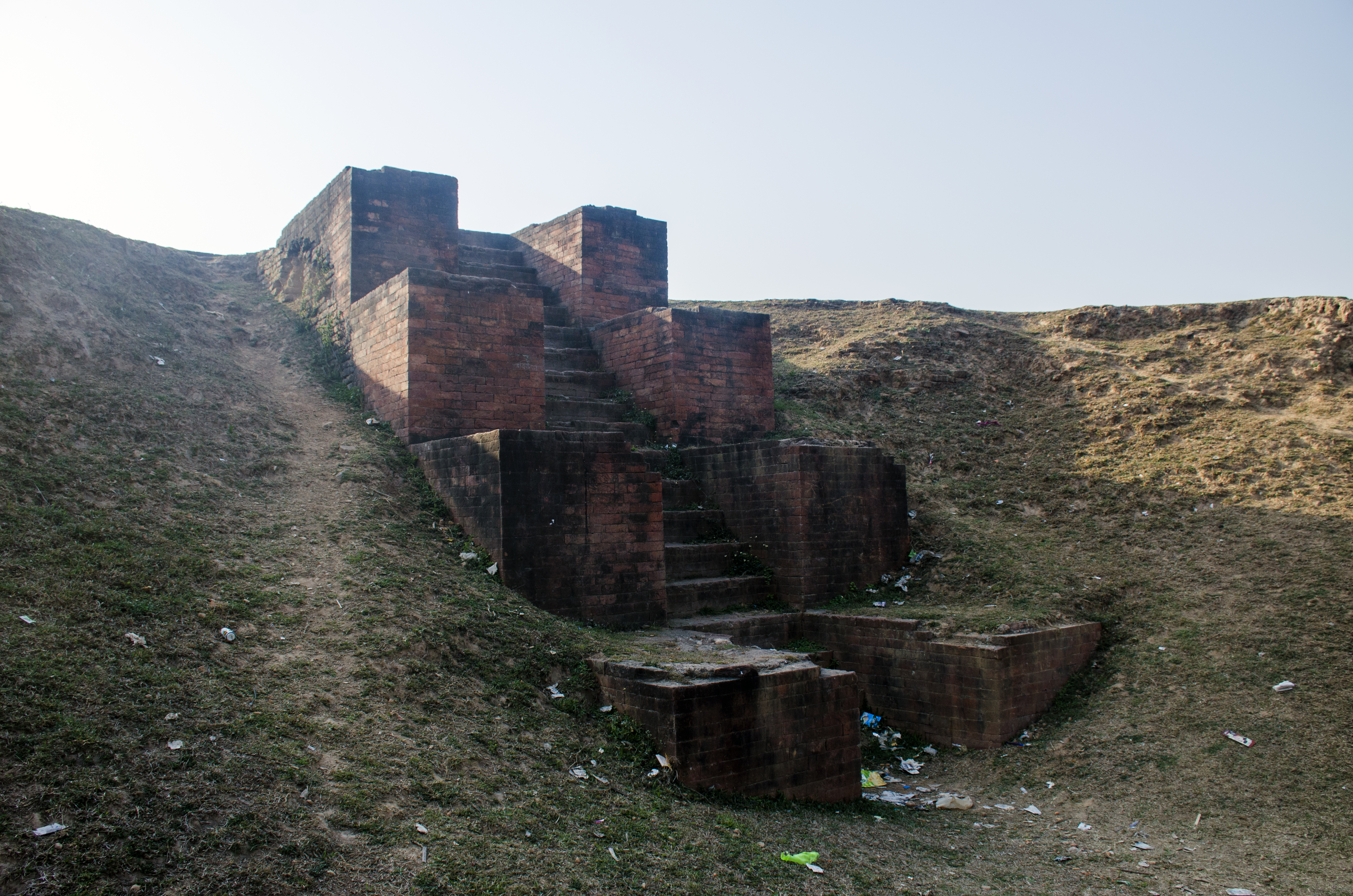
Halud Vihara
Large mound with Medieval Buddhist structures.
Jagaddala Mahavihara
Buddhist monastery and educational center ruins
Chandrapur University
10th-century educational institution and monastery
Bhitargarh
Ancient fortified city in northern Bangladesh