Explore the Map
Kotwali Gate
24.8426° N, 88.1412° E
About
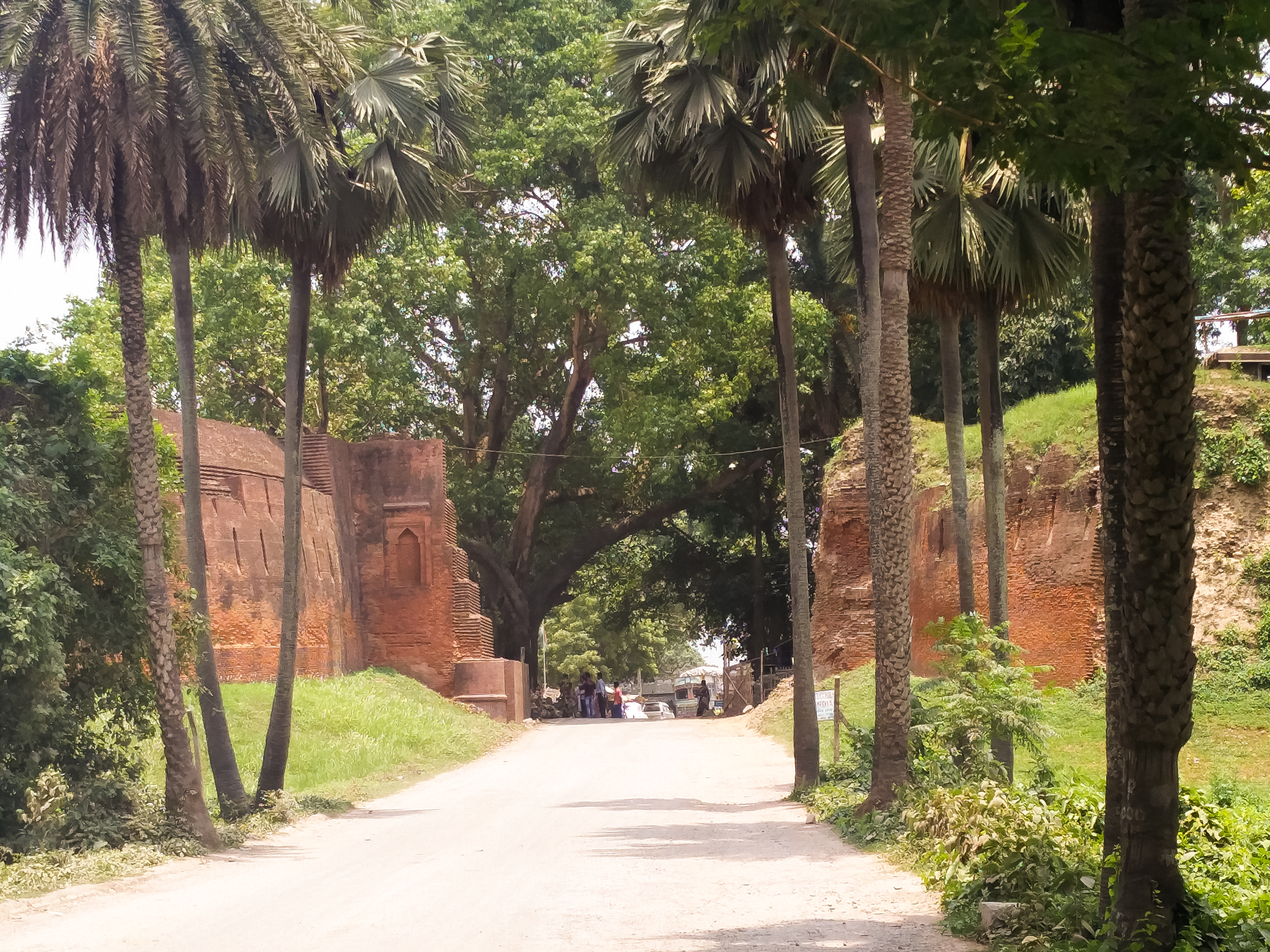
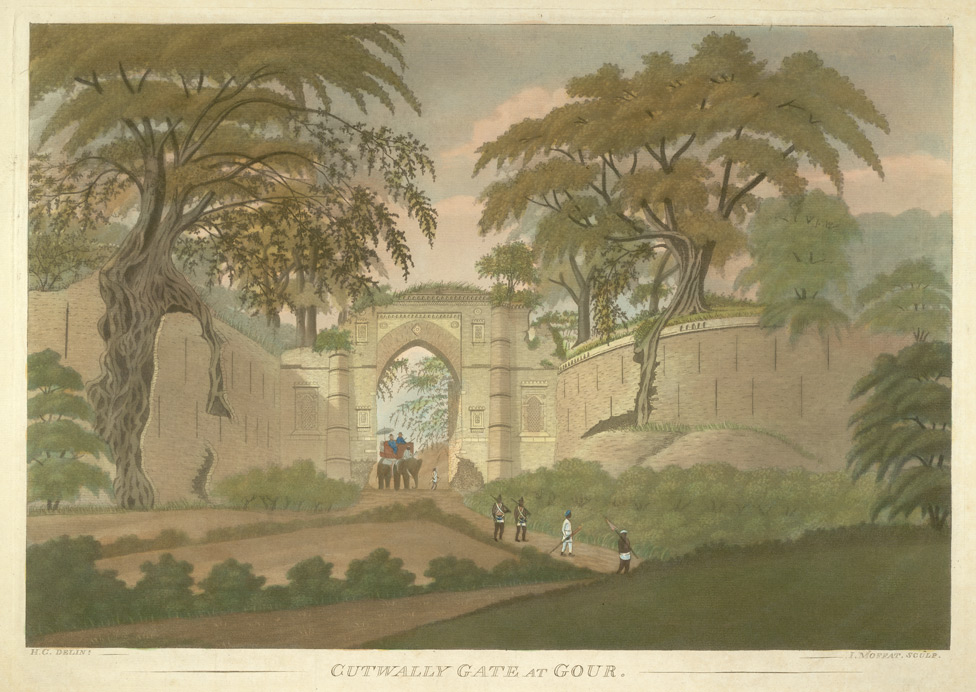
The Kotwali Gate, also known as Kotwali Darja, is a significant archaeological feature marking the southern entrance to the ancient walled city of Gaur, which served as the capital of Bengal for over a century. The gate is a medieval structure, possibly originating during the Delhi Sultanate between the reigns of Iltutmish and Alauddin Khalji, with potential developments during the re-establishment of Gaur in the 15th century. The site features defensive walls and towers, indicative of its role in protecting the city. Although the central arch has collapsed, the remnants of semi-circular towers and decorative arches remain. Today, the site serves as an official border crossing between India and Bangladesh, emphasizing its historical and contemporary significance.
Gallery
Explore photographs of ancient structures, artifacts, and archaeological excavations
Historical Timeline
Journey through time and discover key events in this site's history
Delhi Sultanate Era
1211 CE - 1316 CE
Re-establishment of Gaur
1446 CE
Archaeological Features
Unique architectural and cultural elements found at this historical site
Defensive Structures
Transportation and Communication Structures
Frequently Asked Questions
Plan Your Visit
Tours, travel arrangements, and practical information
More Sites in Bangladesh
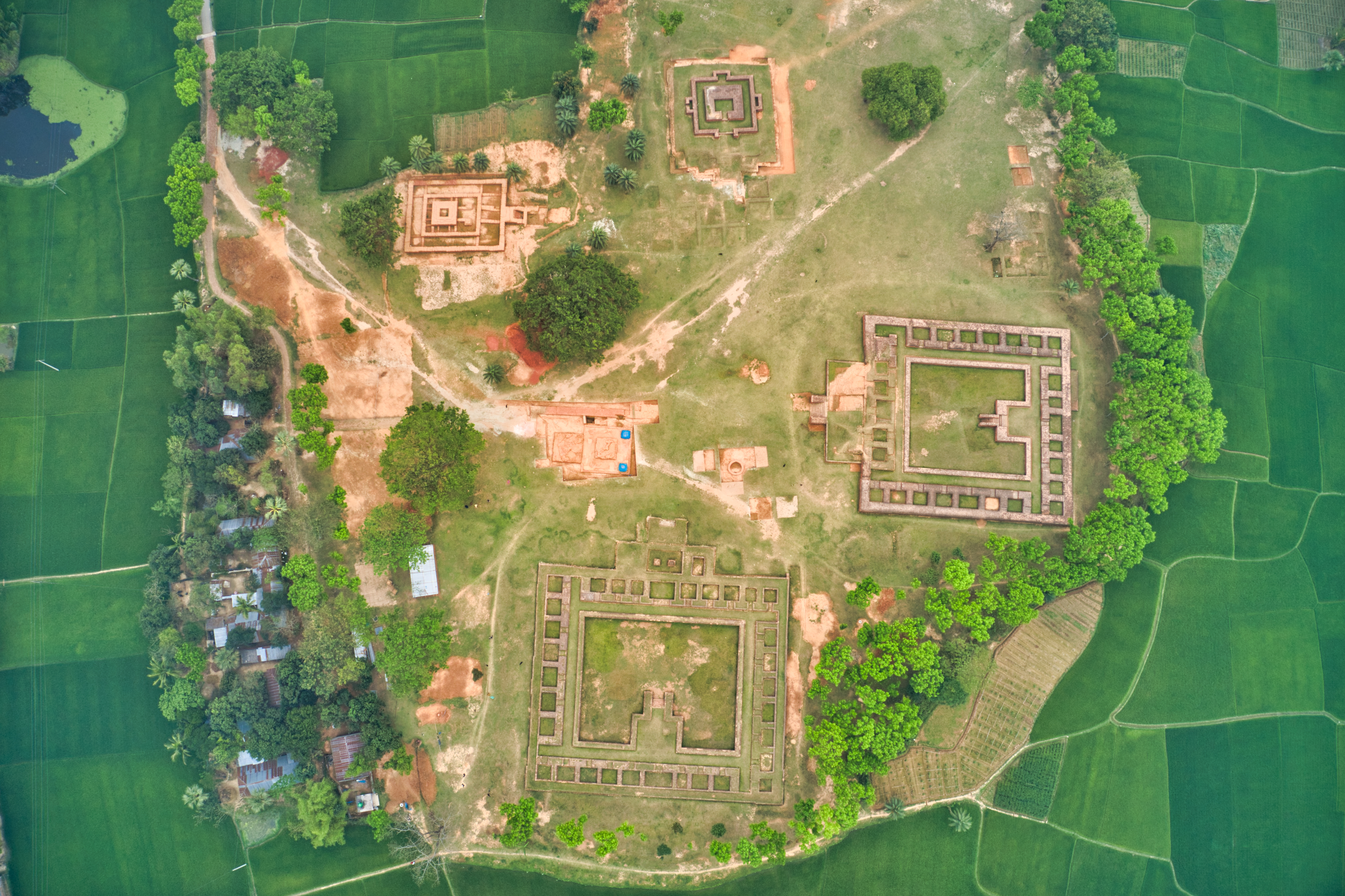
Vasu Vihara
Ancient Buddhist monastery complex with artifacts
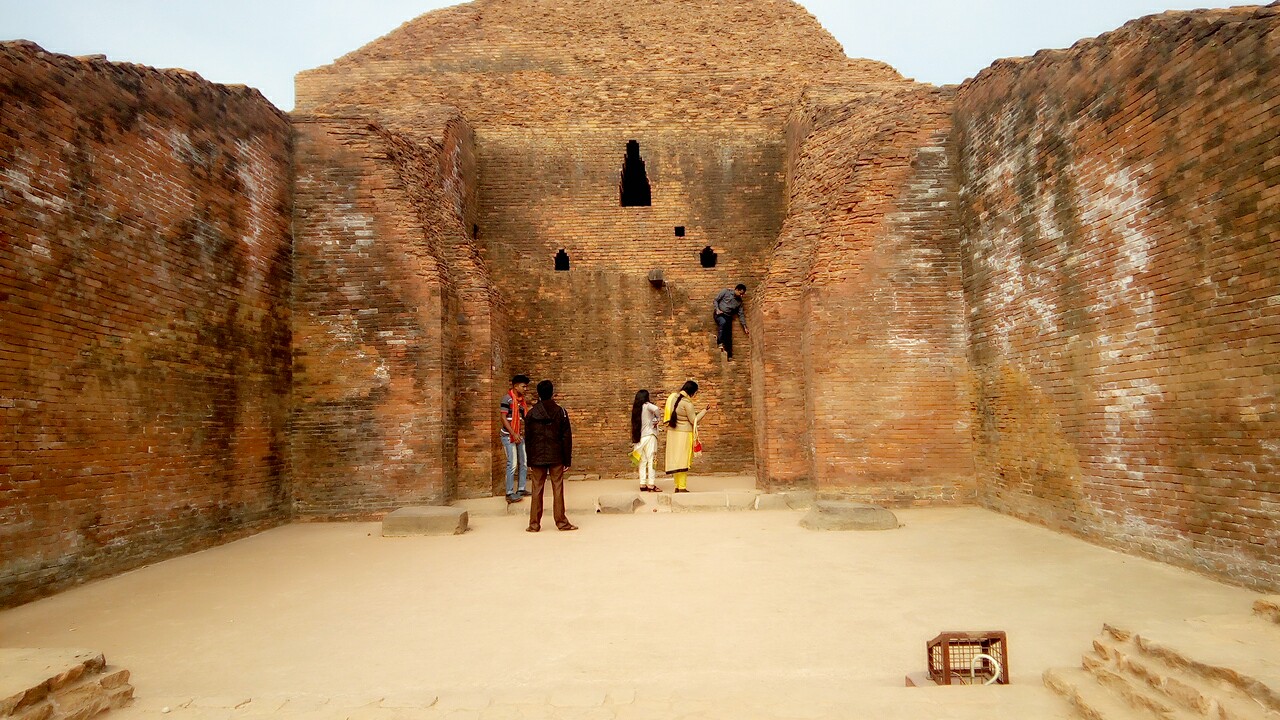
Somapura Mahavihara
Vast ancient Buddhist monastery complex
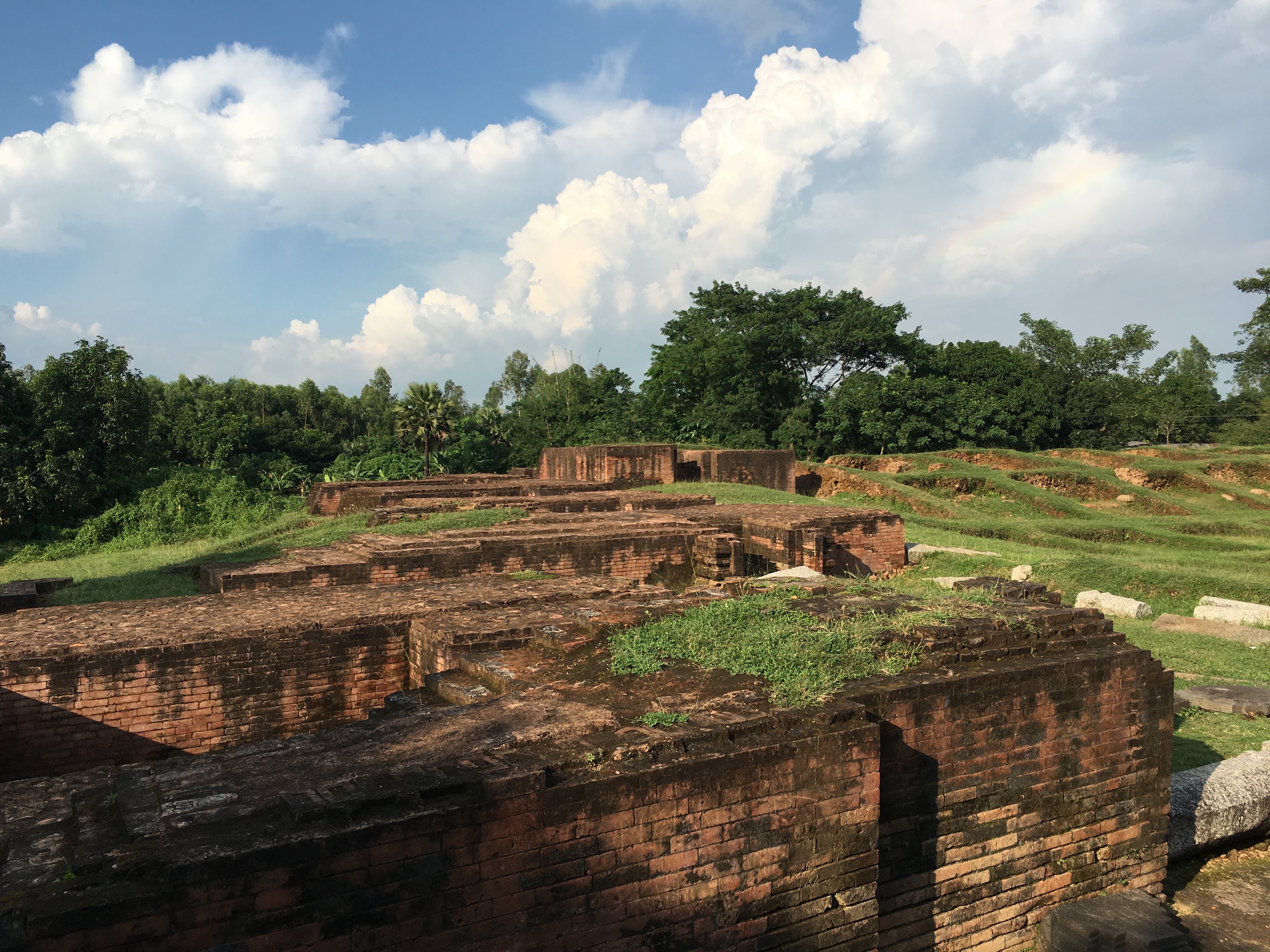
Jagaddala Mahavihara
Buddhist monastery and educational center ruins
Bhitargarh
Ancient fortified city in northern Bangladesh
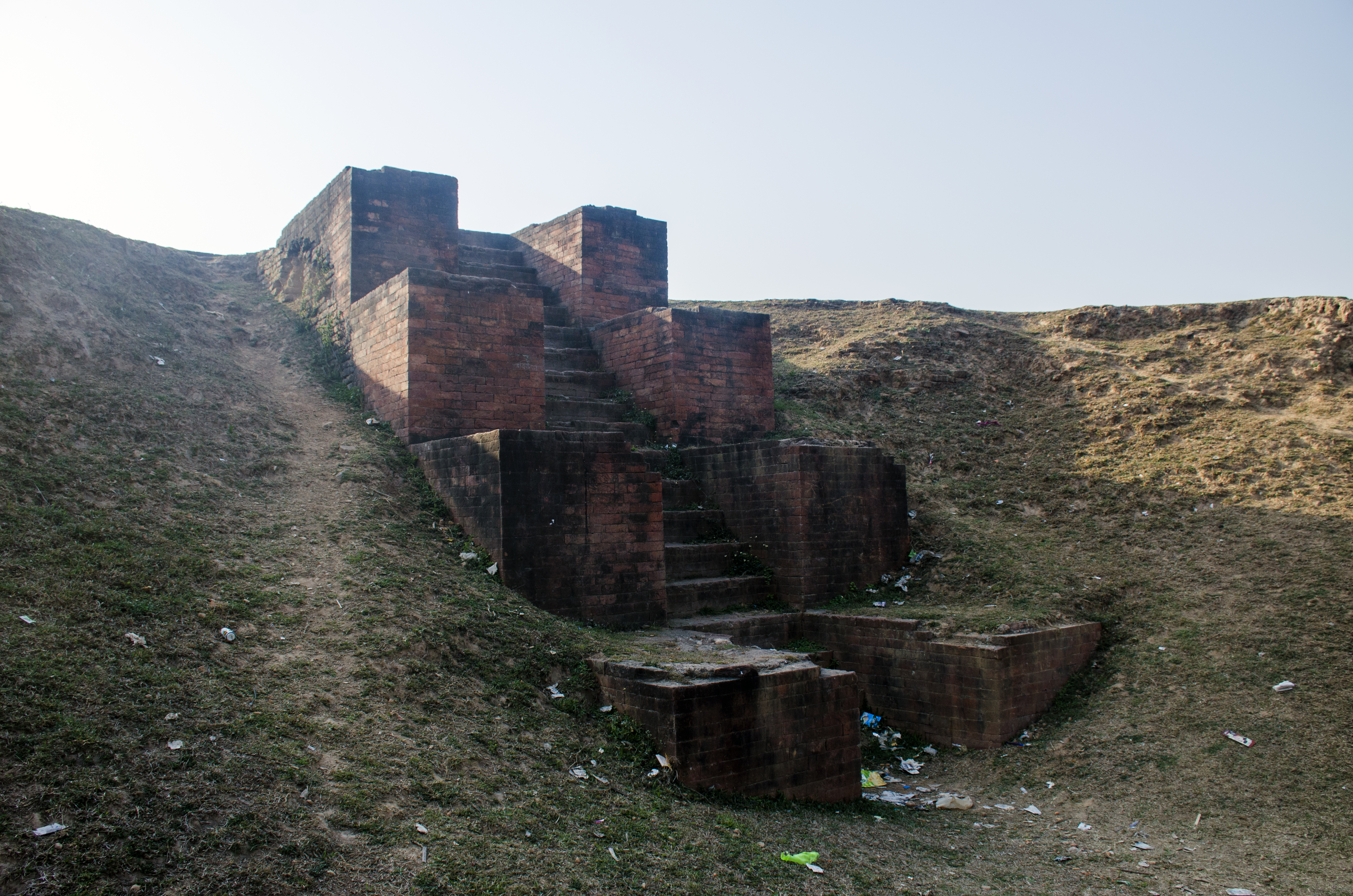
Halud Vihara
Large mound with Medieval Buddhist structures.
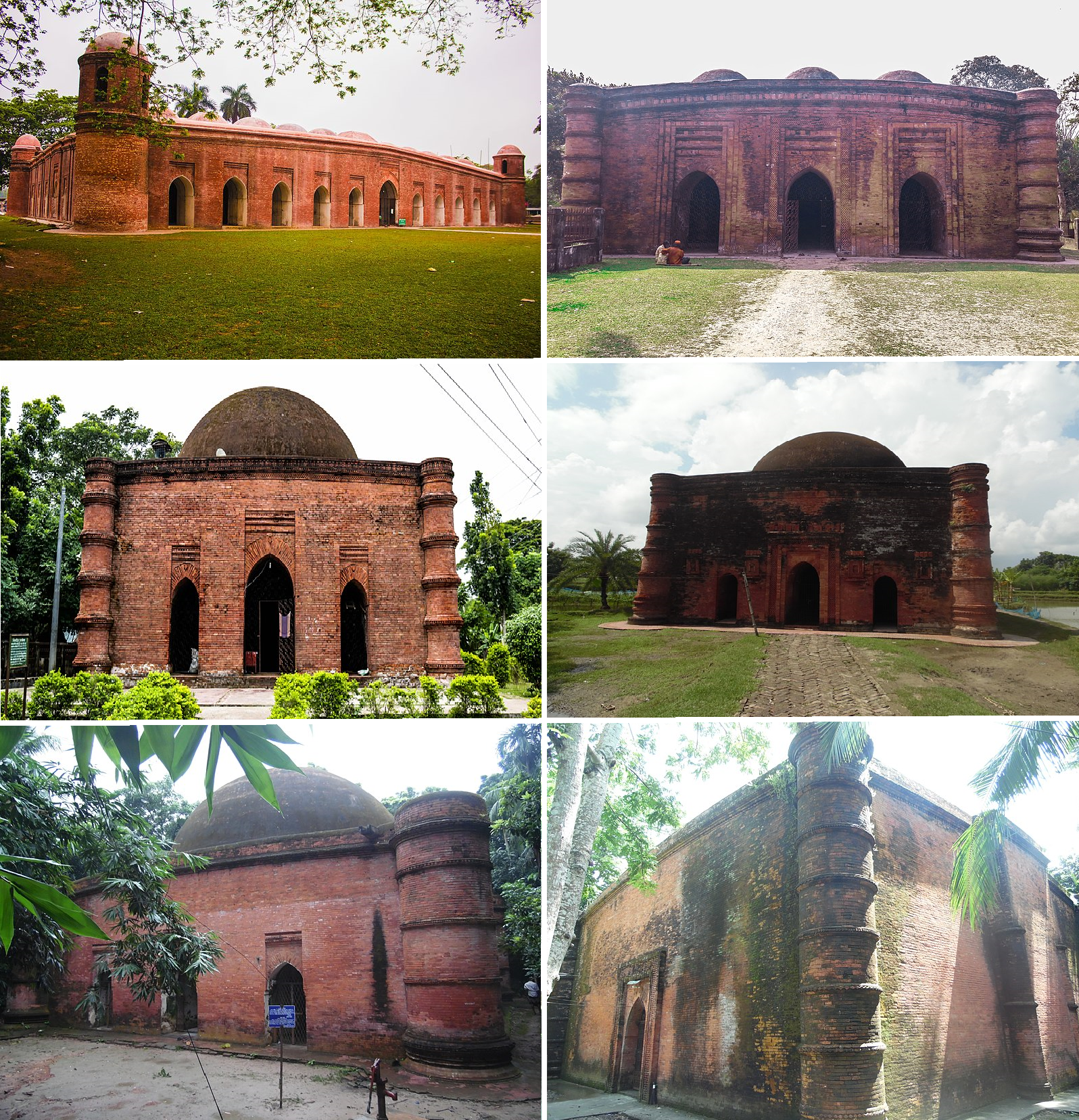
Mosque City of Bagerhat
Bengal Sultanate mosque city, 15th century, Bangladesh