Explore the Map
Tetulia Jami Mosque
22.7817° N, 89.2513° E
About
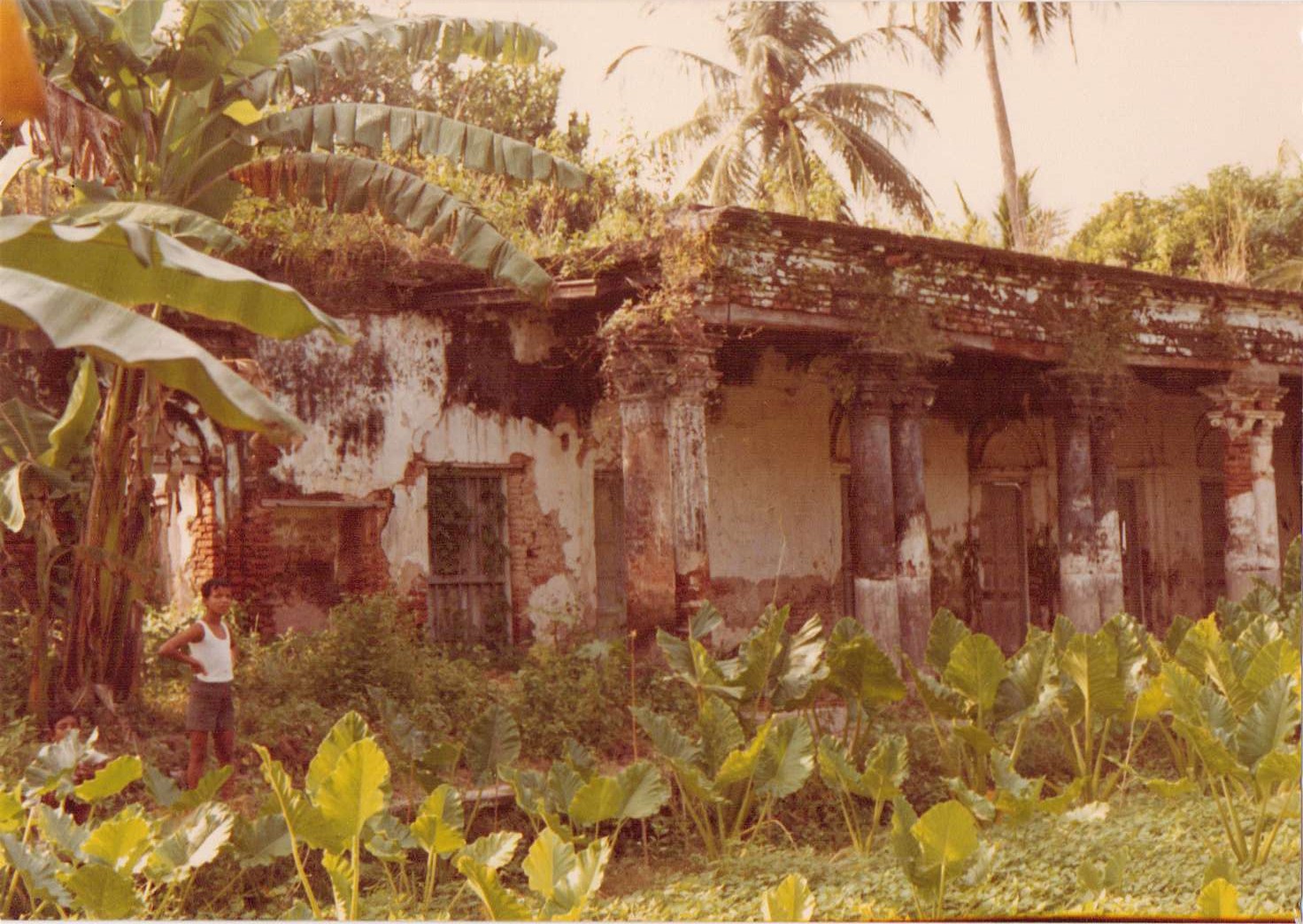
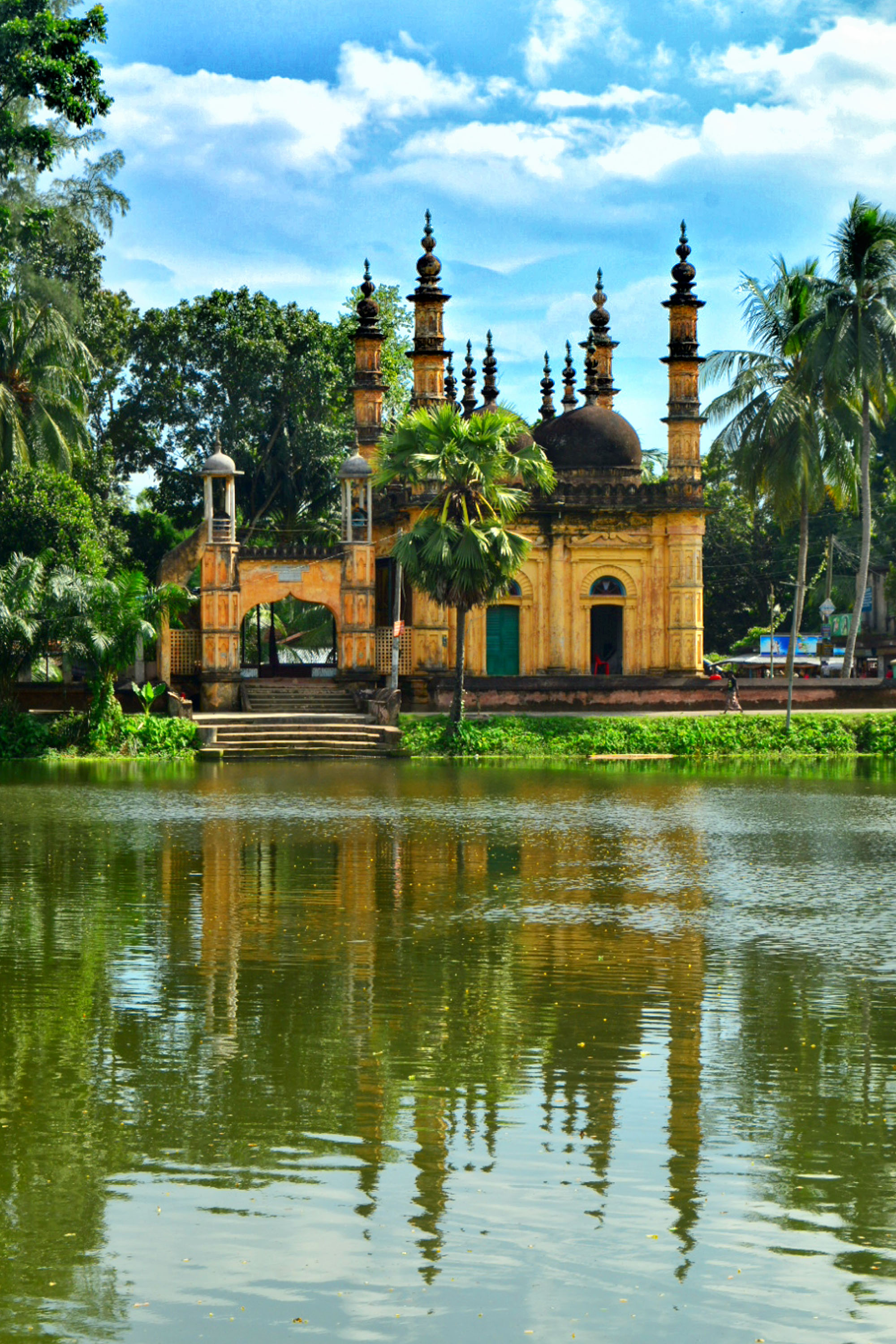
The Tetulia Jami Mosque, also known as the Khan Bahadur Salamatullah Mosque, was constructed in 1858–1859 in the village of Tetulia, Bangladesh. This six-domed mosque is a prime example of Mughal-style architecture from the mid-19th century and resembles structures built by the descendants of Tipu Sultan. The mosque is significant not only for its religious function but also for its architectural style, which includes a rare twin-pillar system to support the roof. The mosque was founded by Khan Bahadur Maulvi Qazi Salamatullah Khan, a member of the local zamindar family, who also built the now-ruined Salam Manzil mansion nearby. The site holds historical importance due to its connection with notable figures in the region's history, as well as its architectural uniqueness in a remote village of Bengal.
Gallery
Explore photographs of ancient structures, artifacts, and archaeological excavations
Historical Timeline
Journey through time and discover key events in this site's history
Construction of Tetulia Jami Mosque
1858 CE
Archaeological Features
Unique architectural and cultural elements found at this historical site
Religious and Ritual Structures
Artistic and Decorative Features
Domestic and Habitation Structures
Frequently Asked Questions
Plan Your Visit
Tours, travel arrangements, and practical information


More Sites in Bangladesh
Chandrapur University
10th-century educational institution and monastery
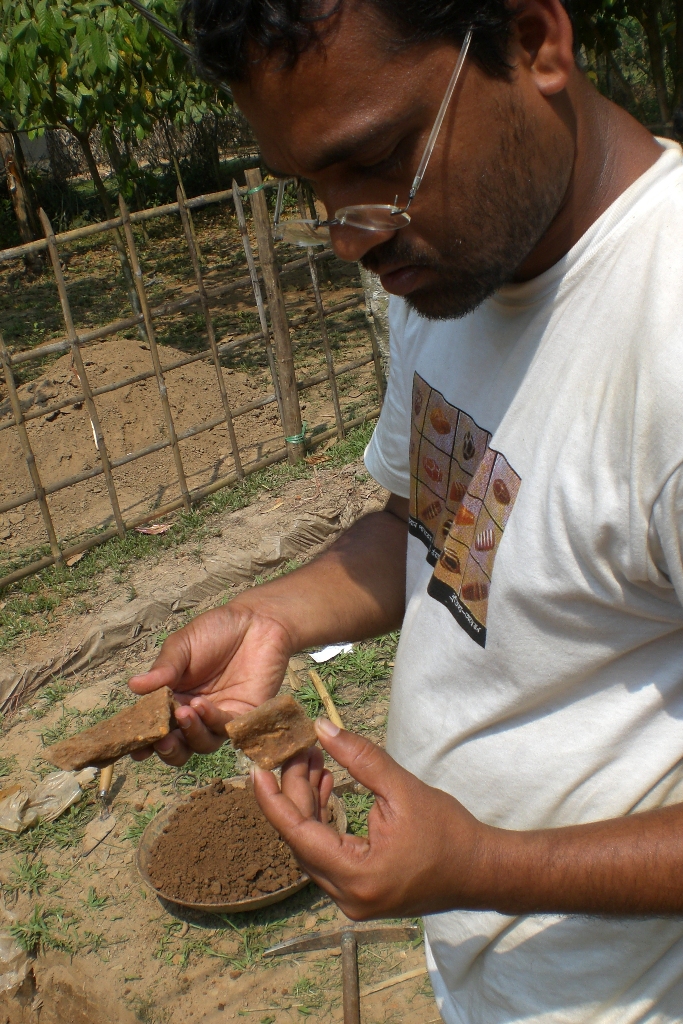
Wari-Bateshwar ruins
Oldest Iron Age urban site in Bangladesh
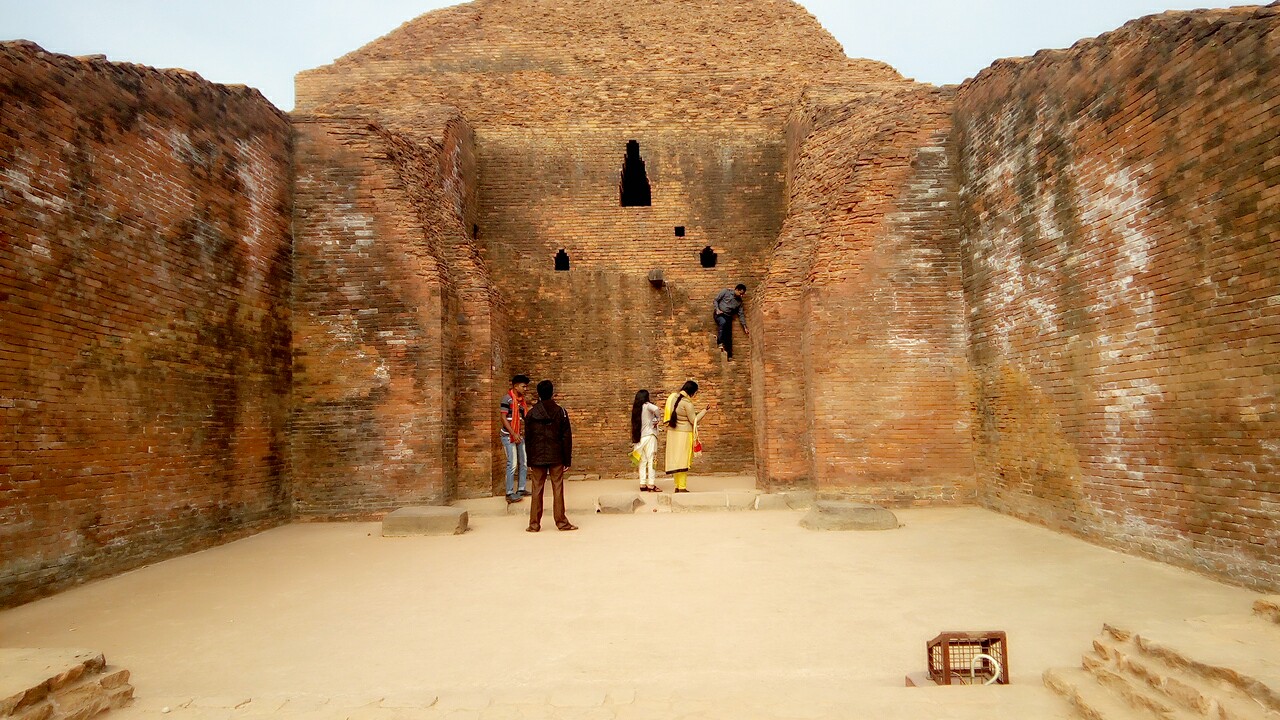
Somapura Mahavihara
Vast ancient Buddhist monastery complex
Bhitargarh
Ancient fortified city in northern Bangladesh
Mainamati
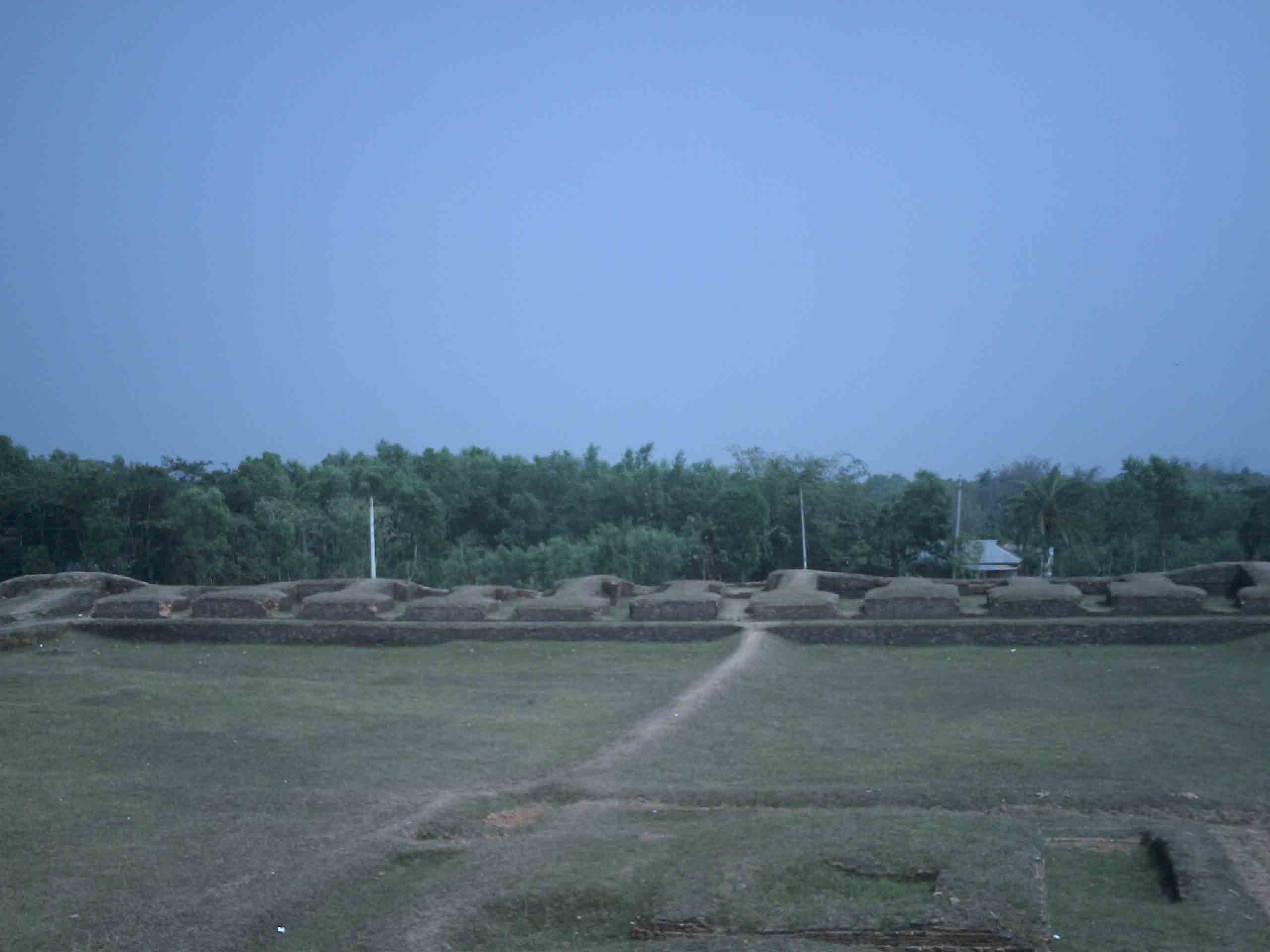
Isolated hills with Buddhist settlements
Mughal Tahakhana
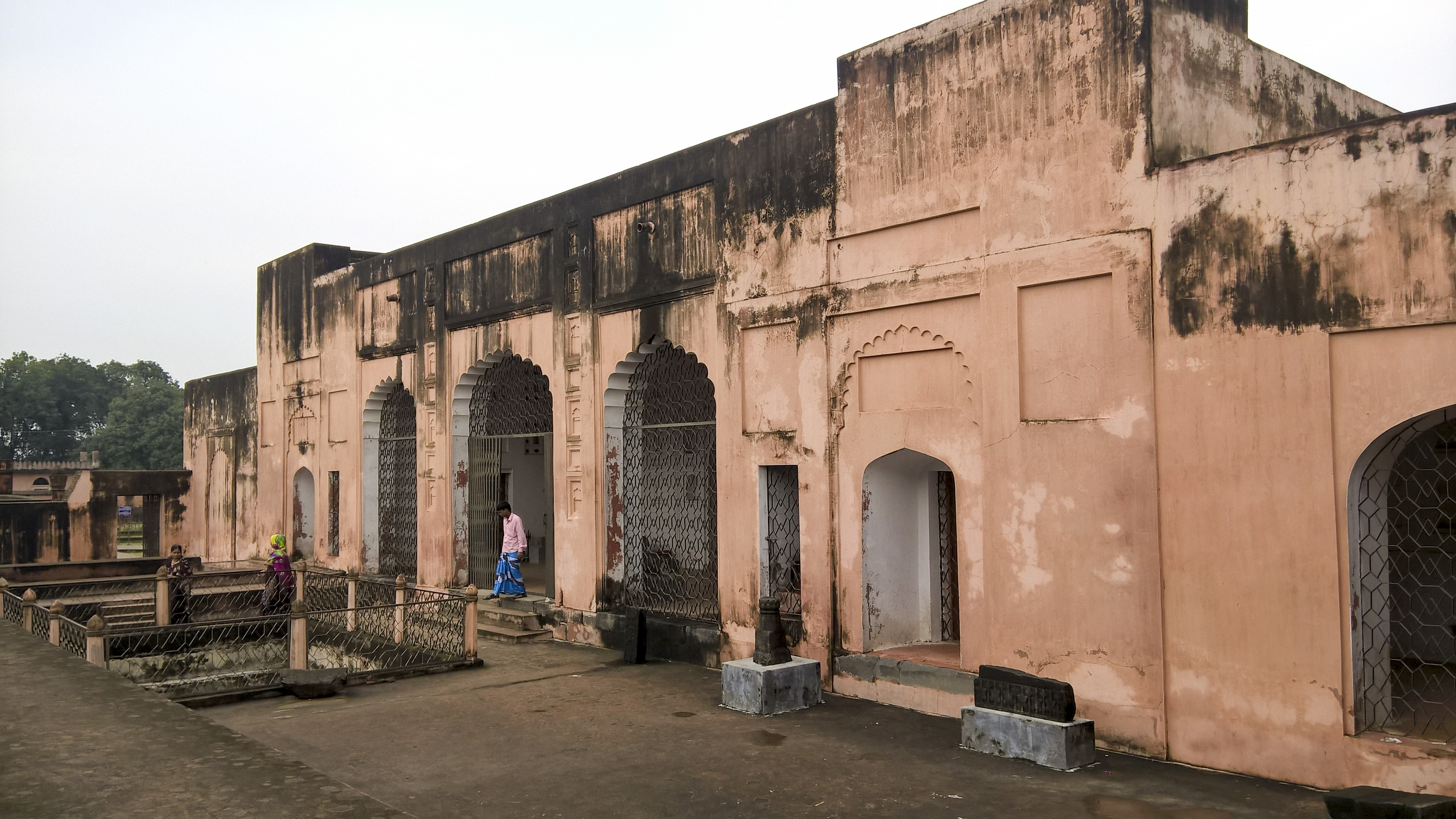
Mughal-era temperature controlled palace complex