
Explore the Map
Mosque City of Bagerhat
22.6610° N, 89.7586° E
About
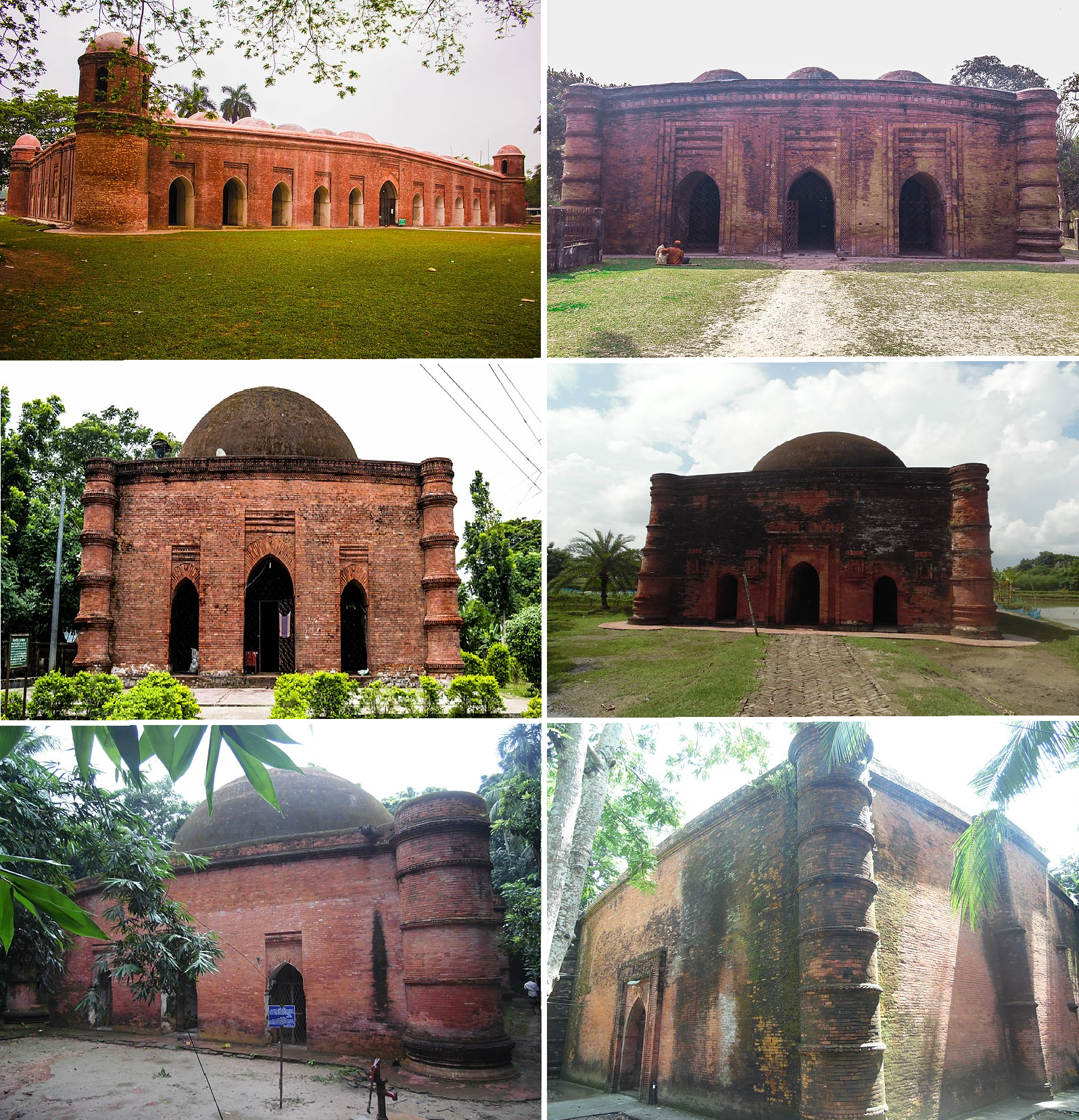
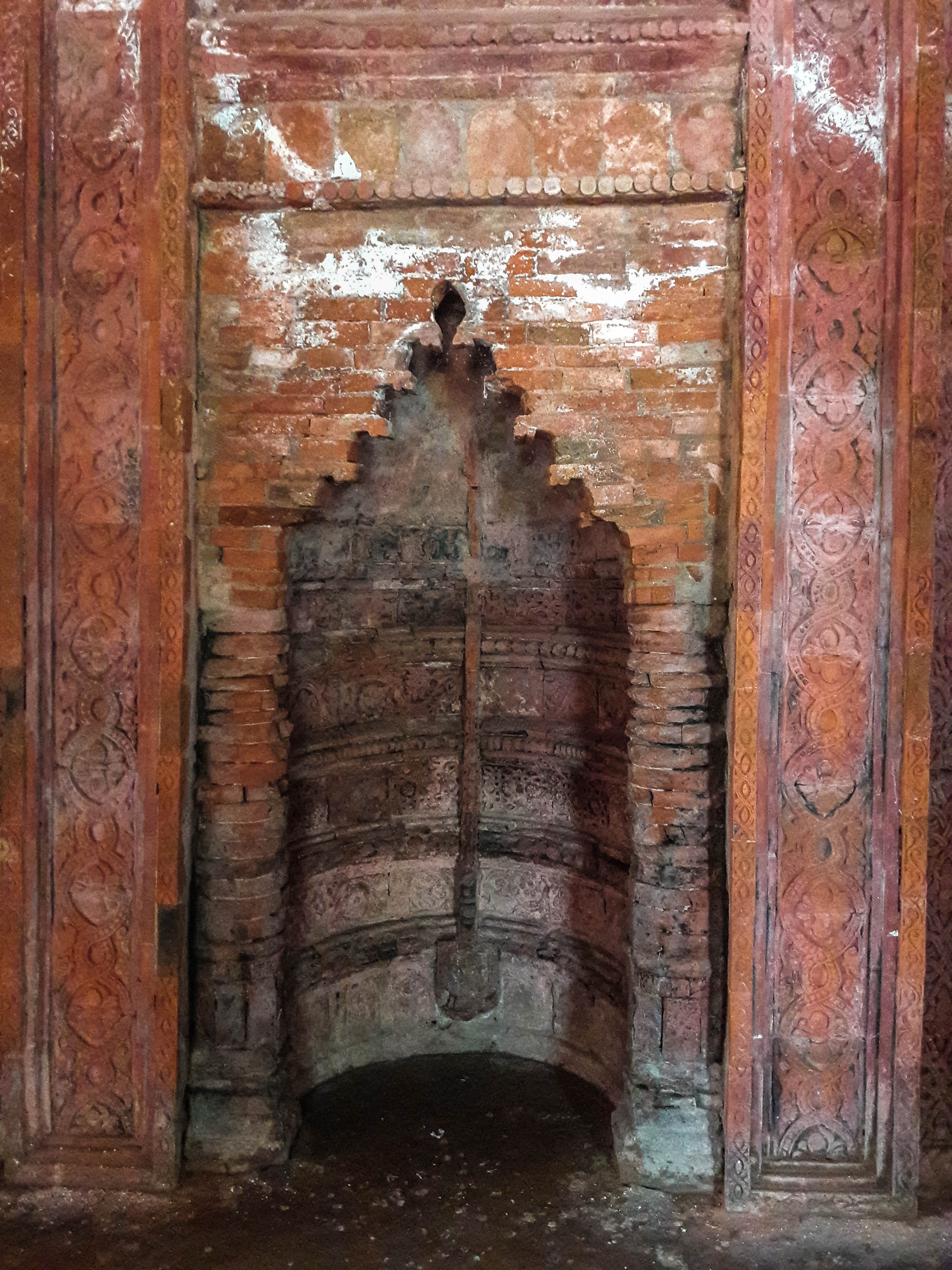
The Mosque City of Bagerhat (Bengali: মসজিদের শহর বাগেরহাট, romanized: Môsjider Shôhôr Bagerhat; historically known as Khalifatabad) is a UNESCO World Heritage Site in Bagerhat District, Bangladesh. It contains 360 mosques, public buildings, mausoleums, bridges, roads, water tanks and other public buildings constructed from baked brick. The mosques were built during the Bengal Sultanate in the 15th century, of which the Sixty Dome Mosque is the largest. Other mosques include the Singar Mosque, the Nine Dome Mosque, the Tomb of Khan Jahan, the Bibi Begni Mosque and the Ronvijoypur Mosque. The mosques were built during the governorship of Ulugh Khan Jahan, a Turkic military officer appointed as governor in the Sundarbans by Sultan Mahmud Shah of Bengal. The site was a "mint town" of the Bengal Sultanate. Bagerhat has one of the largest concentrations of sultanate-era mosques in Bangladesh. The historic city has more than 50 structures built in the local Bengal Sultanate variant style of Indo-Islamic architecture. This is sometimes called the 'Khan Jahan Style'. These were uncovered after removing the vegetation that had obscured them from view for many centuries. The site has been recognised by UNESCO in 1983 under criteria (iv), "as an outstanding example of an architectural ensemble which illustrates a significant stage in human history", of which the Sixty Dome Mosque with actually 60 pillars and 77 domes, is the most well known. The mosques feature terracotta artwork and arabesque.
Gallery
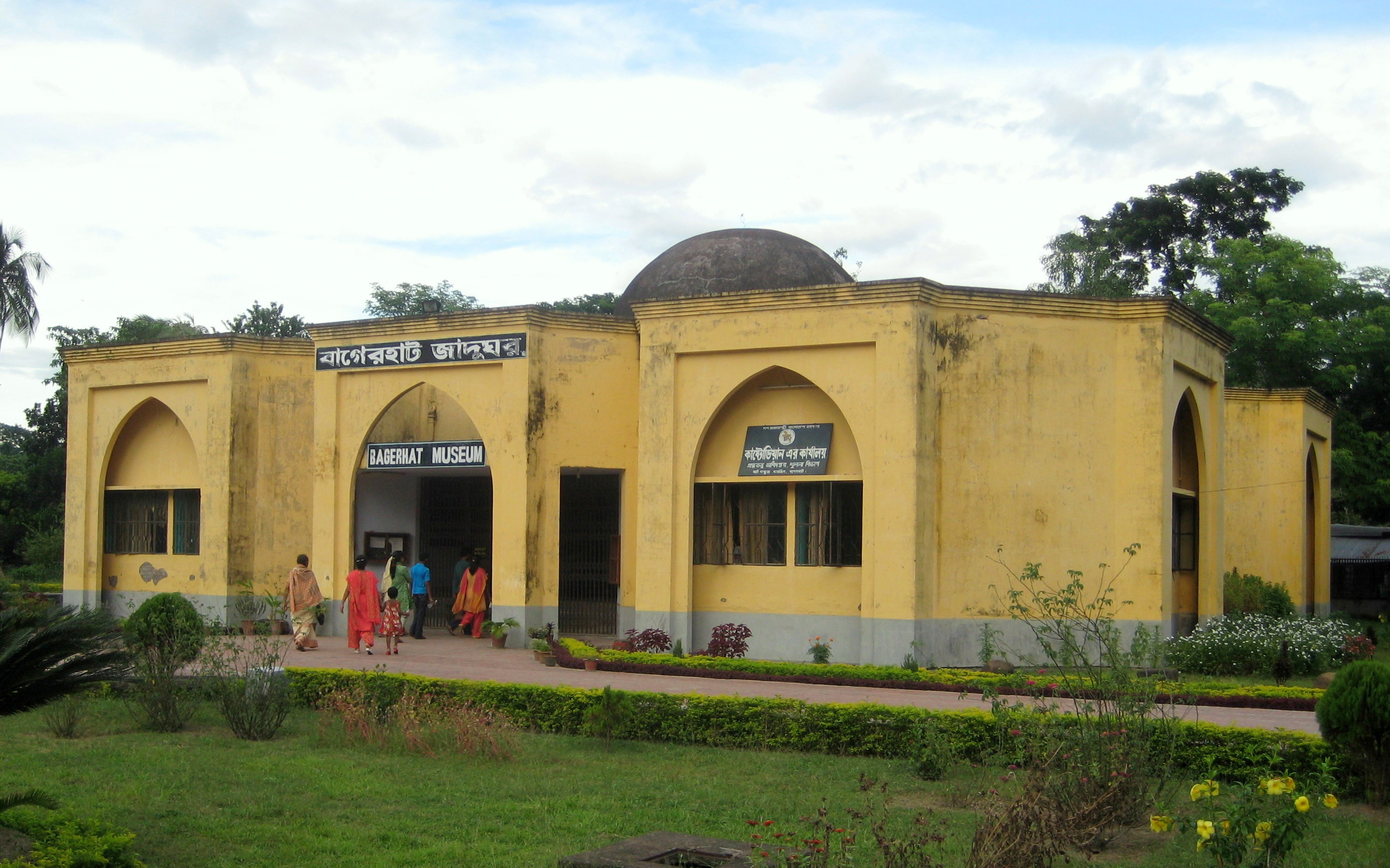
Explore photographs of ancient structures, artifacts, and archaeological excavations
Historical Timeline
Journey through time and discover key events in this site's history
Mosque construction (general)
15th century
Sixty Dome Mosque established
1440
Inscriptions referencing Mahmud Shah
1450–1459
Archaeological survey and early restorations
1895
UNESCO master plan
1983
World Heritage inscription
1985
Archaeological Features
Unique architectural and cultural elements found at this historical site
Water Management Features
Public and Civic Structures
Burial and Funerary Structures
Religious and Ritual Structures
Artistic and Decorative Features
Domestic and Habitation Structures
Transportation and Communication Structures
Frequently Asked Questions
Plan Your Visit
Tours, travel arrangements, and practical information


More Sites in Bangladesh
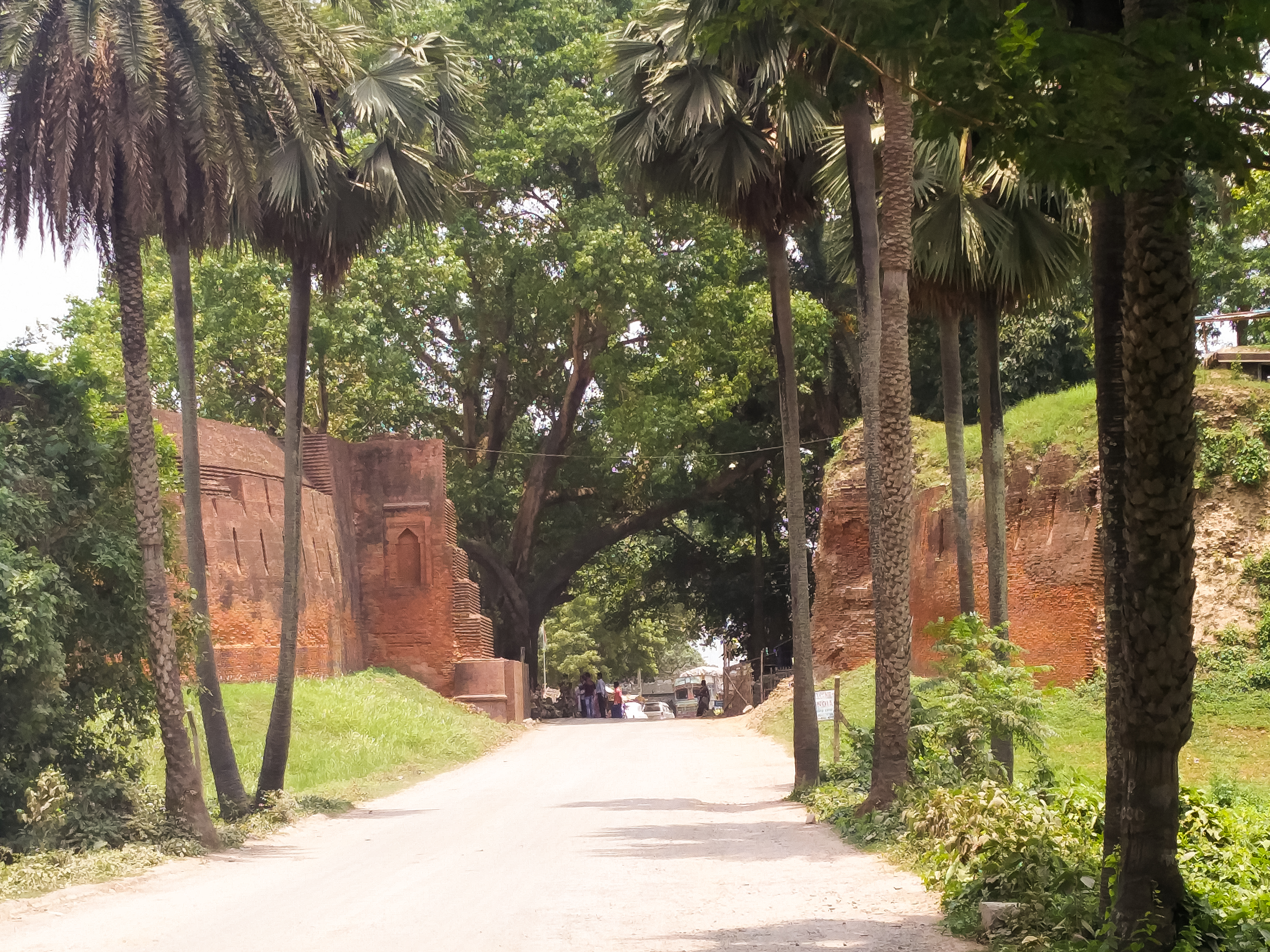
Kotwali Gate
Medieval gate with collapsed central arch
Bhitargarh
Ancient fortified city in northern Bangladesh
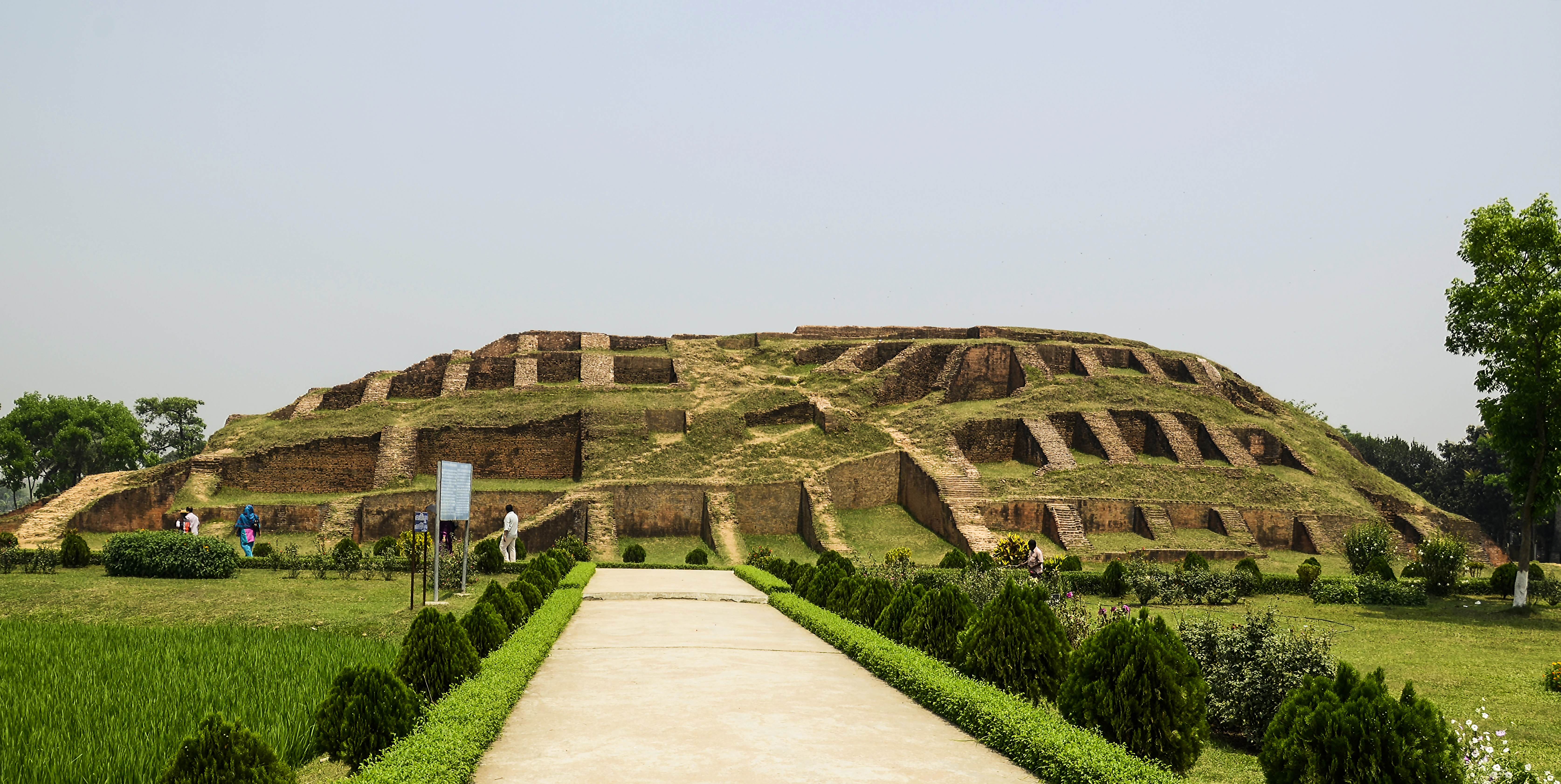
Gokul Medh
Excavated Buddhist stupa and Shiva shrine
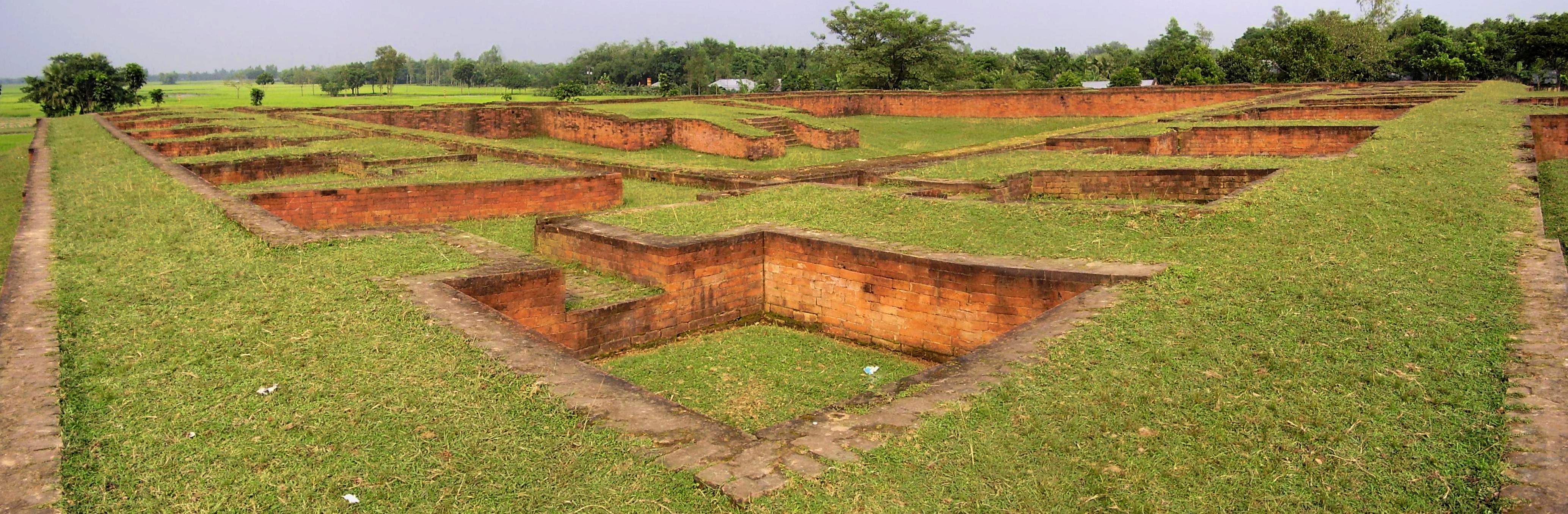
Pundranagar
Fortified ancient city in Bengal region.
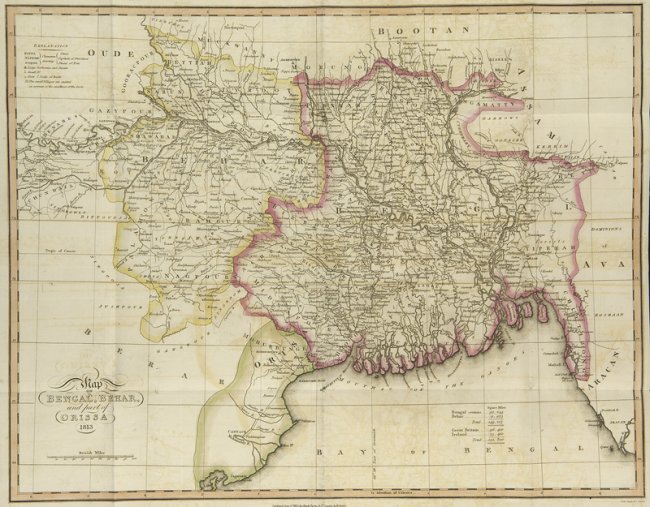
Nateshwar Deul
Buddhist city ruins with unique stupas
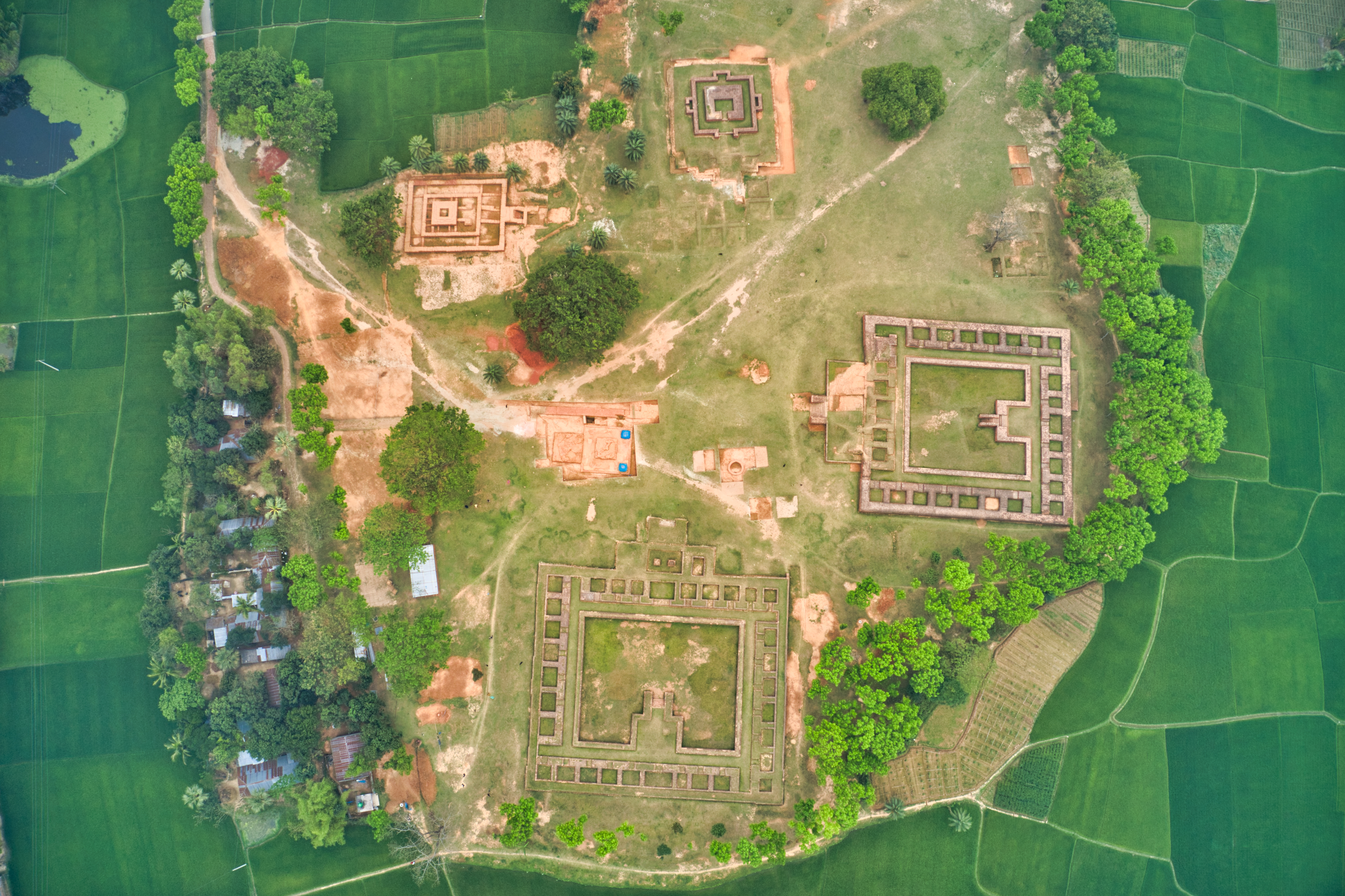
Vasu Vihara
Ancient Buddhist monastery complex with artifacts