
Explore the Map
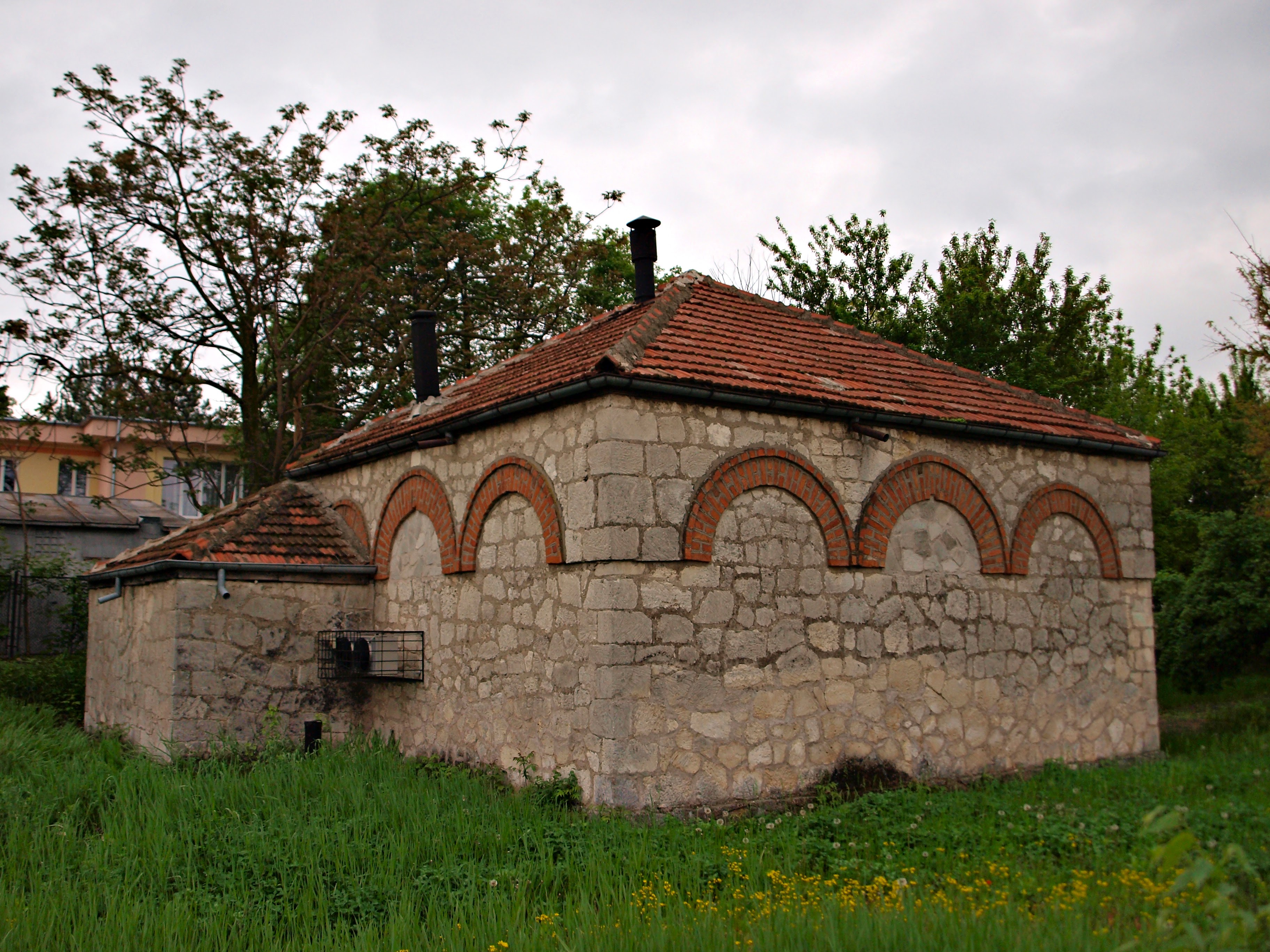
Roman Tomb (Silistra)
44.1101° N, 27.2709° E
About
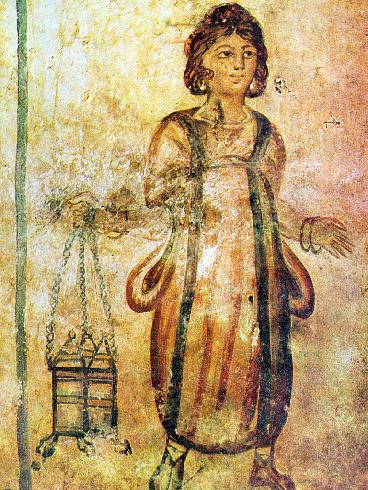
The Roman Tomb of Silistra, located in northeastern Bulgaria, is a well-preserved burial structure dating to the mid-4th century CE. This tomb serves as a significant example of late antique art in the region, showcasing intricate frescoes that cover its interior walls. The site features a single burial chamber with a semi-cylindrical brick vault, decorated with vibrant murals depicting processions of servants and the tomb's master and his wife. The tomb's construction is linked to the period before the Gothic invasions and Theodosius I's persecution of paganism, indicating its pagan origins. Its remarkable preservation offers valuable insights into the funerary practices and artistic expressions of the Roman Empire's outer provinces during the turbulent 4th century.
Gallery
Explore photographs of ancient structures, artifacts, and archaeological excavations
Historical Timeline
Journey through time and discover key events in this site's history
Construction of Roman Tomb
350 CE
Archaeological Features
Unique architectural and cultural elements found at this historical site
Burial and Funerary Structures
Artistic and Decorative Features
Frequently Asked Questions
Plan Your Visit
Tours, travel arrangements, and practical information

More Sites in Bulgaria
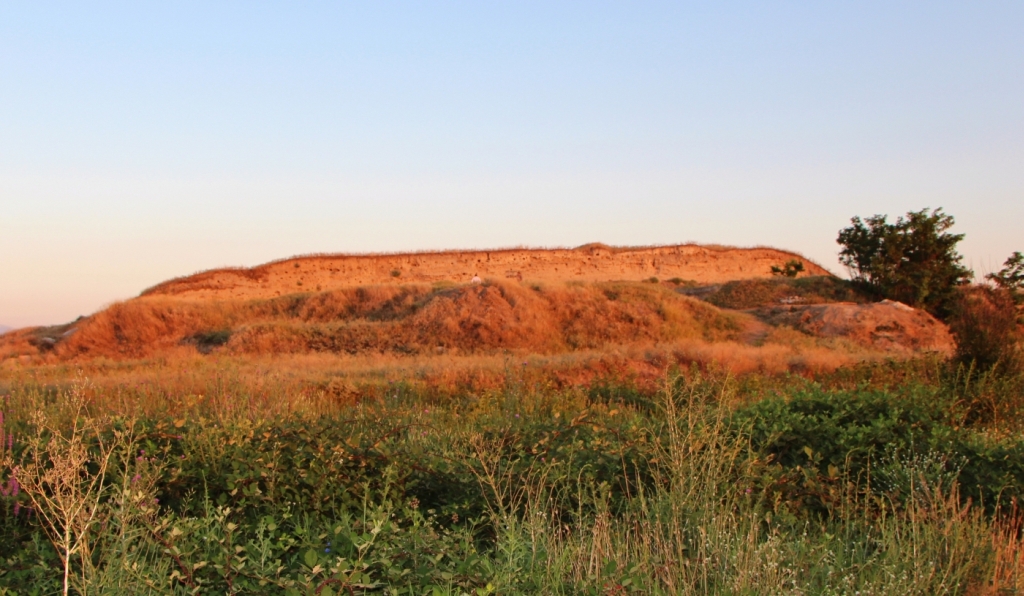
Tell Yunatsite
Multilayered settlement mound in Bulgaria
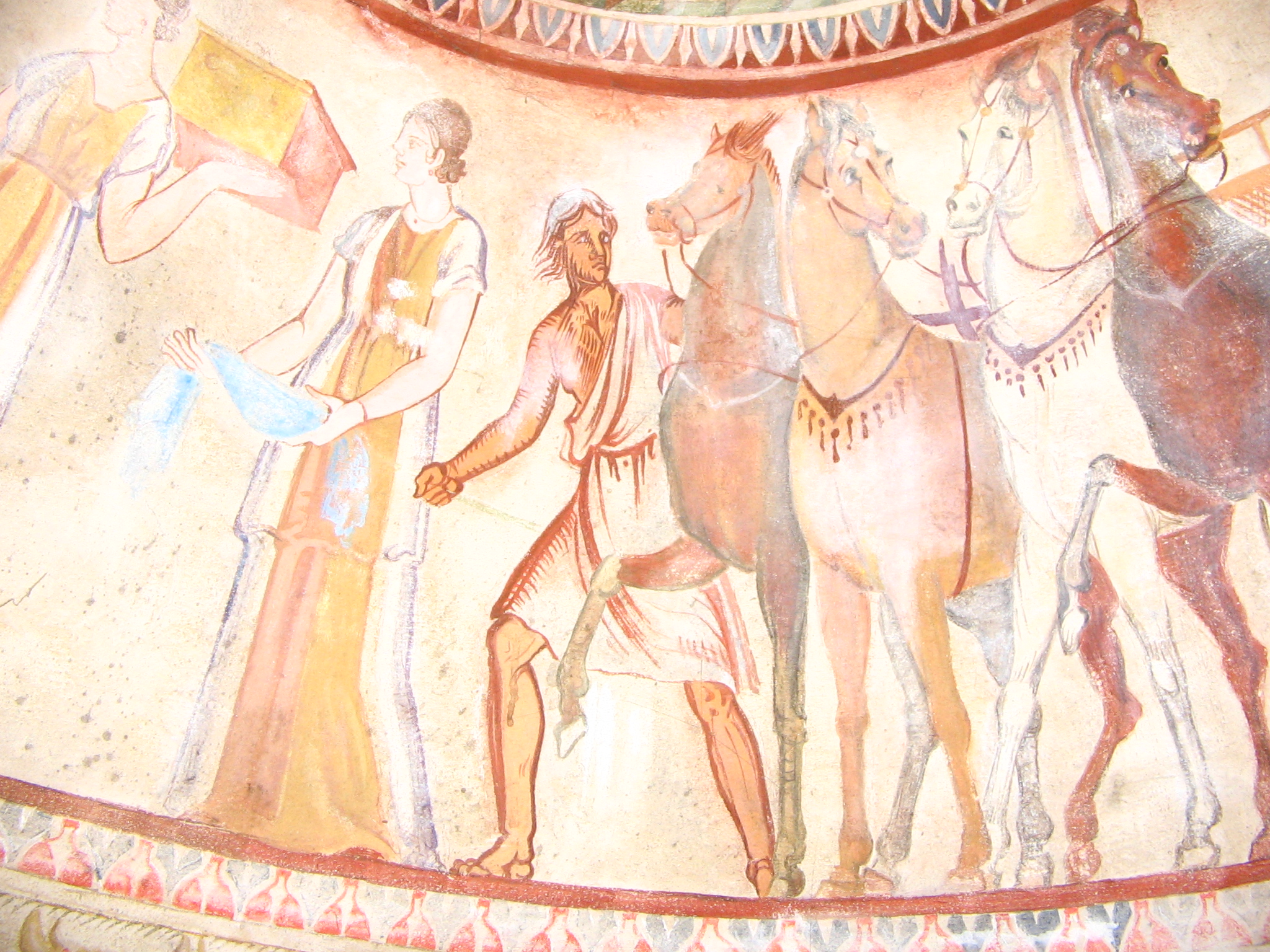
Thracian Tomb of Kazanlak
Thracian beehive tomb with Hellenistic murals
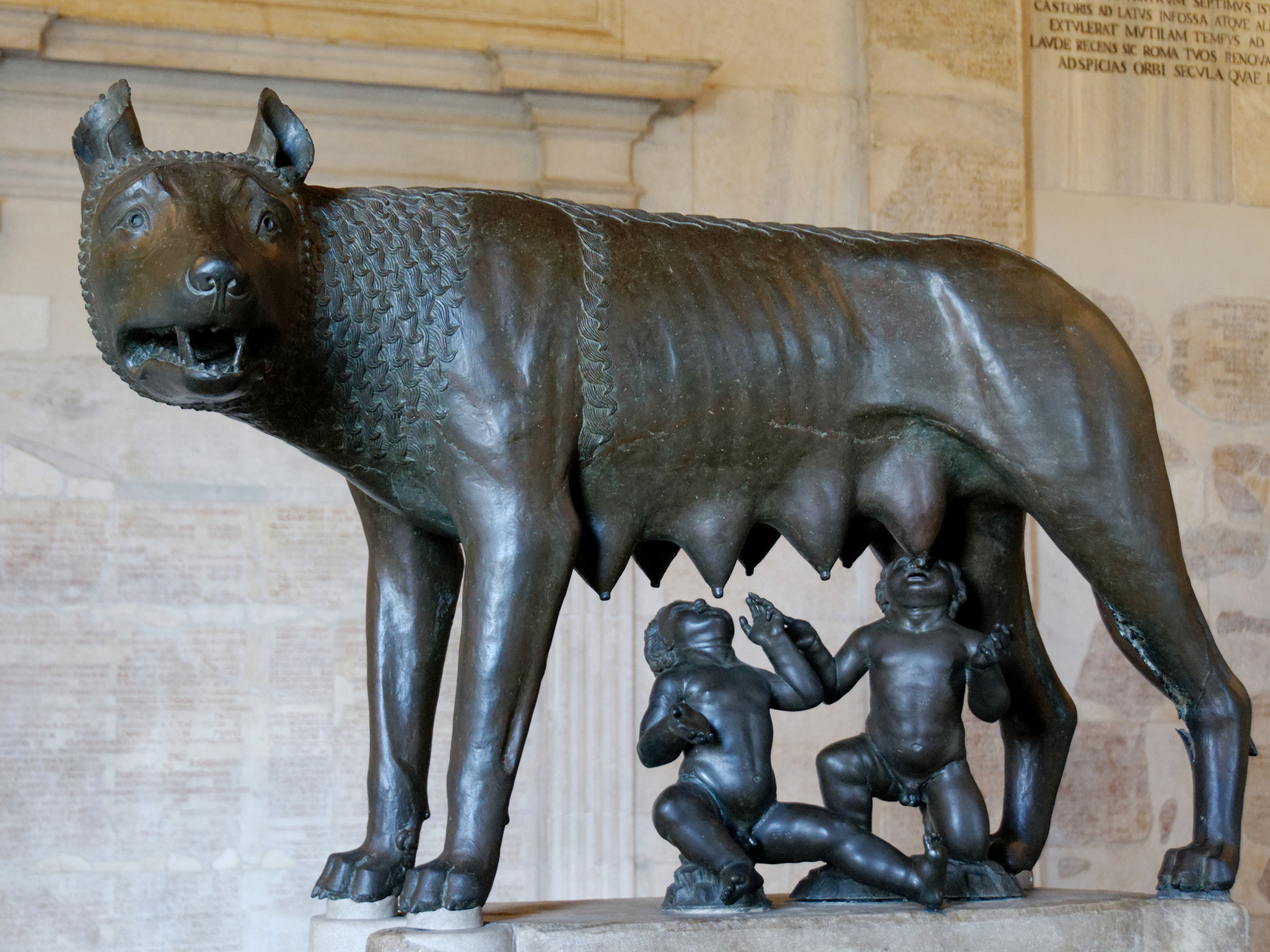
Dausdava
Ancient Dacian town in Moesia region
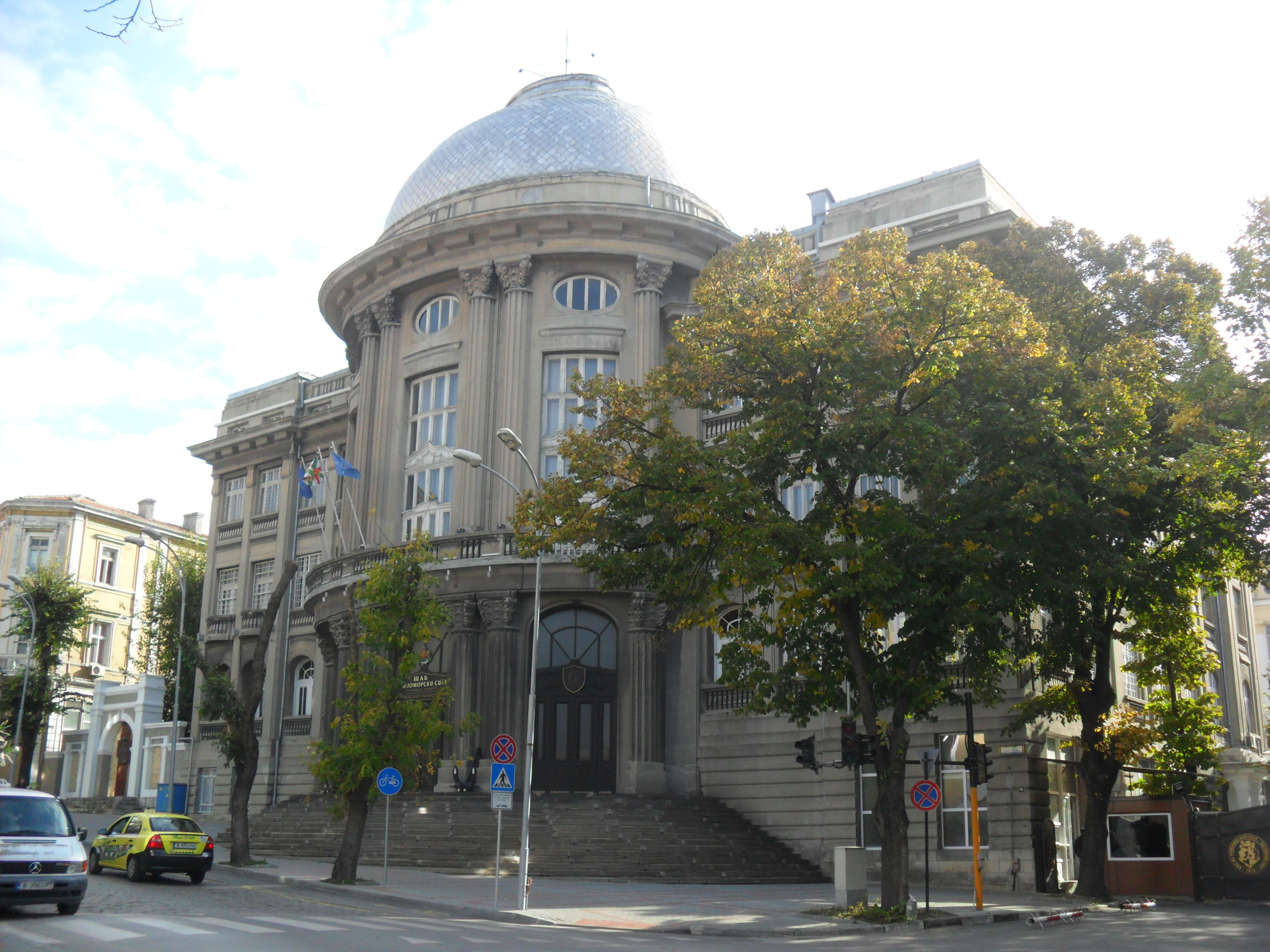
Varna, Bulgaria
Ancient Thracian and Greek settlement site
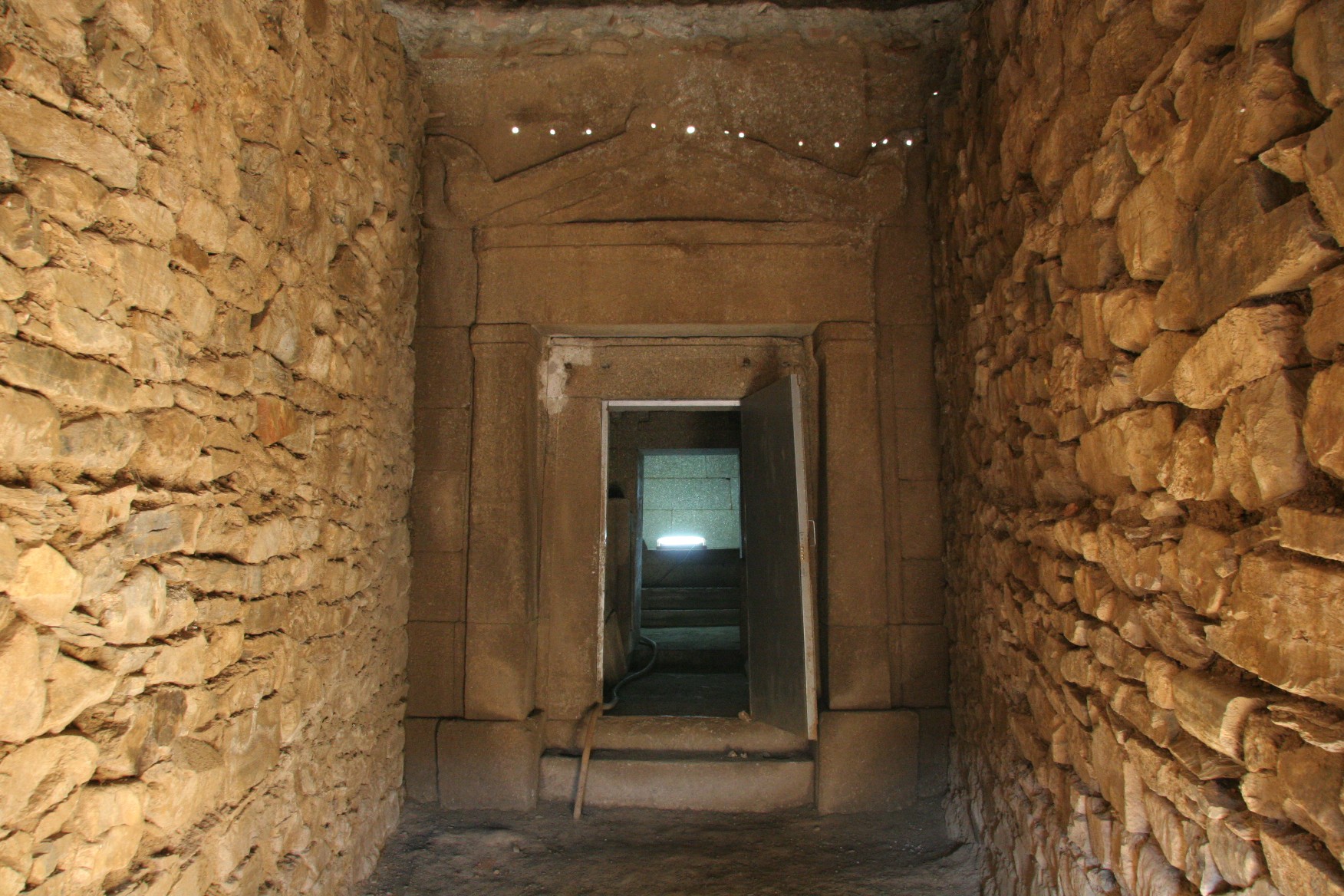
Thracian tomb Griffins
Thracian tomb with griffin motifs and dome.
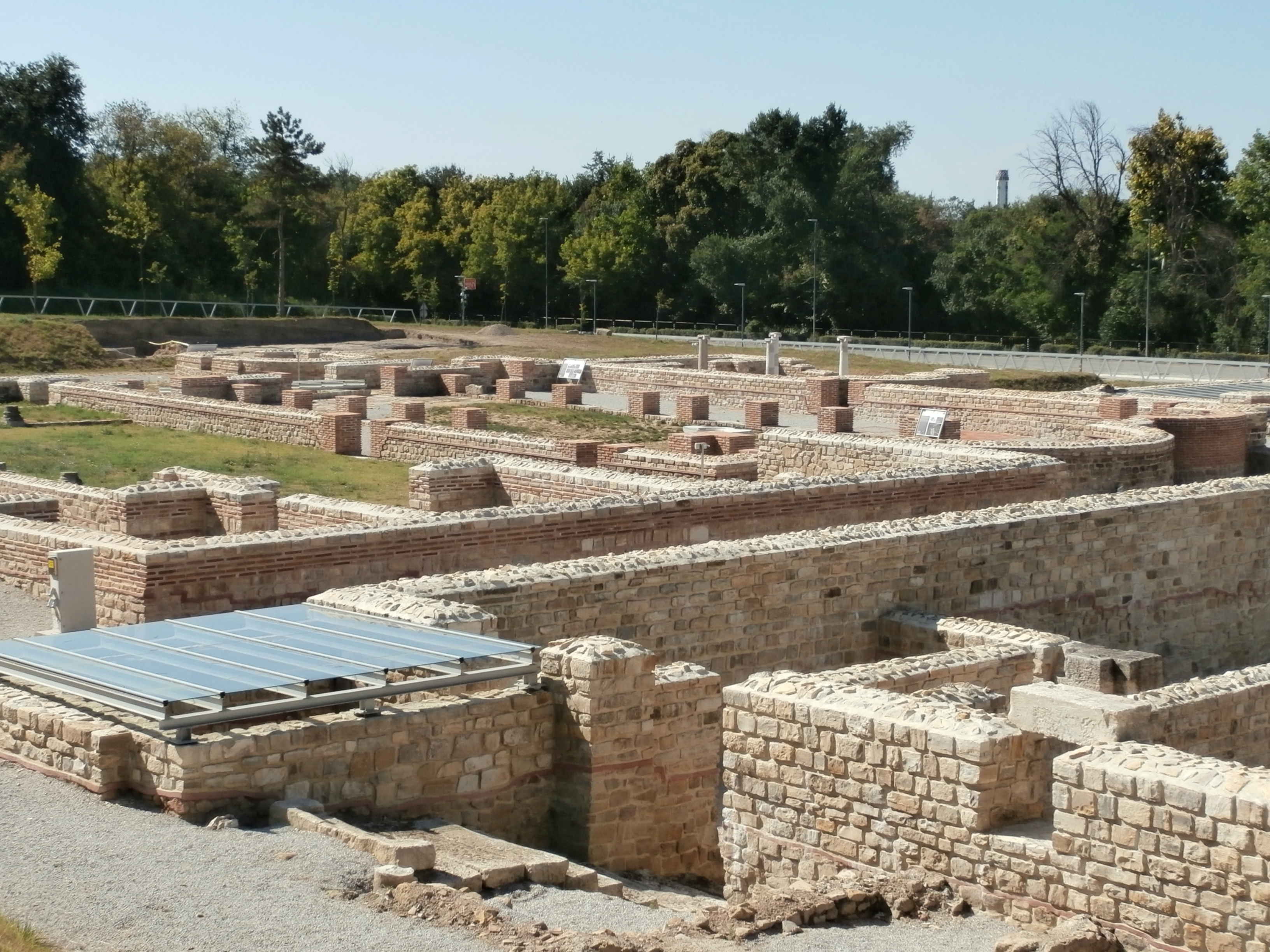
Novae (fortress)
Roman legionary fortress on the Danube, Bulgaria