Hemudu culture
Time Periods
Paleolithic
Mesolithic
Neolithic
Chalcolithic
Bronze Age
Iron Age
Classical Period
Post-Classical Period
Early Modern Period
Industrial Period
Contemporary Period
Time Periods
Paleolithic
Mesolithic
Neolithic
Chalcolithic
Bronze Age
Iron Age
Classical Period
Post-Classical Period
Early Modern Period
Industrial Period
Contemporary Period
Location
About
The Hemudu culture (5500 BC to 3300 BC) was a Neolithic culture that flourished just south of the Hangzhou Bay in Jiangnan in modern Yuyao, Zhejiang, China. The culture may be divided into early and late phases, before and after 4000 BC respectively. The site at Hemudu, 22 km northwest of Ningbo, was discovered in 1973. Hemudu sites were also discovered at Tianluoshan in Yuyao city, and on the islands of Zhoushan. Hemudu are said to have differed physically from inhabitants of the Yellow River sites to the north. Some authors propose that the Hemudu Culture was a source of the pre-Austronesian cultures.
Plan Your Visit
Details
- Country
- China
- Source
- Wikipedia
More Sites in China
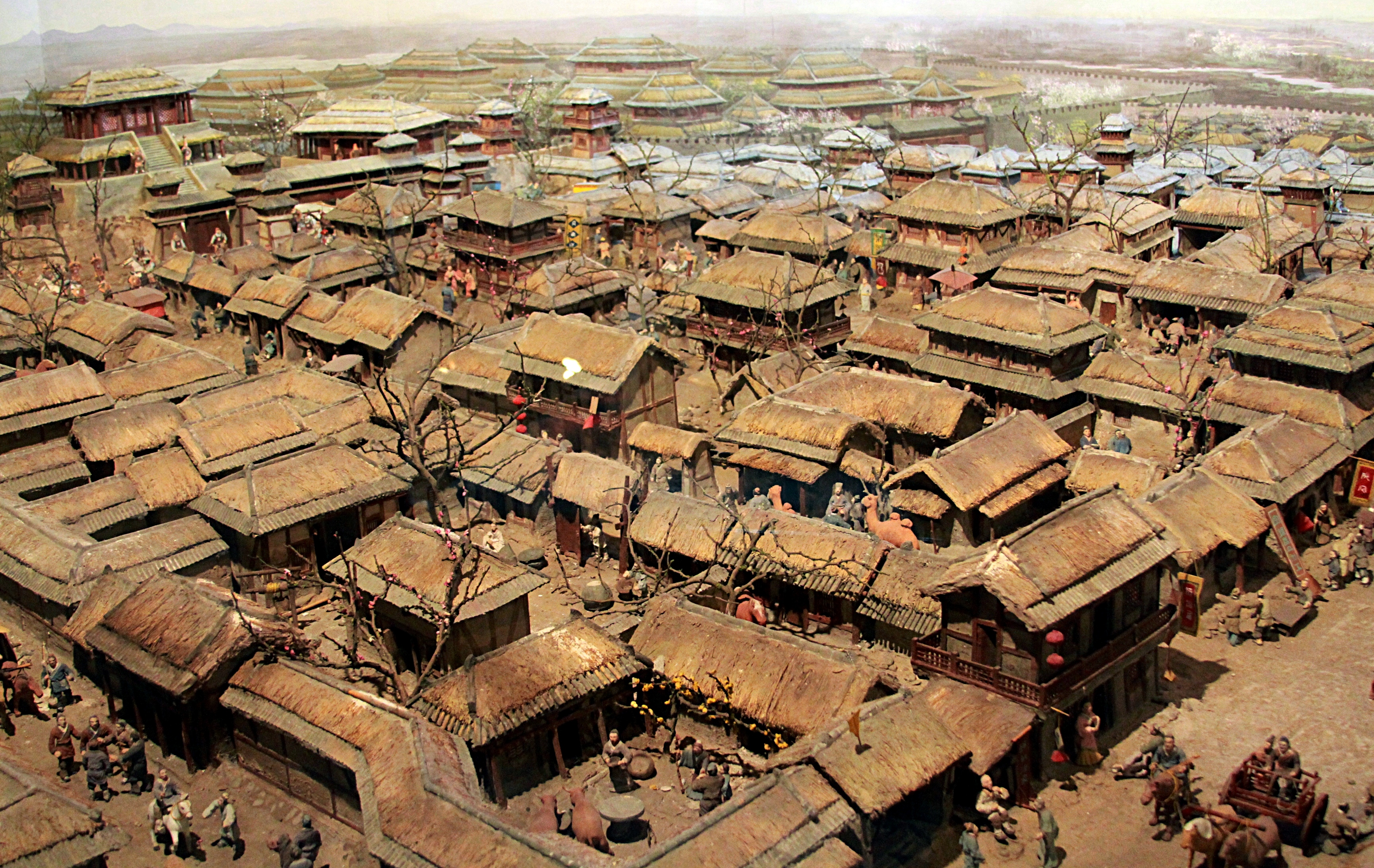
Ancient Linzi
Ancient city with defensive walls and tombs.
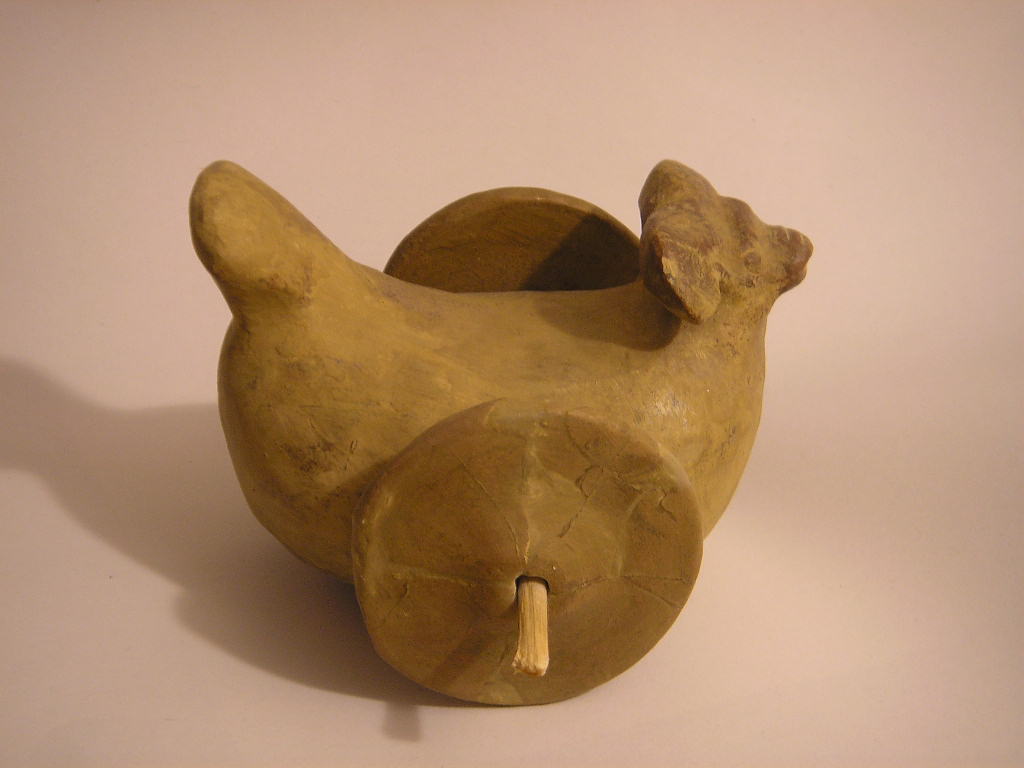
Xishuipo
Neolithic burial site with clam mosaics
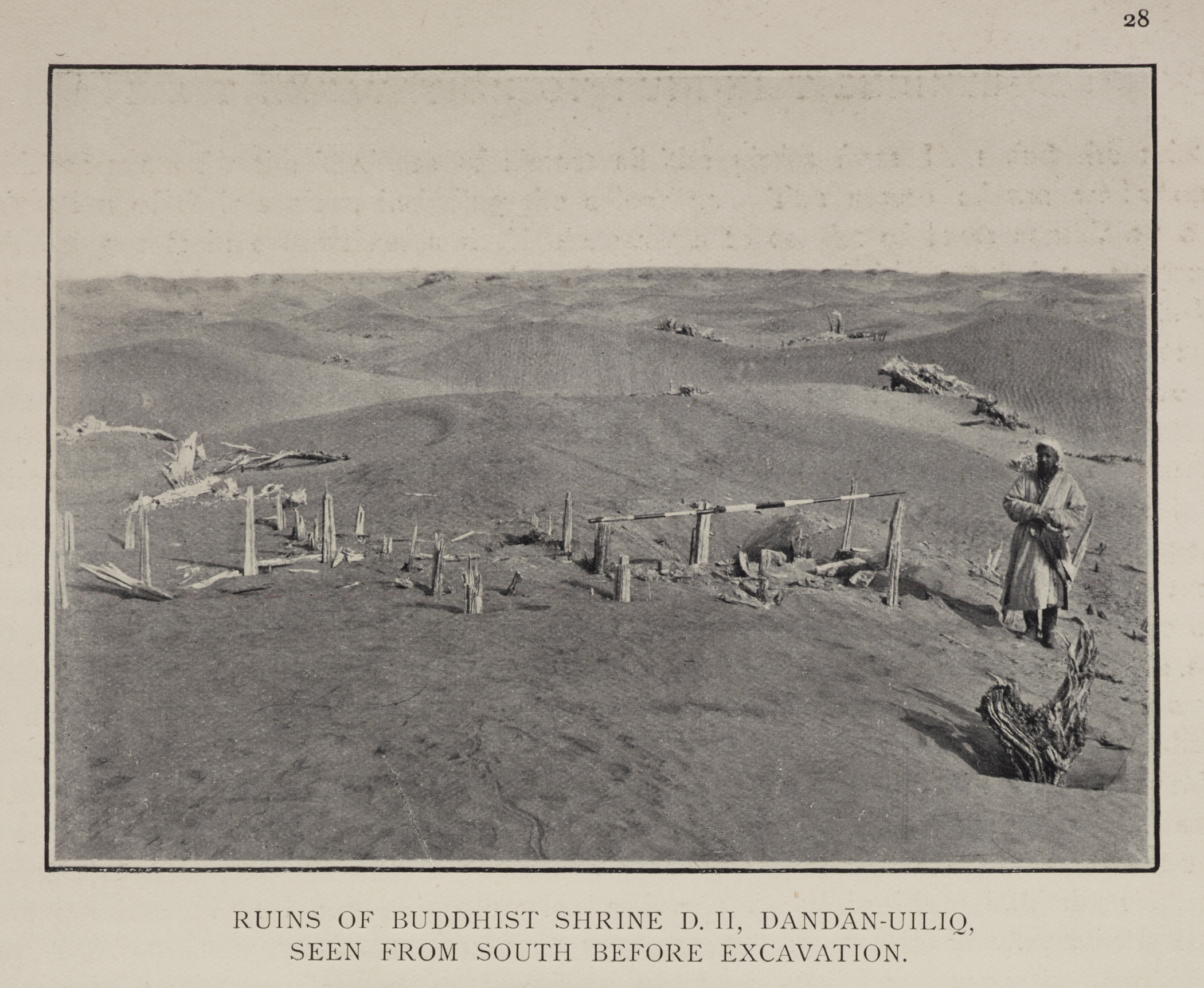
Dandan Oilik
Abandoned oasis town with Buddhist ruins.
Liye Ancient City
Ancient city with Qin dynasty artifacts
Guandimiao
Late Shang village with kilns and graves
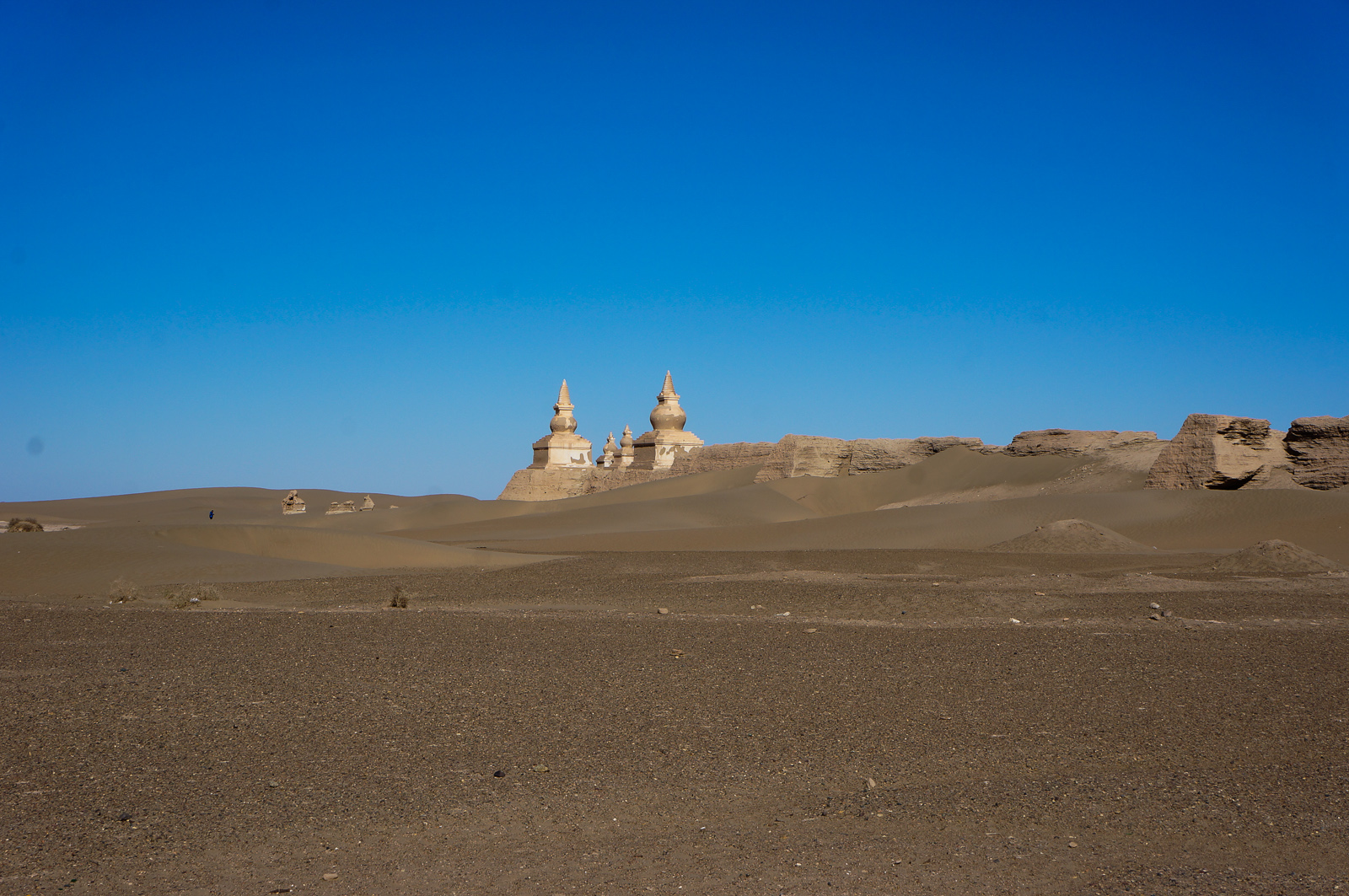
Khara-Khoto
Ruined Tangut city with defensive walls.