Explore the Map
Taosi
35.8906° N, 111.4972° E
About
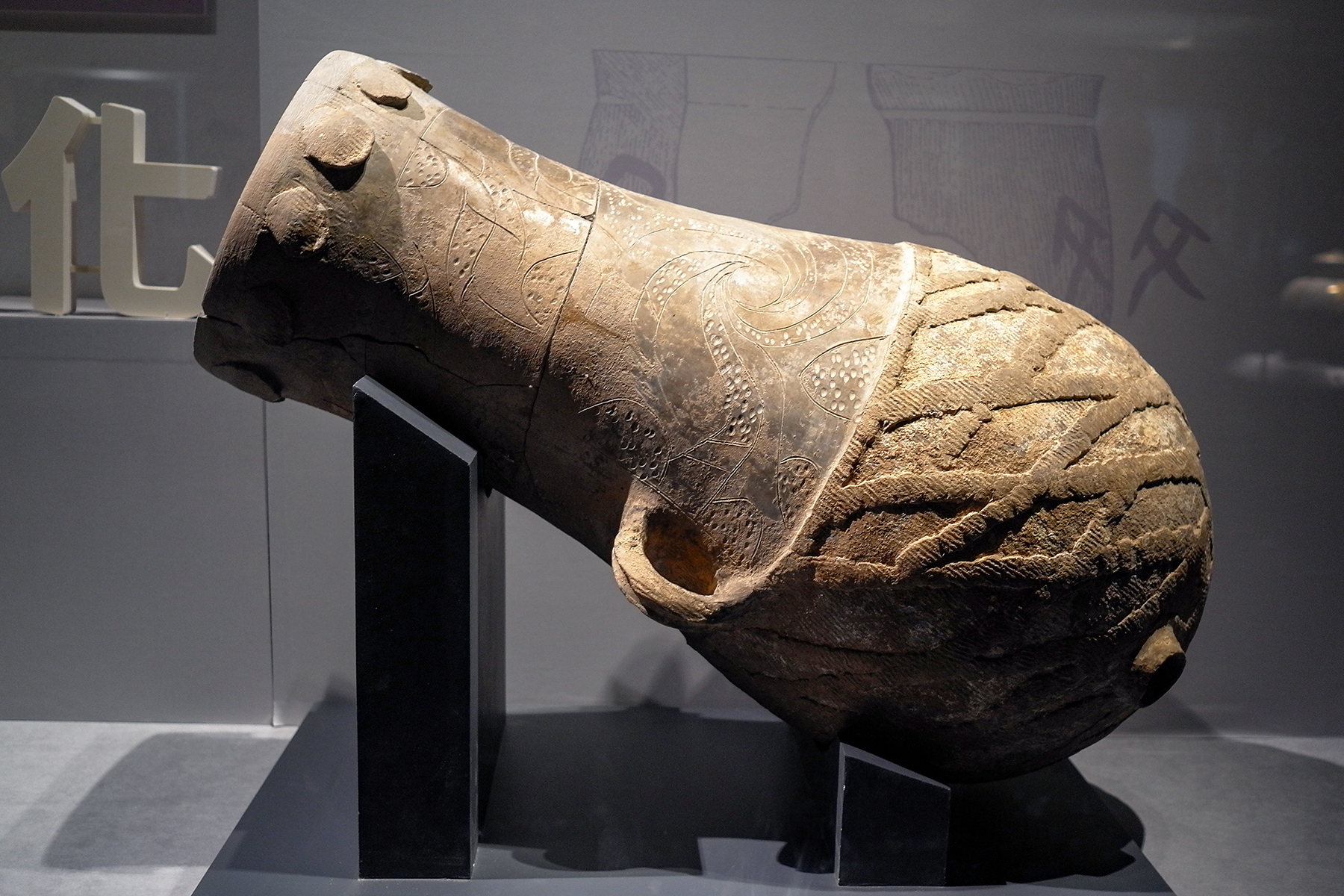
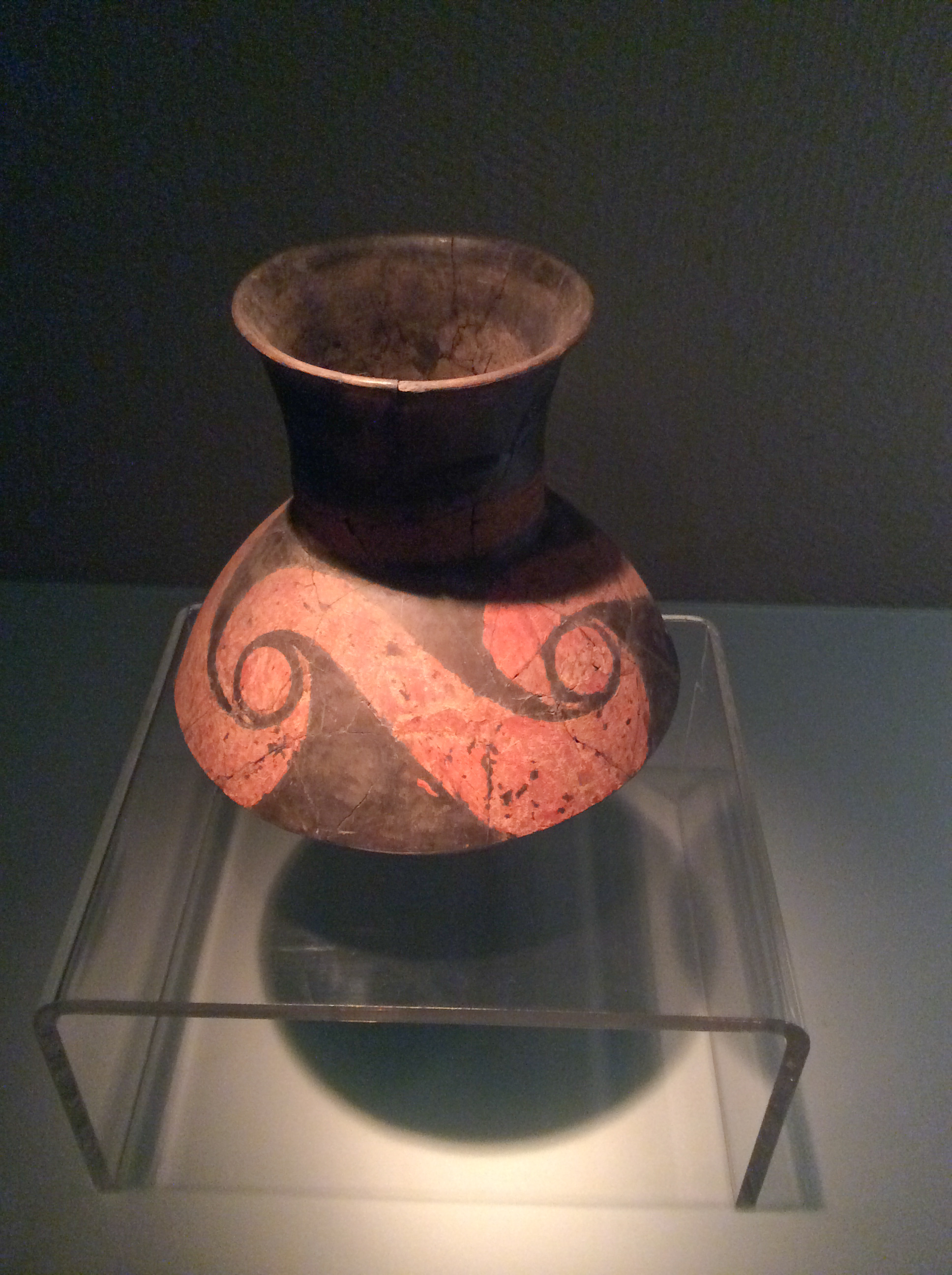
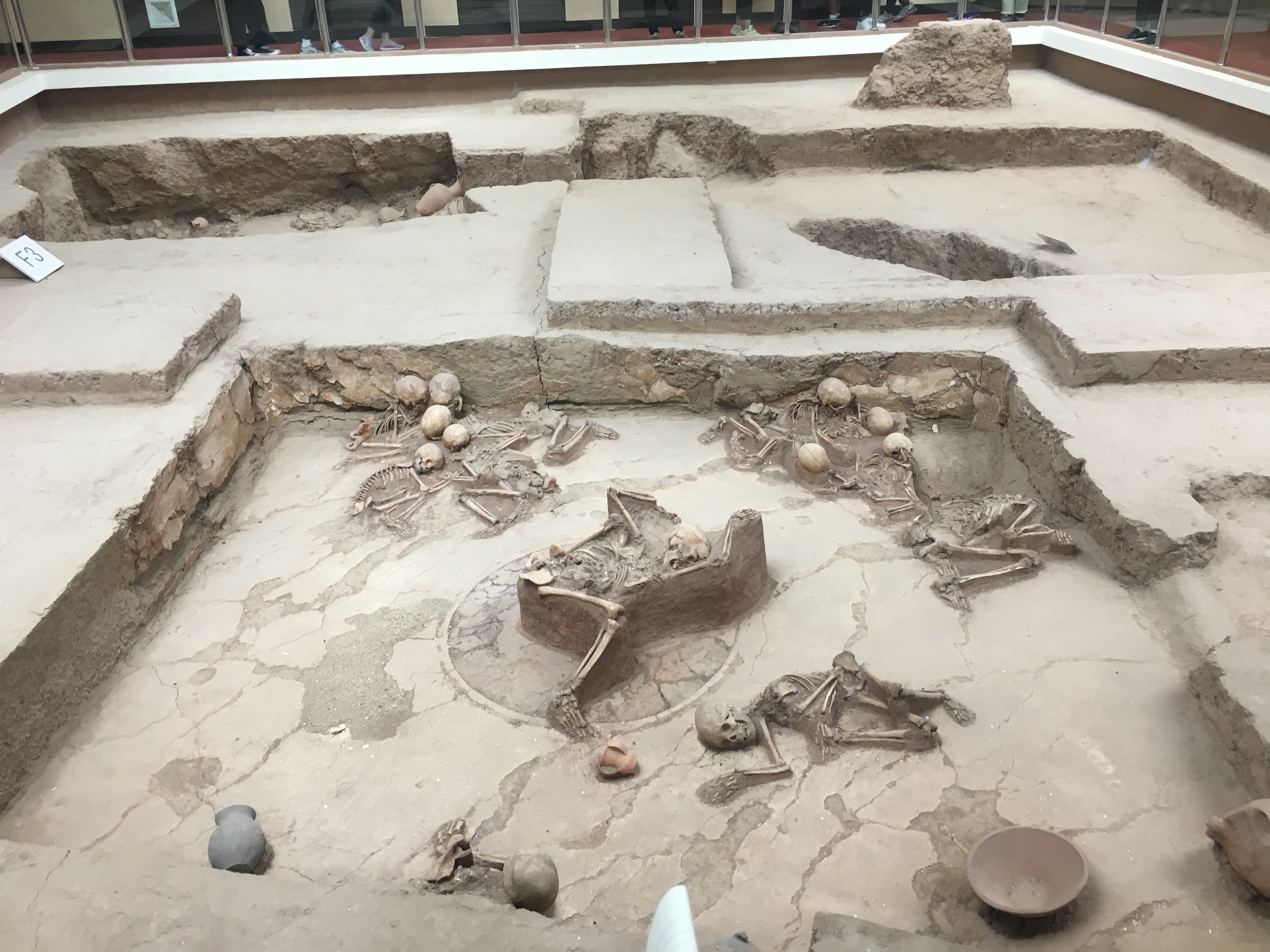
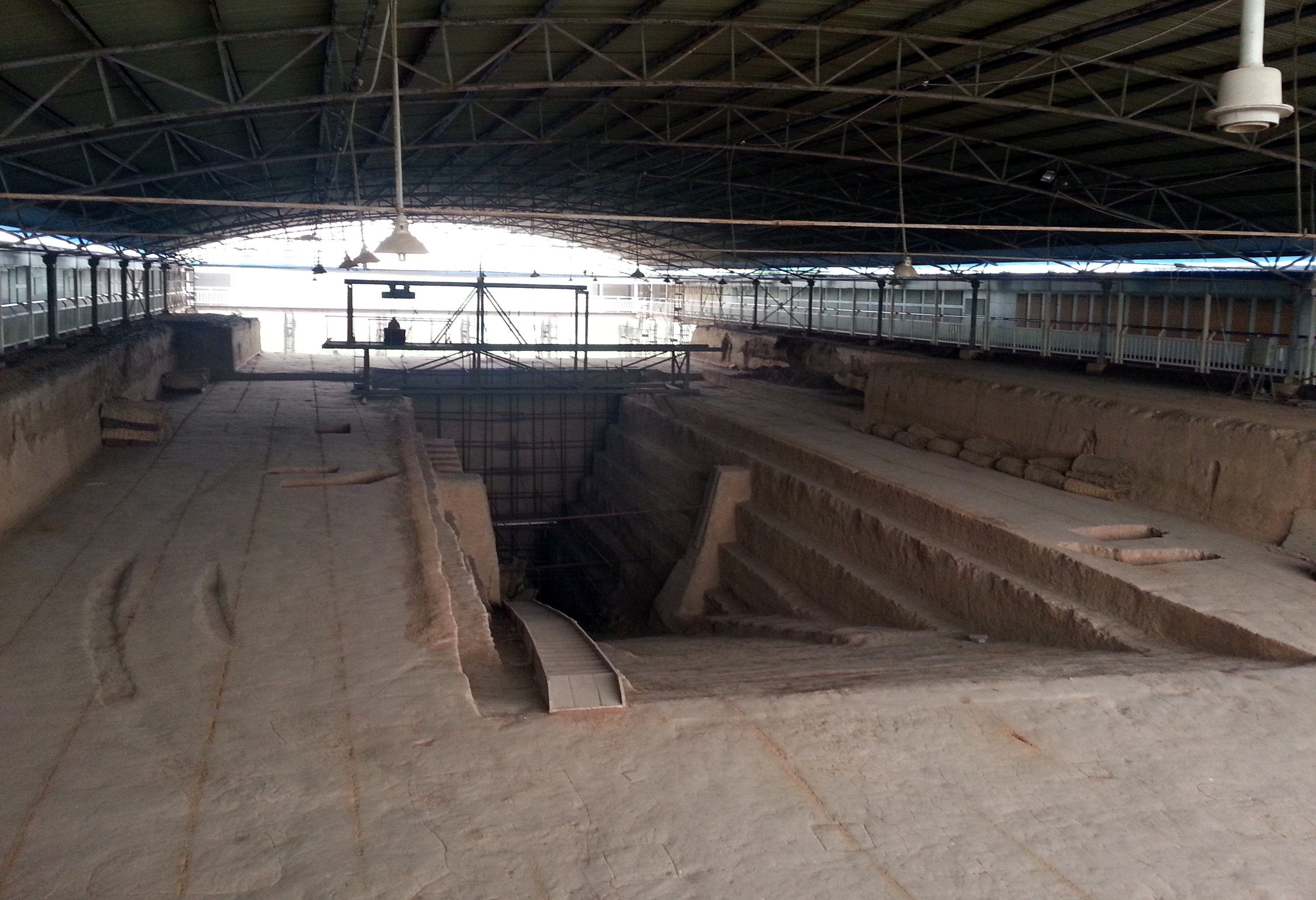
Taosi is an archaeological site in Shanxi, China, notable for its role within the late Longshan culture around 2300 to 1900 BCE. The settlement was surrounded by a significant rammed-clay wall, indicative of a structured society with social stratification. Inside, an internal wall divided the elite residential and ceremonial areas from those of the common populace. Taosi is distinguished by its ancient astronomical observatory, the oldest found in East Asia, which was possibly used for calendrical observations. The site also features a necropolis with highly stratified burials, highlighting social hierarchies. The presence of musical instruments and a painted pole indicates a rich cultural context. Taosi potentially served as a regional center within the Linfen basin, but it did not evolve into a fully developed state, unlike other Central Plains sites.
Gallery
Explore photographs of ancient structures, artifacts, and archaeological excavations
Historical Timeline
Journey through time and discover key events in this site's history
Early Taosi settlement
2300 BCE
Middle Taosi period
2100 BCE
Taosi observatory construction
2000 BCE
Archaeological Features
Unique architectural and cultural elements found at this historical site
Defensive Structures
Burial and Funerary Structures
Religious and Ritual Structures
Astronomical and Timekeeping Structures
Frequently Asked Questions
Plan Your Visit
Tours, travel arrangements, and practical information
More Sites in China
Lajia
Bronze Age site in Yellow River region
Cao Cao Mausoleum
Brick tomb with multiple chambers
Yangling Mausoleum of Han
Western Han imperial mausoleum, 2nd century BCE
Capital Cities and Tombs of the Ancient Koguryo Kingdom
Goguryeo fortress-cities and tombs, 1st century BCE–7th century CE
Yunju Temple
Buddhist temple complex with vast stone sutra steles, China
Ye (Hebei)
Ancient Chinese city, significant historical capital