Explore the Map
Xishanping
34.5639° N, 105.5447° E
About
Xishanping, located in Gansu, China, is a significant archaeological site that was occupied continuously from the Neolithic through the Bronze Age. It stands approximately 50 meters above the riverbed on the southern bank of the Xi River. The site is notable for its diverse agricultural system, showcasing the earliest and largest diversity of staple crops found in China from 4650 to 3000 BP. Notable crops include wheat, barley, oat, rice, foxtail millet, broomcorn millet, buckwheat, and soybean. Xishanping marks the earliest site for the introduction of several Western Asia staple crops to China, likely through the Hexi Corridor. Despite this diversity, the inhabitants primarily relied on rainfed agriculture. This site provides critical insights into early agricultural practices and cross-cultural exchanges in ancient China.
Historical Timeline
Journey through time and discover key events in this site's history
Neolithic occupation
3000 BCE
Bronze Age occupation
2100 BCE
Introduction of Western Asia crops
4650 BP
Archaeological Features
Unique architectural and cultural elements found at this historical site
Agricultural and Land Use Features
Frequently Asked Questions
Plan Your Visit
Tours, travel arrangements, and practical information
More Sites in China
Lajia
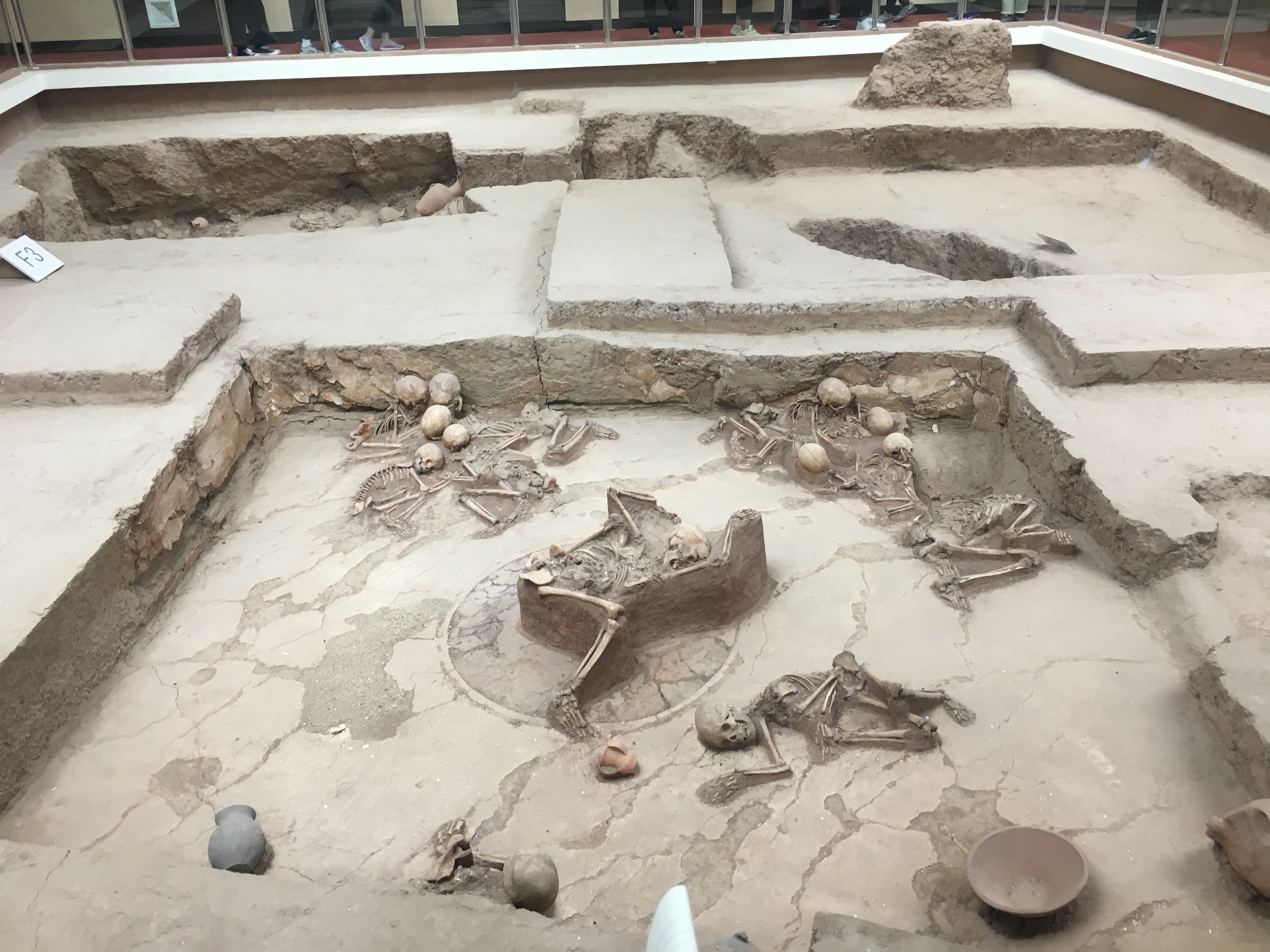
Bronze Age site in Yellow River region
Capital Cities and Tombs of the Ancient Koguryo Kingdom
Goguryeo fortress-cities and tombs, 1st century BCE–7th century CE
Lingshan Islamic Cemetery
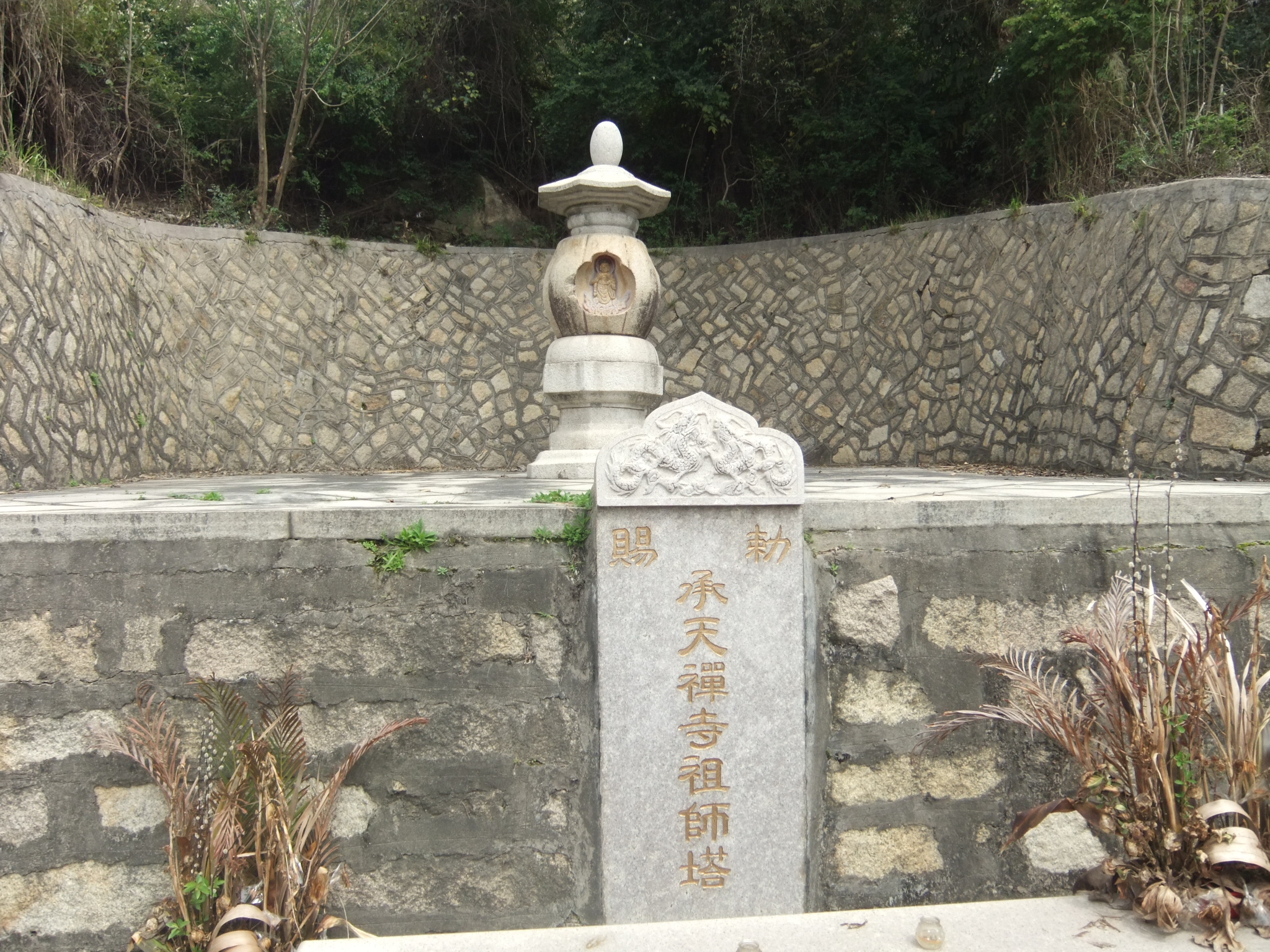
Ancient Islamic cemetery with venerated graves
Yangling Mausoleum of Han
Western Han imperial mausoleum, 2nd century BCE
Lingyin Temple
Chan Buddhist temple in Hangzhou, China
Tomb of An Jia
Sogdian funerary monument in Xi'an, Northern Zhou (6th century)