Explore the Map
Akoris, Egypt
28.1833° N, 30.7833° E
About
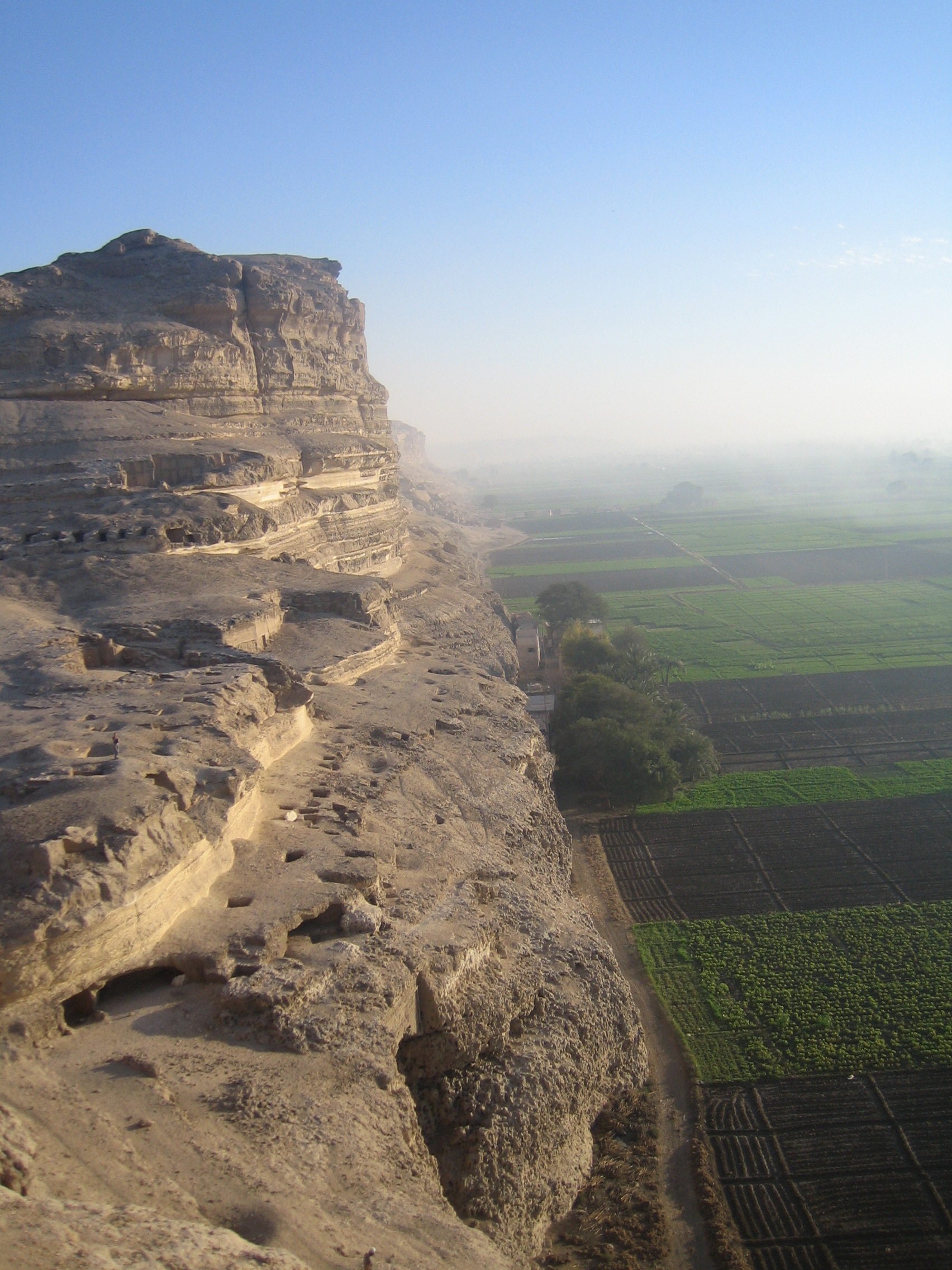
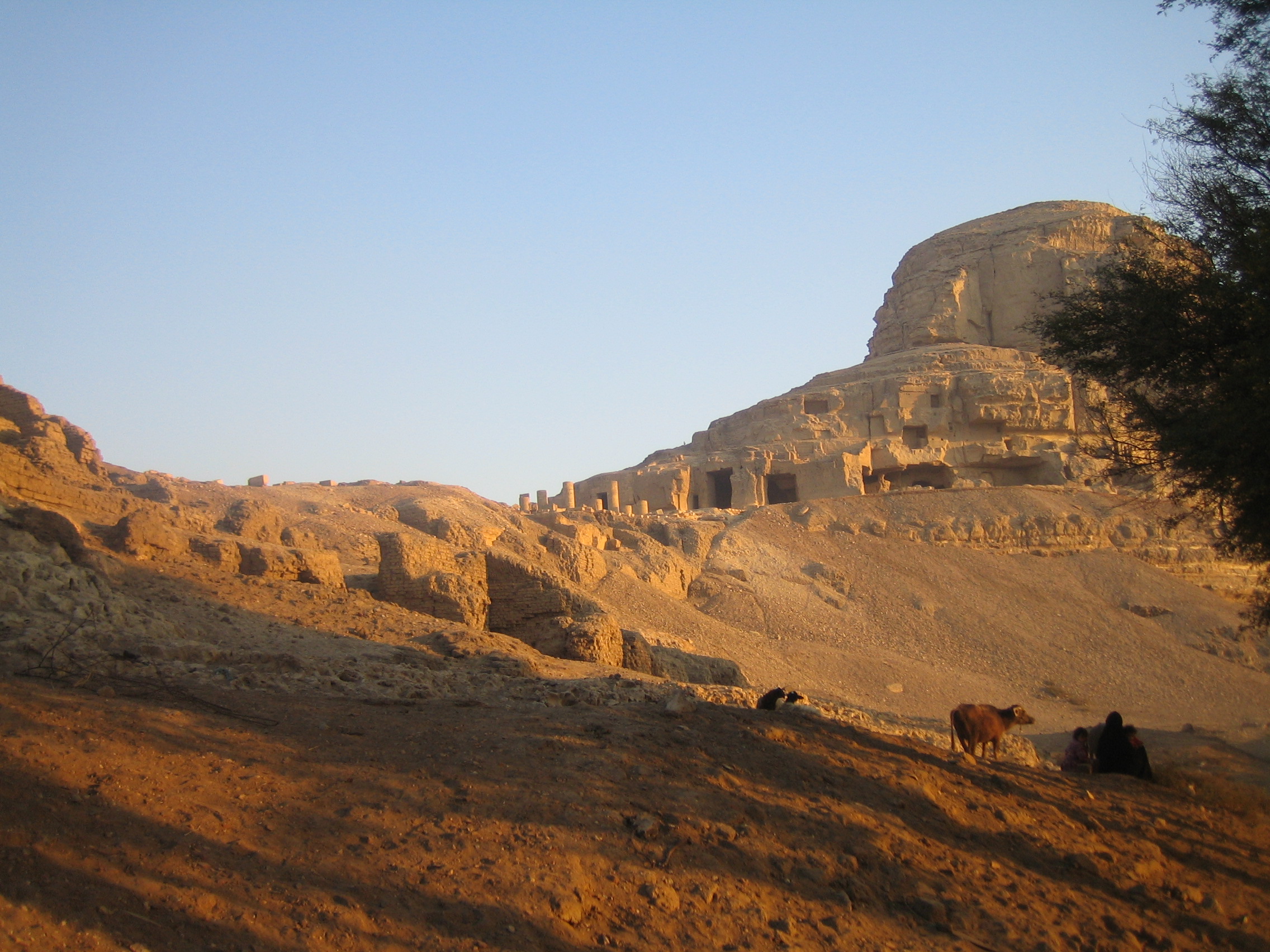
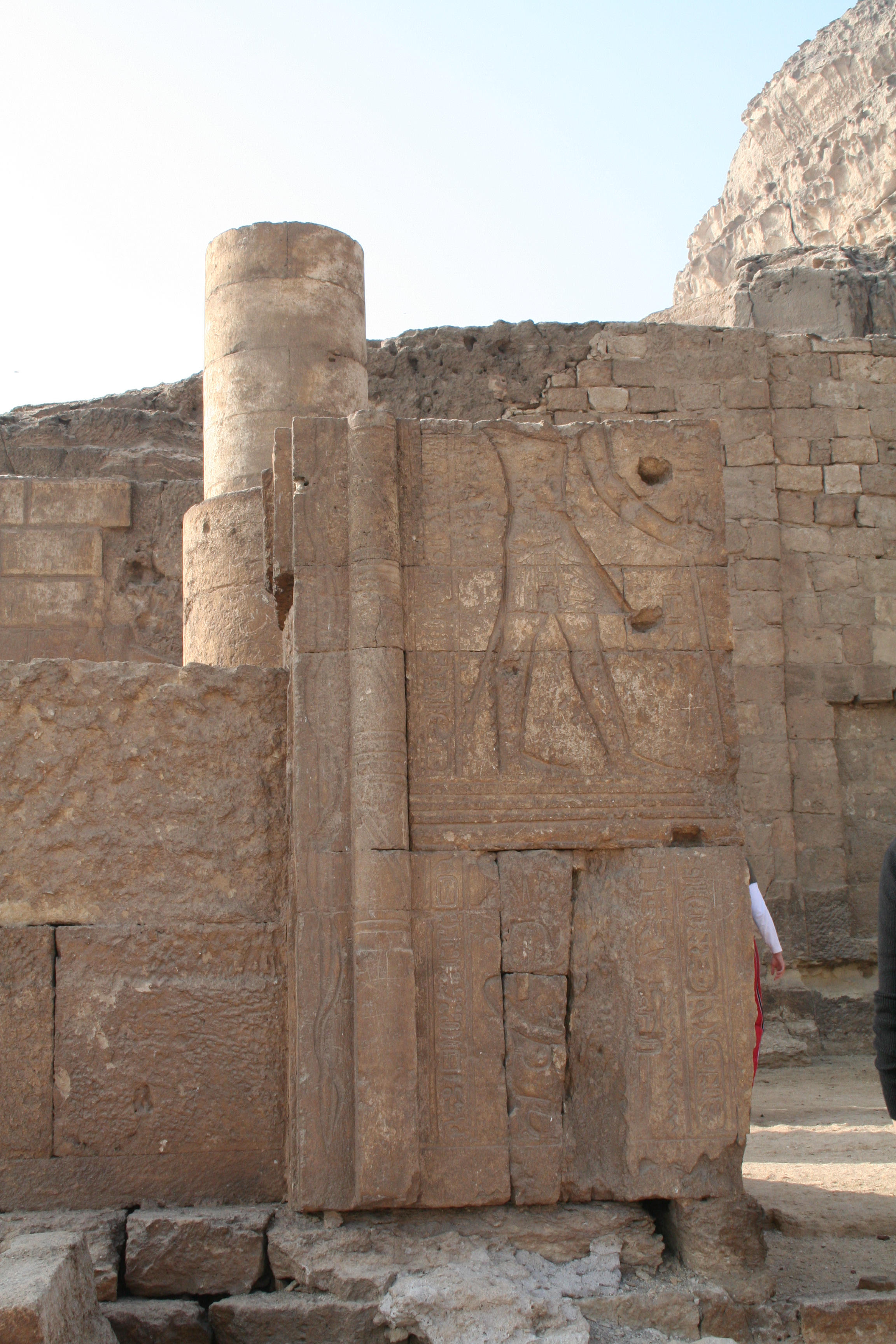
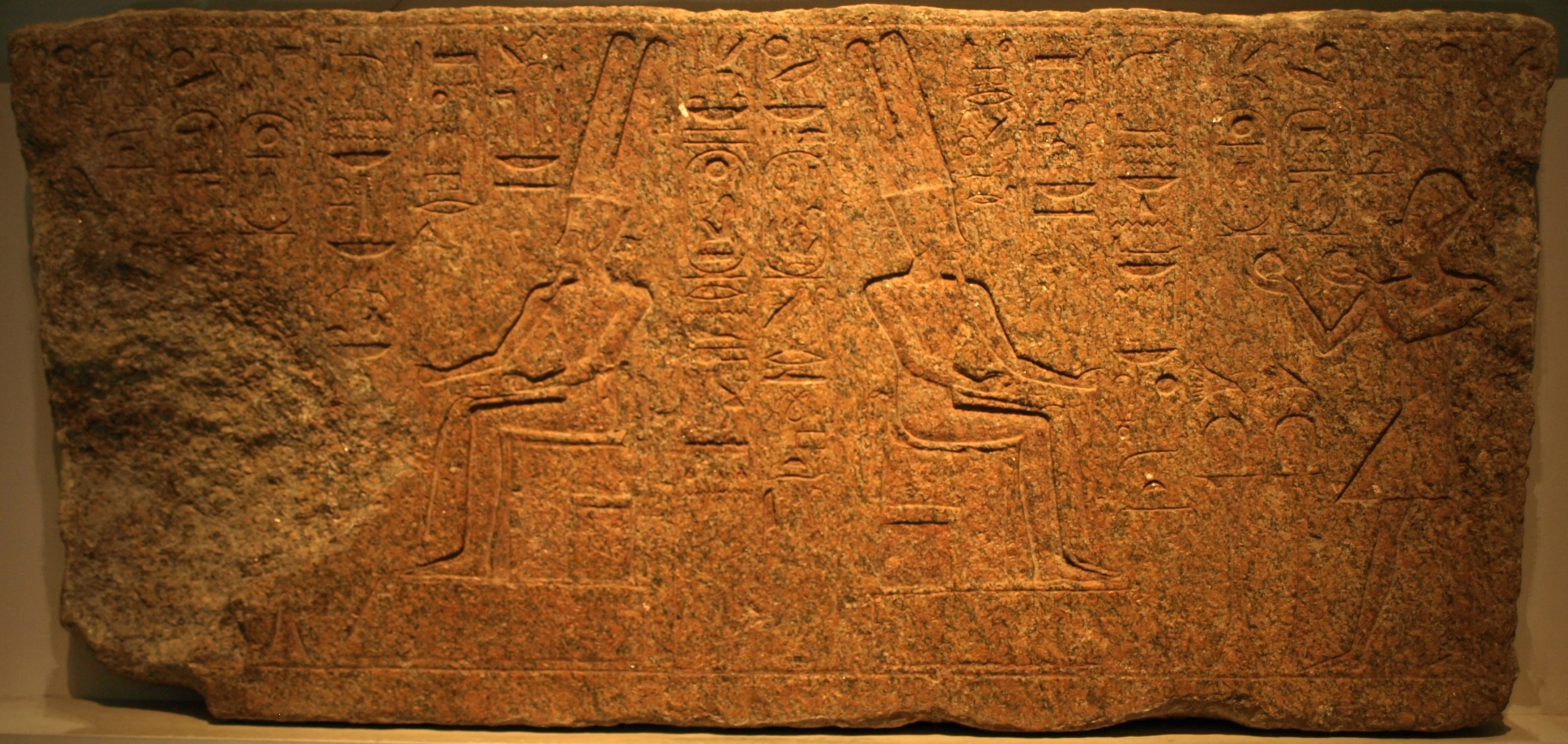
Akoris, known in ancient times as Mer-nefer(et) and later as Per-Imen-mat-khent(j), is an archaeological site located in modern-day Ṭihnā al-Ǧabal, Egypt. Situated on the east bank of the Nile, Akoris was a significant administrative center from the Old Kingdom through the Late Period of ancient Egypt. The site is renowned for its rock-cut tombs, known as the Fraser Tombs, dating back to the Old Kingdom. In the New Kingdom, a temple dedicated to the god Amun was established by Ramesses II, highlighting its religious significance. During the Greek and Roman periods, Akoris flourished as a prominent town. The site encompasses various archaeological features including temples, stelae, and a necropolis, reflecting its historical and cultural importance over millennia.
Gallery
Explore photographs of ancient structures, artifacts, and archaeological excavations
Historical Timeline
Journey through time and discover key events in this site's history
Old Kingdom Settlement
ca. 2686 BCE
New Kingdom Temple Establishment
ca. 1279 BCE
Greek-Roman Period
ca. 332 BCE, ca. 30 CE
Archaeological Features
Unique architectural and cultural elements found at this historical site
Defensive Structures
Burial and Funerary Structures
Industrial and Craft Structures
Religious and Ritual Structures
Domestic and Habitation Structures
Frequently Asked Questions
Plan Your Visit
Tours, travel arrangements, and practical information
More Sites in Egypt
Bubastis
Ancient Egyptian city with Bastet temple
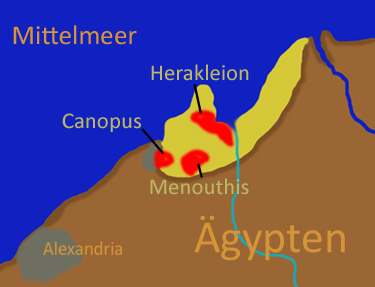
Canopus, Egypt
Submerged ancient Egyptian coastal town ruins

Leontopolis (Heliopolis)
Ancient city with fortifications and a temple.
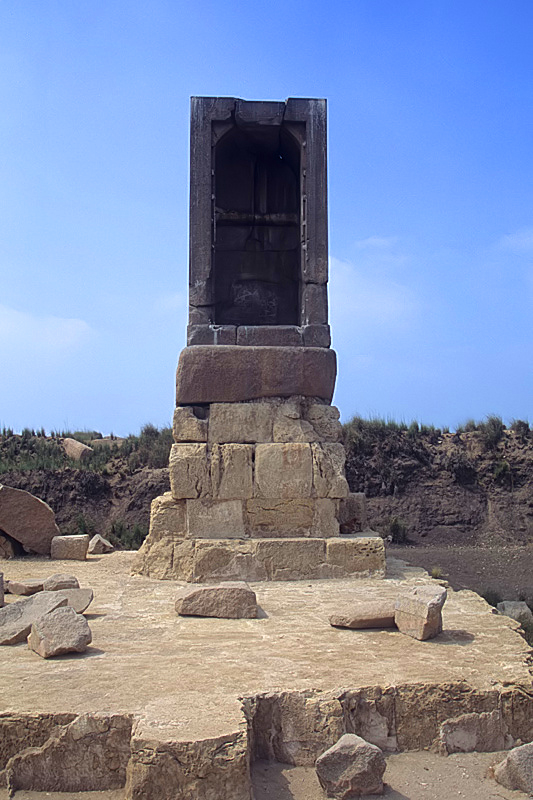
Mendes
Ancient city with significant religious structures.
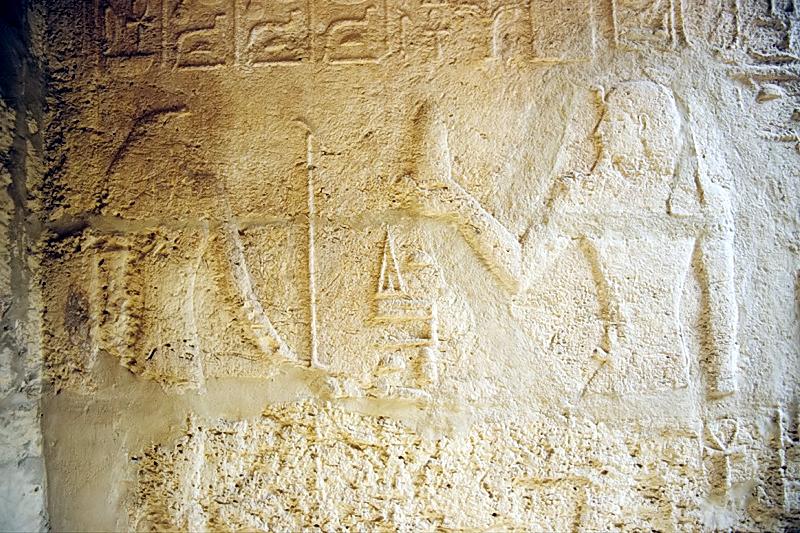
Medinet Madi
Greco-Roman town with Middle Kingdom temple
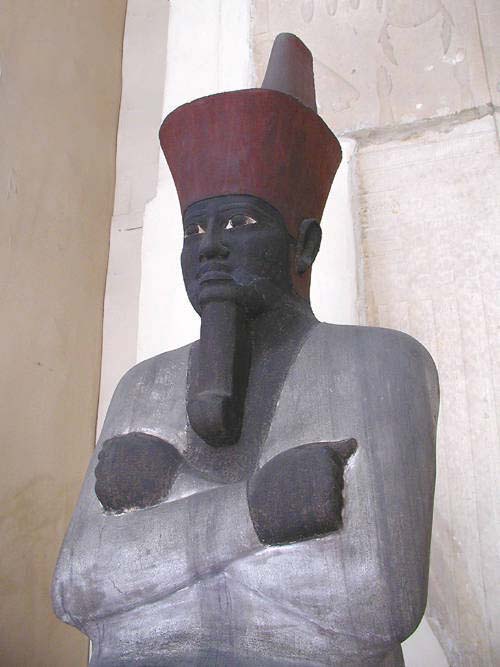
Thinis
Ancient Upper Egypt's undiscovered capital city.