

Explore the Map
Aswan
24.0889° N, 32.8997° E
About
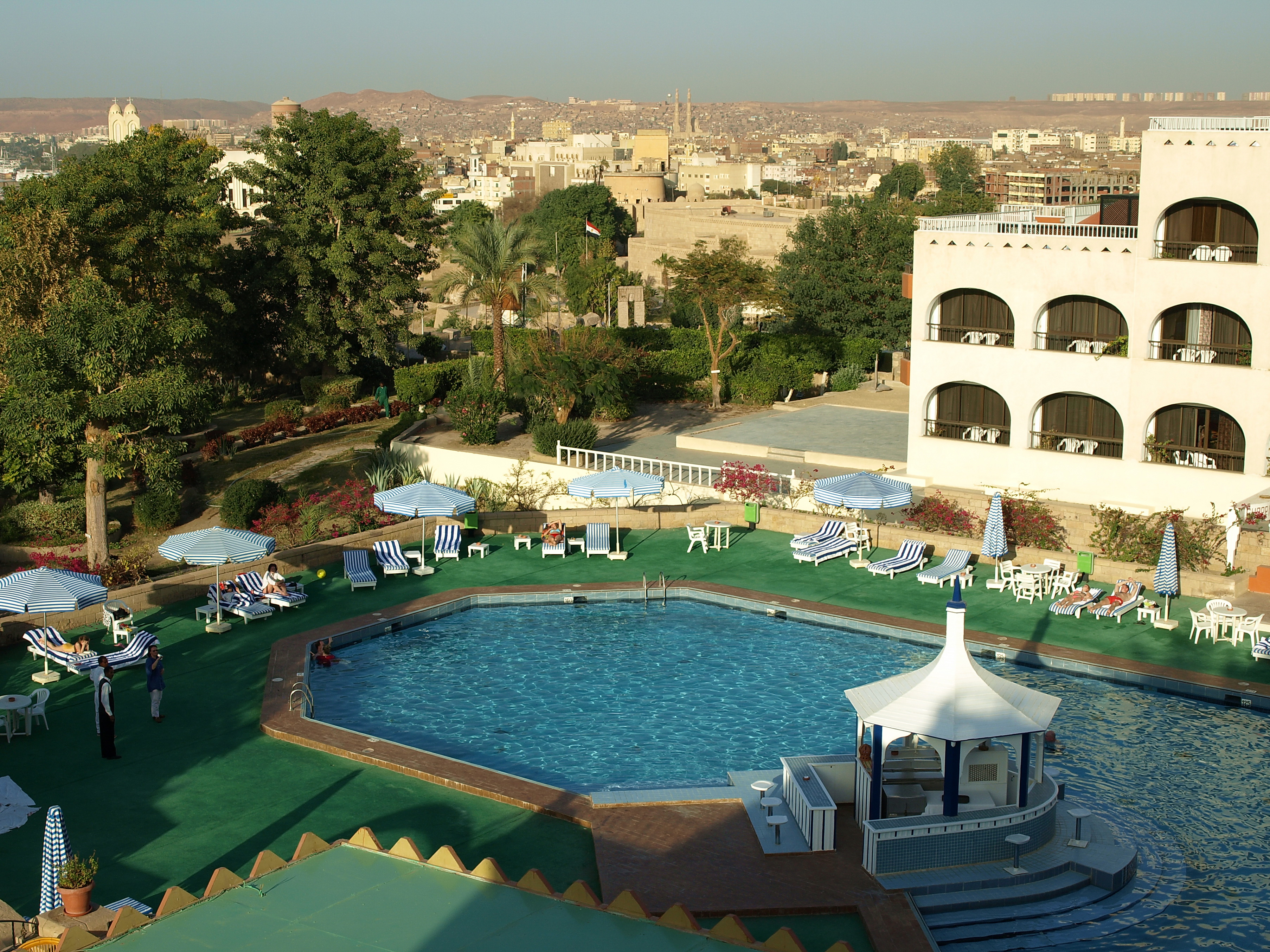
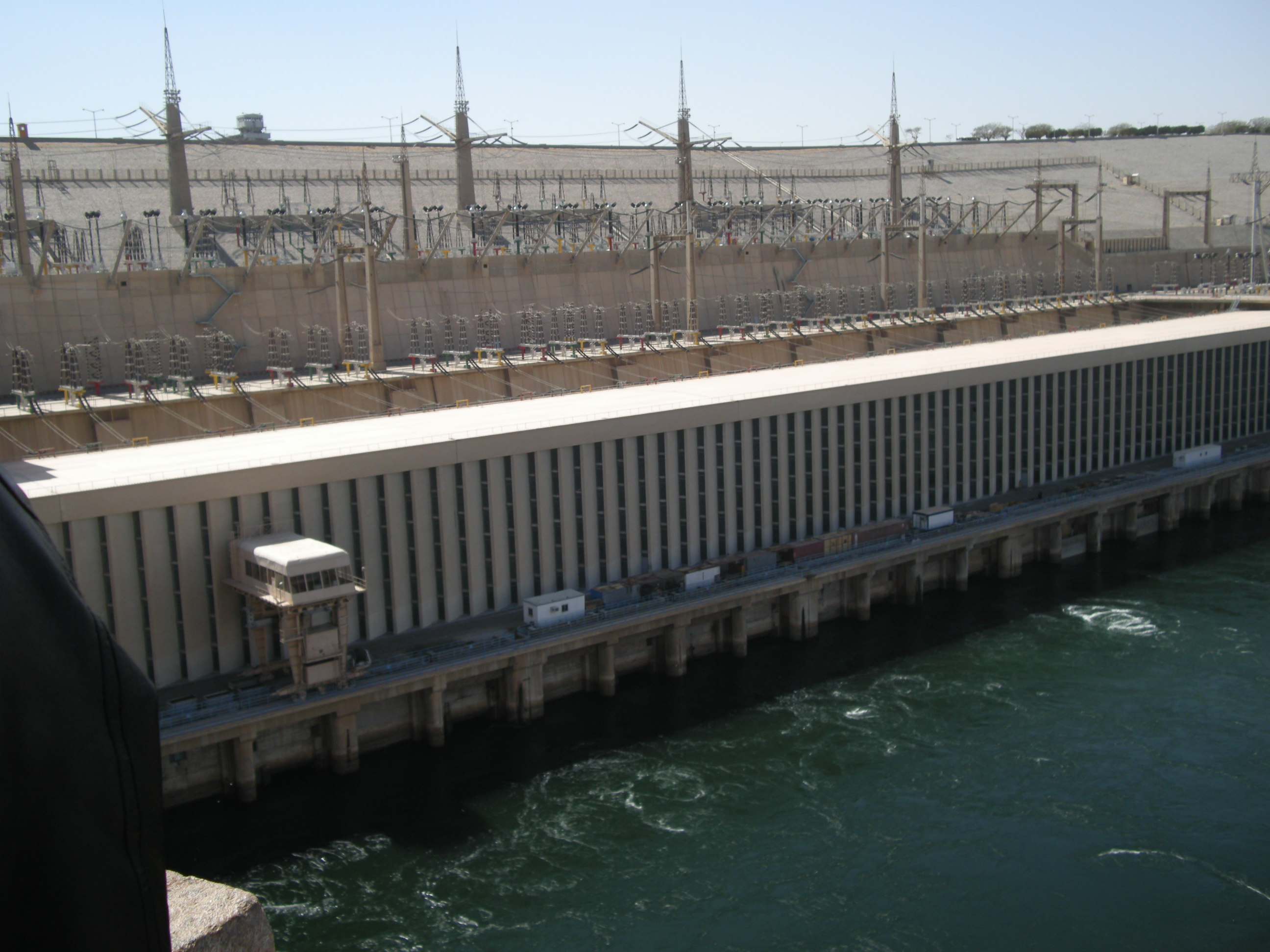
Aswan, historically known as Swenett, is a significant archaeological site located in Southern Egypt. It served as a major frontier town in ancient Egypt and was instrumental in trade and military operations. The city is renowned for its stone quarries, which provided the granitic rock syenite used in constructing many of Egypt's iconic monuments and obelisks. Aswan's strategic location near the Nile's first cataract made it a crucial point for navigation and commerce. Over time, the city saw the influence of Greek and Roman cultures, evident in its temples and religious associations. Aswan also played a role in early Christianity with the establishment of a Coptic diocese. Today, it holds archaeological treasures from various periods, providing insight into the evolution of ancient Egyptian civilization.
Gallery
Explore photographs of ancient structures, artifacts, and archaeological excavations
Historical Timeline
Journey through time and discover key events in this site's history
Ancient Egyptian Frontier Town
3rd millennium BCE
Greek and Roman Era
500 BCE
Ptolemaic and Roman Structures
3rd century BCE
Coptic Diocese Established
4th century CE
Archaeological Features
Unique architectural and cultural elements found at this historical site
Defensive Structures
Water Management Features
Burial and Funerary Structures
Religious and Ritual Structures
Artistic and Decorative Features
Domestic and Habitation Structures
Transportation and Communication Structures
Plan Your Visit
Tours, travel arrangements, and practical information


More Sites in Egypt
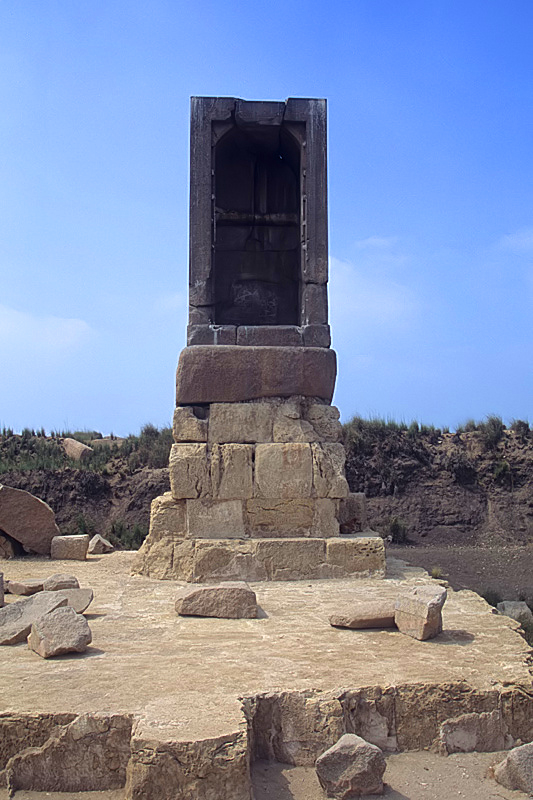
Mendes
Ancient city with significant religious structures.
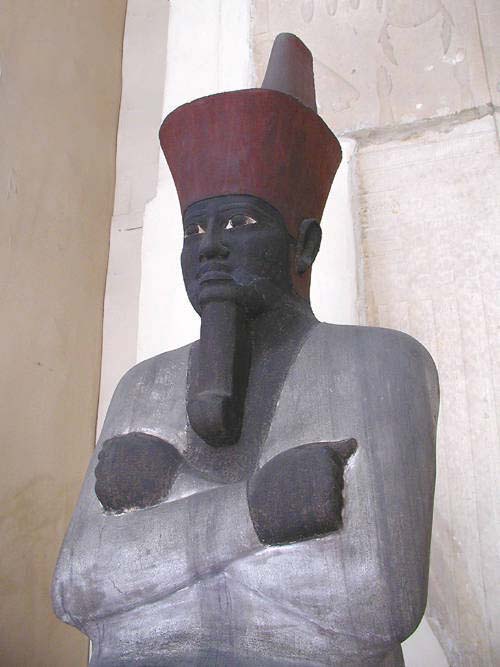
Thinis
Ancient Upper Egypt's undiscovered capital city.
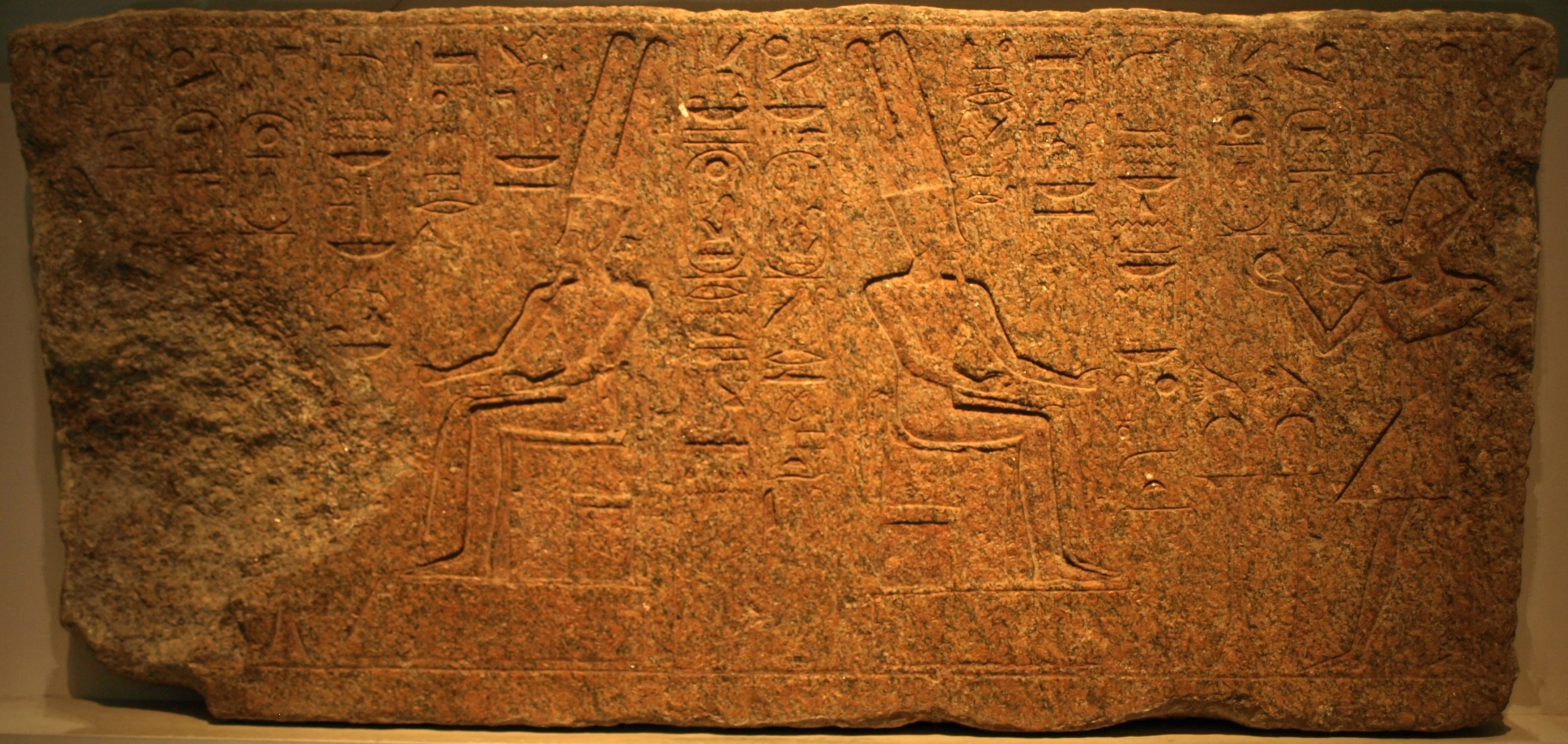
Bubastis
Ancient Egyptian city with Bastet temple

Leontopolis (Heliopolis)
Ancient city with fortifications and a temple.
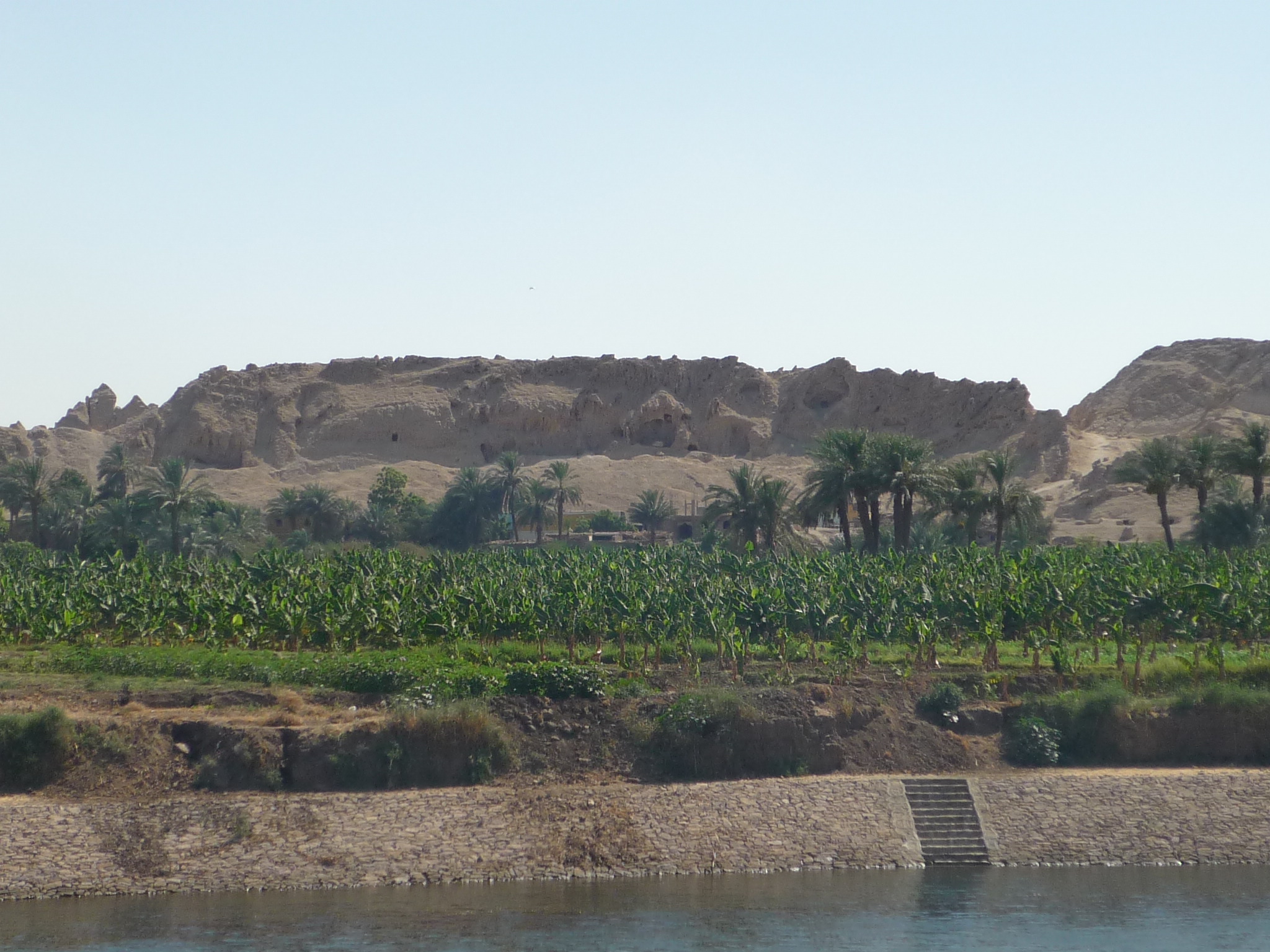
Gebelein
Archaeological site with mummies and temple ruins
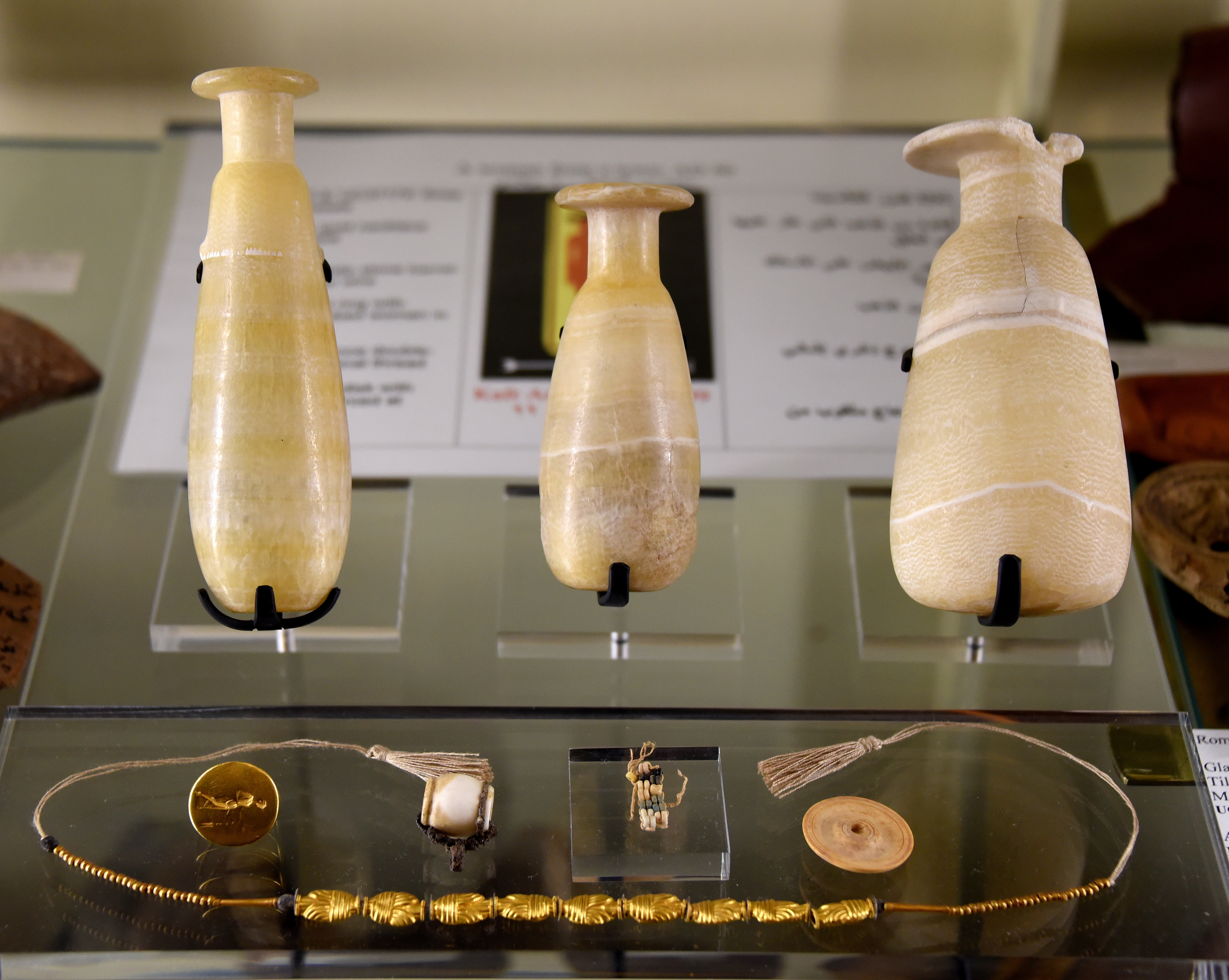
Tarkhan (Egypt)
Ancient Egyptian necropolis with mastabas and tombs.