
Explore the Map
Bigeh
24.0210° N, 32.8850° E
About
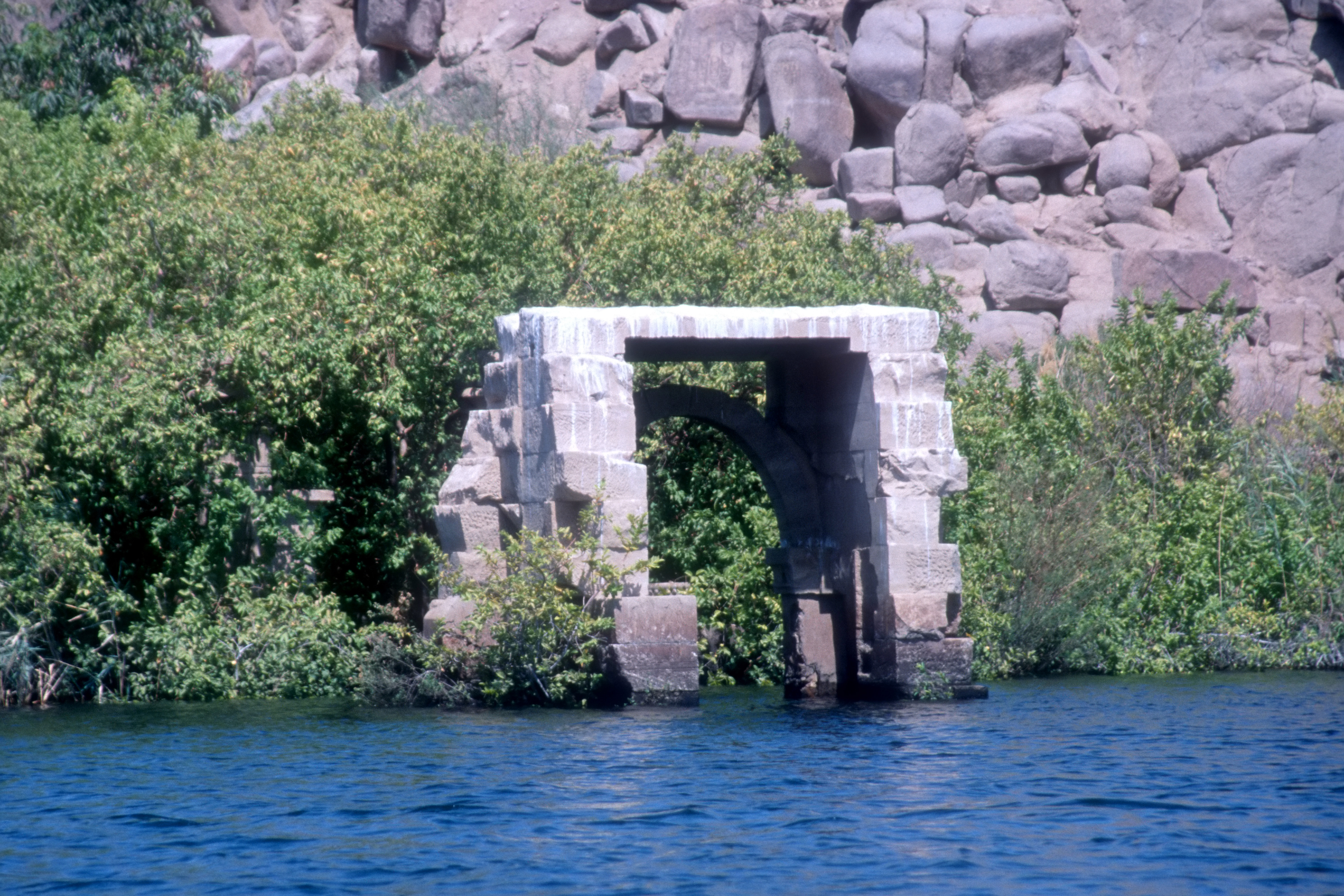
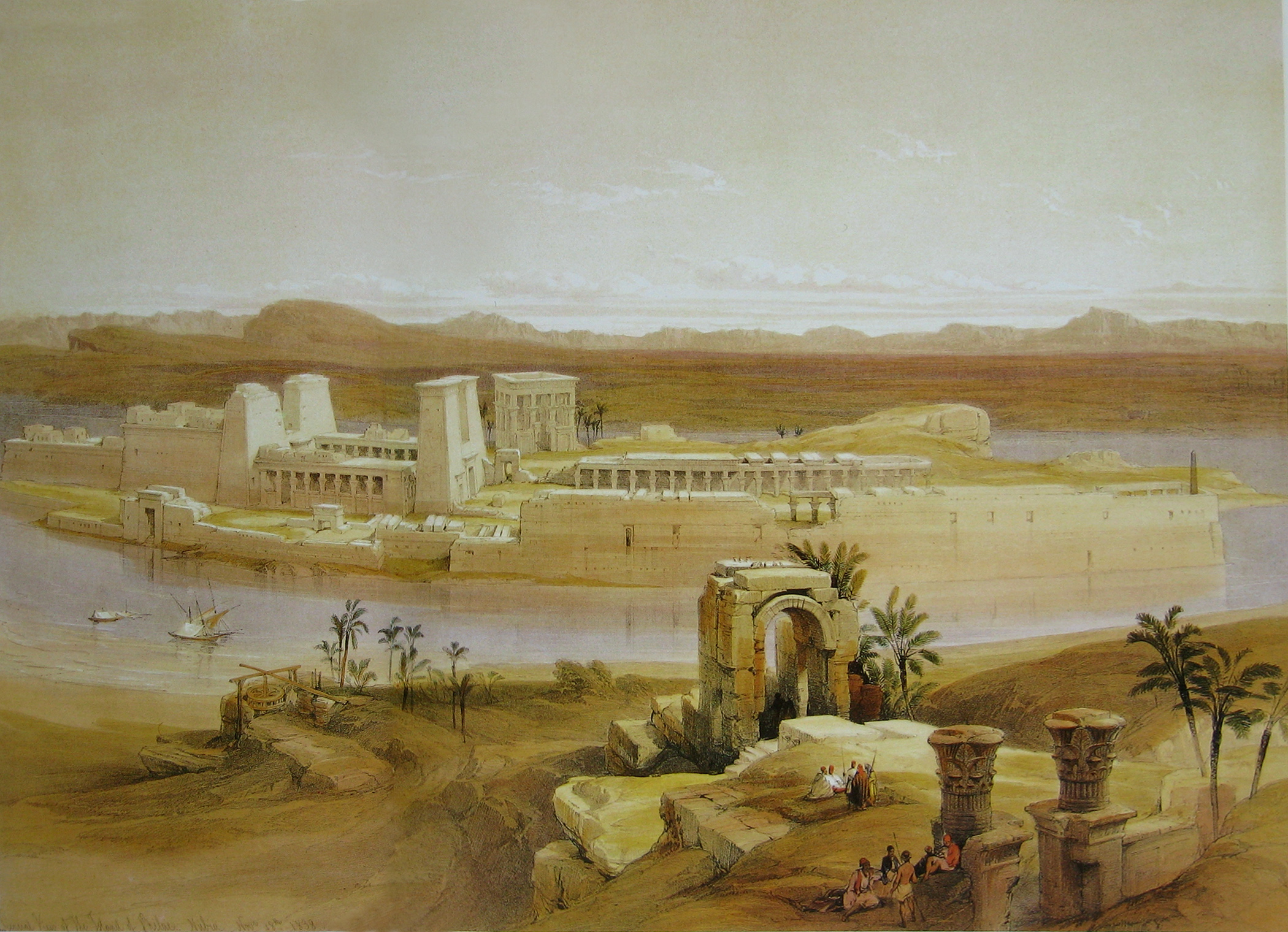
Bigeh Island, located in the Nile River within the Aswan Governorate of southern Egypt, is an important archaeological site with deep historical and religious significance. Historically positioned at the First Cataract, the island played a strategic role in controlling access to Upper Egypt and Nubia. It was sacred to the ancient Egyptians, who believed Osiris was buried there. A temple known as Abaton, where only priests were allowed, was dedicated to Osiris, marking it as a significant religious site. The island's sacred nature is further emphasized by references from Seneca and Lucan, and by the visit of an embassy from the Kingdom of Kush in the 3rd century CE. The site's integration into the reservoir of the Old Aswan Dam has preserved its unique archaeological and historical context.
Gallery
Explore photographs of ancient structures, artifacts, and archaeological excavations
Historical Timeline
Journey through time and discover key events in this site's history
Temple of Osiris
1st century BCE
Kushite Embassy Visit
3rd century CE
Archaeological Features
Unique architectural and cultural elements found at this historical site
Water Management Features
Religious and Ritual Structures
Frequently Asked Questions
Plan Your Visit
Tours, travel arrangements, and practical information
Recommended Tours

More Sites in Egypt
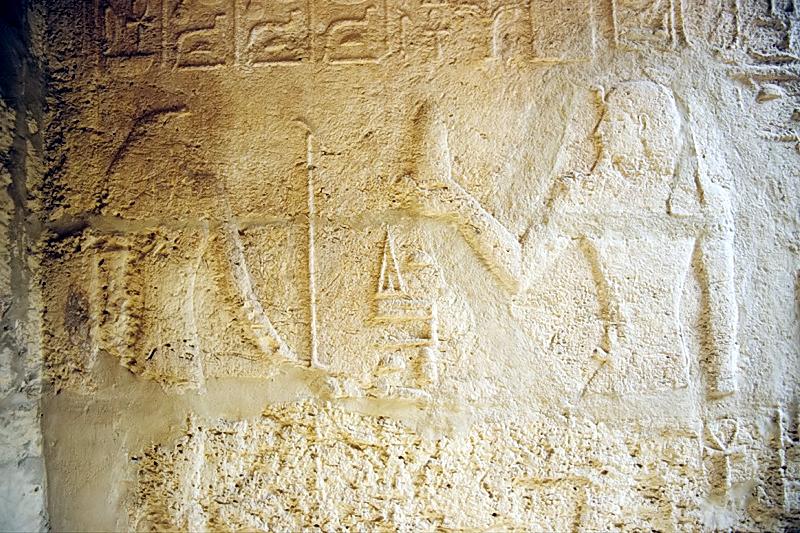
Medinet Madi
Greco-Roman town with Middle Kingdom temple
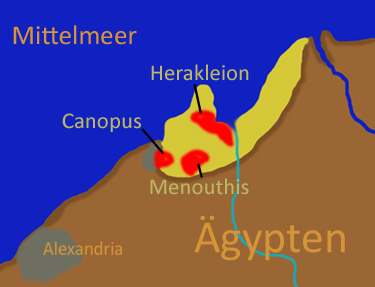
Canopus, Egypt
Submerged ancient Egyptian coastal town ruins
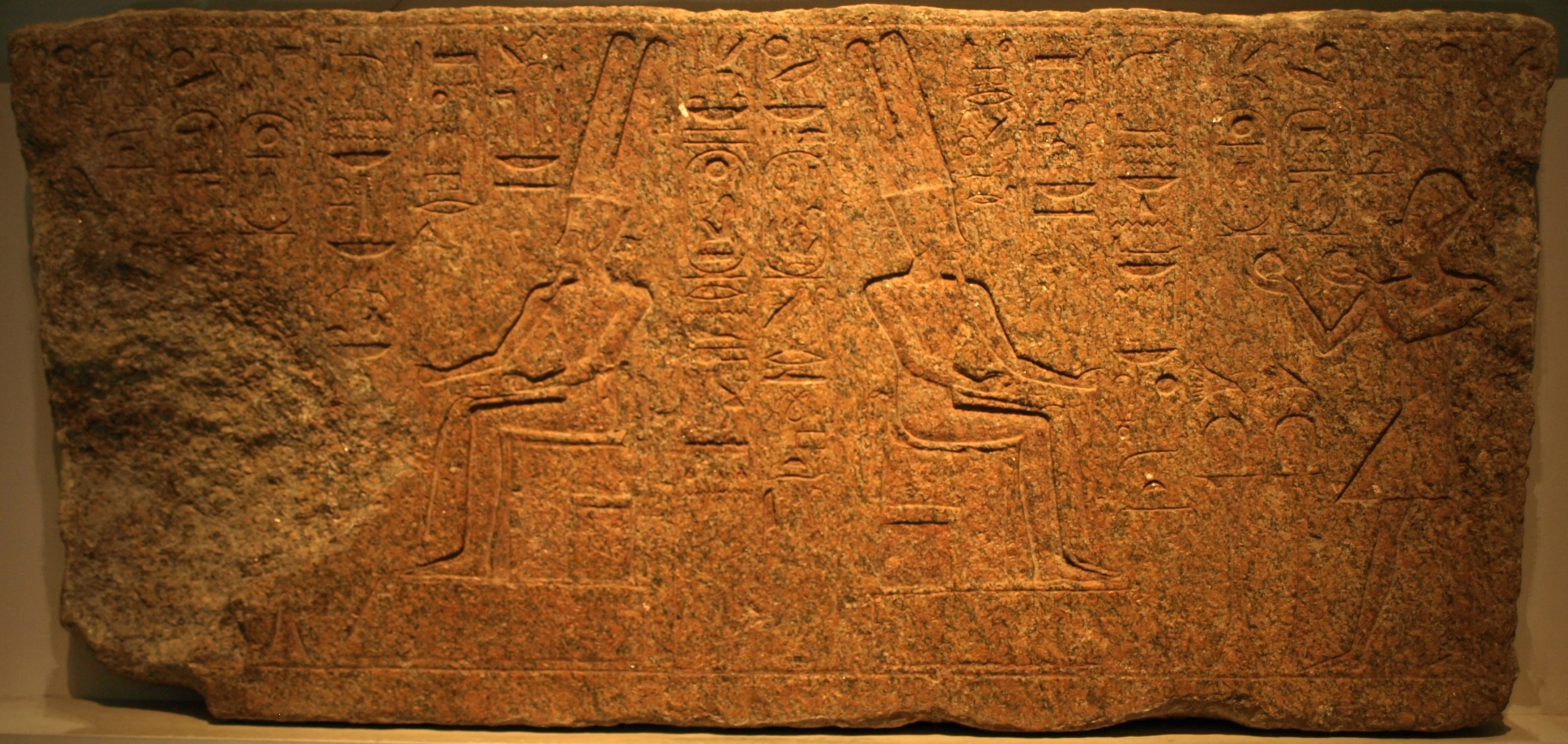
Bubastis
Ancient Egyptian city with Bastet temple
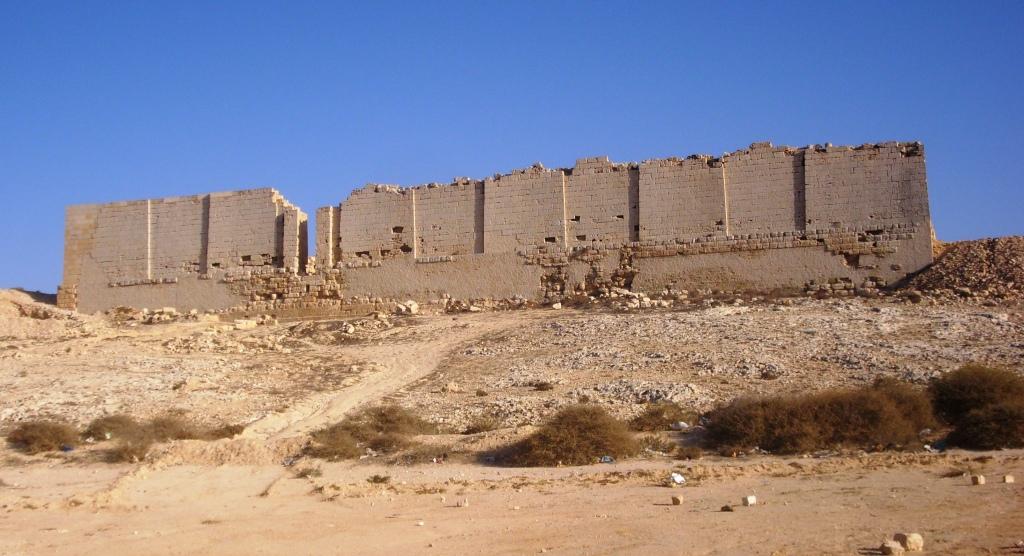
Taposiris Magna
Ancient city with temple and tombs
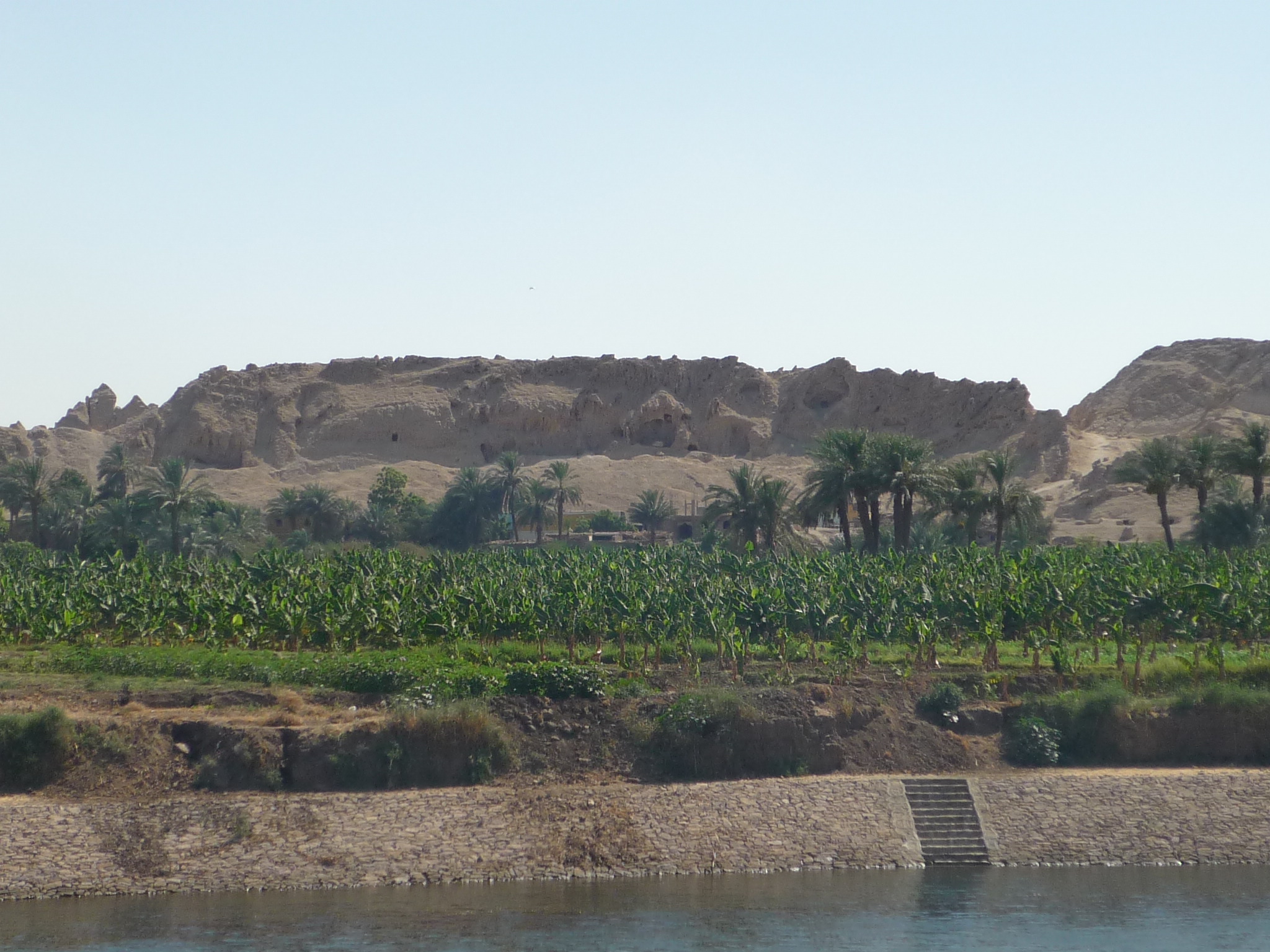
Gebelein
Archaeological site with mummies and temple ruins
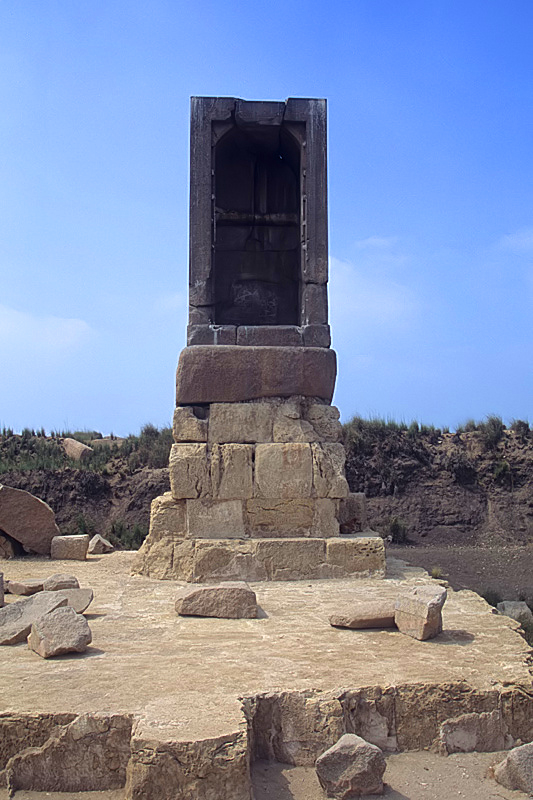
Mendes
Ancient city with significant religious structures.