
Explore the Map
Catacombs of Kom El Shoqafa
31.1786° N, 29.8930° E
About
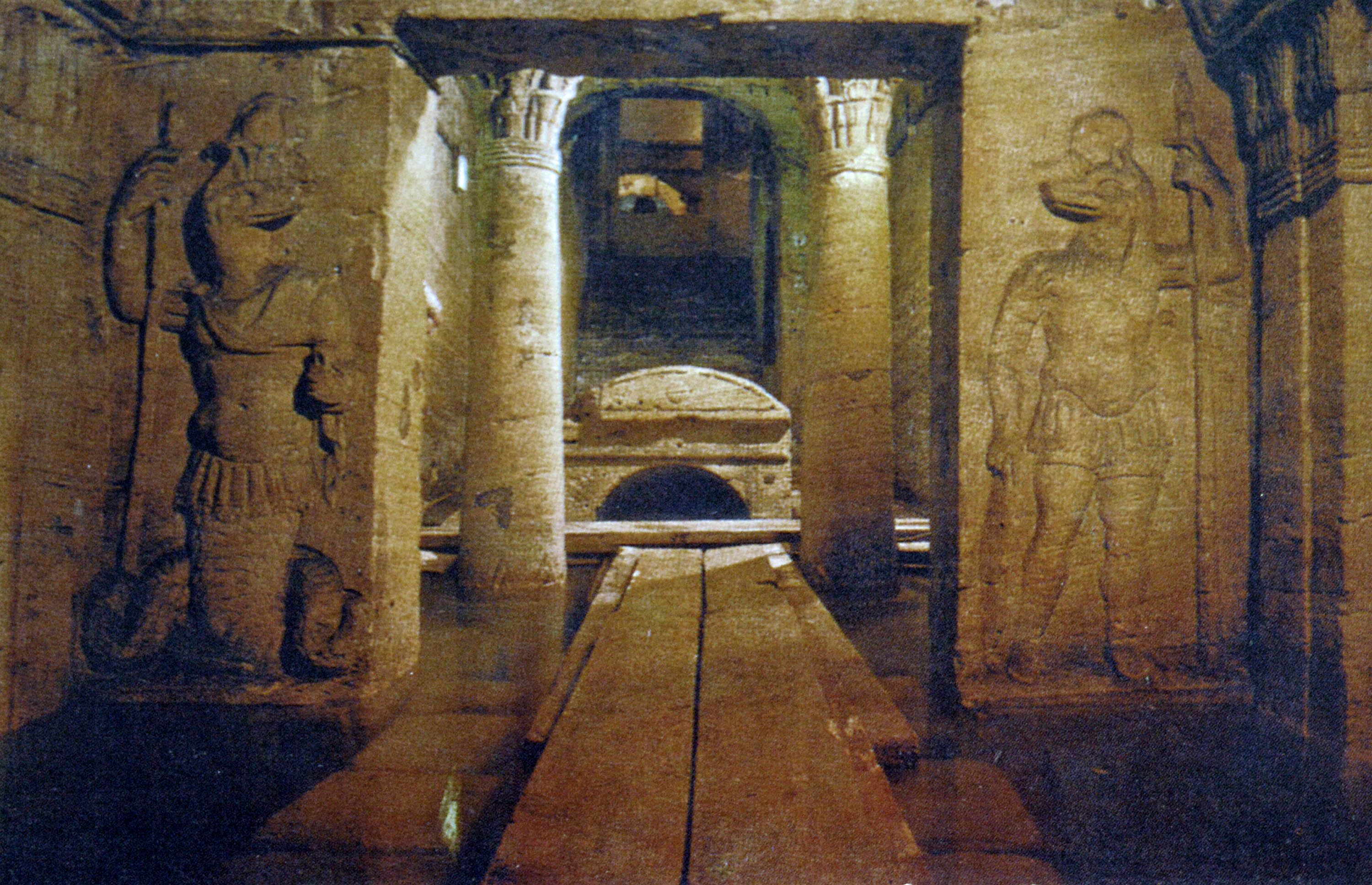
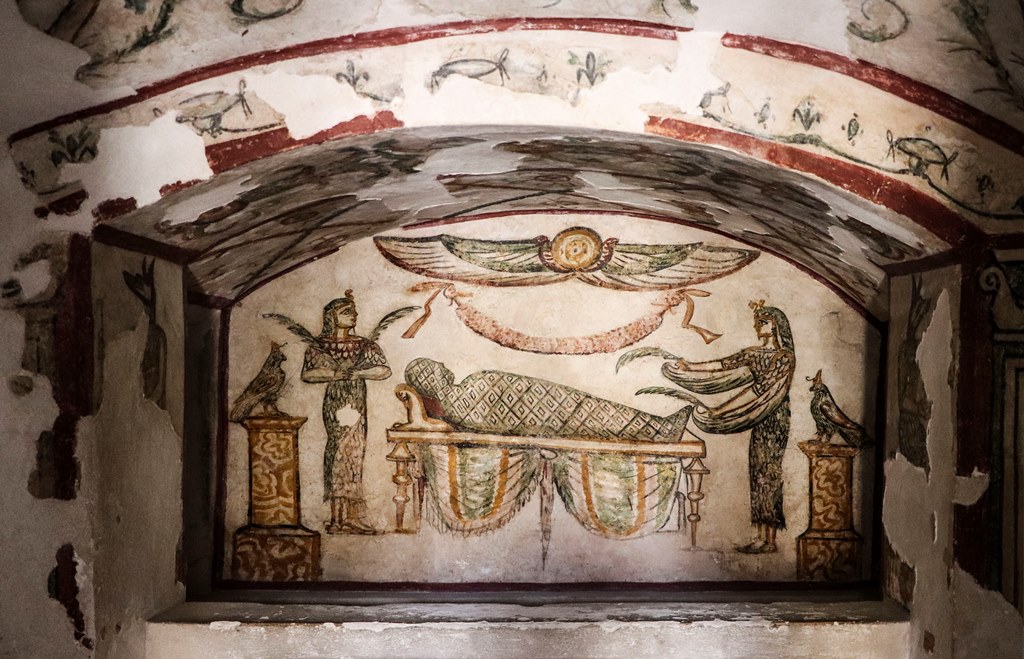
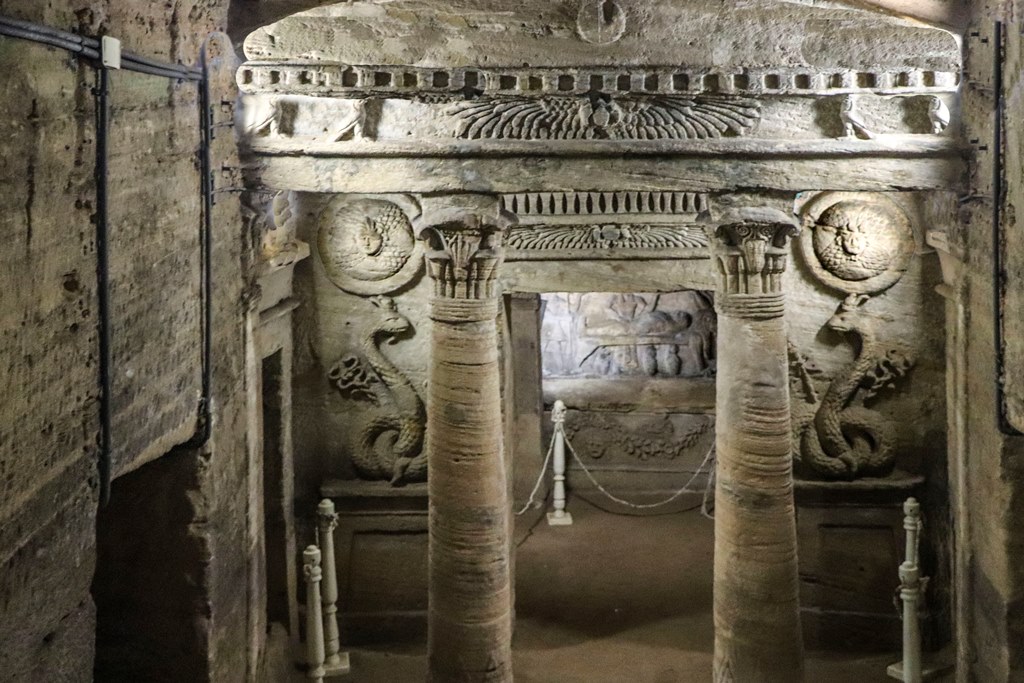
The Catacombs of Kom El Shoqafa in Alexandria, Egypt, represent a unique fusion of Egyptian, Greek, and Roman cultural influences. Built during the 2nd century CE under the Antonine emperors, this necropolis is a significant archaeological site that served as a burial chamber until the 4th century CE. The catacombs feature remarkable artistic elements, including Egyptian-style statues with Roman attire, and reliefs depicting mythological scenes. The site includes three levels of tombs carved into solid rock, with non-removable stone sarcophagi suggesting a sophisticated burial practice. Notably, the Hall of Caracalla was constructed to house the remains of Emperor Caracalla's horses in 215 CE. The catacombs' intricate blend of cultural art and architecture highlights the diverse historical influences in the region, making it a notable wonder of the Middle Ages.
Gallery
Explore photographs of ancient structures, artifacts, and archaeological excavations
Historical Timeline
Journey through time and discover key events in this site's history
Use as burial chamber
2nd century CE
Construction of catacombs
2nd century CE
Hall of Caracalla
215 CE
Archaeological Features
Unique architectural and cultural elements found at this historical site
Burial and Funerary Structures
Artistic and Decorative Features
Frequently Asked Questions
Plan Your Visit
Tours, travel arrangements, and practical information


More Sites in Egypt
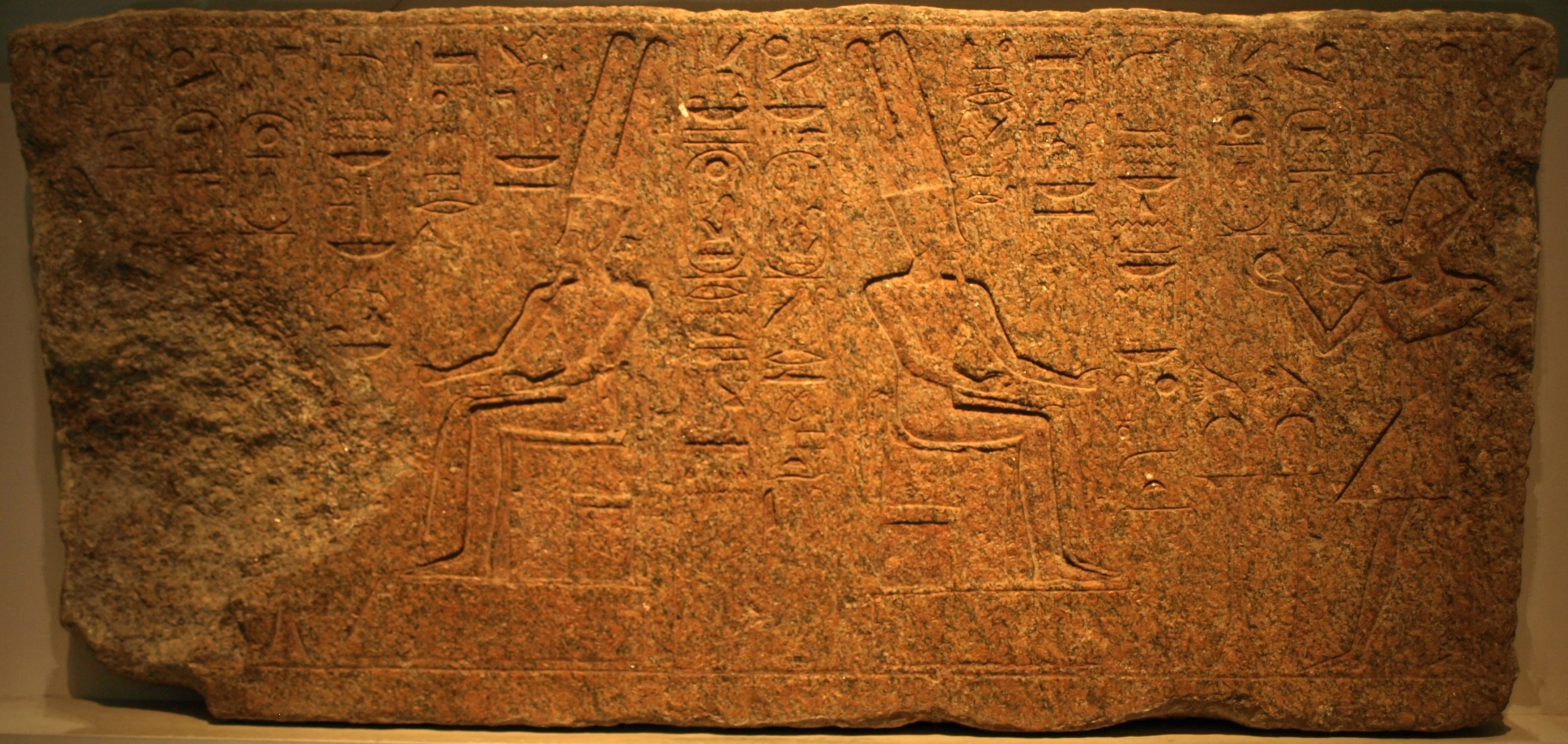
Bubastis
Ancient Egyptian city with Bastet temple

Leontopolis (Heliopolis)
Ancient city with fortifications and a temple.
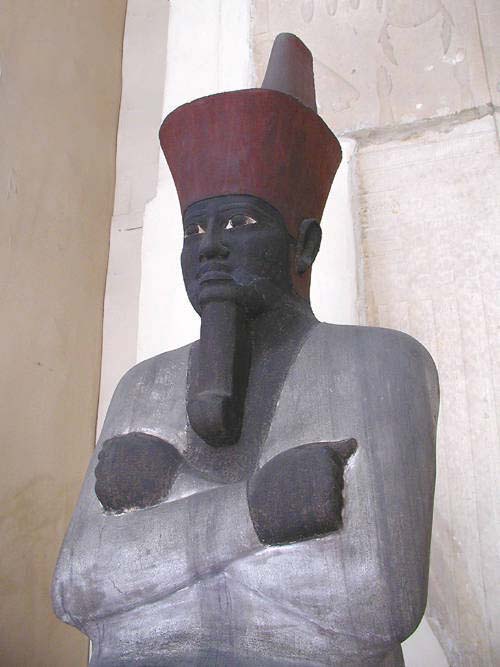
Thinis
Ancient Upper Egypt's undiscovered capital city.
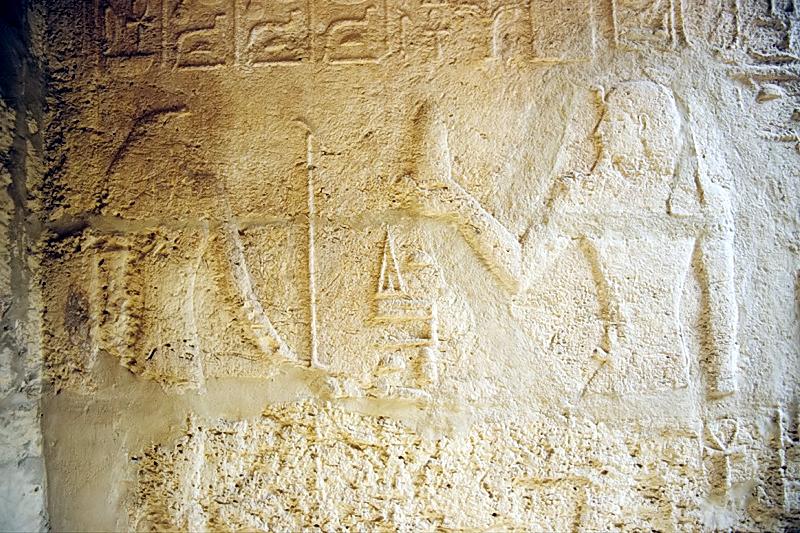
Medinet Madi
Greco-Roman town with Middle Kingdom temple
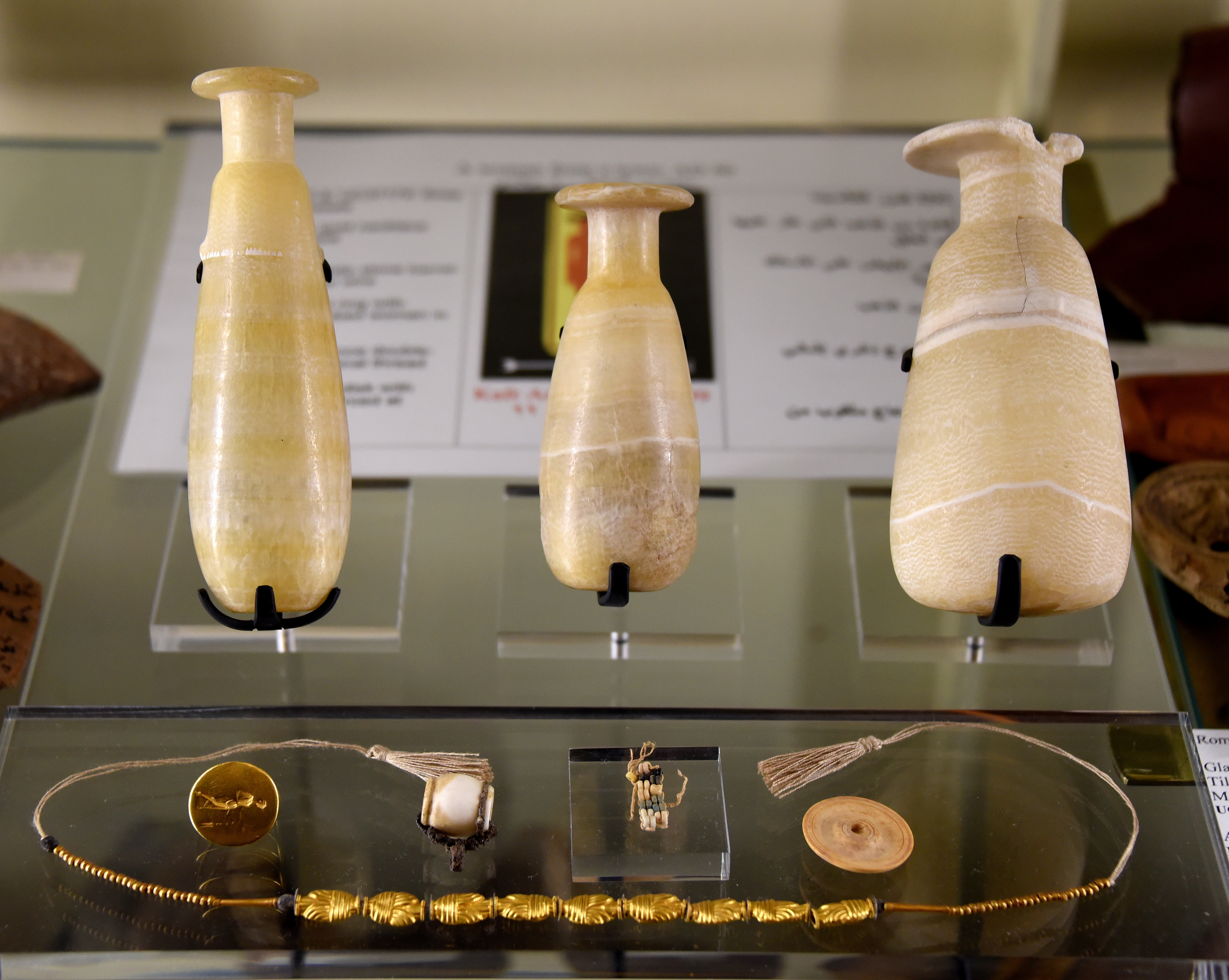
Tarkhan (Egypt)
Ancient Egyptian necropolis with mastabas and tombs.
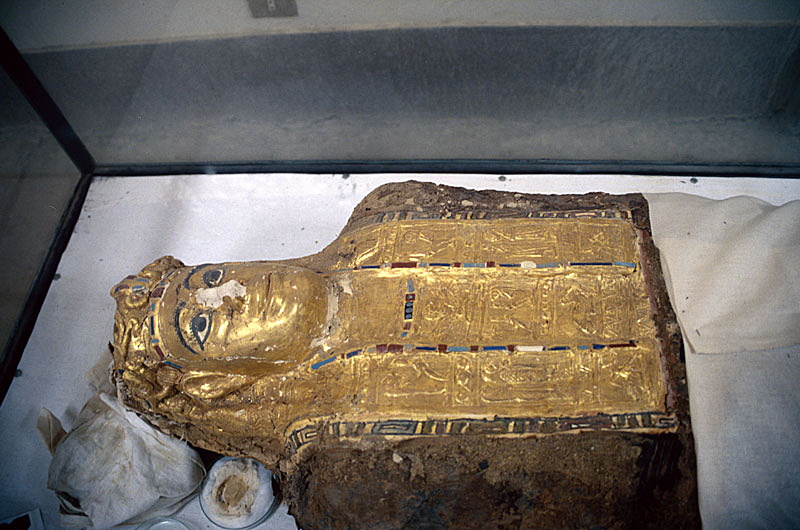
Valley of the Golden Mummies
Greco-Roman burial site with decorated mummies