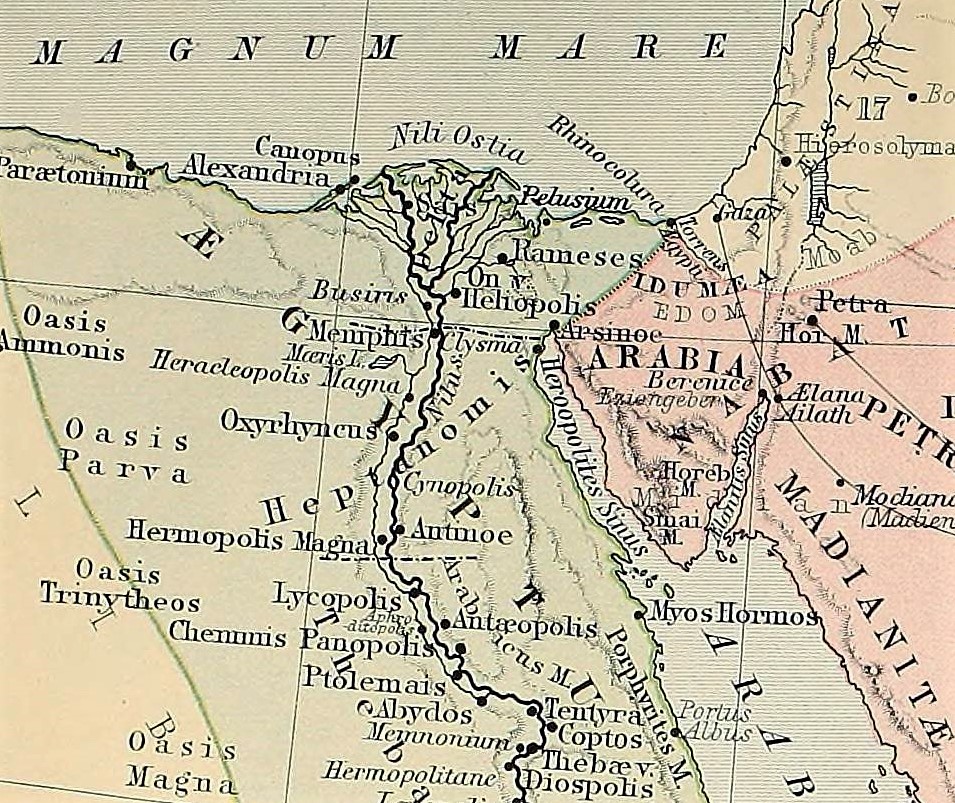
Explore the Map
Cynopolis
28.4833° N, 30.7833° E
About
Cynopolis, comprising two ancient Egyptian cities, was significant for its role in the worship of the canine deity Anubis. Situated in Upper Egypt, Cynopolis Superior was known for its temple dedicated to Anubis, while Cynopolis Inferior lay in Lower Egypt's Busirite nome. These cities were notable for their religious importance, with Cynopolis Superior even featuring a burial ground for dogs, highlighting the cultural significance of animals in ancient Egyptian religion. In the 11th century BCE, Cynopolis Superior faced destruction at the hands of Nubia's viceroy, Pinehesy, under Ramses XI's reign. Both cities later evolved into Christian bishoprics, underscoring their continued prominence through the Classical and Post-Classical periods. Today, the remnants of these sites offer valuable insights into the religious and cultural dynamics of ancient Egypt.
Gallery
Explore photographs of ancient structures, artifacts, and archaeological excavations
Historical Timeline
Journey through time and discover key events in this site's history
Cult of Anubis
1,600 BCE – 1,200 BCE
Destruction by Pinehesy
1,070 BCE
Christian Bishopric
300 CE
Archaeological Features
Unique architectural and cultural elements found at this historical site
Burial and Funerary Structures
Religious and Ritual Structures
Domestic and Habitation Structures
Frequently Asked Questions
Plan Your Visit
Tours, travel arrangements, and practical information
More Sites in Egypt
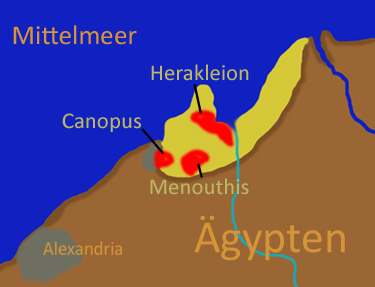
Canopus, Egypt
Submerged ancient Egyptian coastal town ruins
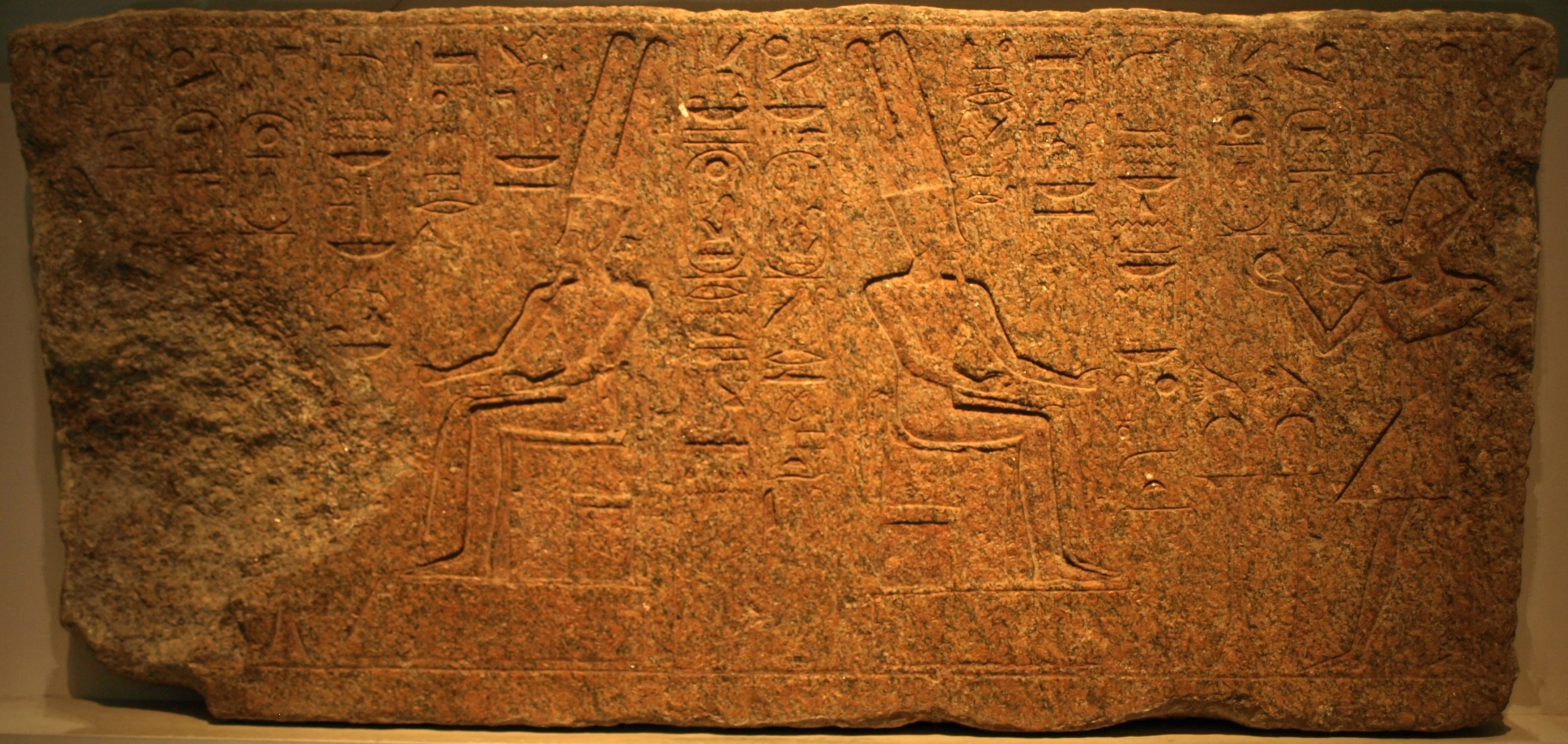
Bubastis
Ancient Egyptian city with Bastet temple
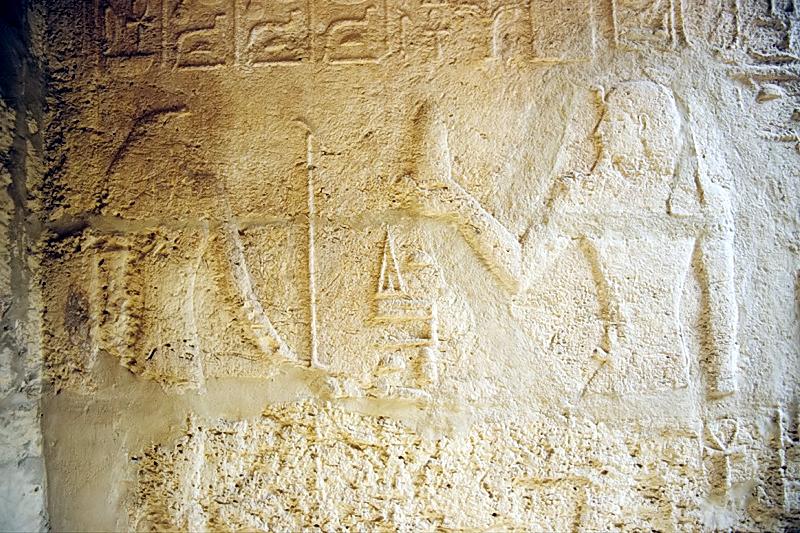
Medinet Madi
Greco-Roman town with Middle Kingdom temple
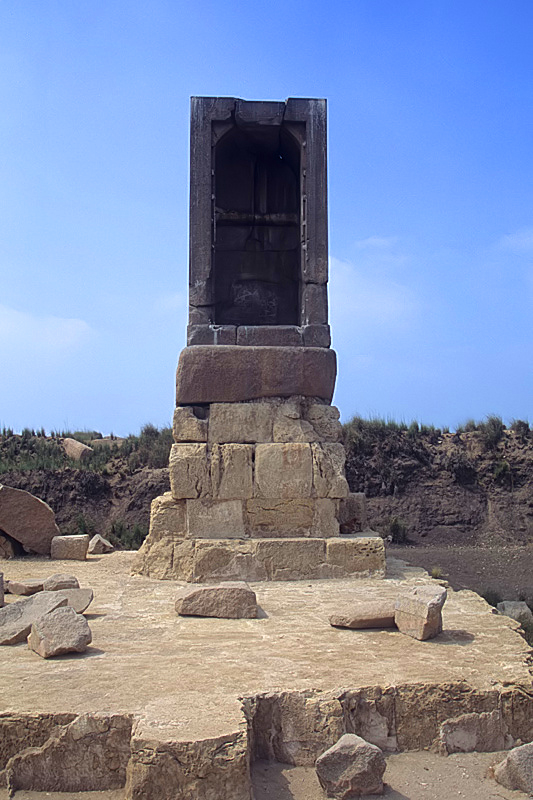
Mendes
Ancient city with significant religious structures.

Leontopolis (Heliopolis)
Ancient city with fortifications and a temple.
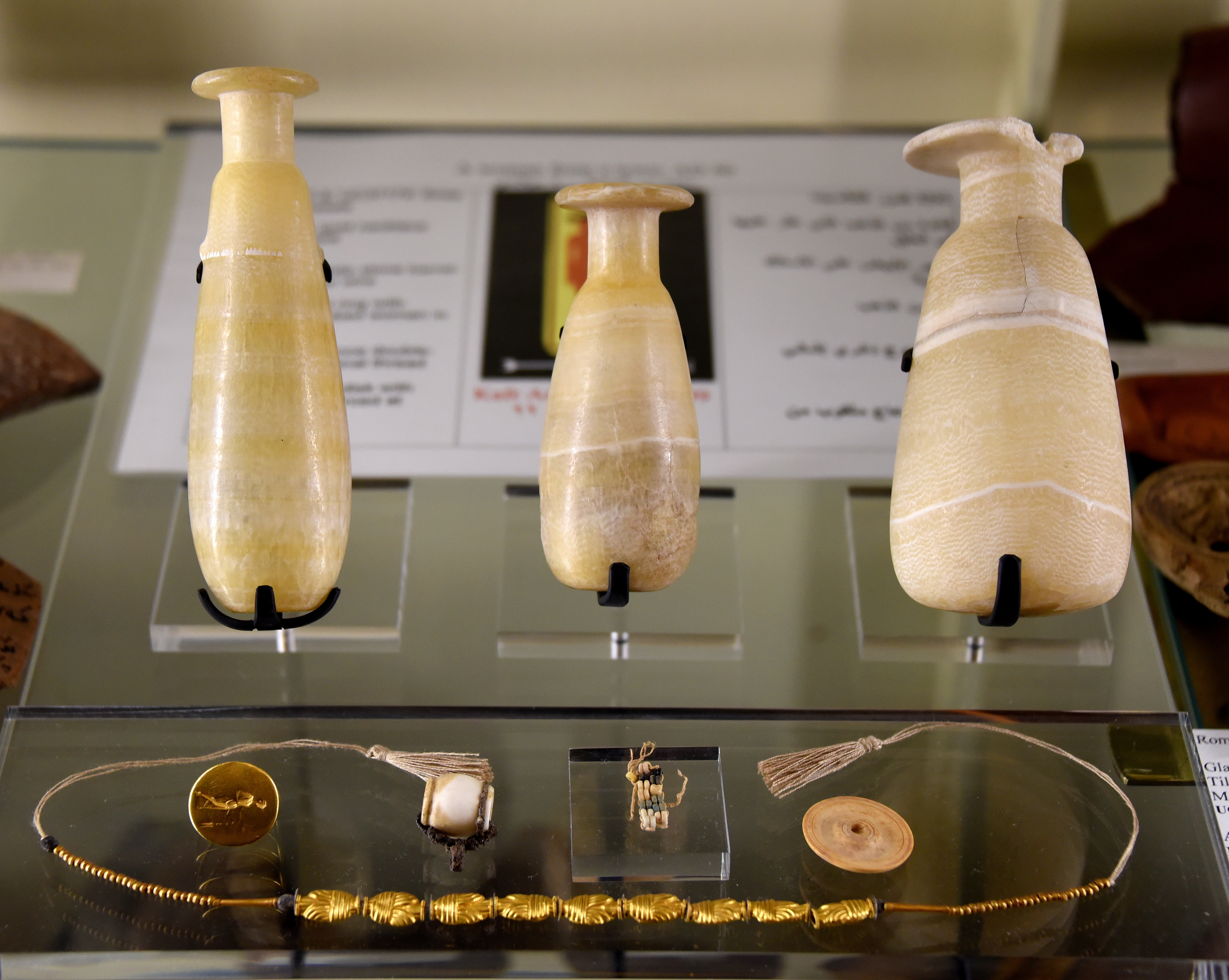
Tarkhan (Egypt)
Ancient Egyptian necropolis with mastabas and tombs.