Explore the Map
Hermopolis
27.7814° N, 30.8039° E
About
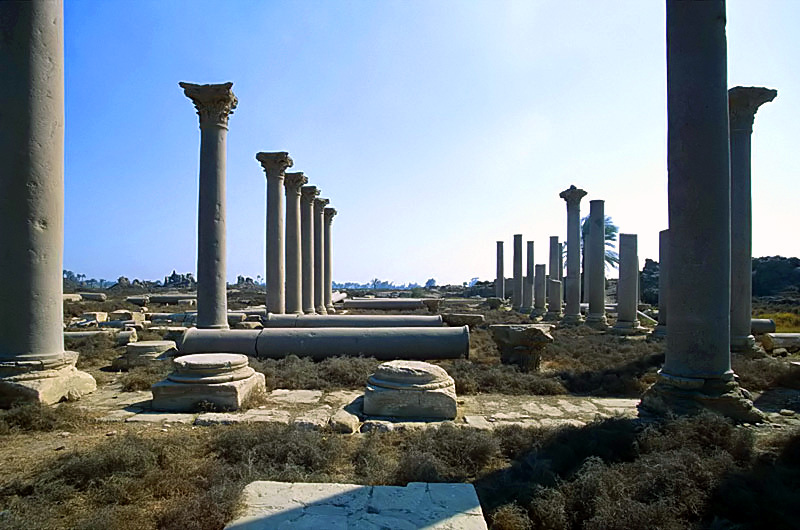
Hermopolis, historically known as Khemenu, was an ancient city located at the boundary between Lower and Upper Egypt. It served as a provincial capital since the Old Kingdom and was a significant urban center by the Roman period. The city was a hub of religious activity, housing temples dedicated to Thoth, the Egyptian god of wisdom, and later became an early Christian center. The archaeological remains include a grand temple portico and a 5th-century Coptic basilica. Hermopolis was abandoned after the Muslim conquest in the 7th century CE, but the site's ruins, including cemeteries and a basilica, offer insights into its historical and religious significance over millennia.
Gallery
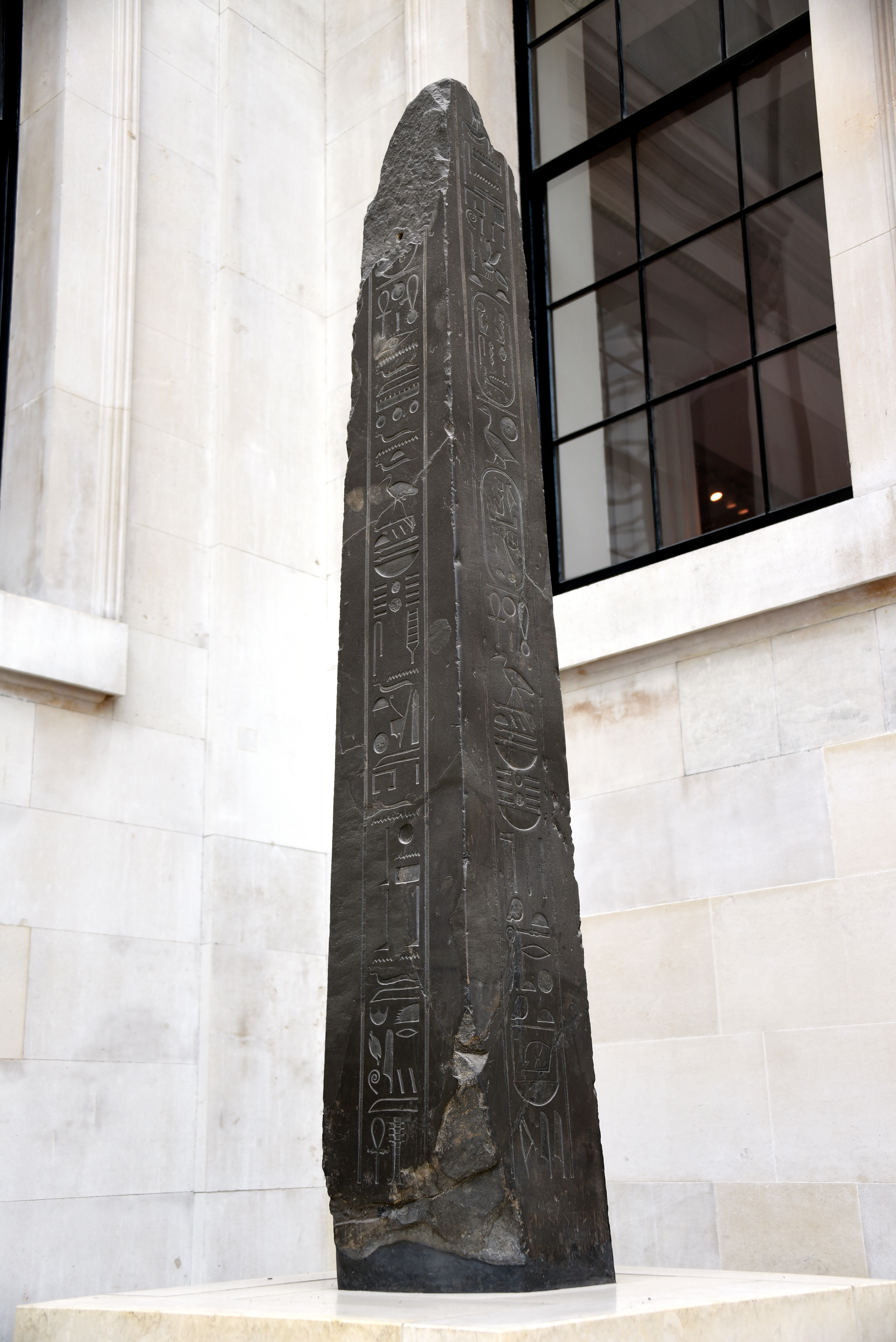
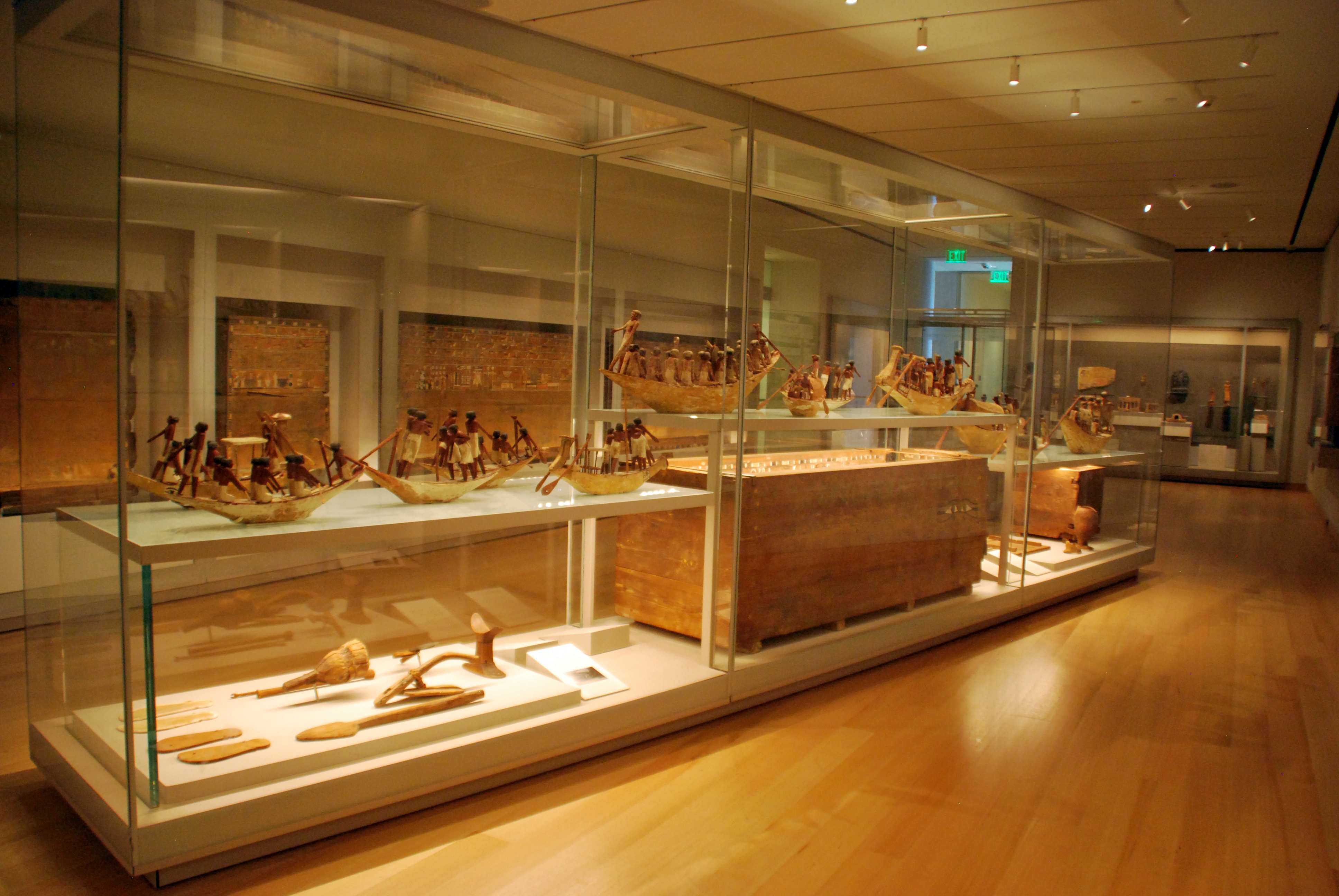
Explore photographs of ancient structures, artifacts, and archaeological excavations
Historical Timeline
Journey through time and discover key events in this site's history
Old Kingdom Capital
2600 BCE
Roman City Development
1st century CE
Early Christian Center
3rd century CE
5th Century Coptic Basilica
5th century CE
Muslim Conquest Abandonment
7th century CE
Archaeological Features
Unique architectural and cultural elements found at this historical site
Burial and Funerary Structures
Religious and Ritual Structures
Domestic and Habitation Structures
Frequently Asked Questions
Plan Your Visit
Tours, travel arrangements, and practical information
More Sites in Egypt
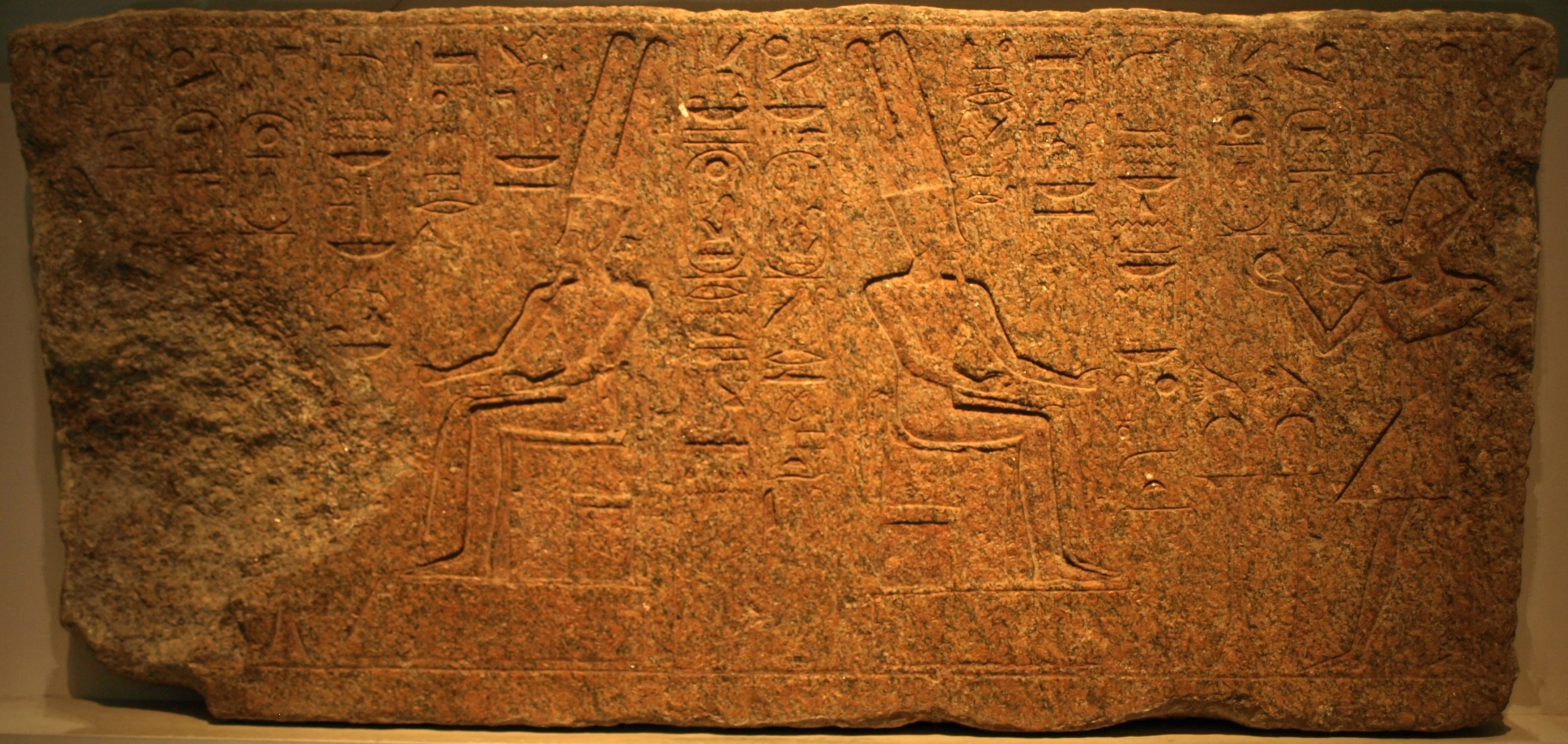
Bubastis
Ancient Egyptian city with Bastet temple
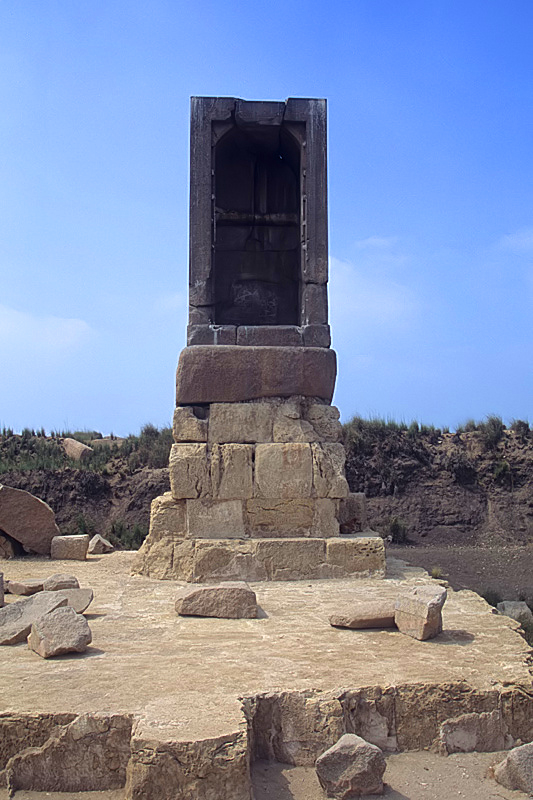
Mendes
Ancient city with significant religious structures.

Leontopolis (Heliopolis)
Ancient city with fortifications and a temple.
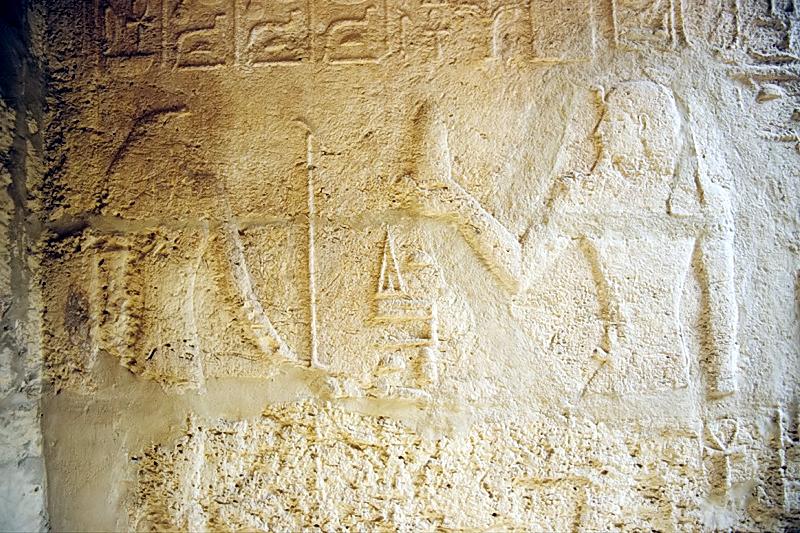
Medinet Madi
Greco-Roman town with Middle Kingdom temple
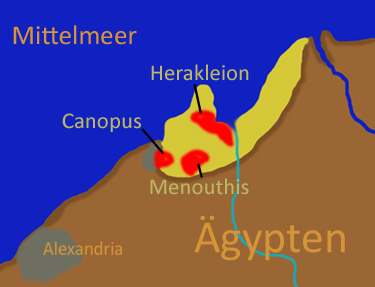
Canopus, Egypt
Submerged ancient Egyptian coastal town ruins
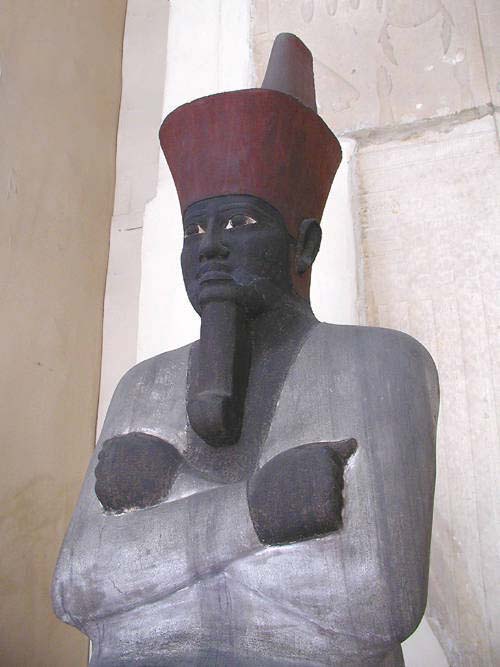
Thinis
Ancient Upper Egypt's undiscovered capital city.