Explore the Map
Kellis
25.5158° N, 29.0956° E
About
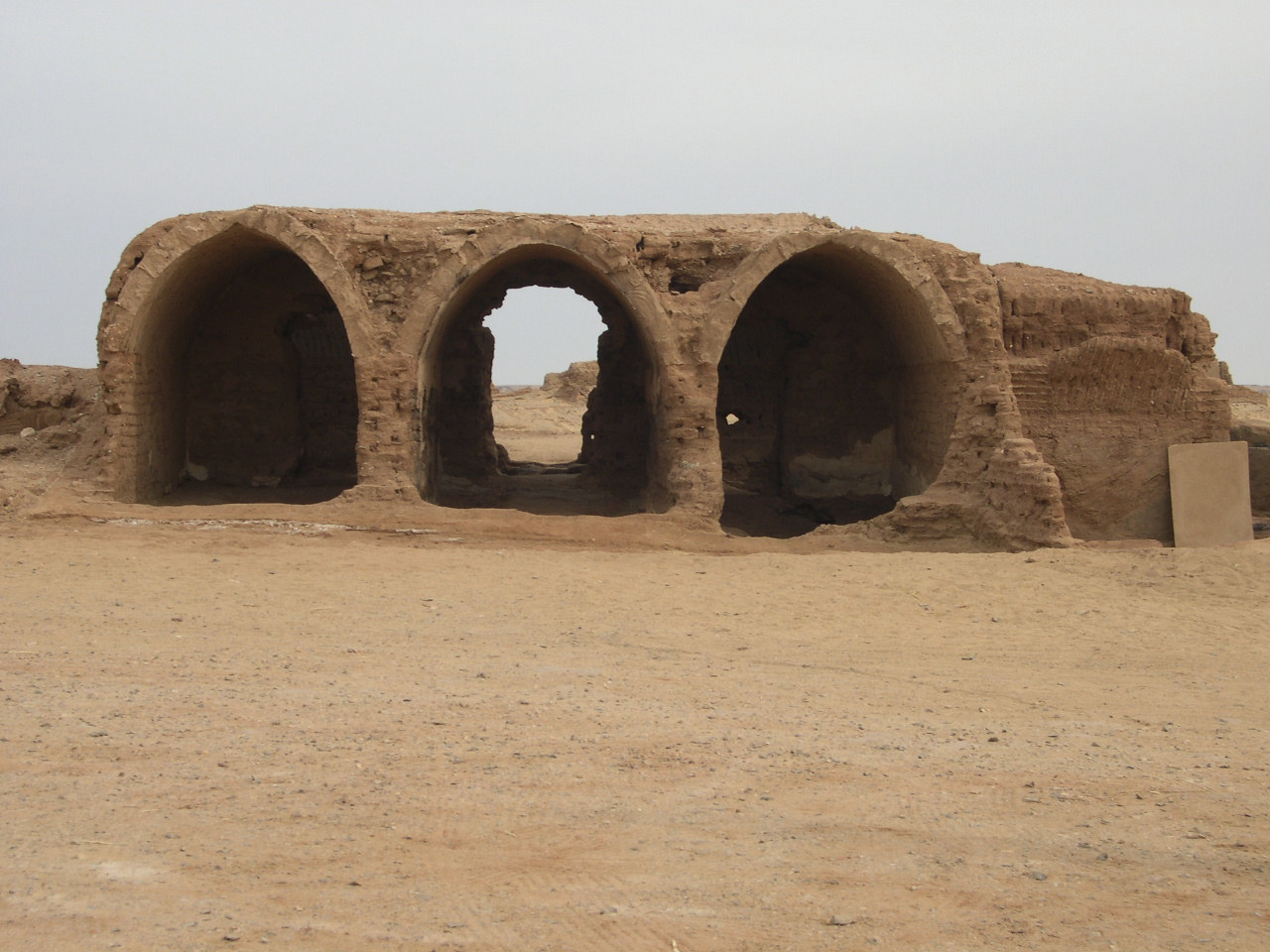
Ancient Kellis, known today as Ismant el-Kharab, was an important village in Upper Egypt during the Hellenistic, Roman, and Byzantine periods. The site, located in the Dakhleh Oasis, was constructed primarily from mud bricks and spanned approximately 1,050 meters in length and 650 meters in width. Key features include the Temple of Tutu and three churches, notably the Small East Church, reputed as the oldest known church building in Egypt. The village thrived with small businesses such as weaving and pottery-making. Occupation began in the late Ptolemaic Period and continued until its abandonment after 392 CE. Archaeological excavations have uncovered numerous artifacts, including wooden books and mummified remains, offering insights into the coexistence of Manichaean and Christian communities in the region.
Gallery
Explore photographs of ancient structures, artifacts, and archaeological excavations
Historical Timeline
Journey through time and discover key events in this site's history
Late Ptolemaic Period Occupation
Abandonment after 392 CE
392 CE
Archaeological Features
Unique architectural and cultural elements found at this historical site
Burial and Funerary Structures
Religious and Ritual Structures
Domestic and Habitation Structures
Frequently Asked Questions
Plan Your Visit
Tours, travel arrangements, and practical information
More Sites in Egypt
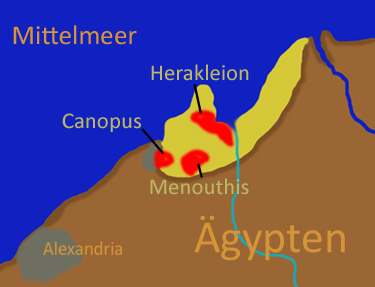
Canopus, Egypt
Submerged ancient Egyptian coastal town ruins
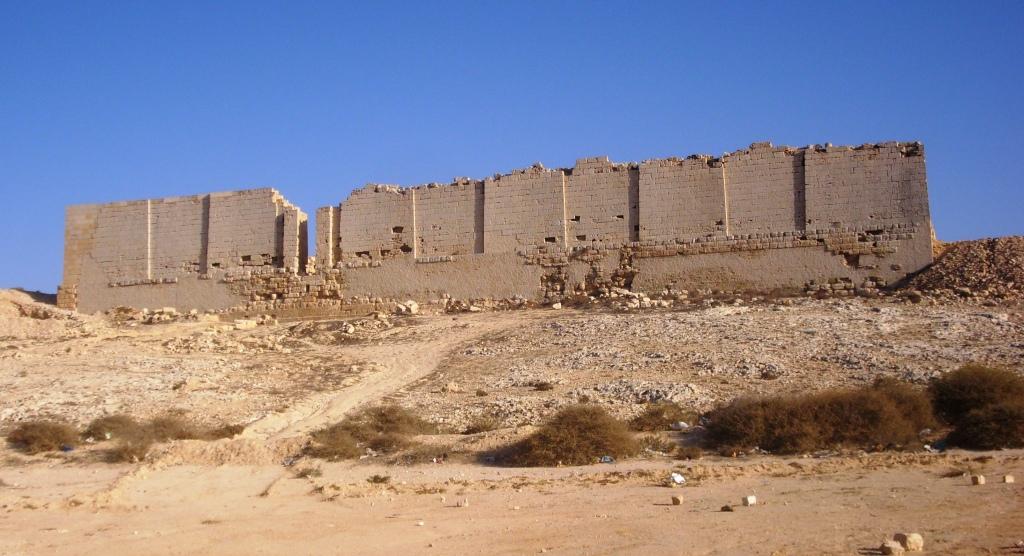
Taposiris Magna
Ancient city with temple and tombs
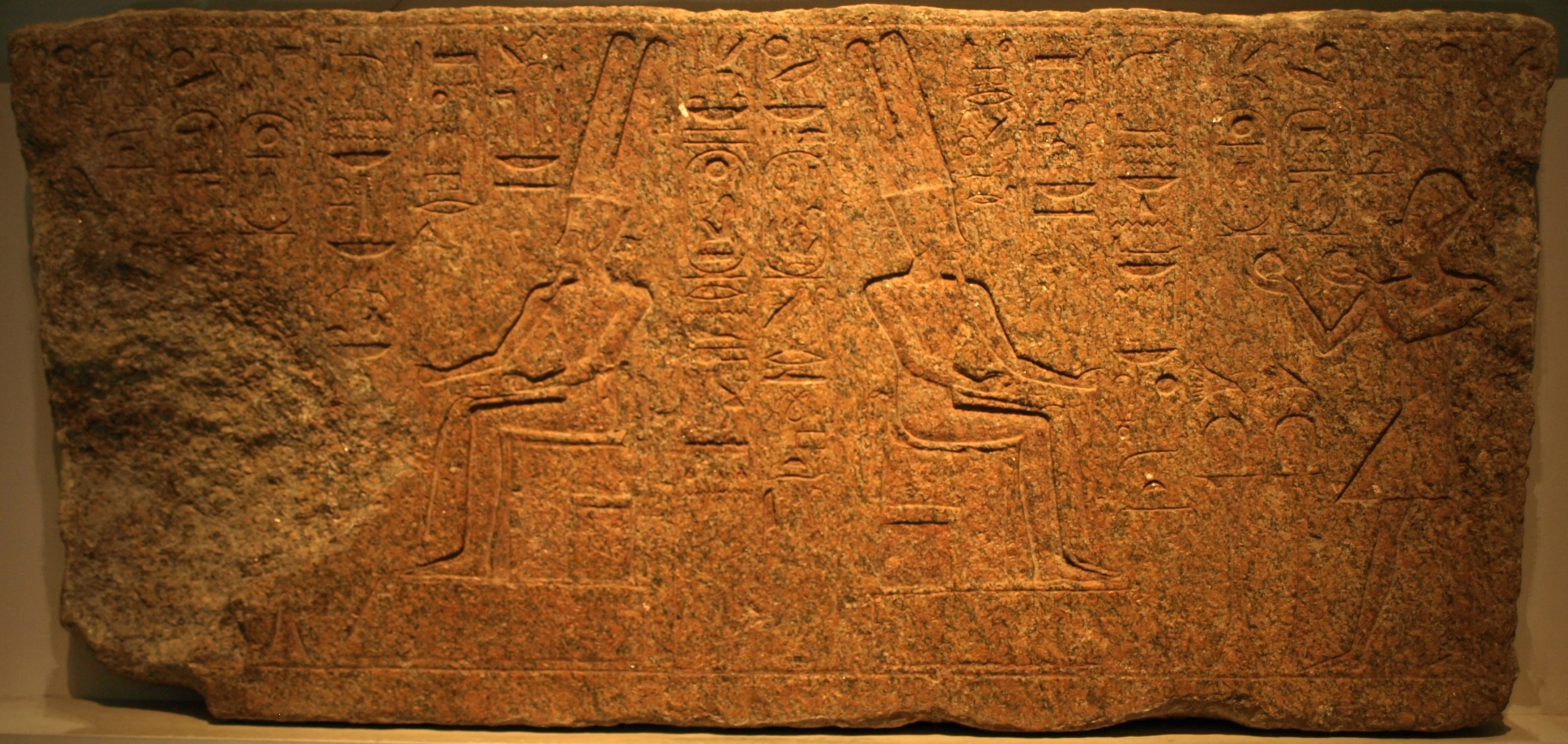
Bubastis
Ancient Egyptian city with Bastet temple
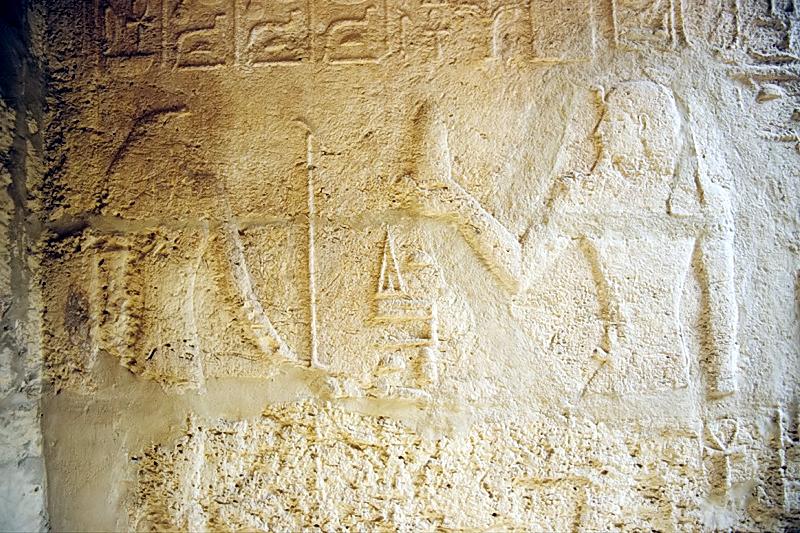
Medinet Madi
Greco-Roman town with Middle Kingdom temple
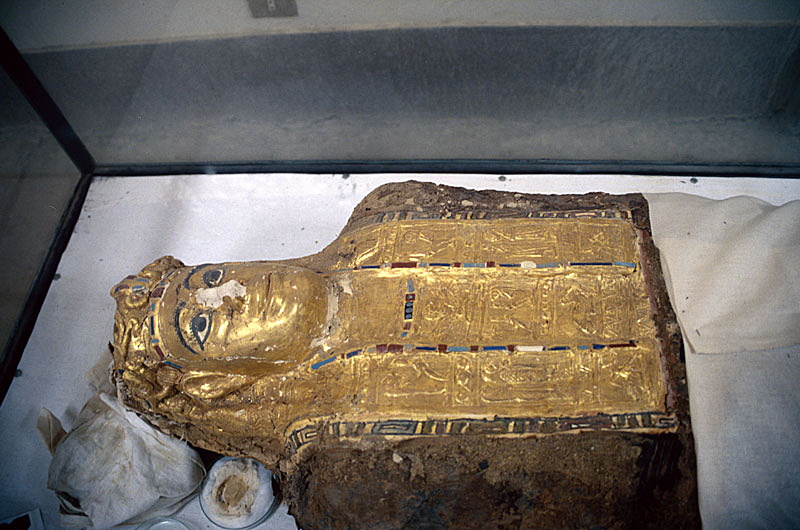
Valley of the Golden Mummies
Greco-Roman burial site with decorated mummies
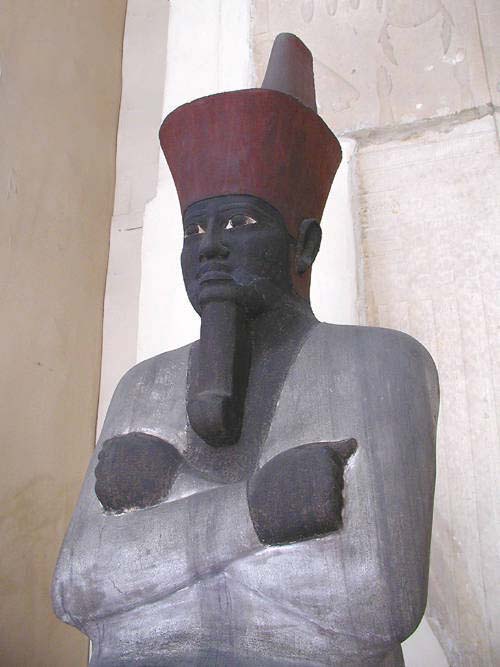
Thinis
Ancient Upper Egypt's undiscovered capital city.