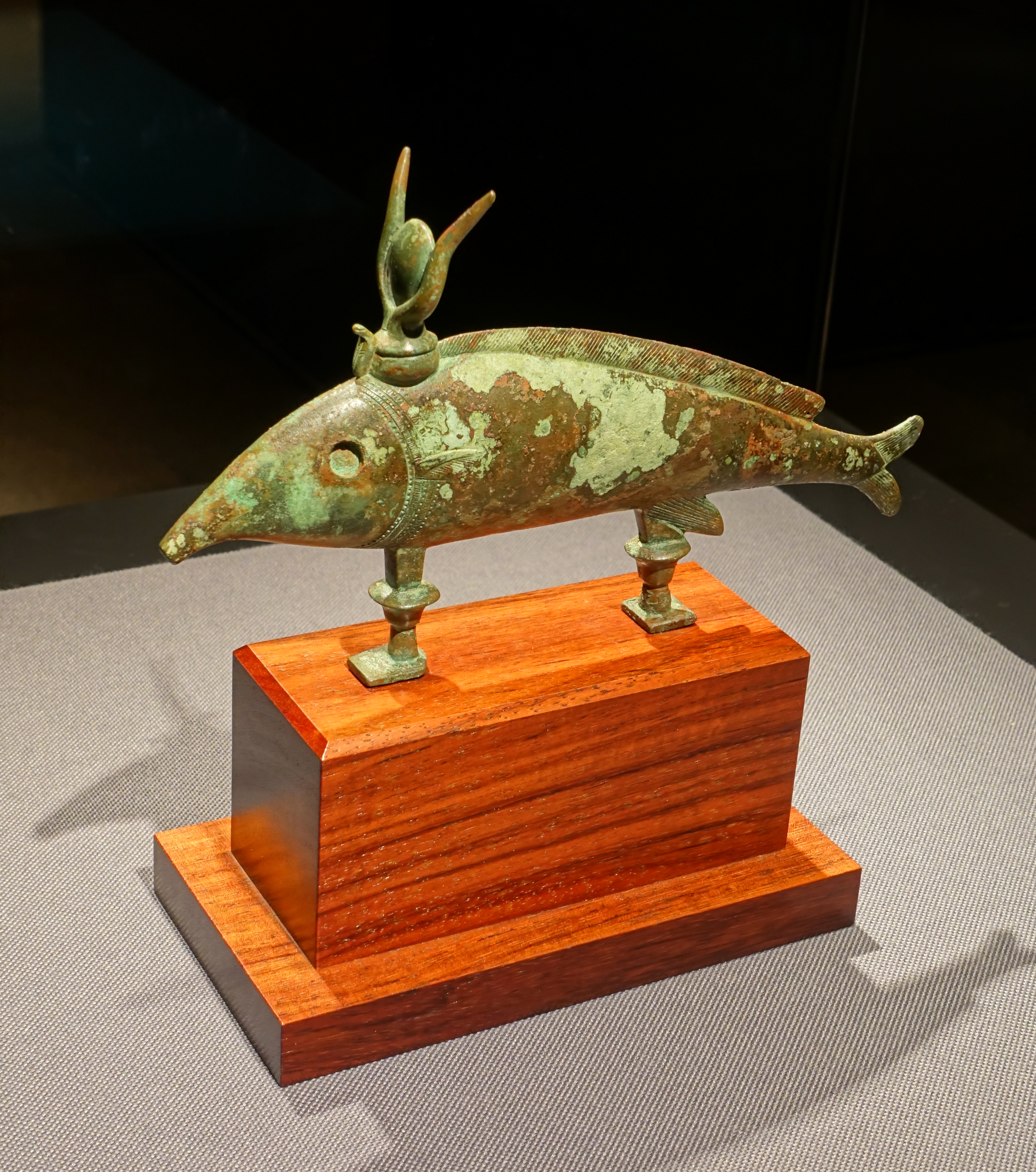
Explore the Map
Oxyrhynchus
28.5310° N, 30.6470° E
About
Oxyrhynchus, known today as Al-Bahnasa, is an archaeological site in Middle Egypt with a rich history spanning multiple eras. Originally founded as Per-Medjed in ancient Egyptian times, the city became a prosperous regional capital during the Hellenistic period under the name Oxyrrhynchoupolis. Its significance continued through the Roman and Byzantine periods, marked by religious and cultural developments, including the presence of early Christian churches and Jewish synagogues. The site is renowned for its vast collection of papyri, unearthed since the late 19th century, which provide invaluable insights into ancient Egyptian, Greek, and Roman life. The Muslim conquest in the 7th century CE led to its decline, and it was eventually abandoned. Today, Oxyrhynchus is a focus of archaeological exploration, uncovering layers of history and cultural transformations.
Gallery
Explore photographs of ancient structures, artifacts, and archaeological excavations
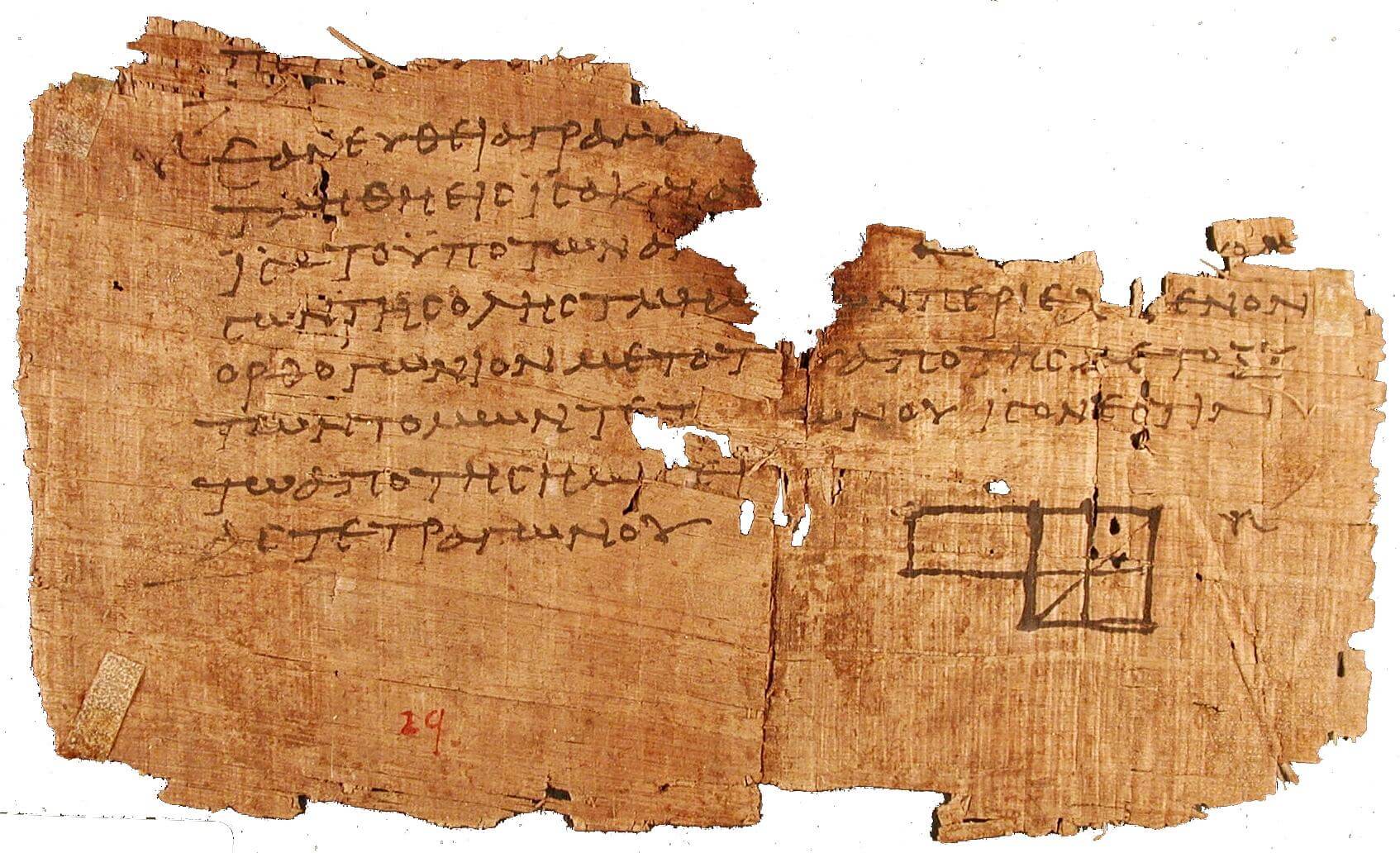
Historical Timeline
Journey through time and discover key events in this site's history
Hellenistic Town Established
332 BCE
Foundation of Per-Medjed
unknown
Diaspora Revolt
115–117 CE
Documented Synagogue Presence
291 CE
Sasanian Rule
619–629 CE
Muslim Conquest
639 CE
Abandonment of Oxyrhynchus
641 CE
Archaeological Features
Unique architectural and cultural elements found at this historical site
Defensive Structures
Water Management Features
Public and Civic Structures
Burial and Funerary Structures
Religious and Ritual Structures
Domestic and Habitation Structures
Frequently Asked Questions
Plan Your Visit
Tours, travel arrangements, and practical information
More Sites in Egypt
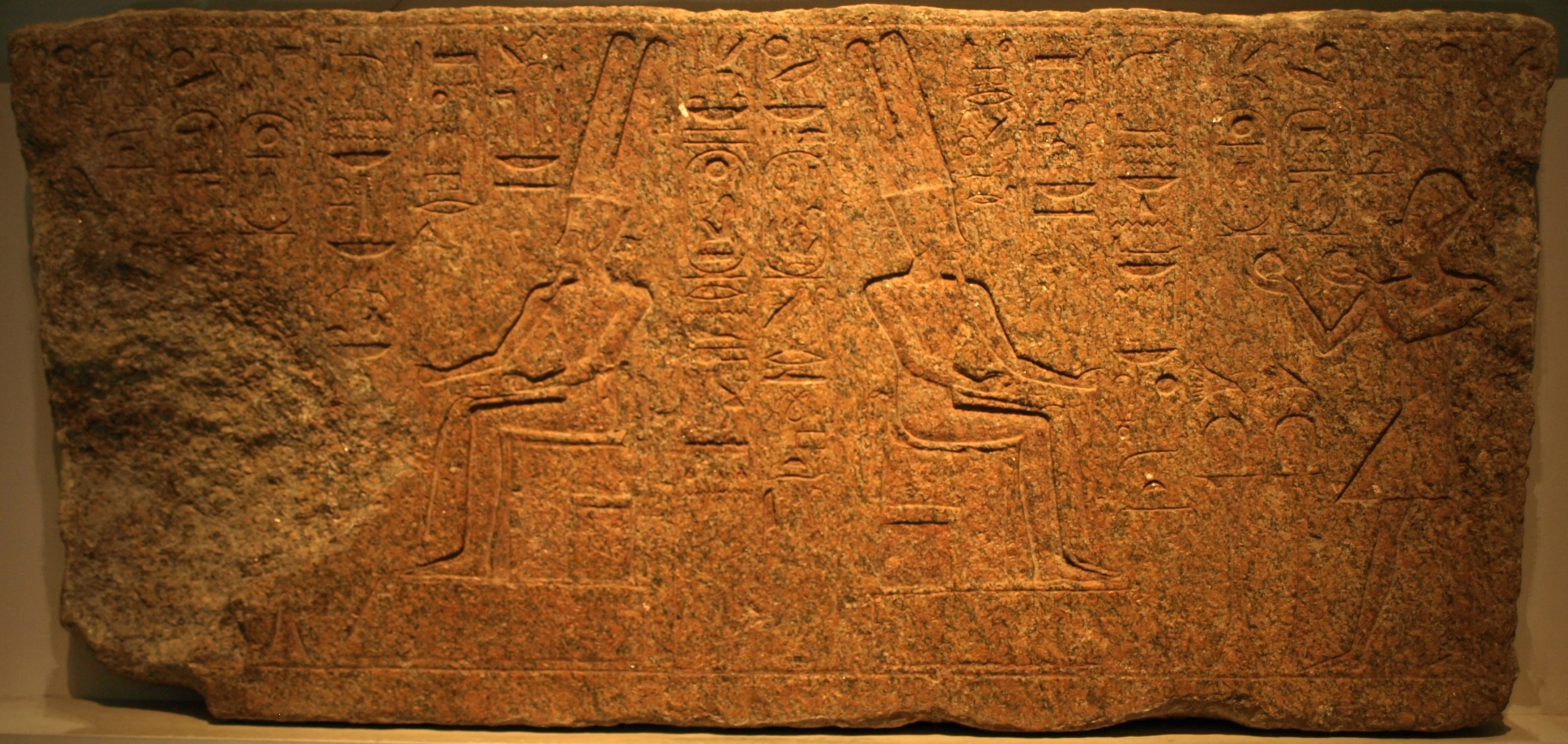
Bubastis
Ancient Egyptian city with Bastet temple
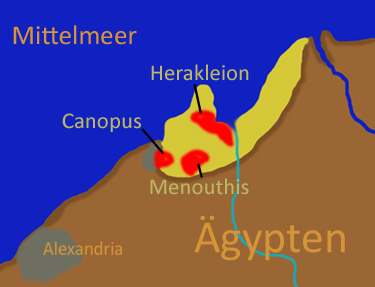
Canopus, Egypt
Submerged ancient Egyptian coastal town ruins

Leontopolis (Heliopolis)
Ancient city with fortifications and a temple.
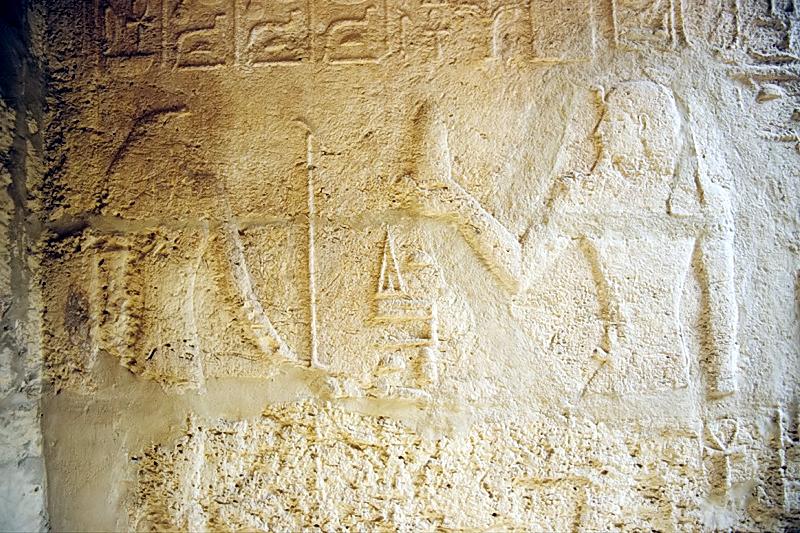
Medinet Madi
Greco-Roman town with Middle Kingdom temple
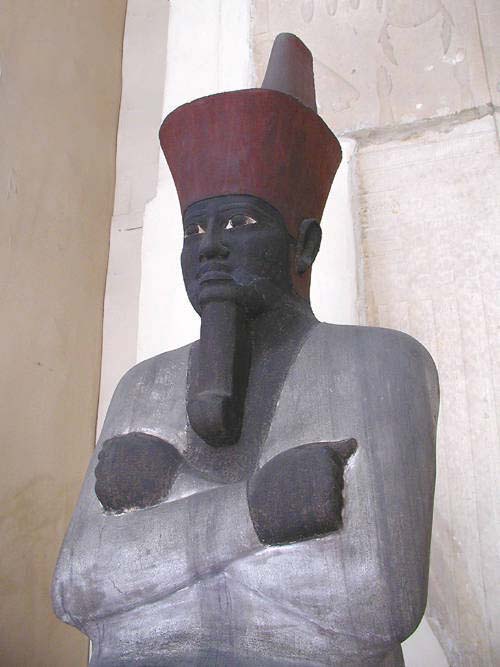
Thinis
Ancient Upper Egypt's undiscovered capital city.
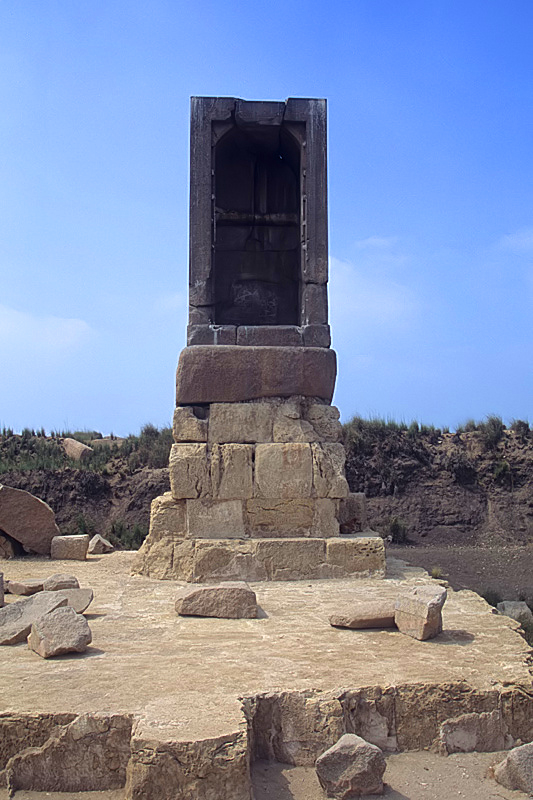
Mendes
Ancient city with significant religious structures.