Explore the Map
Jaromarsburg
54.6766° N, 13.4369° E
About
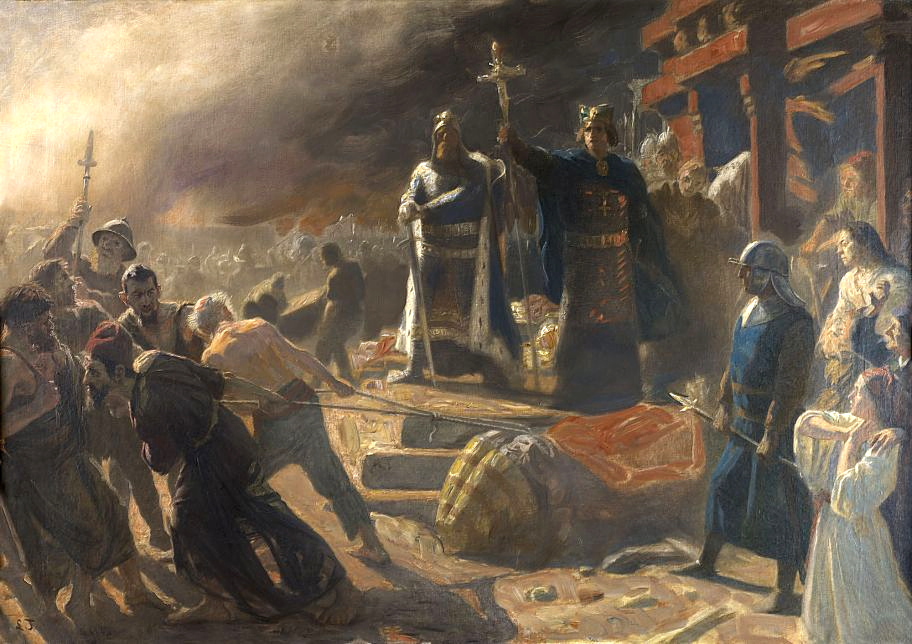
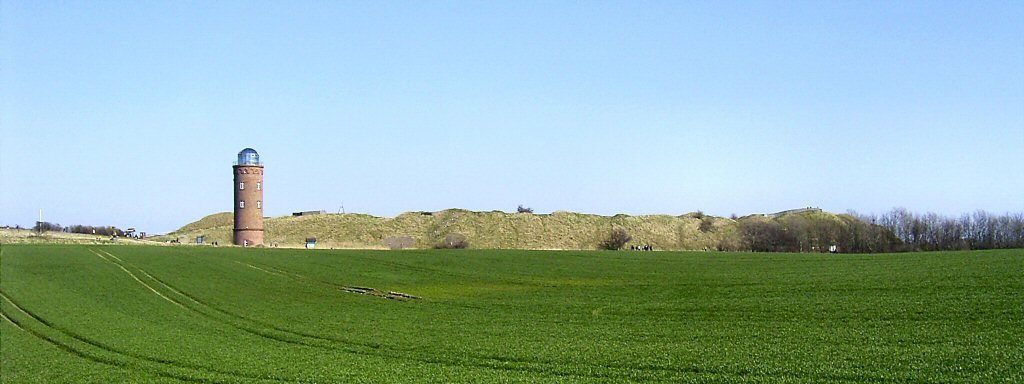
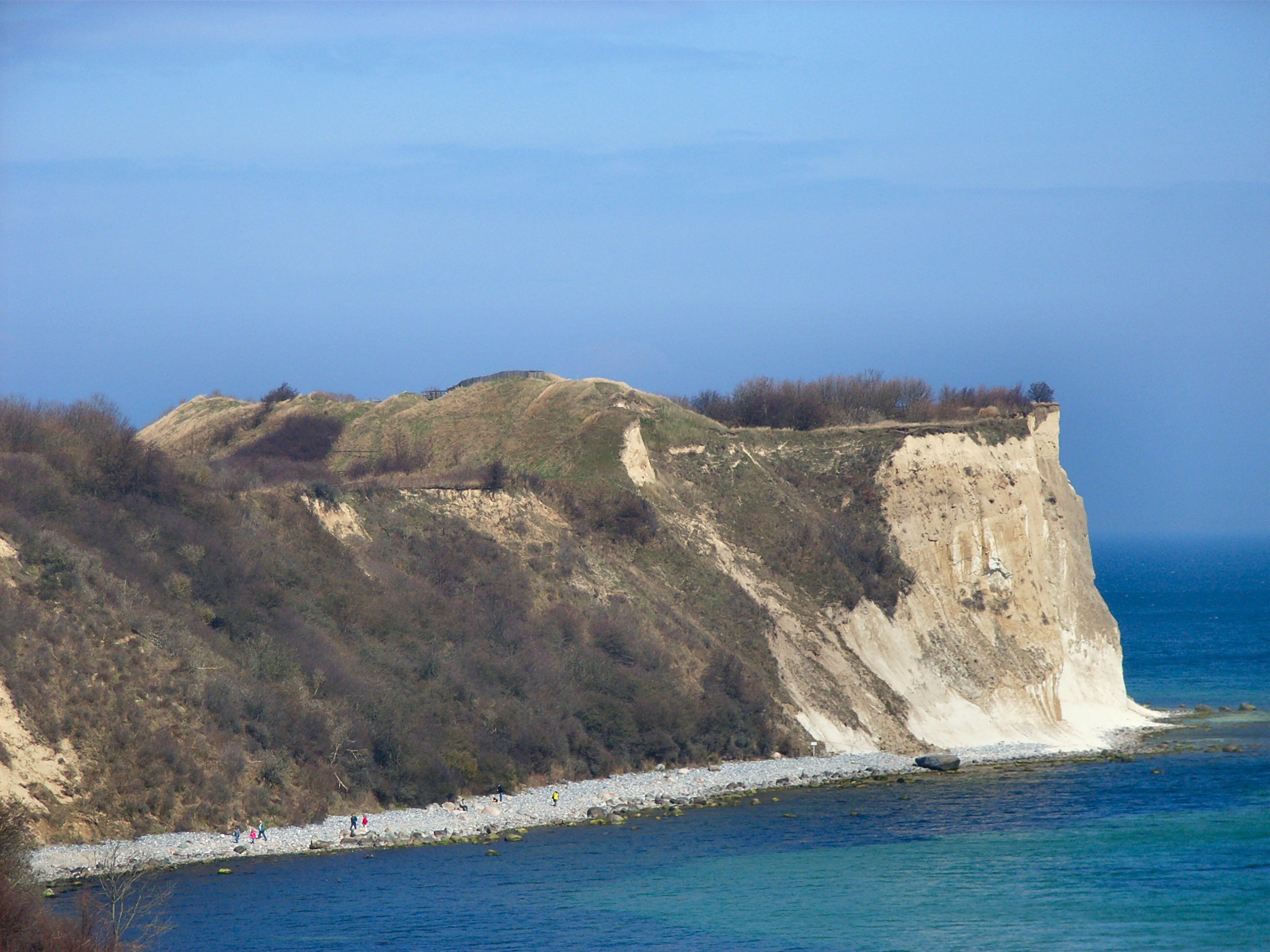
The Jaromarsburg was a significant religious and defensive site for the Slavic Rani tribe, located on the island of Rügen at Cape Arkona. Active from the 9th to the 12th century CE, the site featured a temple dedicated to the god Svantovit and was protected by impressive wooden ramparts. The temple was a focal point for religious activities and was notable for its strict sanctity, as described by historian Saxo Grammaticus. The ramparts were elevated in the 11th century, reflecting the site's importance. However, the site met its demise in 1168 CE when it was conquered and destroyed by Danish forces, leading to the conversion of the Rani people to Christianity. The Jaromarsburg is archaeologically significant for understanding the cultural and religious practices of the Slavic tribes in the southern Baltic region.
Gallery
Explore photographs of ancient structures, artifacts, and archaeological excavations
Historical Timeline
Journey through time and discover key events in this site's history
Rani Settlement
9th century CE
Construction of Temple
9th century CE
Elevation of Ramparts
11th century CE
Danish Conquest
1168 CE
Archaeological Features
Unique architectural and cultural elements found at this historical site
Defensive Structures
Religious and Ritual Structures
Frequently Asked Questions
Plan Your Visit
Tours, travel arrangements, and practical information
More Sites in Germany
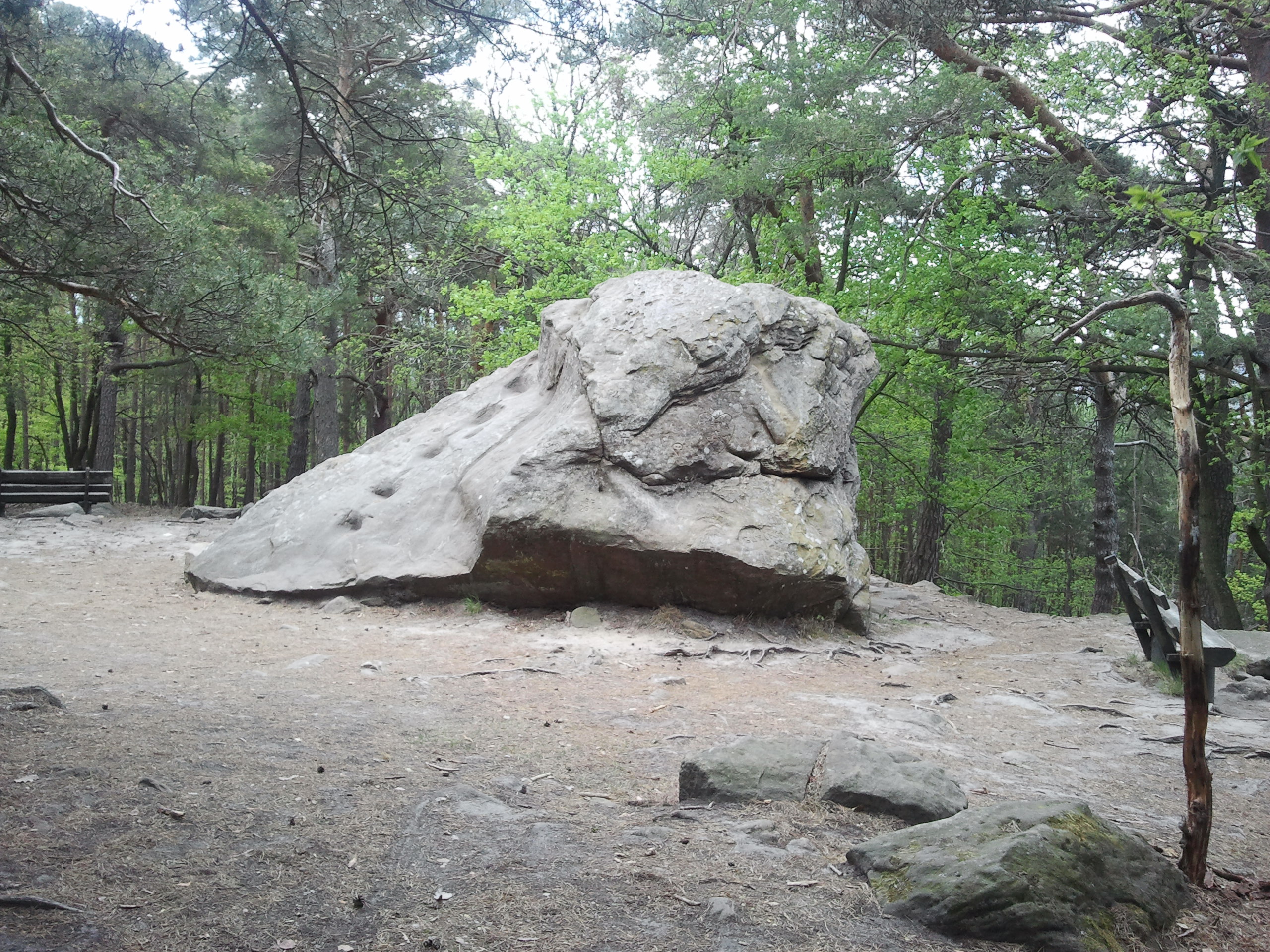
Teufelsstein (Haardt)
Monolith with Celtic and Roman carvings
Burgstall Schlosshügel
Early medieval motte (burgstall), Upper Franconia, Germany
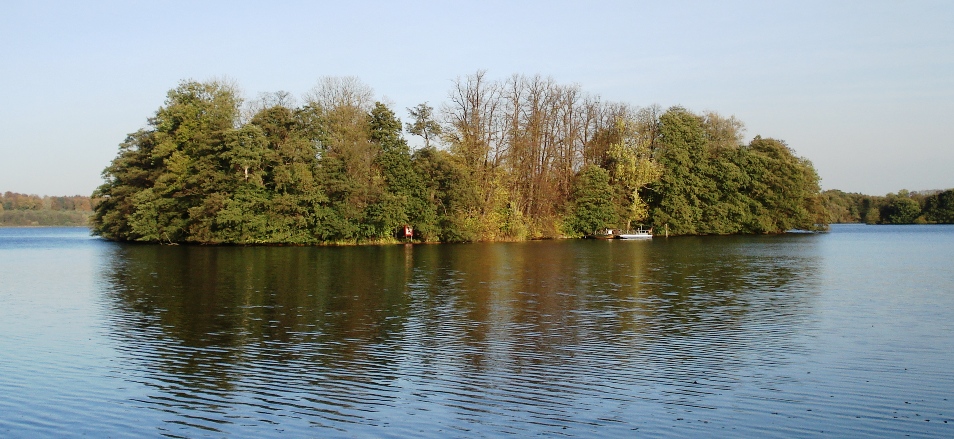
Utin (castle)
9th-century Wendish castle on island
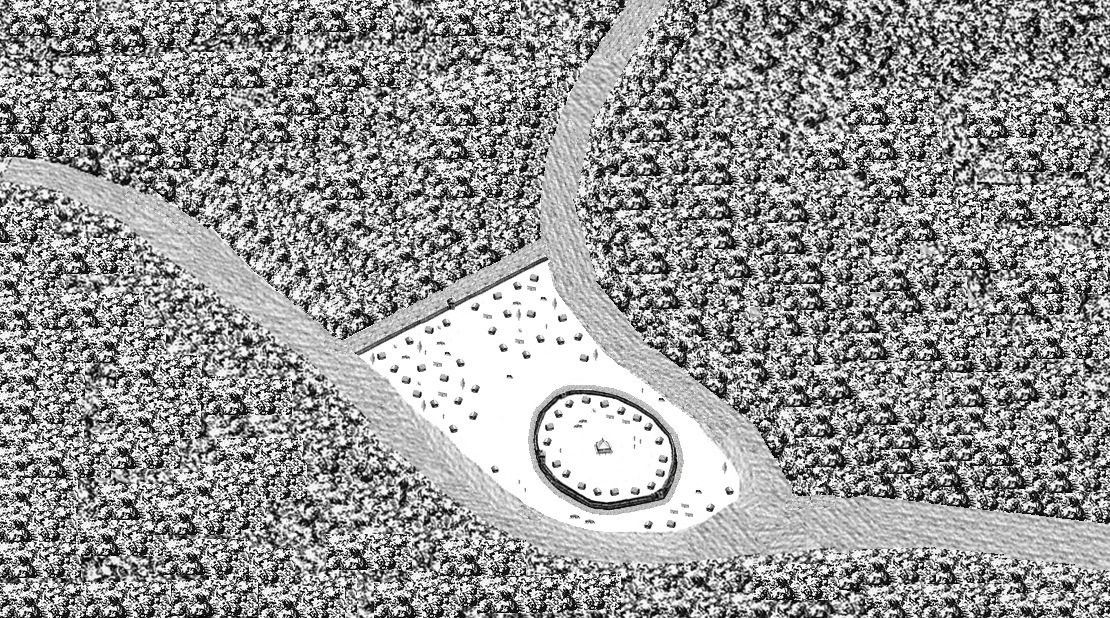
Liubice
Medieval Slavic settlement with fortifications.
Blankenhagen Castle
Ruins of 13th-century motte-and-bailey castle
Kyffhausen Castle
Medieval castle ruin with Neolithic origins