Time Periods
Paleolithic
Mesolithic
Neolithic
Chalcolithic
Bronze Age
Iron Age
Classical Period
Post-Classical Period
Early Modern Period
Industrial Period
Contemporary Period
Time Periods
Paleolithic
Mesolithic
Neolithic
Chalcolithic
Bronze Age
Iron Age
Classical Period
Post-Classical Period
Early Modern Period
Industrial Period
Contemporary Period
Location
About
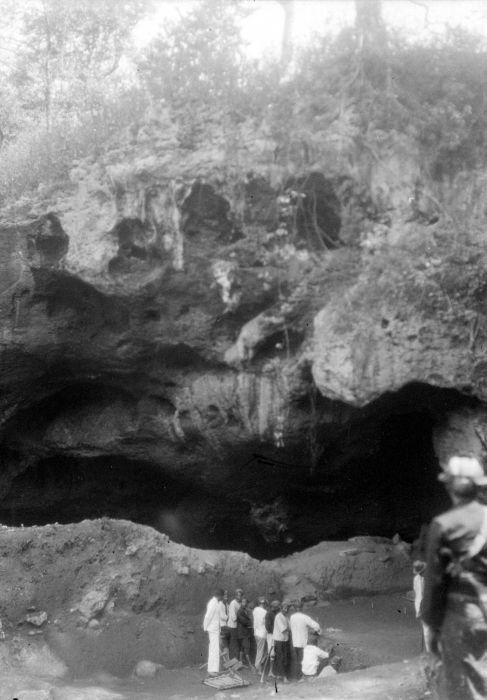
Gua Lowo, located in the Watuagung area of Watulimo sub-district in East Java, Indonesia, is a renowned natural cave known for its impressive length, extending approximately 5 kilometers, with 859 meters accessible to visitors. The cave, discovered in 1931 by a local resident, Lomedjo, is a significant natural feature in the Karts hills. It is primarily inhabited by bats, with no other fauna reported. Gua Lowo holds the distinction of being the longest natural cave in Southeast Asia, as per the assessments by experts Mr. Gilbert Manthovani and Dr. Robert K Kho in 1984. In 1983, it was officially recognized as a tourist destination, attracting visitors interested in its natural beauty and extensive cave system. While it does not present any specific archaeological findings or human occupation evidence, its geological and ecological characteristics make it an important natural heritage site.
Gallery
Explore photographs of ancient structures, artifacts, and archaeological excavations at Lowo Cave
Archaeological Features
Explore the unique architectural and cultural elements found at this historical site
Domestic and Habitation Structures
Plan Your Visit
Details
- Country
- Indonesia
- Source
- Wikipedia
More Sites in Indonesia
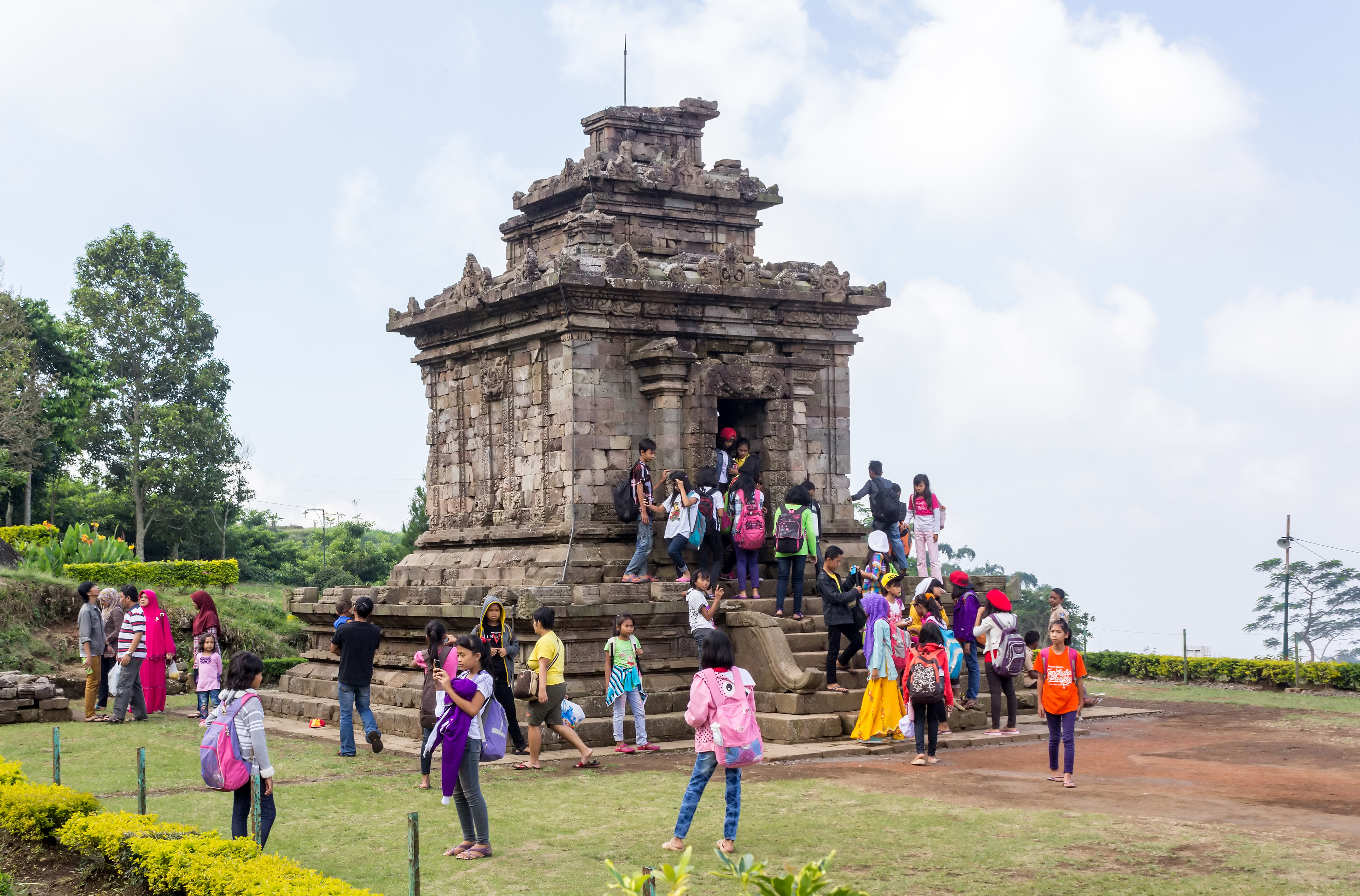
Gedong Songo
Hindu temples with Indian architectural influence.
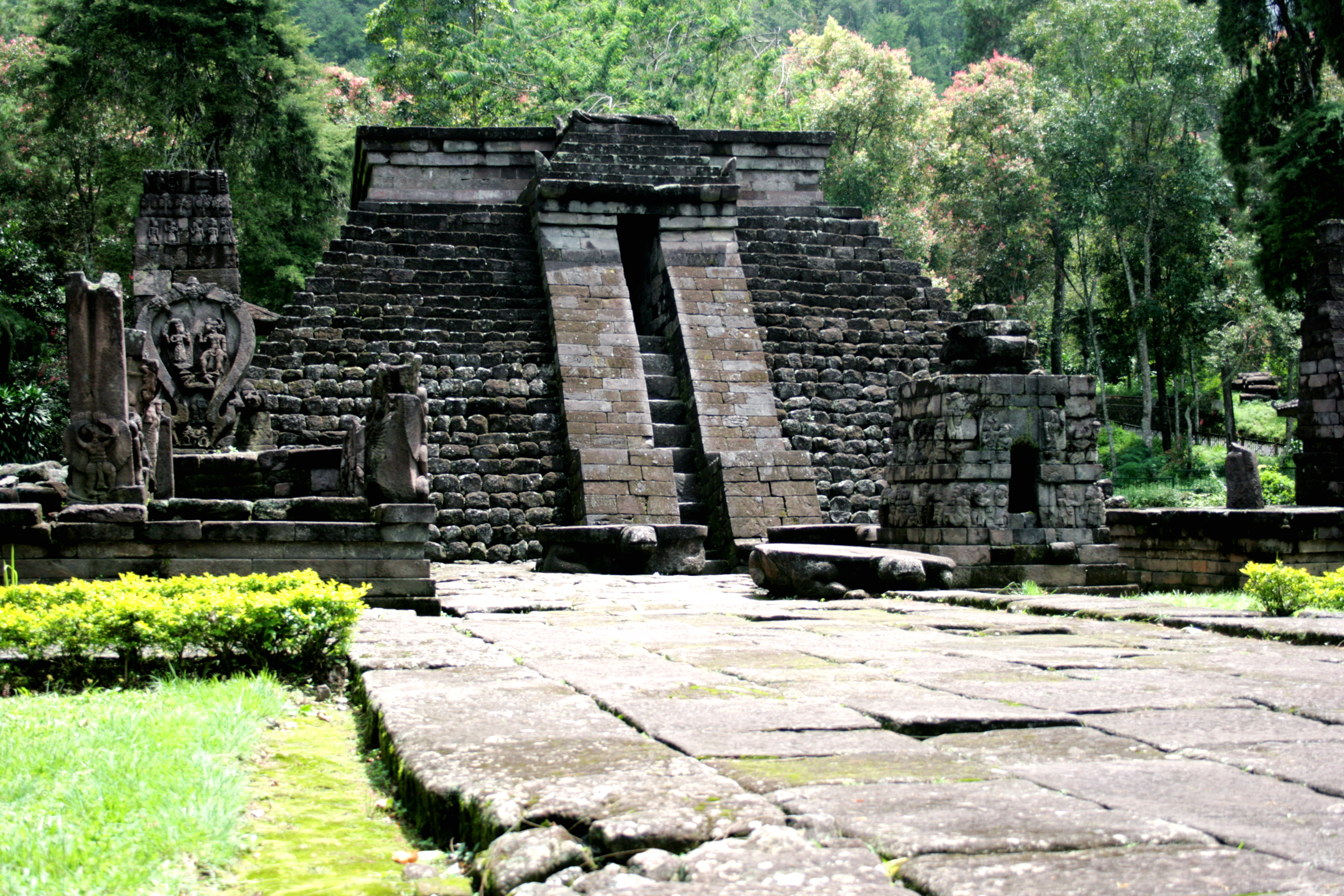
Sukuh
15th-century Javanese-Hindu pyramid temple
Lebak Cibedug
Terraced pyramid with megalithic structures
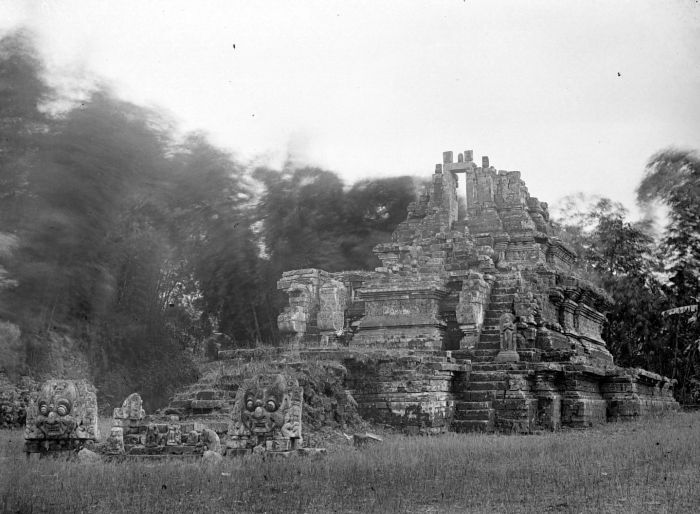
Jago Temple
13th-century Hindu temple in East Java
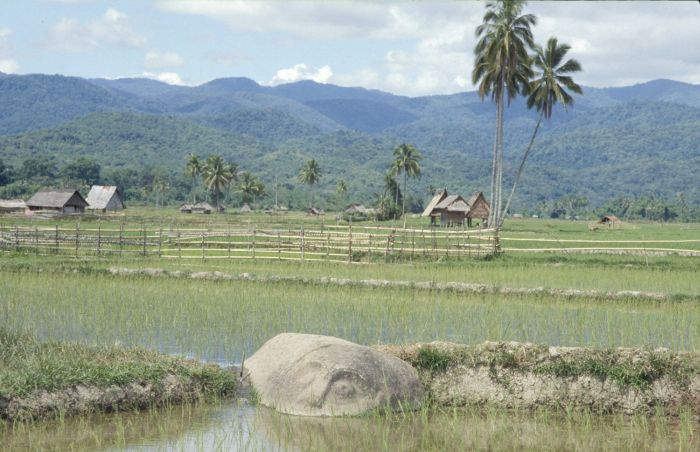
Bada Valley
Megalithic statues and burial jars in Indonesia.
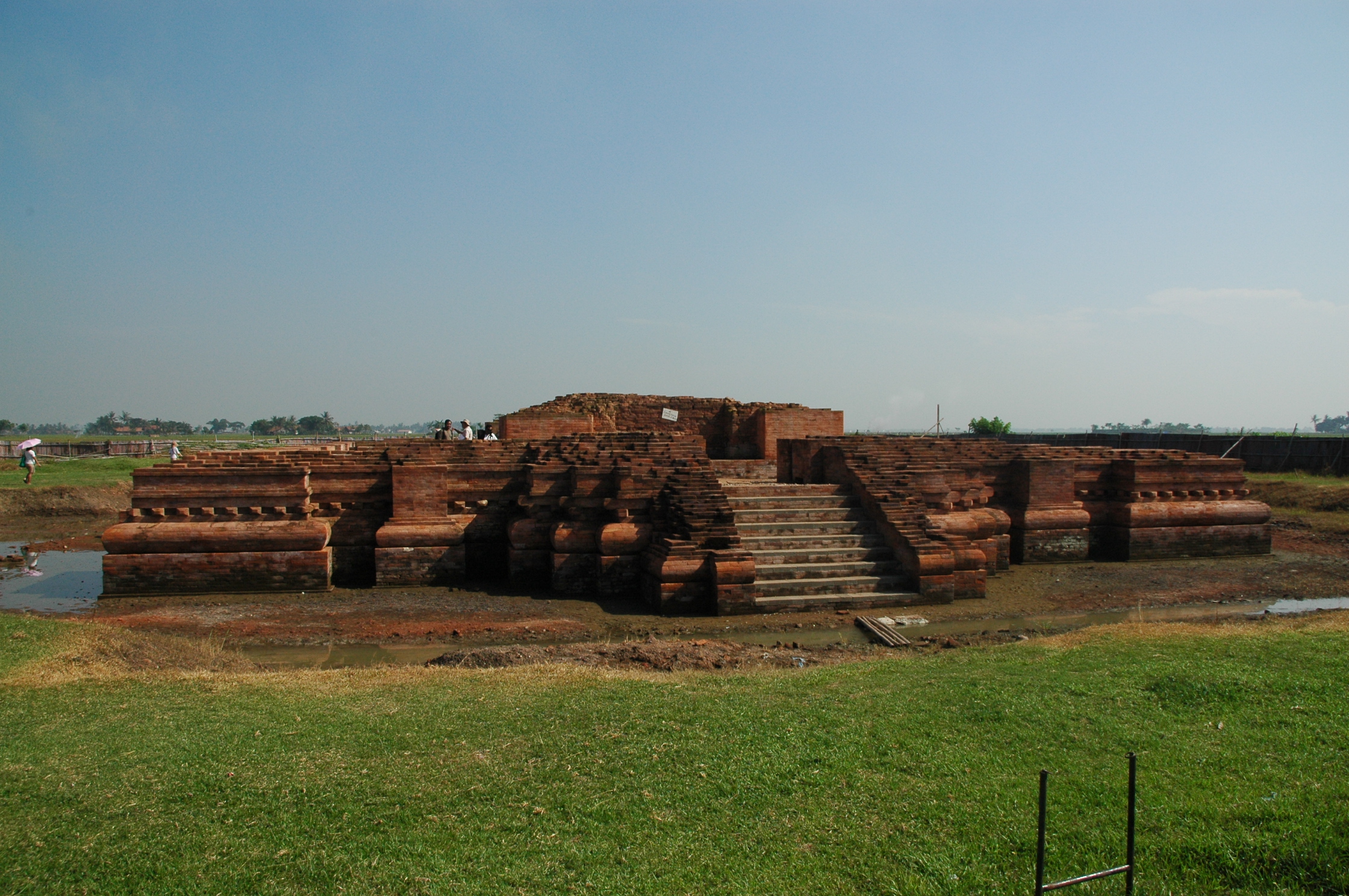
Batujaya
Ancient temple complex with brick structures