
Explore the Map
Behistun Inscription
34.3906° N, 47.4358° E
About
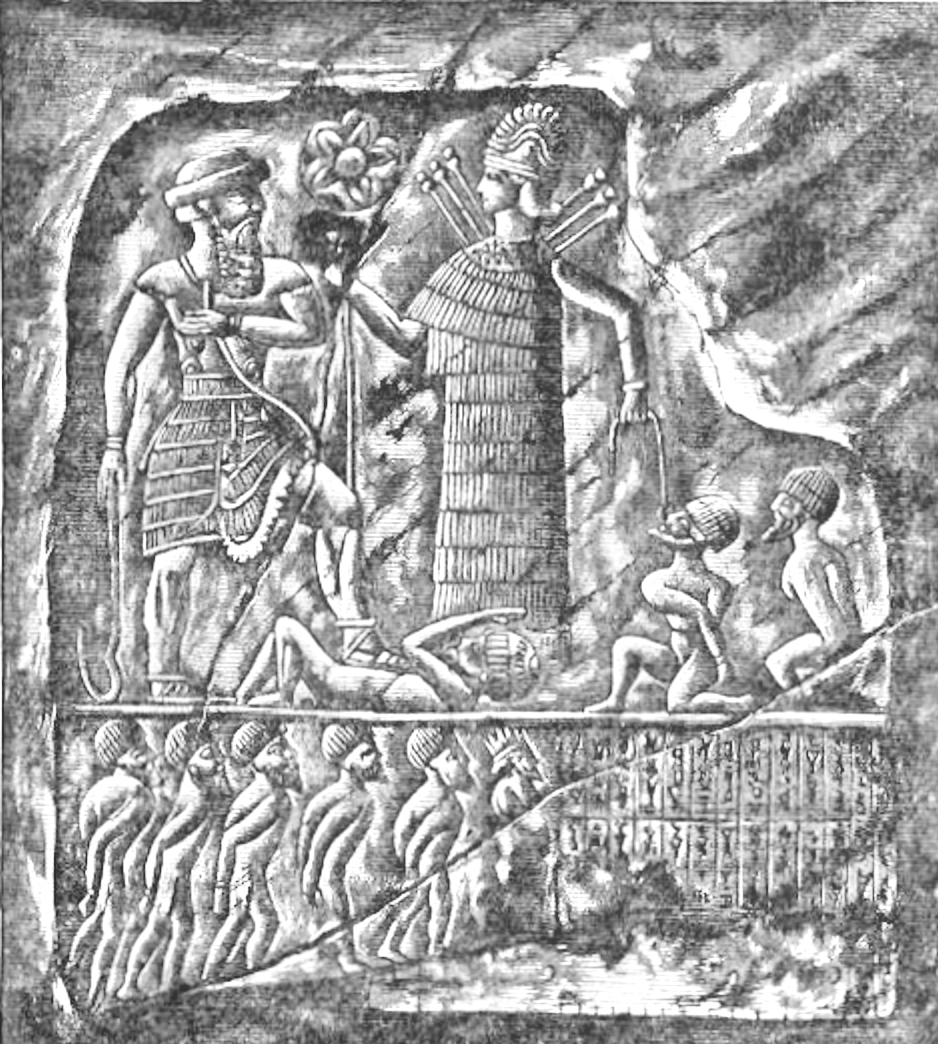
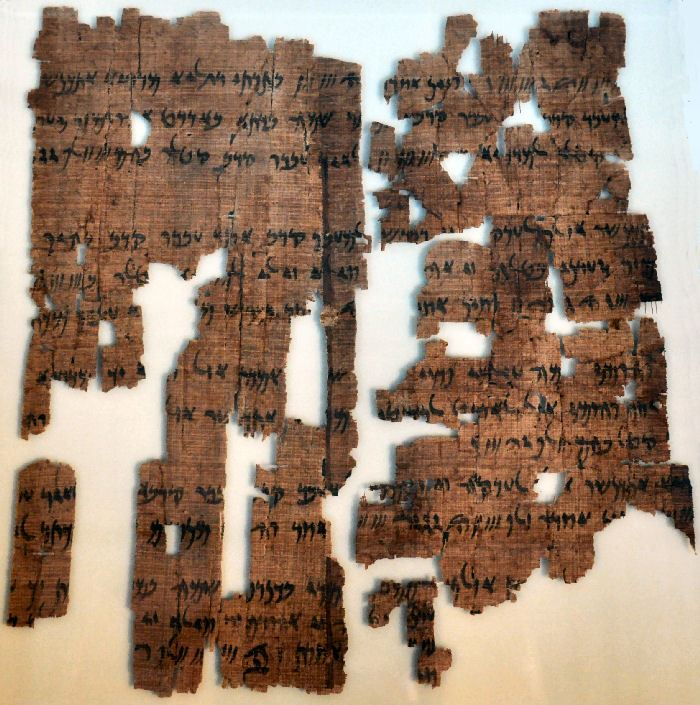
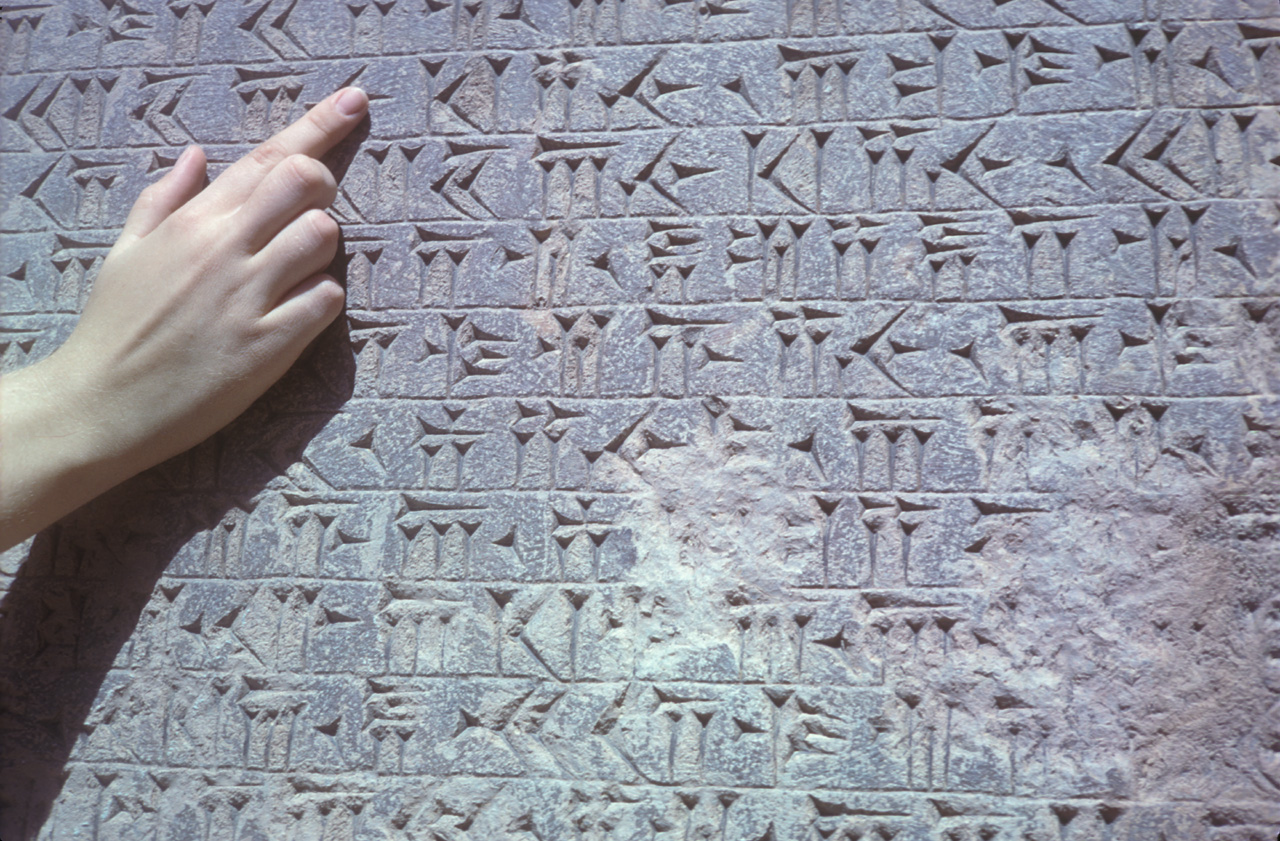
The Behistun Inscription is a significant archaeological site located on a limestone cliff at Mount Behistun in Iran, created during the reign of Darius the Great between 522 BCE and 486 BCE. This site features the longest known trilingual cuneiform inscription, consisting of Old Persian, Elamite, and Babylonian scripts, which played a crucial role in deciphering cuneiform writing. The inscription serves as a historical record of Darius' lineage, his ascension to power, and his military campaigns to suppress rebellions following the death of Cambyses II. Accompanying the text is a large bas-relief depicting Darius the Great, emphasizing his authority and victories. The Behistun Inscription's artistic and historical value is immense, contributing significantly to our understanding of the Achaemenid Empire and ancient Persian culture. It has been recognized as a UNESCO World Heritage Site since 2006.
Gallery
Explore photographs of ancient structures, artifacts, and archaeological excavations
Historical Timeline
Journey through time and discover key events in this site's history
Darius the Great reign
522 BCE - 486 BCE
Rebellions suppression
521 BCE
Archaeological Features
Unique architectural and cultural elements found at this historical site
Artistic and Decorative Features
Frequently Asked Questions
Plan Your Visit
Tours, travel arrangements, and practical information
More Sites in Iran
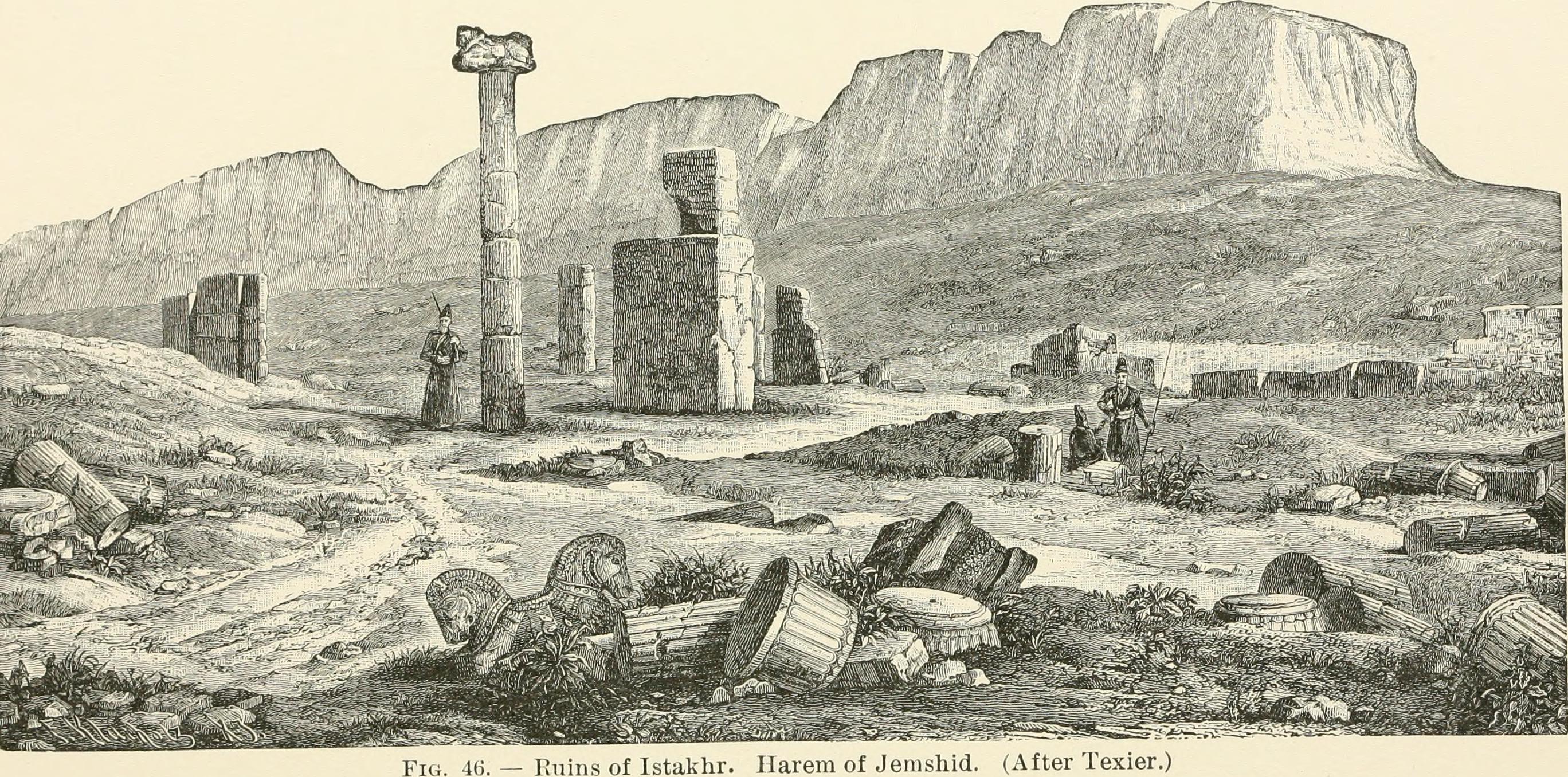
Istakhr
Ancient city with religious and defensive structures.
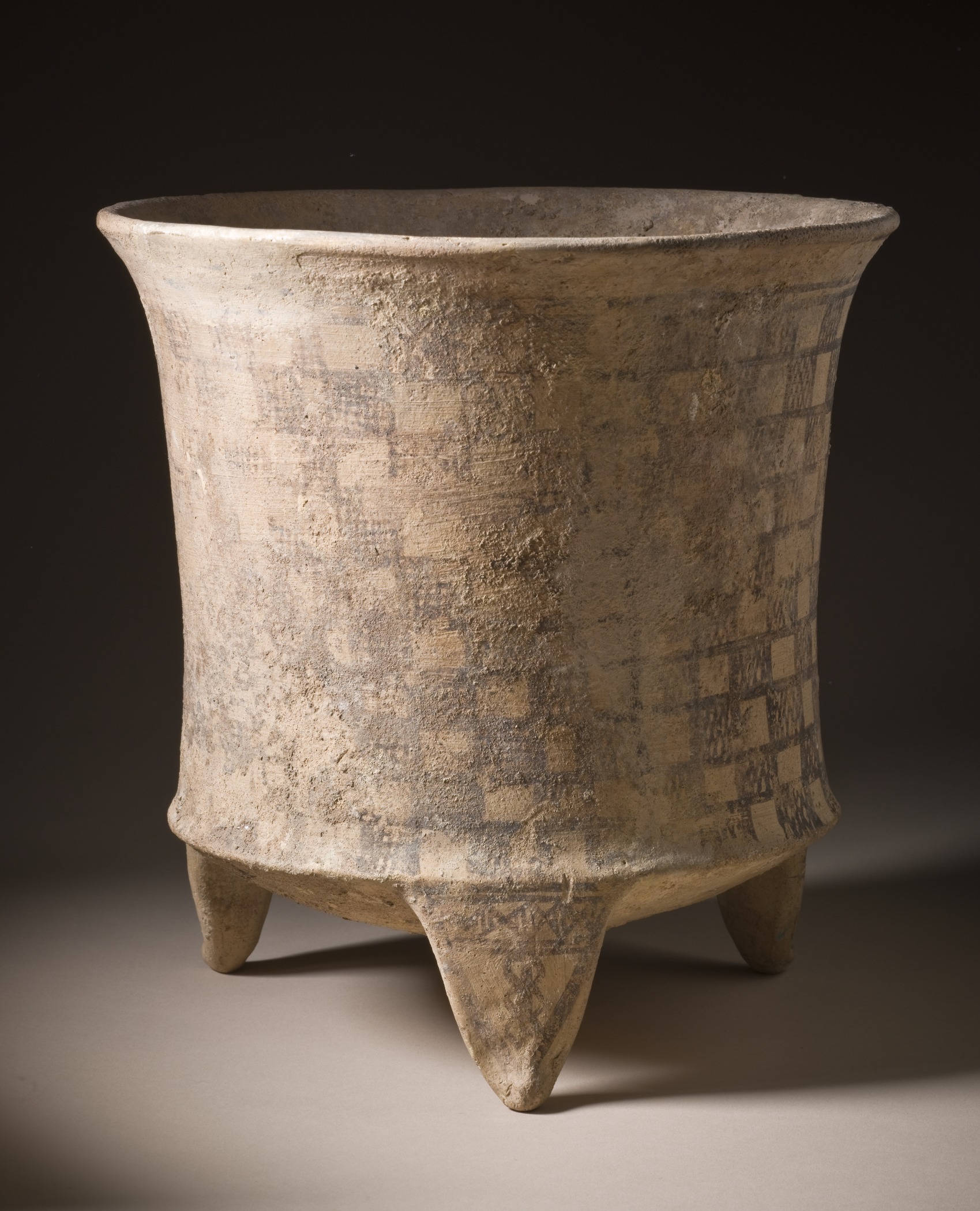
Tepe Giyan
Necropolis with distinctive pottery in Iran.
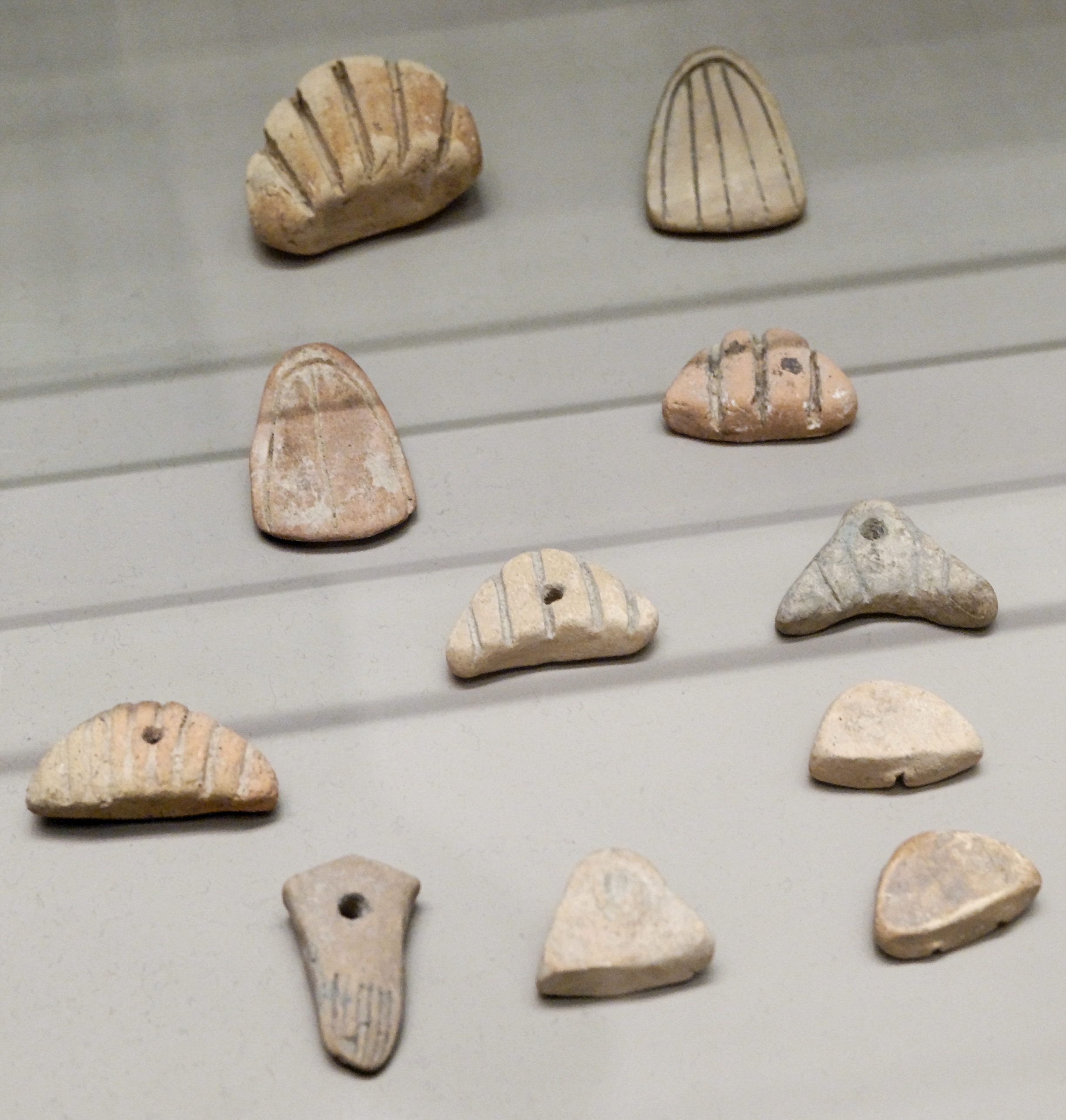
Tepe Sofalin
Ancient mound with Proto-Elamite artifacts
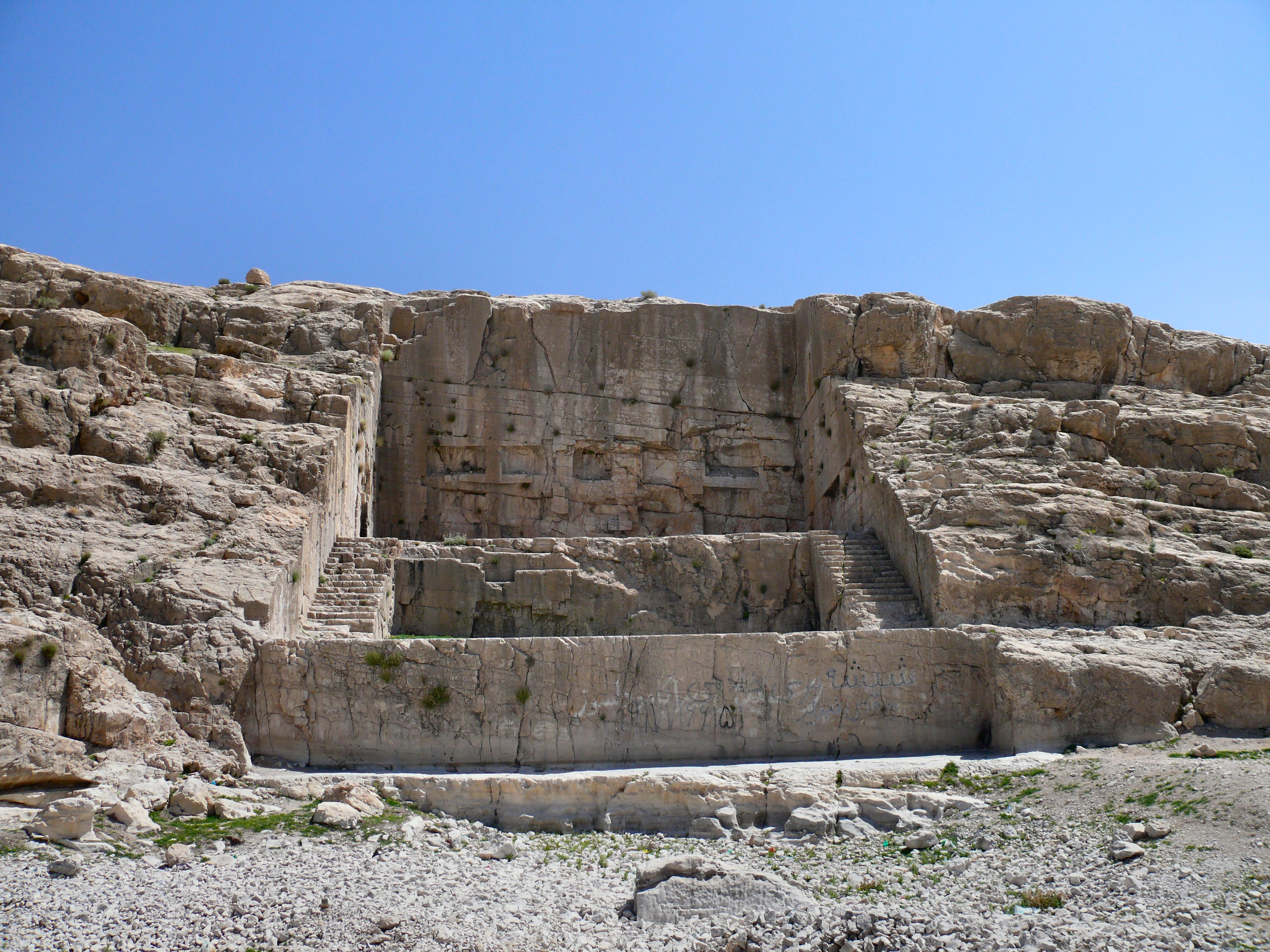
Qadamgah (ancient site)
Achaemenid rock-cut monument with terraces
Tappeh Berdankan
Sasanian site with diverse pottery artifacts.
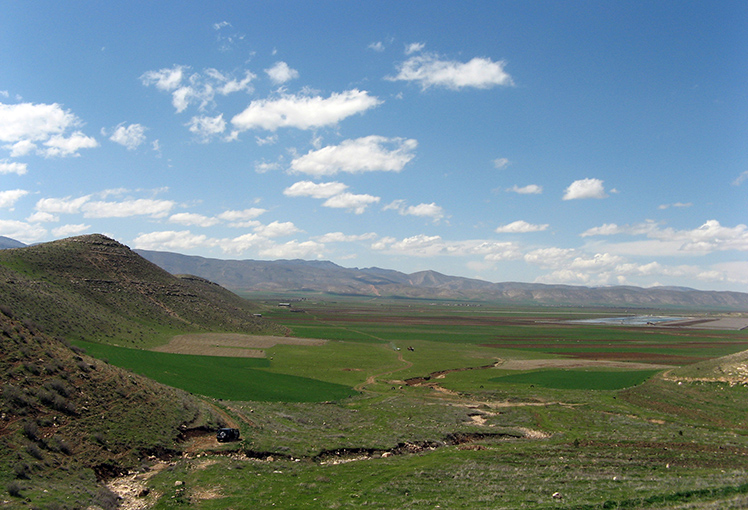
Wezmeh
Pleistocene cave site in western Iran