
Explore the Map
Eshkaft-e Siahoo
30.1875° N, 52.0672° E
About
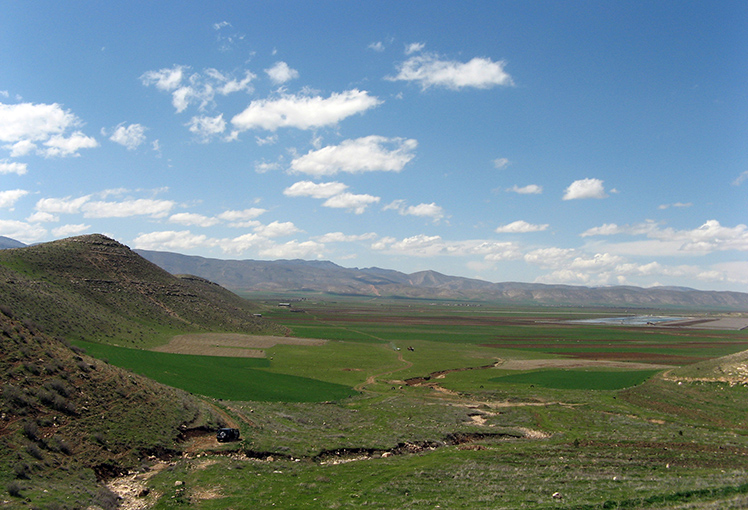
Eshkaft-e Siahoo, translating to 'Black Cave' from the local dialect, is a significant Neolithic archaeological site located near Rahmat Mountain on the Marvdasht Plain in Fars province, Iran. This rock shelter served as a dwelling place for Neolithic humans between approximately 12,000 and 10,000 years ago, marking it as an important site for understanding early human habitation in the region. The cave's discovery in June 2006 led to archaeological excavations that have provided insights into the lifestyle and environmental adaptation of its ancient occupants. The site's significance lies in its well-preserved evidence of human settlement during a critical period of transition and development in human history.
Gallery
Explore photographs of ancient structures, artifacts, and archaeological excavations
Historical Timeline
Journey through time and discover key events in this site's history
Neolithic occupation
12,000 BCE, 10,000 BCE
Archaeological Features
Unique architectural and cultural elements found at this historical site
Domestic and Habitation Structures
Environmental and Natural Features
Frequently Asked Questions
Plan Your Visit
Tours, travel arrangements, and practical information
More Sites in Iran
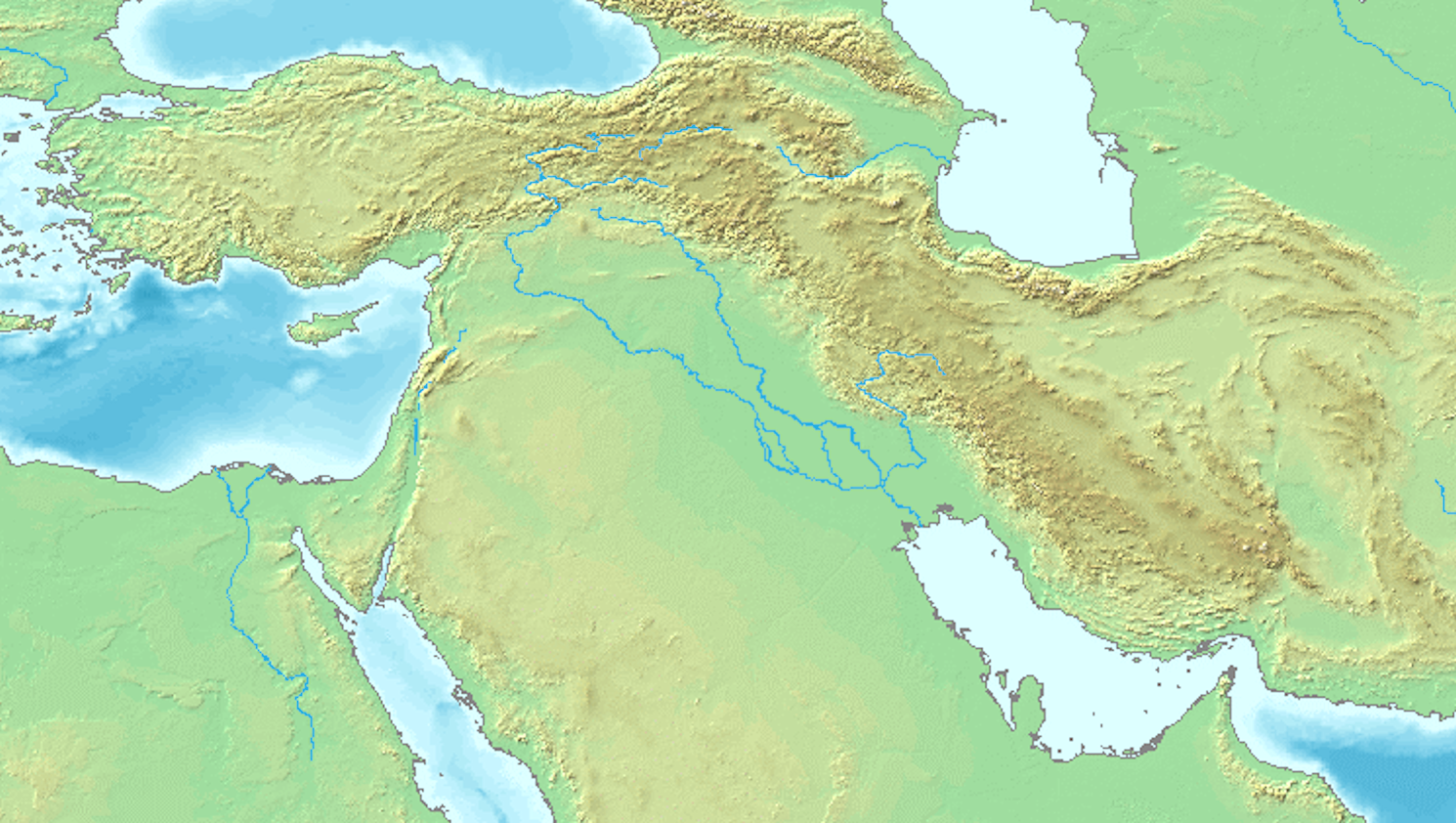
Teppe Zagheh
Early urban settlement with painted buildings.
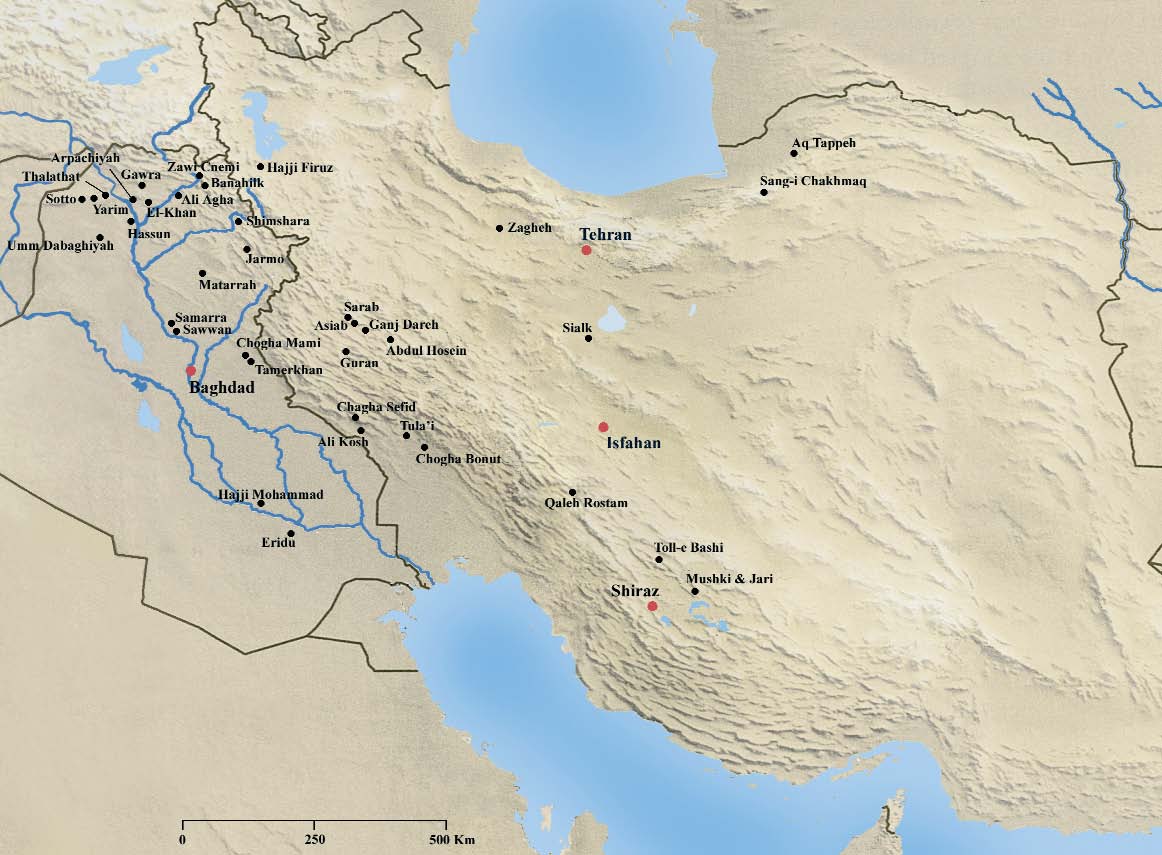
Chia Jani
Neolithic site with obsidian bladelets.
Wezmeh
Pleistocene cave site in western Iran
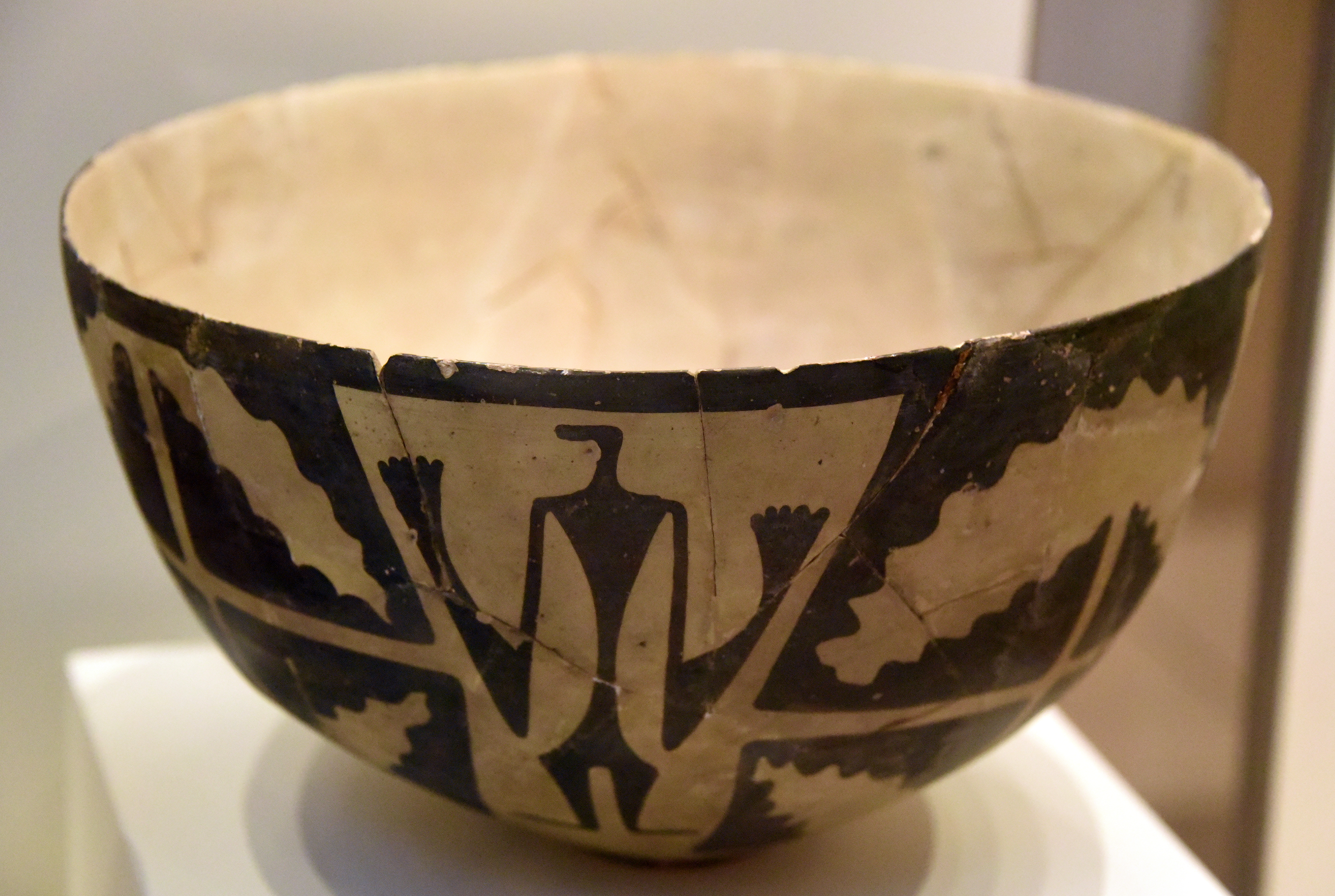
Tall-i Bakun
Prehistoric mounds with rich pottery culture
Chogha Bonut
Oldest lowland village in southwestern Iran.
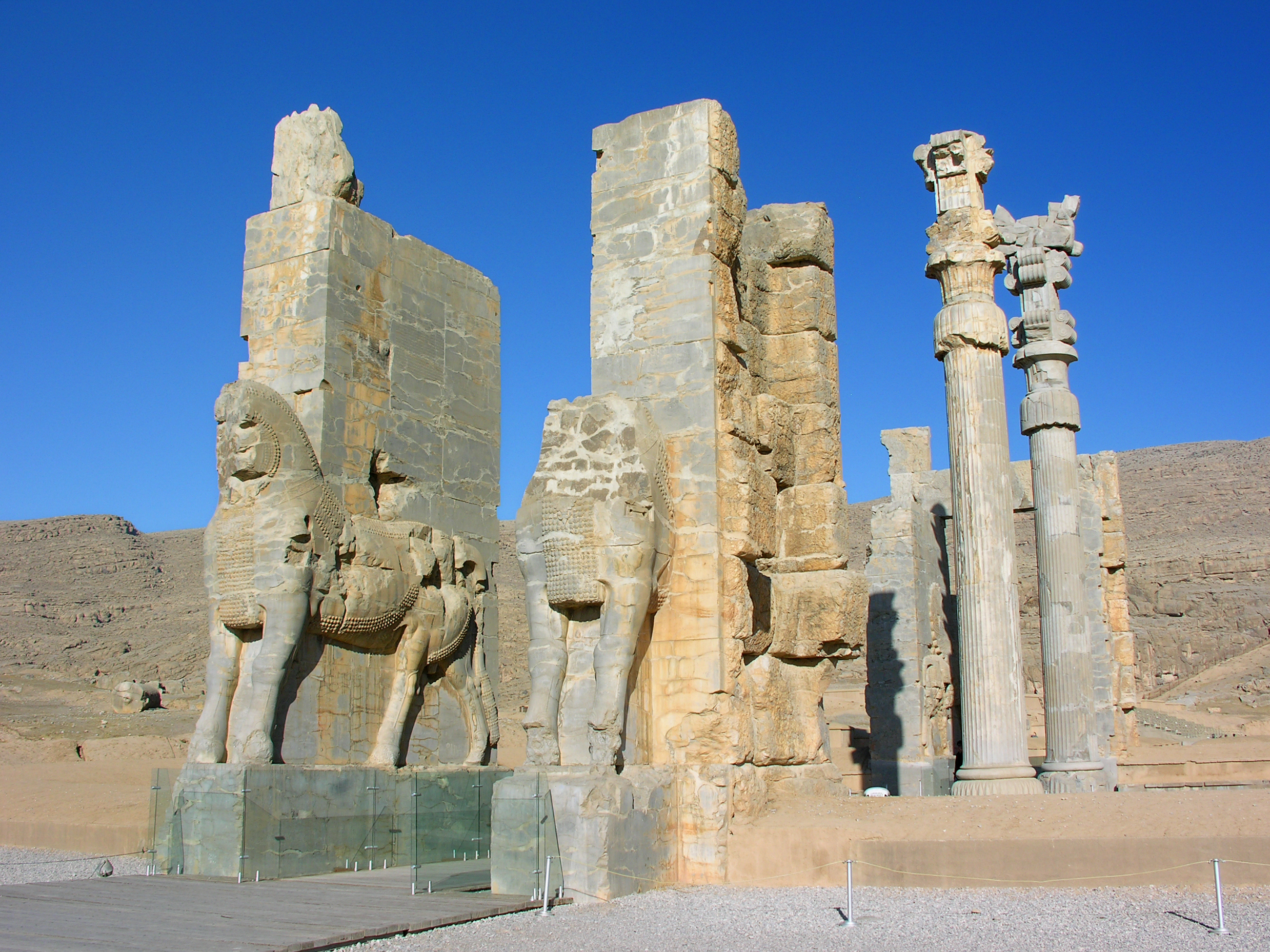
Rahmatabad Mound
Ancient Chalcolithic settlement with industrial features